Cybernews's banner
Cybernews's profile picture

Cybernews

@Cybernews71,701 subscribers

Proving that cybersecurity is everyone's business. We research what others skip, expose what's buried, and know that the real story is never on the surface.

Shorts

Driven away from pirated digital libraries by a massive $1.5 billion settlement, major AI companies have found a legal loophole: bulk-buying physical books, shearing off the spines for high-speed scanning, and then throwing the originals away. The practice, known as "destructive scanning," involves using hydraulic cutting machines to neatly slice the spines off used and sometimes rare books. The loose pages are then rapidly processed through industrial scanners to extract the text for AI training data, before the physical remains are sent to recycling facilities. Anthropic’s internal initiative, referred to as "Project Panama," reportedly aimed to destructively scan up to two million books over a six-month period. The pivot to physical books comes after a federal judge ruled that training AI on legally purchased physical media constitutes "fair use," even if the original physical copy is destroyed in the process. The ruling effectively closed the door on using pirated digital shadow libraries, making physical books the final frontier for acquiring massive, legally defensible datasets. What are your thoughts on this? Share them in the comments.

Driven away from pirated digital libraries by a massive $1.5 billion settlement, major AI companies have found a legal loophole: bulk-buying physical books, shearing off the spines for high-speed scanning, and then throwing the originals away. The practice, known as "destructive scanning," involves using hydraulic cutting machines to neatly slice the spines off used and sometimes rare books. The loose pages are then rapidly processed through industrial scanners to extract the text for AI training data, before the physical remains are sent to recycling facilities. Anthropic’s internal initiative, referred to as "Project Panama," reportedly aimed to destructively scan up to two million books over a six-month period. The pivot to physical books comes after a federal judge ruled that training AI on legally purchased physical media constitutes "fair use," even if the original physical copy is destroyed in the process. The ruling effectively closed the door on using pirated digital shadow libraries, making physical books the final frontier for acquiring massive, legally defensible datasets. What are your thoughts on this? Share them in the comments.

28,865 次观看

This is "Roobot!" by HYPRLABS - a hyper-lean, 2-wheeled balancing machine hitting the market in Summer 2026. It runs on a tiny fraction of the power traditional robots use, learning completely from its environment in real-time. Media: HYPRLYF

This is "Roobot!" by HYPRLABS - a hyper-lean, 2-wheeled balancing machine hitting the market in Summer 2026. It runs on a tiny fraction of the power traditional robots use, learning completely from its environment in real-time. Media: HYPRLYF

50,235 次观看

AGIBOT realistic movement #CES2026

AGIBOT realistic movement #CES2026

30,258 次观看

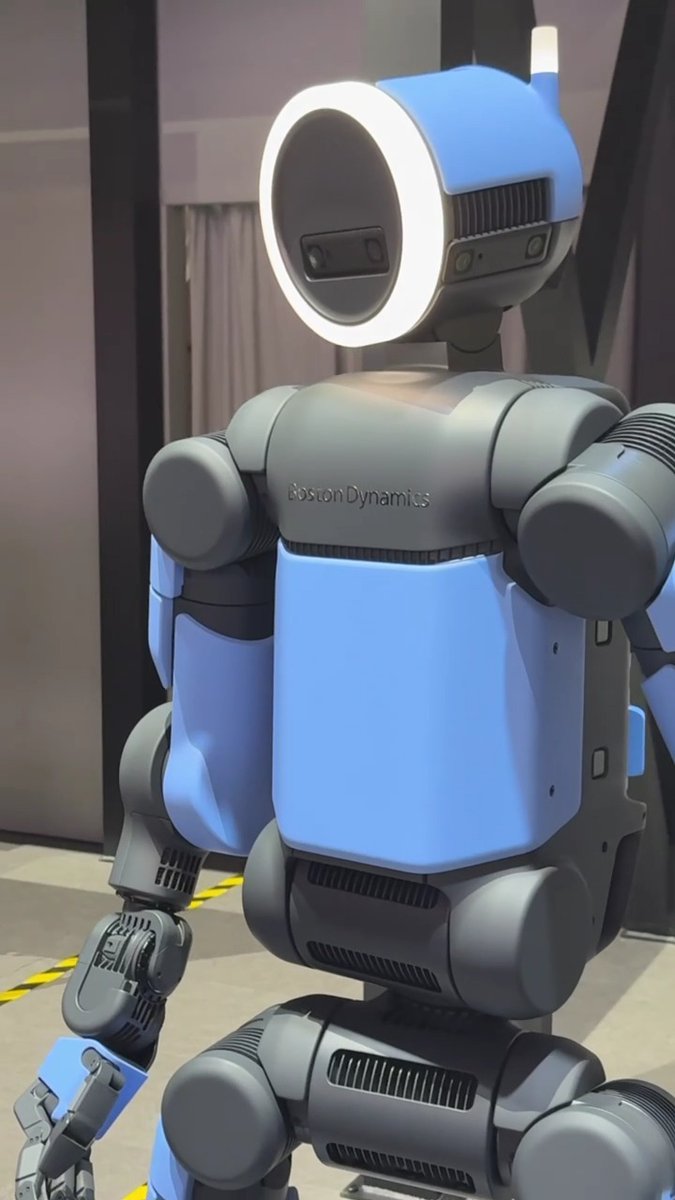
Boston Dynamics Atlas robot up close #CES2026

Boston Dynamics Atlas robot up close #CES2026

26,444 次观看

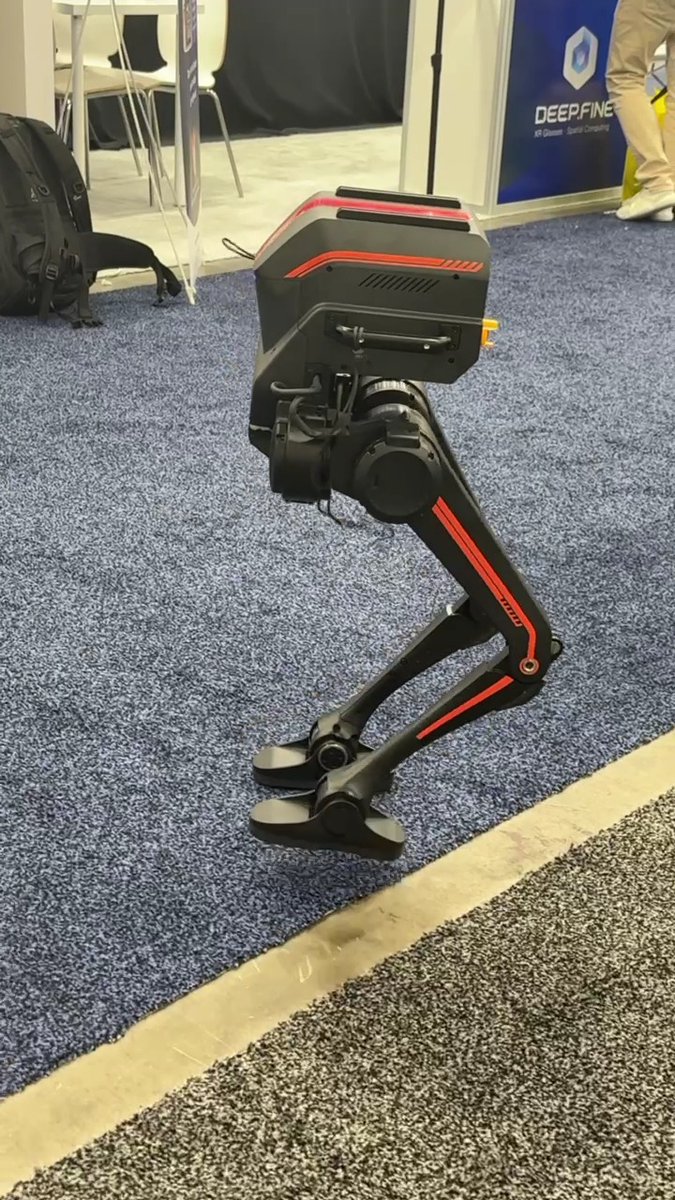
LimX dynamics Tron1 robot showing off its agility #CES2026

LimX dynamics Tron1 robot showing off its agility #CES2026

22,437 次观看

Videos

没有更多内容可加载