
Hasan Merali, MD
@Hasan_Merali • 4,200 subscribers
Toddler promoter. Featured in NYT, BBC, NBC, CNN. Pediatric Emergency Medicine physician and global child health researcher @mch_childrens. Views are my own.
Shorts

Videos
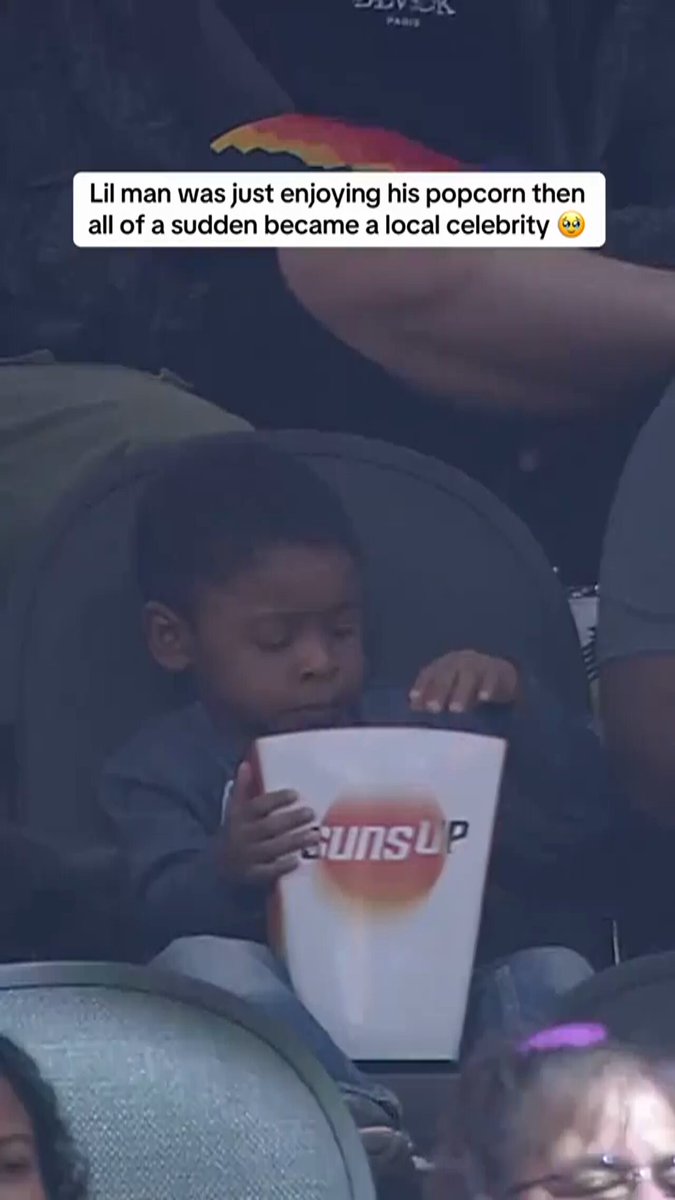
Wanted to make sure everyone saw this video. This is 3-year-old Sterling, casually enjoying a torso-sized bucket of popcorn at a basketball game. When his dad points out he’s on the big screen, Sterling offers a simple smile and a wave. That tiny moment has brought joy to more than 50 million people 😊 That’s what toddlers do. VC: phoenixsuns on TT
Hasan Merali, MD938,069 просмотров • 7 месяцев назад

Toddlers aren’t exactly known for their relaxation techniques. But they are known for something else: helping others. In this wonderful video, two-year-old Lydia is on a flight with flight attendant Terry, who notices Lydia has a lot of energy (as all toddlers do). Instead of trying to calm her, Terry does something brilliant. She gives Lydia a job she knows she’ll enjoy: helping collect trash. Lydia walks down the aisle all smiles, politely asking each passenger, “Trash, please?” It’s a simple moment, but a powerful reminder. When we have extra energy, stress, or restlessness, the toddler way isn’t to suppress it, it’s to use it to help someone else. VC: beccabakker on TT
Hasan Merali, MD752,593 просмотров • 6 месяцев назад

This is 2-year-old Edie. And when she spotted an empty patch in her backyard, she immediately declared that she wanted to turn it into a fairy garden. She got some seeds and pots and every day after school she would go out and water her plants. She also “insisted on adding fairy figurines ‘so they would have somewhere to live.’” 💕 And three months later, she had a beautiful garden. I think her mom said it best, in a quote that describes all toddler activities, “It’s not perfect, it’s messy and wild, but it’s beautiful.” Edie has an important lesson to teach all of us, as there are so many benefits to having your own garden. These include increased exercise, a better diet if you grow fruits/vegetables, time in nature, and reduced stress levels. 👍 Newsweek article about Edie: Gardening benefits from Mayo Clinic: Video credit: sadiewcx on TT
Hasan Merali, MD41,353 просмотров • 1 год назад

(Sound on 🔊) Freeze dance! Play is something that comes so naturally to young children, but as adults we often even forget how to do it. But the benefits are clear, and more and more research links playing as adults to wellbeing. I recently discovered there’s even a Journal of Play in Adulthood! An Australian study from this journal took 15 adults aged 28 – 58 and had them engage in a fast-paced, laughter-filled, social activity. And after this session, adults were found to have: -Increased positive emotions -Higher energy and vitality -Improved mindfulness -Decreased negative emotions And here’s the punchline from the study: “Engaging in play is believed to be as crucial for adult wellbeing as it is for child development.” Toddlers remind us how good play feels—and adult science confirms it too. By intentionally sprinkling play into your routine (team sports, group jamming, improv), you can improve mood, energy, and focus. Play isn’t just for kids—it’s a wellness superpower for adults. Go play 😊 Research: Video credit: my_lox_life on TT
Hasan Merali, MD14,763 просмотров • 1 год назад
Больше нет контента для загрузки