

NASA Solar System
@NASASolarSystem • 2,966,212 subscribers
Join us as we explore the worlds of our solar system.
Shorts





Videos
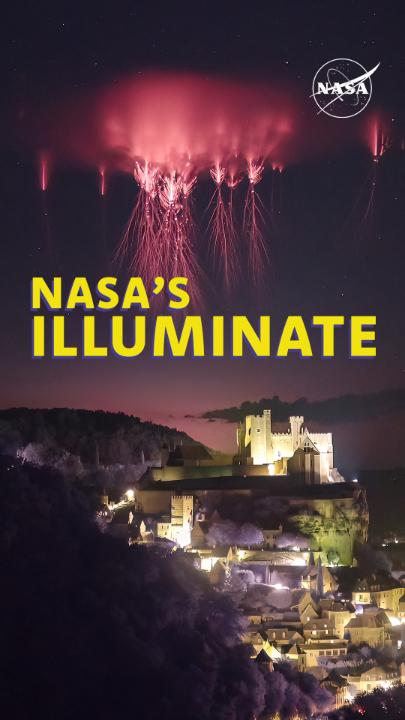
High in the atmosphere, mysterious flashes light up the sky during thunderstorms. Unconfirmed until 1989, these Transient Luminous Events, or TLEs, have mythological names like sprites, TROLLS (Transient Red Optical Luminous Lineaments), and green ghosts. 👻 Now, NASA is on the hunt with a project called Spritacular, where people across the globe photograph and study these TLEs. NASA’s Illuminate: Out-of-this-world images shining light on our Sun and solar system.
NASA Solar System60,603 просмотров • 5 дней назад


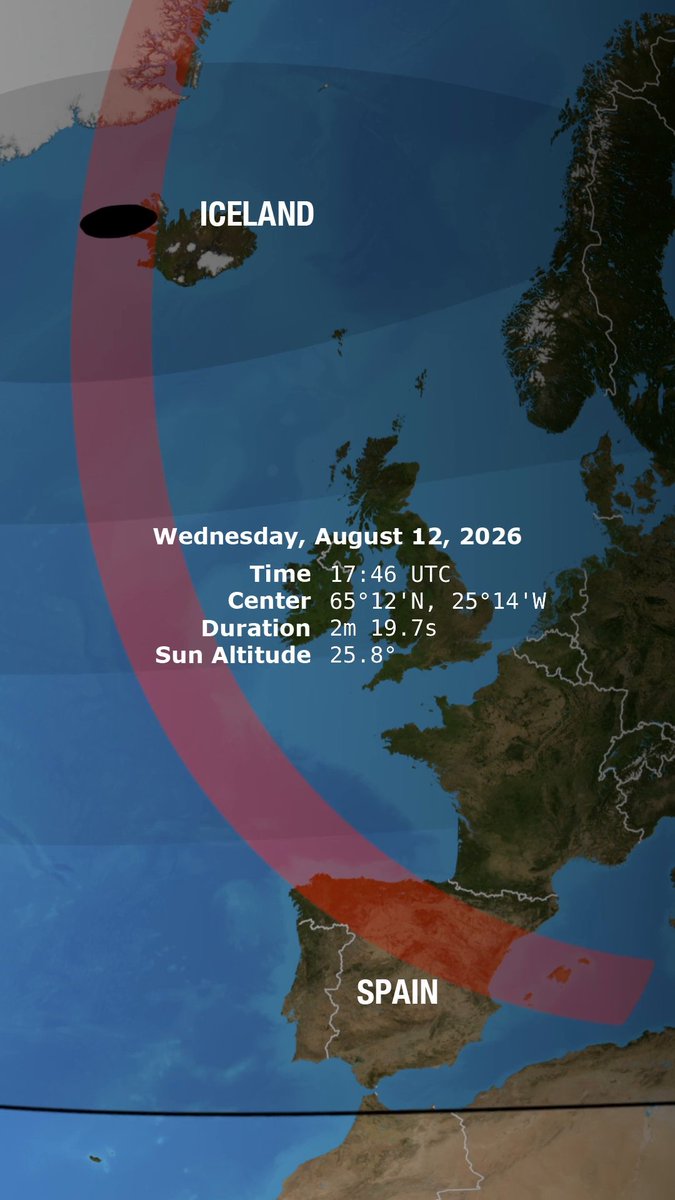
On Aug. 12, a total solar eclipse will cross Greenland, Iceland, and Spain — and NASA science will be there! ☀️🌑🔭 We're flying high-altitude jets and launching scientific balloons to study the Sun and the eclipse's effects on us: 📸: NASA/Ernie Wright
NASA Solar System440,393 просмотров • 3 месяцев назад

Join us live on July 16 at 2 p.m. ET to meet the team building NASA’s Dragonfly, learn how it will explore Titan’s rich prebiotic chemistry (the molecules and processes that can lead to life), and see how the mission is coming together. Set a reminder:
NASA Solar System352,449 просмотров • 3 месяцев назад

A partial lunar eclipse darkens the full Moon on Aug. 27. About 96% of the Moon slips into Earth's shadow, turning most of it red as our atmosphere filters sunlight. Begins 10:34pm ET Aug. 27, peaks 12:12am ET Aug. 28. What to look for: 🌙 🎬: NASA's Scientific Visualization Studio/Ernie Wright
NASA Solar System148,529 просмотров • 2 месяцев назад

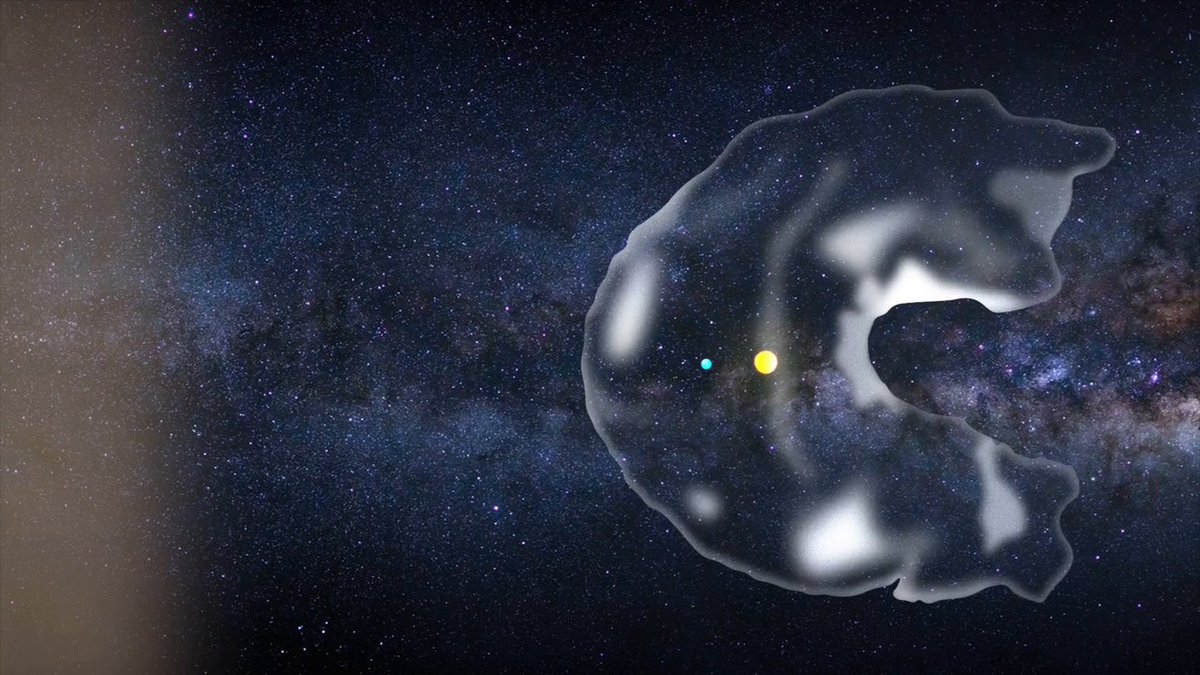
For a few million years, Earth may have been left out in the cold — literally. New NASA research shows the Sun's protective bubble has shrunk smaller than Earth's orbit at least three times in the past 10 million years, possibly triggering ancient ice ages. 🌍 Full story:
NASA Solar System113,015 просмотров • 2 месяцев назад


A new study finds some human-delivered microbes could survive in niches near the Moon’s South Pole. 🦠 While there’s no evidence they can grow or replicate there, learning more about them can help protect future Moon & Mars science from contamination.
NASA Solar System95,801 просмотров • 2 месяцев назад
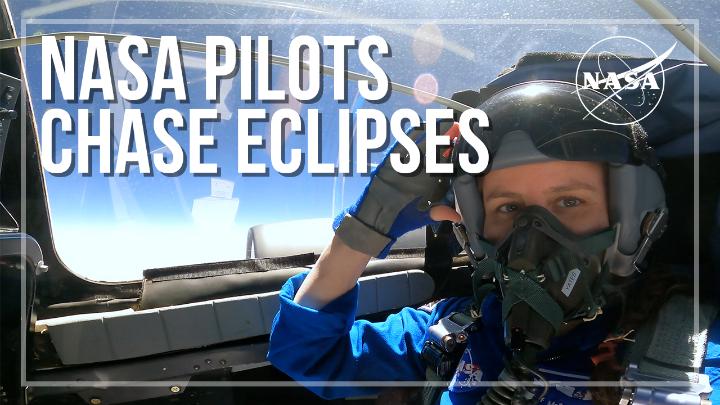
NASA’s WB-57 jet studies eclipses from about 50,000 feet (15,000 meters) — above most of the haze and turbulence that blur the view below, for a sharper look at the Sun’s corona. The WB-57 will observe the Aug. 12 total solar eclipse from above. More:
NASA Solar System106,943 просмотров • 2 месяцев назад


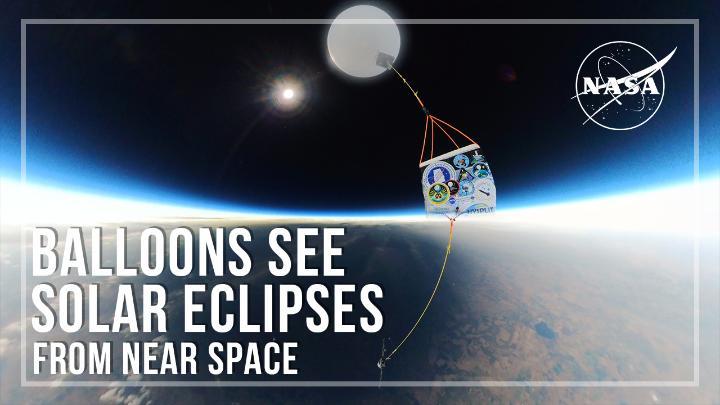

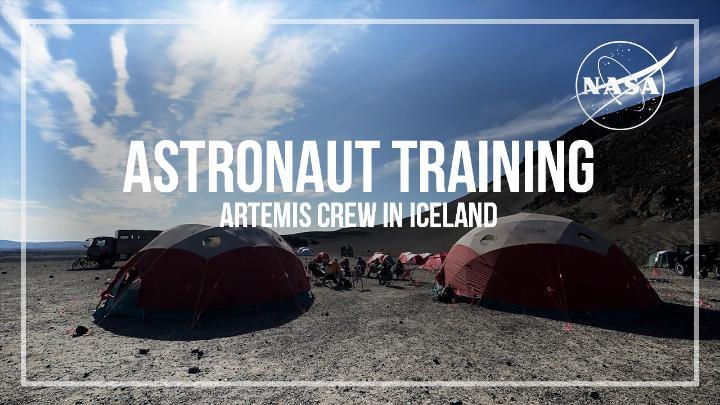
On Aug. 12, a total solar eclipse crosses Iceland and Spain. Iceland’s volcanic terrain helped train the Artemis II Moon crew; Spain offers clearer skies. NASA-funded teams are in both — because spreading out is how you beat the clouds. Watch live with NASA:
NASA Solar System65,425 просмотров • 2 месяцев назад
