NASA Universe
@NASAUniverse • 1,119,039 subscribers
Your backstage pass to the universe and how NASA studies it. Exoplanets, black holes, dark energy, and more!
Shorts
Videos
At our hearts, we are seekers, and today we celebrate a scientific milestone! Nearly 30 years after the first discovery of a world orbiting a Sun-like star beyond our solar system, NASA’s Exoplanet Archive reached 6,000 confirmed exoplanets. 🎉 Read more:
NASA Universe680,872 просмотров • 11 месяцев назад
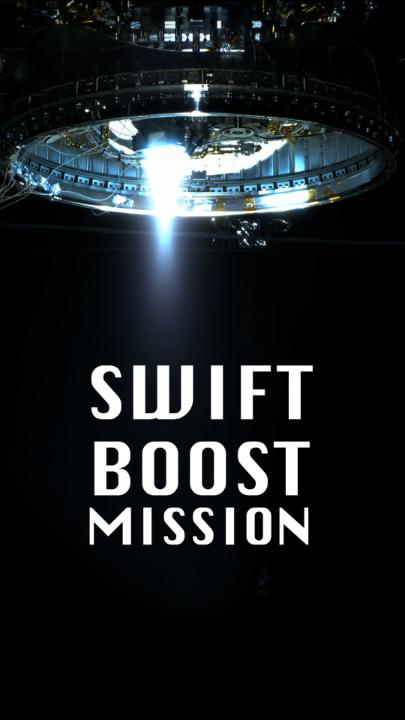
Are you ready for it? Tomorrow, June 30, at 6:17 a.m. ET, Katalyst Space's robotic servicing spacecraft, LINK, is scheduled to launch on a Northrop Grumman Pegasus XL rocket from Kwajalein Atoll to begin its journey to meet and boost our Swift observatory. Stay tuned for updates!
NASA Universe122,226 просмотров • 2 месяцев назад
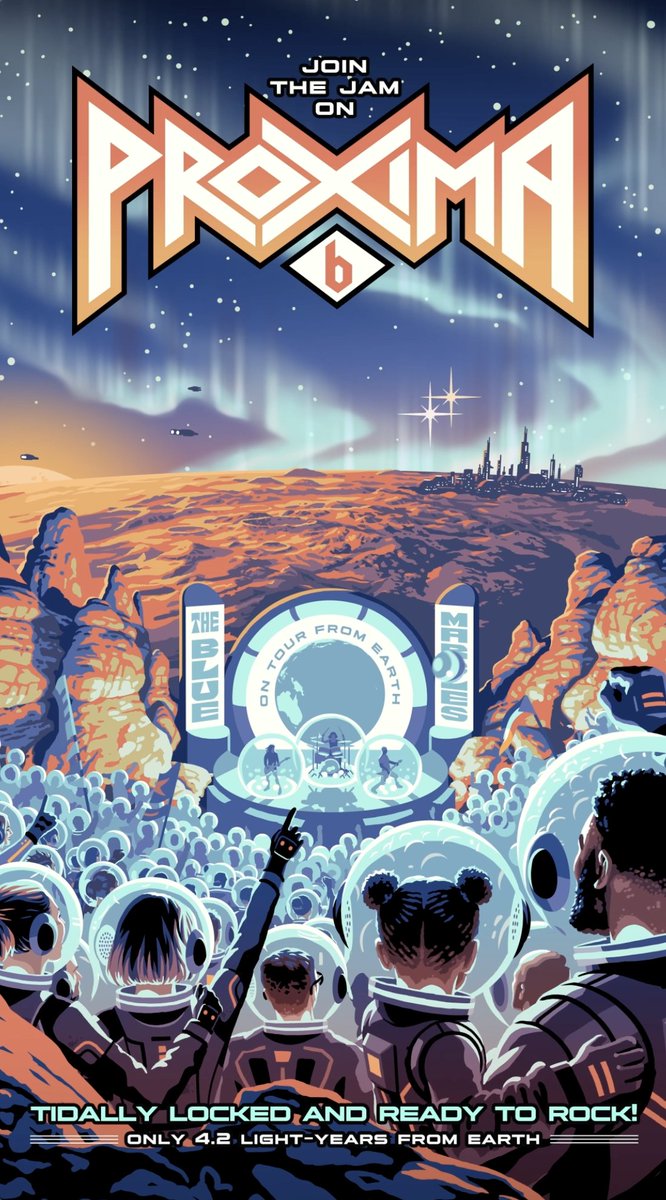
Join the jam on Proxima Centauri b, Earth’s closest-known exoplanet neighbor! Download the poster here:
NASA Universe74,587 просмотров • 1 месяц назад
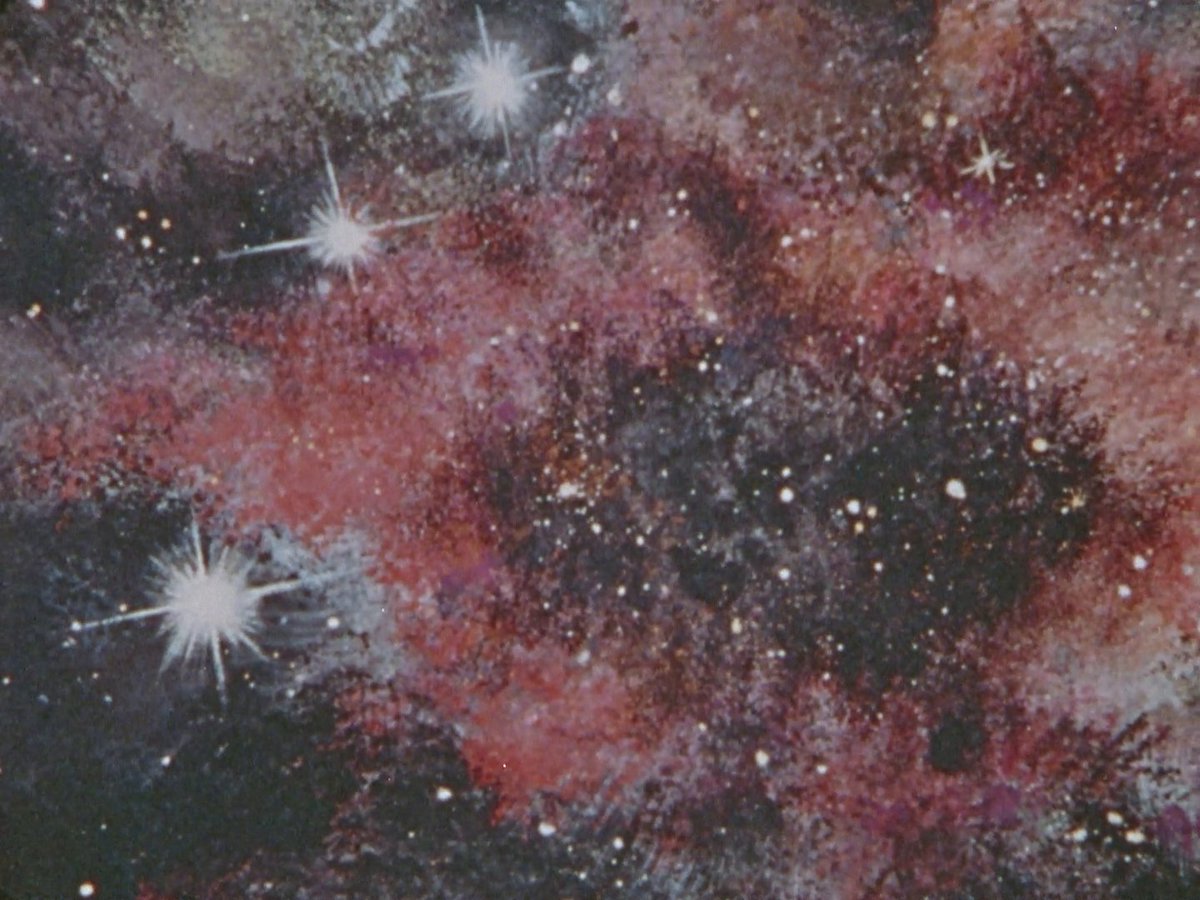
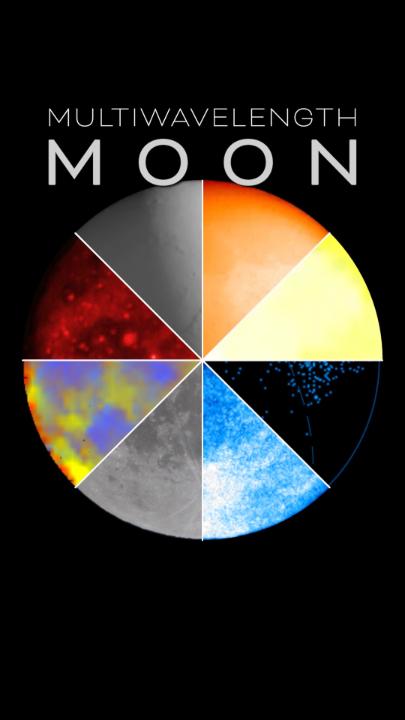
#OTD in 1972, our Orbiting Astronomical Observatory C, renamed Copernicus in orbit, launched to study the cosmos in X-ray and ultraviolet light. The heaviest and most complex space telescope of its time, it led the way for modern multiwavelength missions:
NASA Universe22,631 просмотров • 11 дней назад
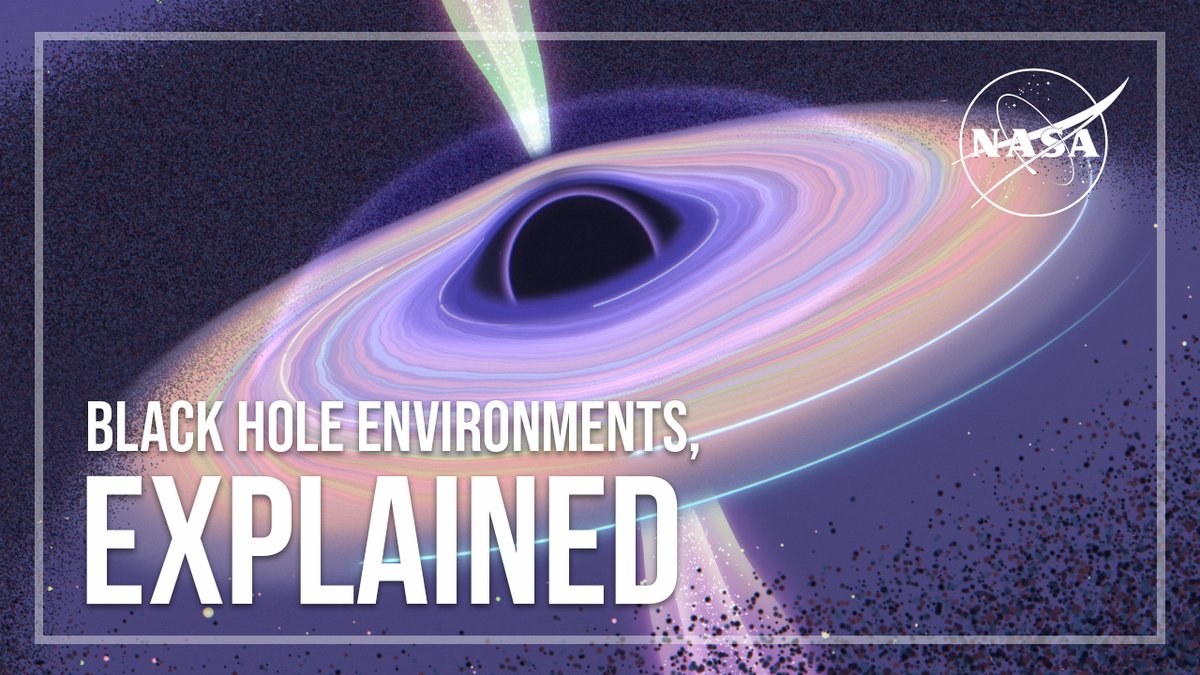
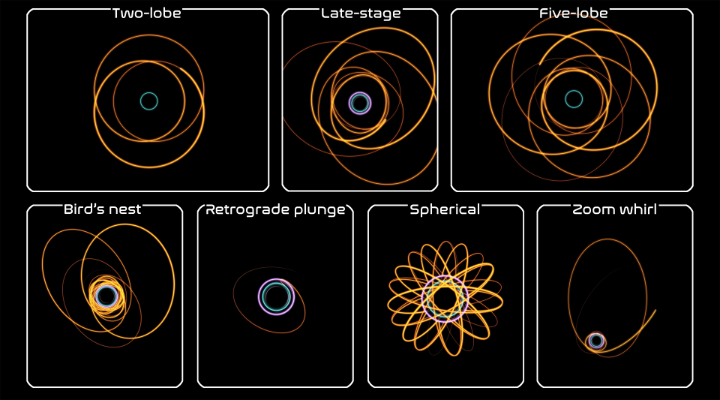
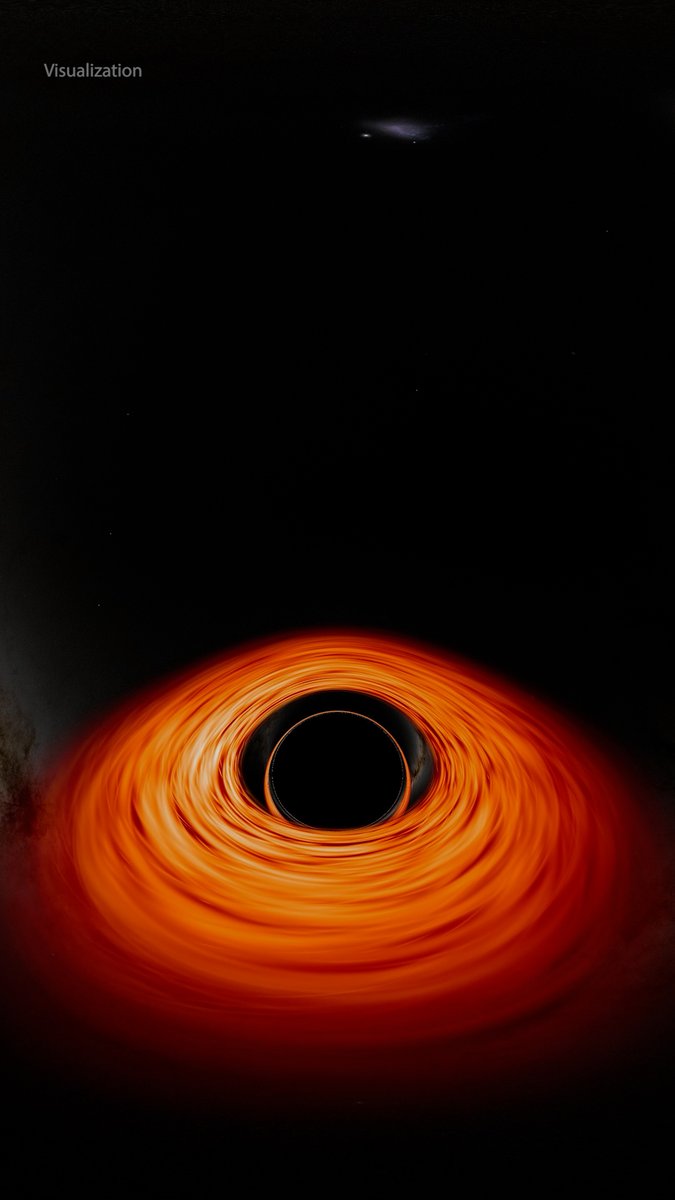
From blazing coronas and swirling accretion disks to powerful jets that stretch millions of miles, the extreme environments of black holes reveal their presence — and their secrets. Get pulled into “Black Hole Environments, Explained.” #BlackHoleFriday
NASA Universe462,115 просмотров • 9 месяцев назад
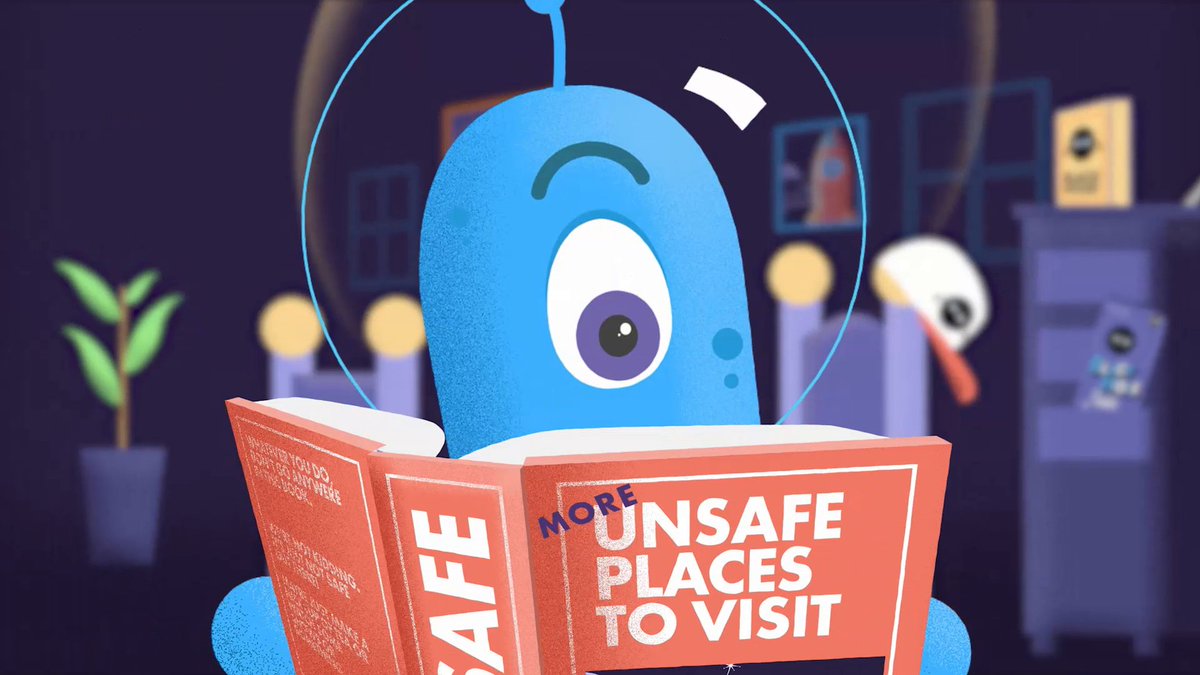
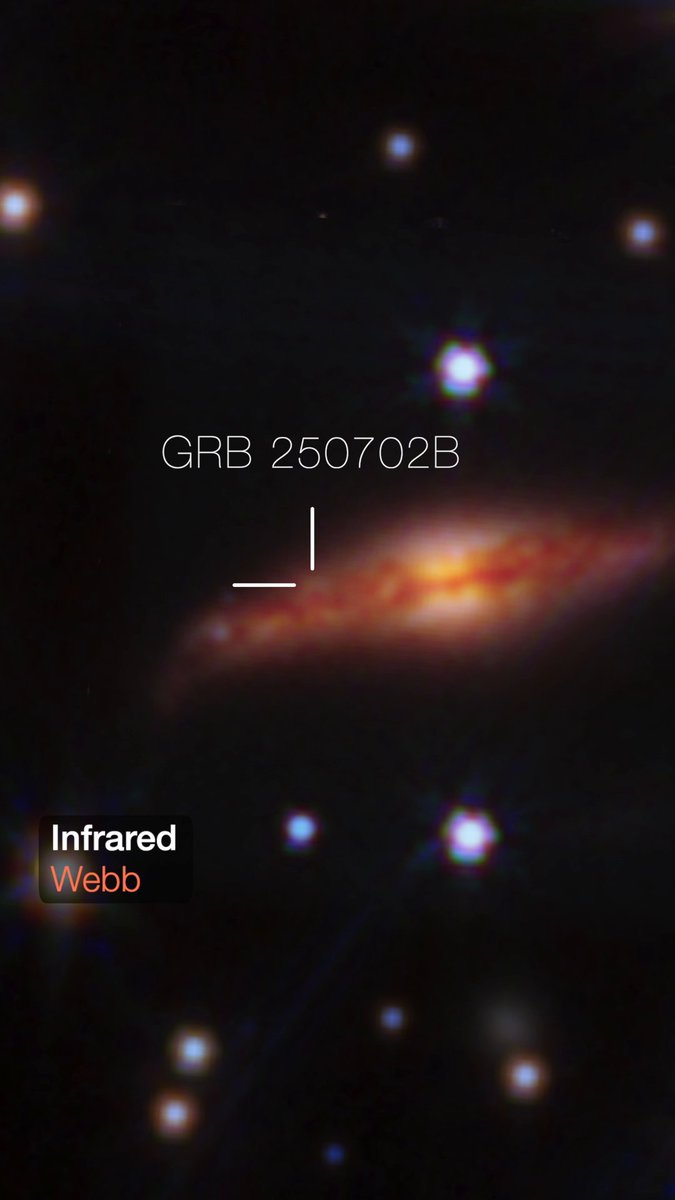
Looking for a vacation spot with spectacular fireworks? While gamma-ray bursts produce brilliant displays of light… you really don’t want to visit one. Our fearless Traveler insists on going, so we’ve prepared this handy video guide to safely exploring gamma-ray bursts!
NASA Universe1,326,716 просмотров • 3 лет назад
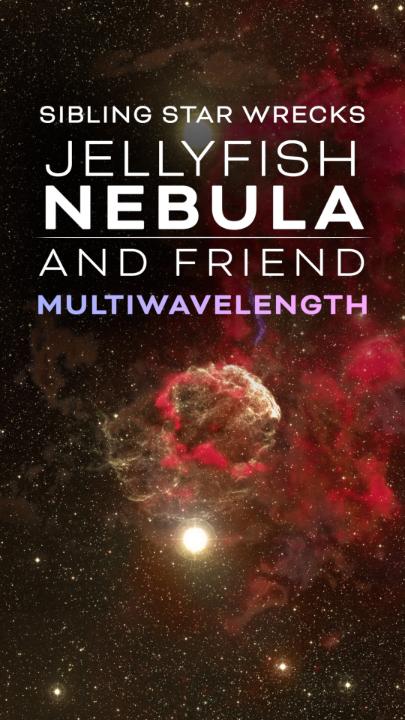
These stellar siblings brought the drama! Our Fermi telescope revealed that these two supernova remnants may be debris from a pair of once-orbiting massive stars that both exploded. The first blast kicked one star light-years away before its own blow-up:
NASA Universe36,997 просмотров • 1 месяц назад
Are we alone? To find out, we’re building the Habitable Worlds Observatory. This powerful space telescope uses proven technologies from Hubble, NASA Webb Telescope, and Nancy Grace Roman Space Telescope to look for signatures of planets that can support life — and maybe life itself.
NASA Universe197,635 просмотров • 1 год назад

Our Neil Gehrels Swift Observatory has a whopping wingspan of 17.8 feet (5.4 meters), substantially wider than its namesake bird. You’d need about 11 common swift birds to match Swift’s width. Even the living bird with the widest wingspan, the snowy albatross, falls short!
NASA Universe27,303 просмотров • 1 месяц назад