
NIH Innovates's banner
NIH Innovates's profile picture

NIH Innovates

@NIH_Innovates1,032,980 subscribers

NIH's account for research news & information for the biomedical research community. Engagement ≠ endorsement. Privacy Policy: https://t.co/hfRcdhgmwY

Shorts
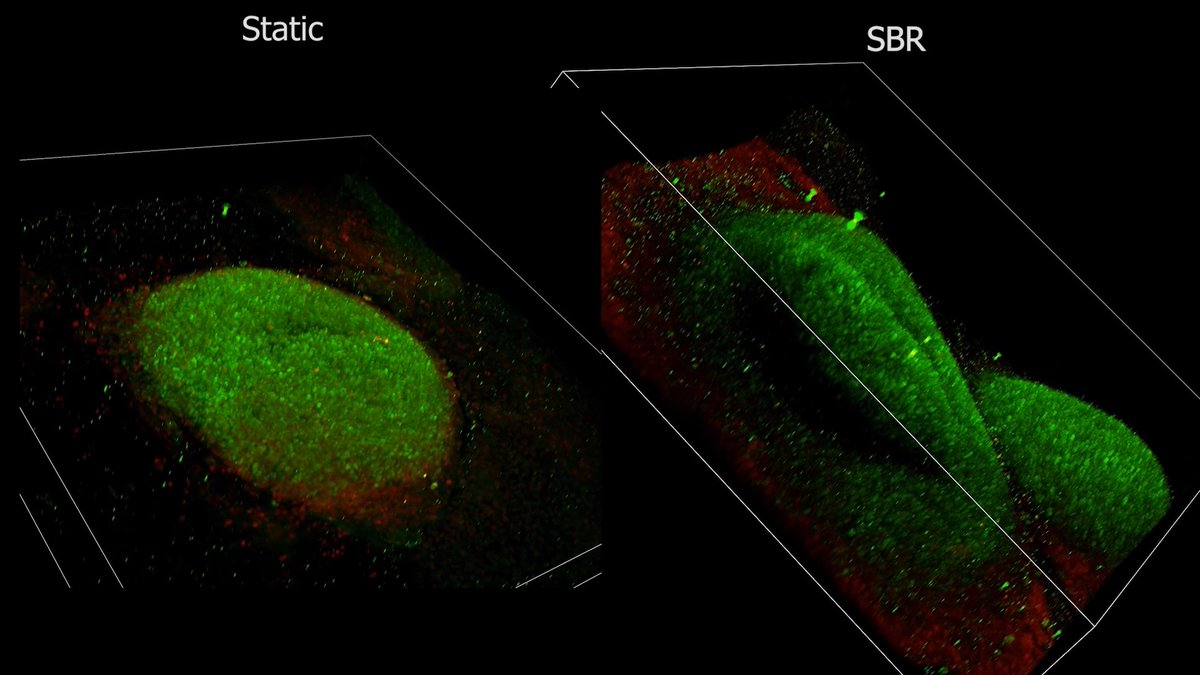
NIH scientists found that retinal organoids, lab-grown models of the human retina, often don't get enough oxygen during early development. To solve this problem, they created a simple 3D-printed stirred bioreactor that keeps oxygen levels in a healthy range. The result: larger, healthier retinal organoids with improved survival and more consistent growth. This low-cost, easy-to-use tool could help researchers create better models to study blinding diseases and test potential treatments. Read more:

NIH scientists found that retinal organoids, lab-grown models of the human retina, often don't get enough oxygen during early development. To solve this problem, they created a simple 3D-printed stirred bioreactor that keeps oxygen levels in a healthy range. The result: larger, healthier retinal organoids with improved survival and more consistent growth. This low-cost, easy-to-use tool could help researchers create better models to study blinding diseases and test potential treatments. Read more:

29,324 views

Videos

No more content to load