
TasteAtlas
@TasteAtlas • 159,264 subscribers
World Food Atlas
Shorts


Videos

Korean Salt Bread (Sogeum-ppang) 📍 Seoul, South Korea 🇰🇷 Taste Seoul: In the wildly competitive bakery scene of Seoul, a humble roll of dough, butter, and salt has sparked a massive culinary obsession. Known as Sogeum-ppang or Korean salt bread, this pastry takes inspiration from Japanese shio pan, wrapping a solid baton of butter inside soft dough. As it bakes, that central core of butter melts completely, pooling at the bottom to fry the base into a crispy crust while leaving the hollow center drenched in rich fat. Local spots like BBB Bakery push the trend further with vibrant variations, using natural ingredients like sweet potato or cheddar to add extra chew and color to the dough. Finished with a sprinkle of coarse sea salt, it proves that the most addictive food crazes aren't built on trickery, but on the simple, decadent marriage of fat, flour, and heat. Credit: @bbb__bakery
TasteAtlas3,948,352 views • 1 month ago
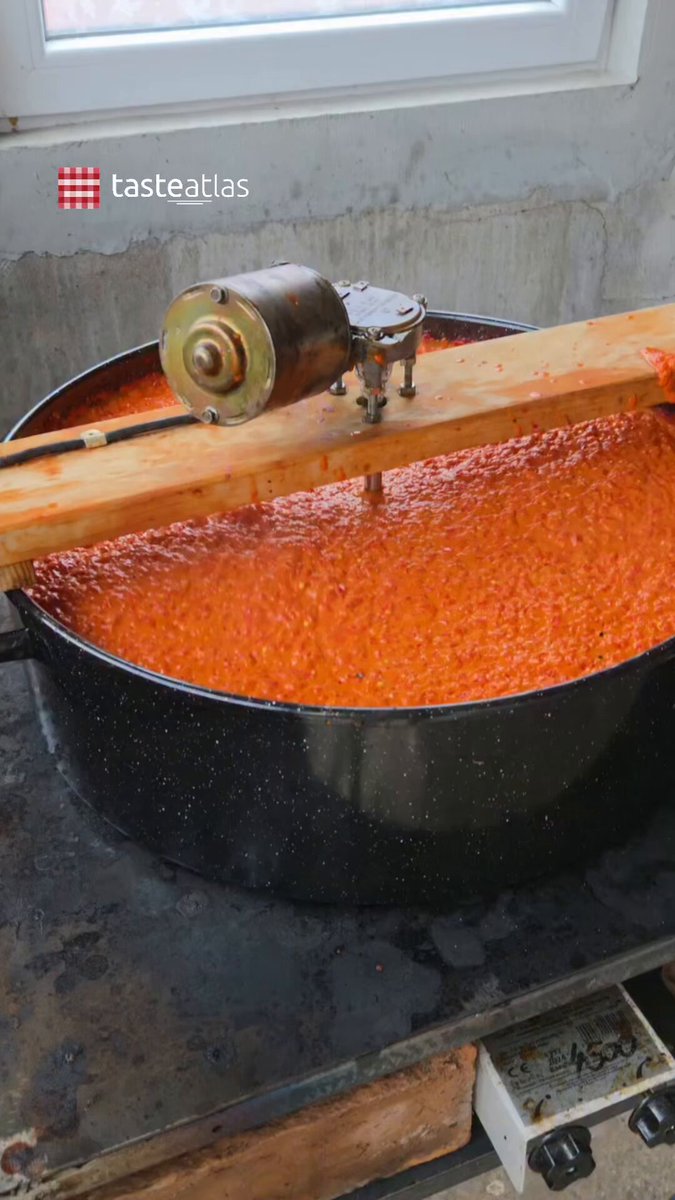
Winter is coming. The Balkans are getting ready. 🇷🇸 🇲🇰 🇧🇦 🇭🇷 🇲🇪 🇸🇮 Autumn means sacks of red peppers, blackened skins and big pots of ajvar. This roasted pepper spread is made across the Balkans, especially in Serbia and North Macedonia, with recipes changing between countries and households. Some include eggplant, others use only peppers, with enough chilli to suit whoever’s filling the jars. The peppers are roasted, peeled and ground, then slowly cooked with oil as part of zimnica, the food preserved for winter. That usually means hours at the pot with a wooden paddle, but some cooks now put homemade motorised stirrers to work, like the one in this video. The motor takes over the repetitive stirring while the ajvar cooks down, ready to be jarred and eaten over the colder months with bread, cheese or grilled meat. Video by: @domaca_prica_by_daca
TasteAtlas118,348 views • 2 days ago

Traditional Raisins (Keshmesh) 📍Iran 🇮🇷 Taste Iran: Entire bunches of fresh grapes plunge into a boiling cauldron, but they aren't making syrup. This is the ancient, rapid-fire way to make raisins. If you just leave thick-skinned grapes in the sun, they will rot before they dry. To beat the clock, farmers dip the fresh bunches into a boiling bath—traditionally water mixed with wood ash. The intense, brief heat microscopically cracks the skin of every single grape. Pulled from the boiling pot, the dripping bunches are immediately hung over ropes and wires to dry. Because the skins are fractured, the moisture escapes fast. The grapes dehydrate rapidly in the air without rotting, transforming into sweet, chewy keshmesh (raisins). It is a brilliant, low-tech manipulation of heat and air to lock in the harvest. Credit: Omid.saadati61 on Instagram
TasteAtlas1,492,946 views • 22 days ago

France does it differently when it comes to school lunches. 🇫🇷 In France, the school canteen (la cantine) isn't just a place to grab a quick bite, it is viewed as an extension of education. Lunchtime is designed to teach children food culture, nutrition, and palate appreciation through freshly prepared, multi course meals. By law, these traditional four course menus (starter, main meal, cheese, and dessert) must regularly incorporate organic and locally sourced ingredients under strict nutritional standards. Serving dishes like moules frites (steamed mussels with herbs and crispy fries) introduces kids to fresh seafood, complex flavors, and local culinary traditions from an early age, building a lifelong appreciation for real gastronomy. This footage was filmed at a public elementary school in the Haute Savoie region, where around 500 students aged 6 to 11 enjoy freshly prepared meals like this. Video by: @lessons_from_france
TasteAtlas6,043,226 views • 2 months ago

Şah Plov 📍Azerbaijan 🇦🇿 Taste Azerbaijan: Şah Plov, translating to "Crown Pilaf," is the majestic centerpiece of Azerbaijani cuisine, traditionally reserved for weddings, festive banquets, and grand celebrations like Novruz. Acting as the ultimate expression of hospitality, this impressive dish consists of fragrant, saffron-infused basmati rice baked inside a crispy, golden shell made from layers of buttered lavash flatbread. The crust, known as gazmakh, seals in the rich aromas and moisture during the baking process, ensuring the interior remains perfectly steamed and intensely flavorful. Inside the crisp exterior lies a savory-sweet combination of tender meat—most commonly lamb or chicken—interspersed with roasted chestnuts and a vibrant medley of dried fruits, such as golden raisins, dried apricots, and sour plums. When fully baked, the entire pot is inverted onto a large serving platter. The golden crust is then sliced into wedges and folded back to reveal the steaming, jewel-like rice inside, creating a visual effect that resembles a royal crown. Video: @nudretliikin
TasteAtlas433,376 views • 12 days ago

Ghee Podi Idli 📍 Tamil Nadu, India 🇮🇳 Taste India: In the steam-filled kitchens of South India, breakfast is a masterclass in ancient fermentation and thermal engineering. Preparing Ghee Podi Idli starts days in advance, as parboiled rice and black gram (urad dal) are soaked, stone-ground, and left to ferment overnight into a airy, sour batter. Ladled onto damp cotton cloth stretched over boiling metal steamers, the cakes expand into pillow-soft discs. Once pulled hot from the steam, the idlis are drenched in nutty, warm clarified butter (ghee) and generously tossed in podi—a coarse, fiery spice mix of roasted lentils, dried red chilies, sesame seeds, and curry leaves. It’s an unpretentious, heat-soaked ritual that turns humble grains into one of the most addictive breakfast staples on earth. Video by @varsha_foods_
TasteAtlas876,535 views • 28 days ago

Tigrillo 📍Ecuador 🇪🇨 Taste Ecuador: Tigrillo is a hearty, traditional Ecuadorian breakfast dish originating from the coastal province of El Oro, most notably associated with the historical gold-mining city of Zaruma. The dish takes its name from the small, spotted wild feline native to the region; when the dish's distinct ingredients are mashed and cooked together, the resulting speckled mixture is said to resemble the animal's patterned coat. Deeply embedded in the country's coastal culinary culture, it is celebrated for its rich, comforting flavors and its ability to provide lasting energy for the day ahead. The foundation of the dish relies on green plantains, which are boiled or fried before being roughly mashed. This starchy base is then transferred to a hot skillet and vigorously mixed with whisked eggs, crumbled queso fresco (fresh white cheese), and crispy chunks of chicharrón (fried pork belly or cracklings). The mixture is pan-fried until the cheese melts and the components are fully integrated into a savory, textured scramble. Tigrillo is traditionally served steaming hot for breakfast, almost always accompanied by a cup of strong, locally grown filtered coffee and a side of fresh ají (chili sauce) for an added kick of heat. Video: Nievita Zambrano
TasteAtlas88,582 views • 7 days ago

Making Šljivovica 📍 Dulene, Serbia 🇷🇸 Taste Serbia: Across the Balkans, rakija is rarely treated as just alcohol. It is poured when guests arrive, when something is celebrated, and sometimes simply because two people have sat down at the same table. In Dulene, fermented plums are heated slowly in a still, sending alcohol-rich vapor through a cooling pipe until it returns as clear šljivovica. The process takes time, attention, and plenty of opinions from everyone standing nearby. Serbia’s tradition of making and using šljivovica was added to UNESCO’s intangible cultural heritage list in 2022. Credits: Douglas Ulene.turizam
TasteAtlas173,545 views • 15 days ago

Salsa de Osobuco 📍Argentina 🇦🇷 Taste Argentina: In Argentina, salsa de osobuco (also known as estofado de osobuco) is a cornerstone of domestic comfort food, born from Italian immigration but adapted to feature the bold character of world-renowned Argentine beef. Unlike the delicate, white wine-based veal dish of Milan, this version is hearty, rustic, and heavily tomato-based. The preparation starts by searing thick beef shanks (osobuco de vaca), then building a robust sofrito of onions, carrots, and red bell peppers (morrón). The pot is deglazed with red wine and filled with crushed tomatoes, beef broth, and spices like oregano and sweet paprika. During hours of gentle simmering, the beef becomes so tender that it naturally shreds from the bone. Most importantly, the prized bone marrow (caracú) melts entirely into the tomato base, creating a thick, velvety sauce with a deeply savory and comforting taste. In Argentine gastronomy, this dense meat sauce is rarely eaten alone. It acts as a heavy ragù, ladled generously over homemade pasta like tallarines (tagliatelle) or ñoquis (gnocchi), or served simply over a bed of creamy mashed potatoes or soft polenta. Video: Braian Cox
TasteAtlas380,055 views • 1 month ago

Bibingka 📍 Philippines 🇵🇭 Taste Philippines: You don't need a modern oven to bake. In the Philippines, street vendors build their own using heavy terracotta pots, live coals, and fresh banana leaves. This is the traditional way to make bibingka, a dense cake made from milled glutinous rice and coconut milk. The batter is poured into a clay vessel lined with a banana leaf. The actual technique is all about heat distribution: hot coals are placed both underneath the pot and directly on top of a makeshift metal lid. This dual heat source bakes the thick batter fast, while the extreme temperature chars the banana leaves, infusing the sweet, sticky rice cake with a heavy, smoky aroma. It is a masterful, low-tech method of street baking built entirely on strict fire control and timing. You get the soft, sweet interior of the cake directly contrasting with the charred, smoky edges. Credit: @franziee_v on Instagram
TasteAtlas97,232 views • 19 days ago

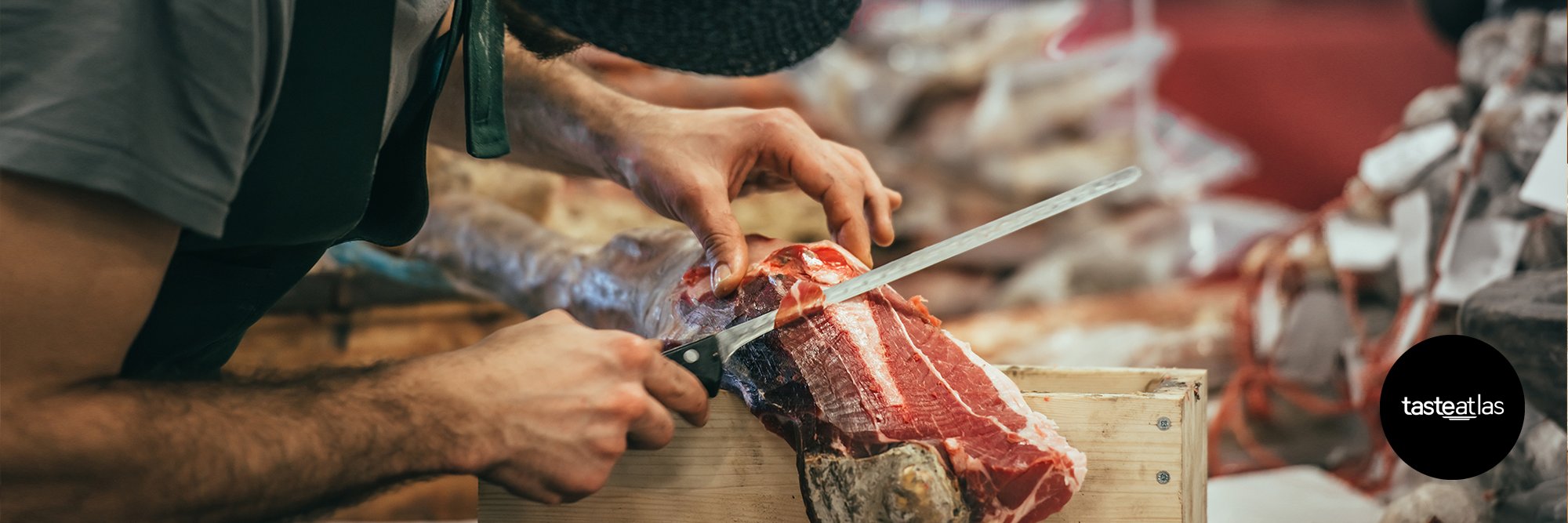
Torik Lakerda 🇹🇷 Taste Turkey: One of Türkiye's most celebrated meze, torik lakerda is made by curing large Atlantic bonito in salt for weeks, creating a firm texture and a rich, savory flavor. Prepared without cooking, it's traditionally sliced by hand and served with red onions, lemon, and olive oil. Once a practical way to preserve fish before refrigeration, lakerda has evolved into a prized delicacy that remains a staple of Turkish seafood culture. Video: Taste Of.turkiye yusup hudaynazarow
TasteAtlas365,046 views • 2 months ago

Tortilla de Rescoldo by Don Andrés 📍Pichilemu, Chile 🇨🇱 Taste Chile: A loaf buried beneath hot ash sounds like a mistake. In rural Chile, it is breakfast. Tortilla de rescoldo is made from wheat flour, lard and salt, then placed directly among the embers until it develops a smoky, charred crust while staying soft and dense inside. Once cooked, the ash is scraped away and the bread is eaten warm, usually with butter, cheese, pebre or eggs. It is an old countryside technique that needs no oven, just a well-managed fire and someone experienced enough to know exactly when the bread is ready. credit: Marcelo Pino
TasteAtlas47,574 views • 10 days ago

Sonoran Burritos at Tradicional sabor de cocorit 🇲🇽 📍 Cócorit, Sonora, Mexico Taste Mexico: In Sonora, the tortilla gets as much attention as the filling. These large flour tortillas are cooked on a hot comal, then filled with beans, cheese and other savory fillings before being folded into burritos. At this stand in Cócorit, you can watch the whole thing happen right in front of you — including the part where a tortilla that looked impossibly big disappears into a few neat folds.
TasteAtlas39,105 views • 9 days ago

Feteer Meshaltet 📍Egypt 🇪🇬 Taste Egypt: With roots tracing back to the Pharaonic era, Feteer Meshaltet is one of Egypt’s most iconic culinary treasures. Originally baked as a sacred offering presented in ancient temples, this flaky, layered pie has endured for thousands of years to become a cornerstone of rural Egyptian gastronomy and a universal symbol of hospitality. Video: @3mshaltat.eg
TasteAtlas66,943 views • 18 days ago

It’s pomegranate season! Across the Mediterranean, the harvest begins in late September and continues through November. In Iran, pomegranate juice is cooked with walnuts in fesenjan; in Turkey and the Levant, it is reduced into a sharp molasses for salads and grilled meat; in India and Pakistan, the dried seeds become the spice anardana. Pomegranates are served during Iran’s Yalda Night, eaten by many Jewish families at Rosh Hashanah as a symbol of abundance, and smashed on Greek doorsteps at New Year for good luck. Credit: @pomegranateasmr
TasteAtlas35,337 views • 10 days ago

Spaghetti alle vongole 📍Naples, Italy 🇮🇹 💯 #4 best clam dish in the world Taste Naples: Quick and easy to prepare, yet packing some serious flavor, spaghetti alle vongole is a traditional Neapolitan dish consisting of only two key ingredients: vongole clams and pasta. However, there is a heated debate considering secondary ingredients, primarily the tomatoes. Purists adore the original dish, made without tomatoes, known as bianco version, while the others prefer a version with crushed tomatoes, or a version with a tomato sauce, known as spaghetti alle vongole con la salsa di pomodoro. Similar issues arise regarding the addition or omission of peperoncino and pepper in the dish. Regardless of these issues, everyone agrees that the pasta should be cooked al dente. Although the dish is best in the summer, when all of the ingredients are as fresh as they might be, it is also one of the most important meals of the traditional Neapolitan Christmas Eve dinner, known as Cena della vigilia di Natale. Video: @marechiarooleggio
TasteAtlas146,094 views • 1 month ago

Sand Roasted Potatoes (Bhuna Aloo) 📍 India 🇮🇳 Taste India: Tossed straight into a massive wok filled with red-hot river sand, whole unpeeled potatoes roast over open flames without a single drop of oil. The scorching sand holds extreme, uniform heat, blistering the outer skins into a smoky crust while steaming the inside into a buttery purée. Once sifted from the hot embers, vendors slice them open and dust them with tangy chaat masala, fresh lime juice, and spoonfuls of fiery coriander chutney. An ancient, zero-oil roasting method that converts humble tubers into an intensely flavorful street snack. Credit: @mfood16_
TasteAtlas63,278 views • 26 days ago

Makroud 📍Algeria 🇩🇿 Taste Algeria: A classic North African pastry made from coarse semolina dough, shaped by hand and filled with a soft date paste. Each piece is fried until golden, then soaked in warm honey scented with orange blossom water. Makroud is especially popular in Algeria and Tunisia, served during holidays and family gatherings as one of the region’s signature sweets. Credits: @gateauxrayane_
TasteAtlas92,710 views • 1 month ago

Steak Tartare 📍 Aix-en-Provence, France 🇫🇷 Explore France: Old-school table-side preparation is a true lost art, and seeing it live at @lecintra_aix is a full culinary show. Finely minced prime beef, capers, shallots, seasonings, and a fresh egg yolk, mixed right before your eyes to absolute perfection. Classic French bistro culture at its finest. Credits: Simonsaystours
TasteAtlas115,063 views • 1 month ago

The 191st Oktoberfest has begun! 📍Munich, Germany 🇩🇪 Oktoberfest, locally called die Wies’n, is the world’s biggest folk festival, starting in mid-September at Munich’s Theresienwiese and lasting 16 to 18 days. The festival opens with "O’zapft is," the tapping of the first beer keg, and serves only Munich-brewed beers like Augustiner, Paulaner, Hofbräu, Löwenbräu, and Spaten. Visitors usually wear traditional lederhosen and dirndl dresses and enjoy their beers next to tasty local delicacies. Video: Oktoberfest
TasteAtlas29,702 views • 15 days ago