Auschwitz Memorial
@AuschwitzMuseum • 1,433,874 subscribers
Former German Nazi concentration & extermination camp Auschwitz. Official account. We commemorate victims, educate about history & preserve the authentic site.
Shorts

Videos

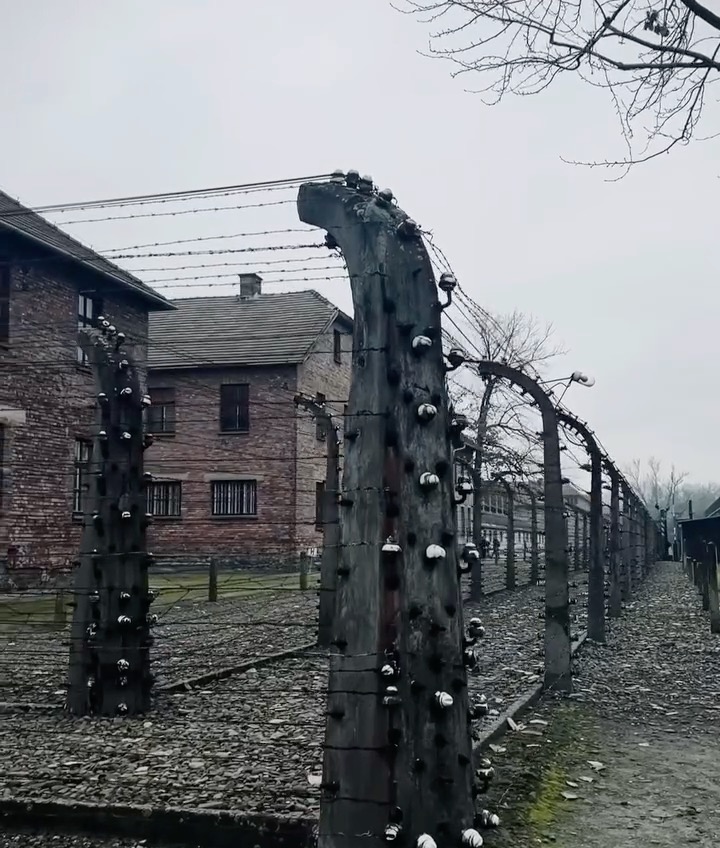
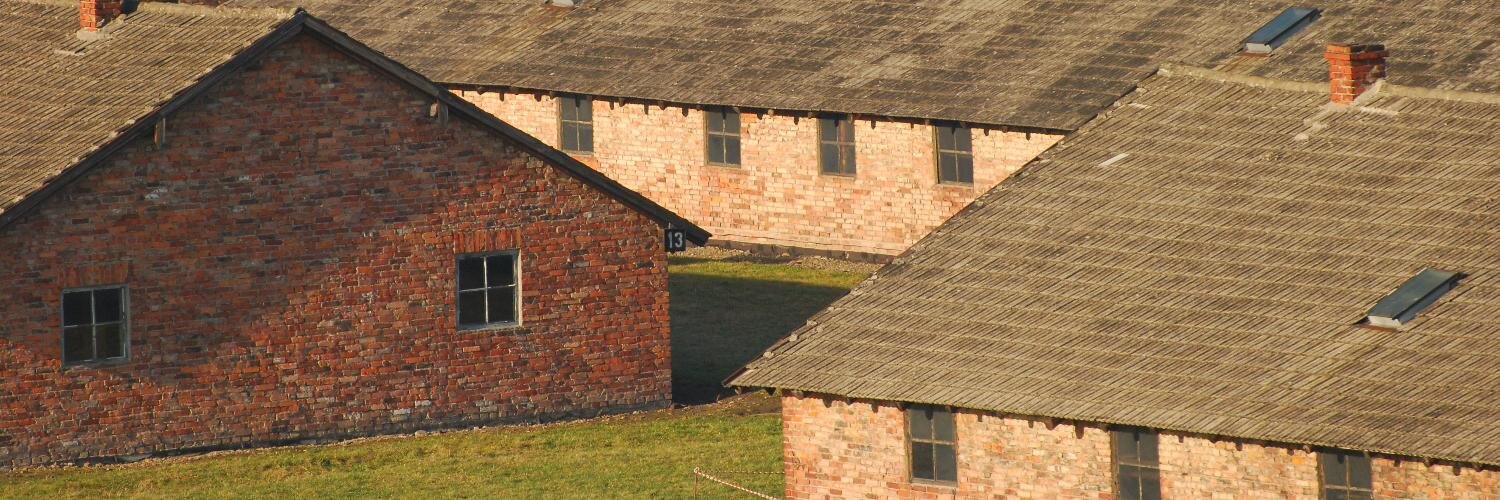
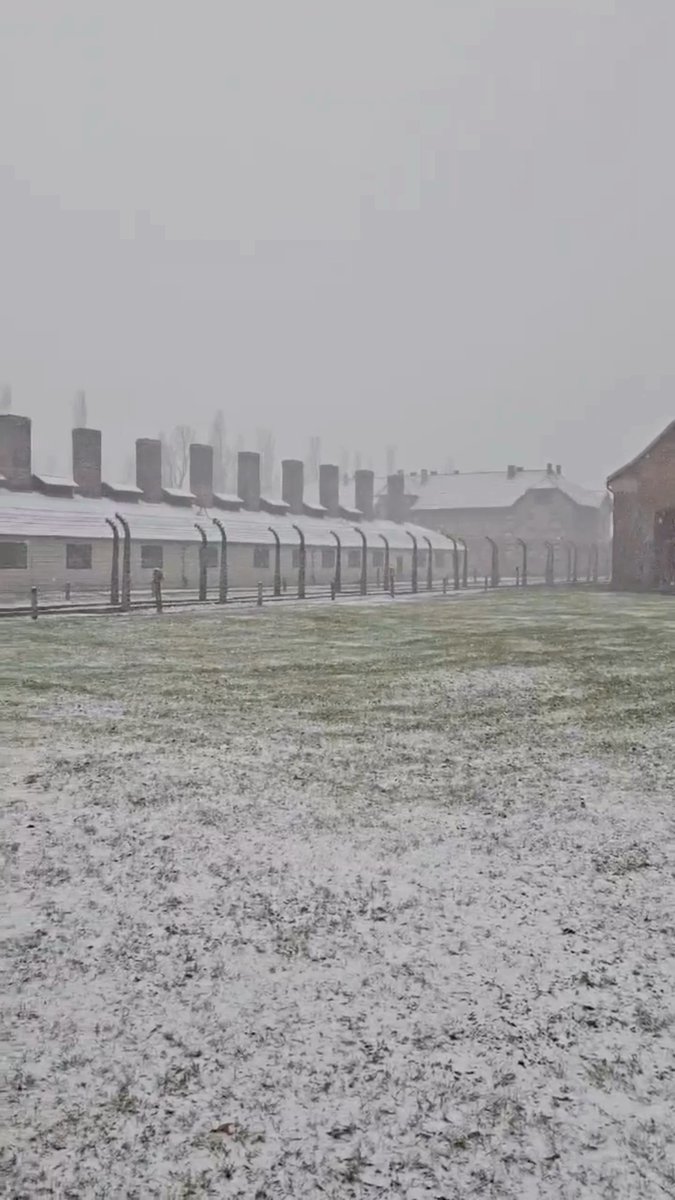
📷 The double barbed-wire fences of the Auschwitz I camp. The electrified fences were part of the camp's security system, created to make any escape impossible. Behind the fences are brick barracks for prisoners. A short video about the history of the Auschwitz camp: --- Video:
Auschwitz Memorial805,772 Aufrufe • vor 9 Monaten
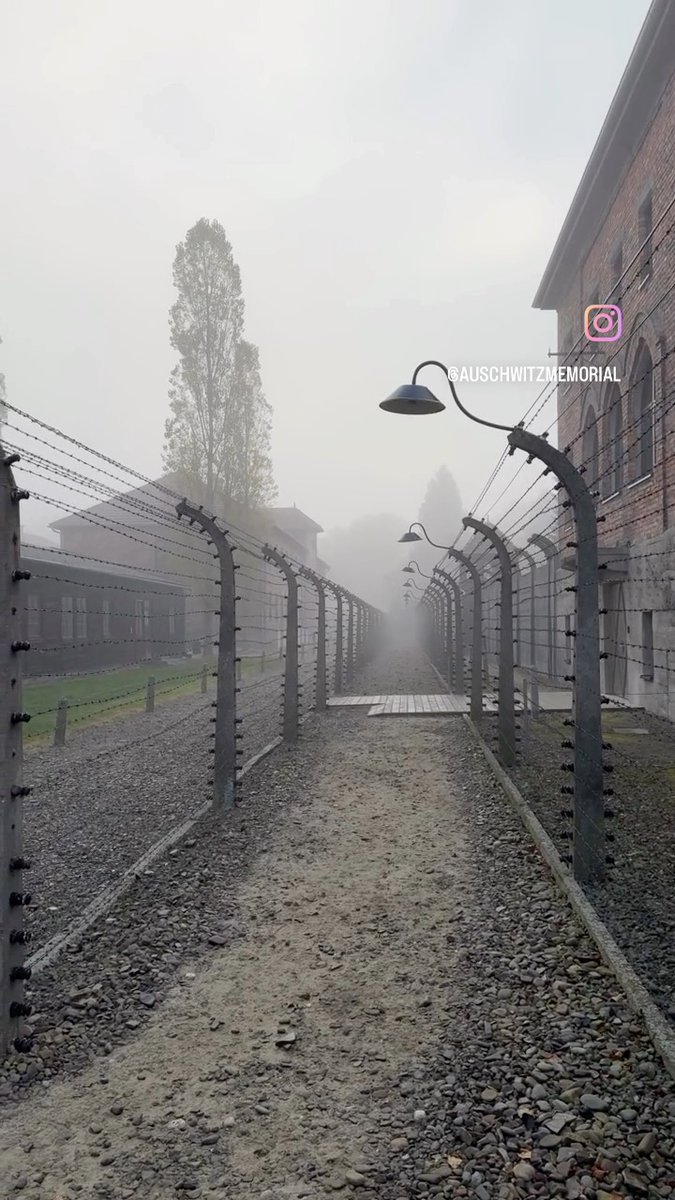
Auschwitz I camp was surrounded by a double barbed wire fence installed on 3.3 m high concrete posts. Under the fence, approx. Concrete slabs were put 1 meter deep to prevent the prisoners from digging tunnels. The SS men guarded the camp perimeter using several watch towers, 7 and 11 meters high.
Auschwitz Memorial642,900 Aufrufe • vor 1 Jahr

On January 27, 2025, join us in commemorating the 80th anniversary of the liberation of #Auschwitz. We encourage schools and institutions to use our live broadcast. It will be available with English translation on the Auschwitz Museum’s YouTube channel: Listen to an invitation by the Auschwitz-Birkenau Memorial and Museum director, Dr. Piotr M. A. Cywiński. Let’s come together to remember the past and inspire a more responsible future. --- #Auschwitz80
Auschwitz Memorial489,288 Aufrufe • vor 1 Jahr
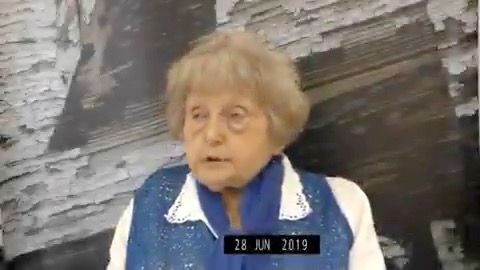

#Newpodcast The Auschwitz camp was liberated on January 27, 1945, by soldiers of the Red Army. Well-known are the scenes captured by Soviet cameramen, which, although not showing the exact moment of liberation, are important documents revealing the crimes committed by the Germans in Auschwitz. It is essential to remember that some of the film material was created for propaganda purposes. Edyta Chowaniec from the Film Archive of the Museum explains the circumstances of the creation of the so-called Auschwitz Liberation Chronicle. Listen to the podcast: --- We wish to thank Jonathan Jetter from the Right Angle Productions & Brooke Stocken for their help in production of the English version of the podcast.
Auschwitz Memorial314,726 Aufrufe • vor 2 Jahren
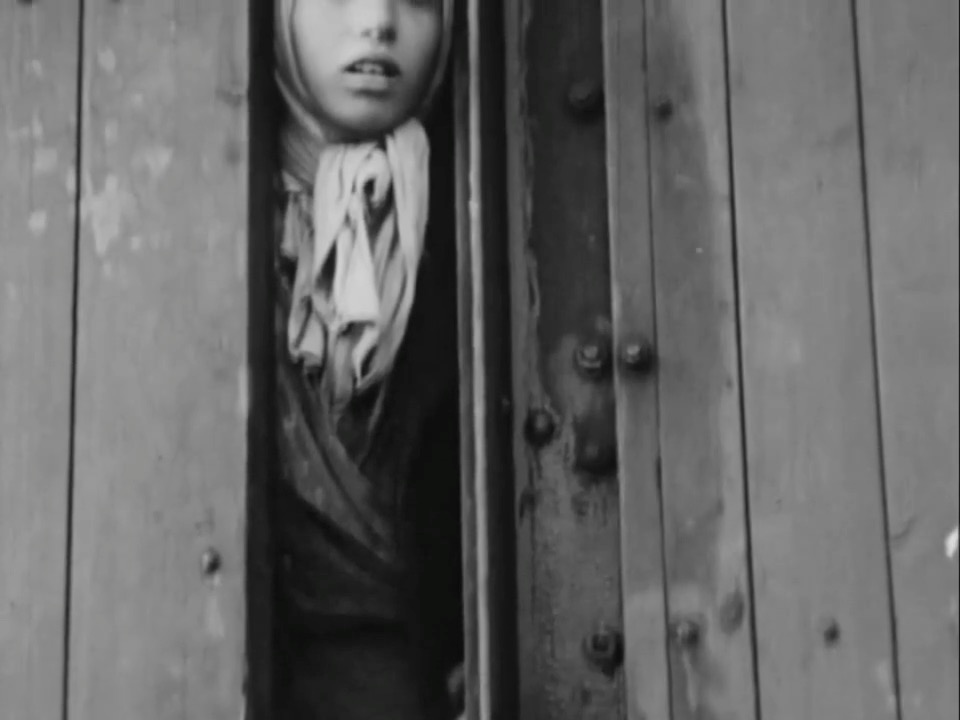
19 May 1944 | 9-year-old Anna Maria (Settela) Steinbach was deported together with 244 other Roma from Westerbork to Auschwitz. She was filmed by Rudolf Breslauer. Setella was murdered in Auschwitz together with her mother, two brothers, two sisters, aunt & two nephews. The Roma people were considered enemies of the Third Reich, condemned to be isolated and ultimately murdered. Some 23,000 Roma & Sinti were incarcerated in Auschwitz. 91 percent of them were murdered in the camp.
Auschwitz Memorial53,521 Aufrufe • vor 4 Monaten
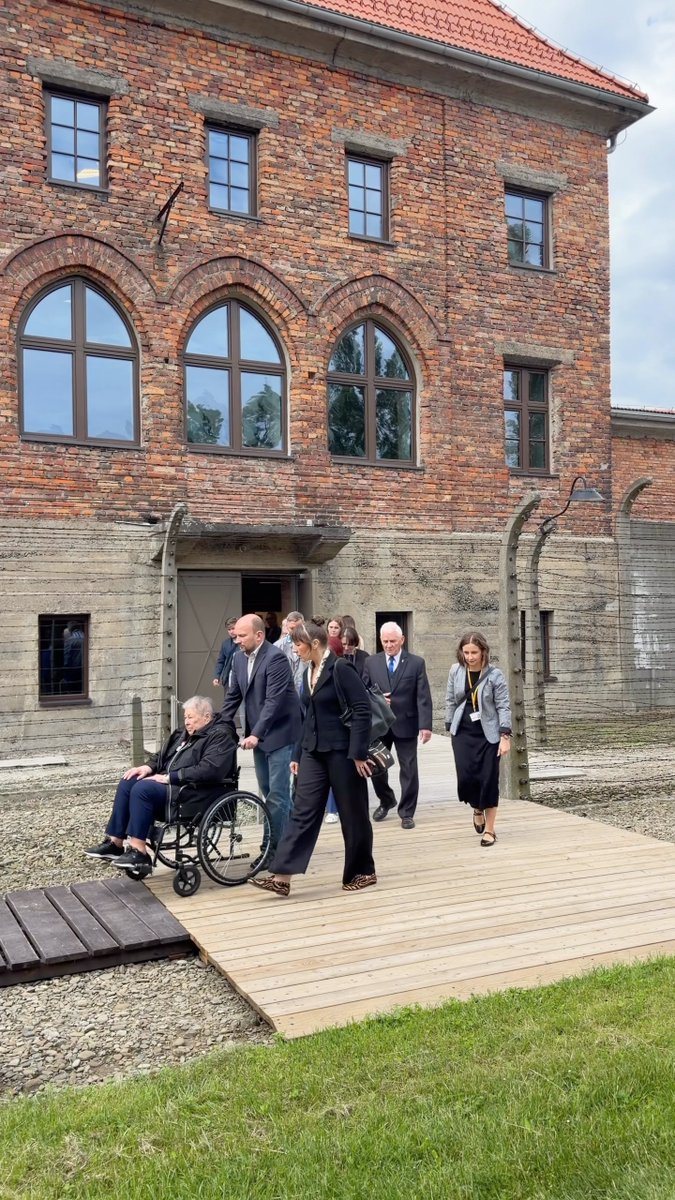
Auschwitz Survivors commemorated the 86th anniversary of the deportation of the first group of Polish prisoners to the camp. This moment marked the beginning of the operation of this German Nazi concentration camp, which later became also an extermination center.
Auschwitz Memorial43,520 Aufrufe • vor 3 Monaten
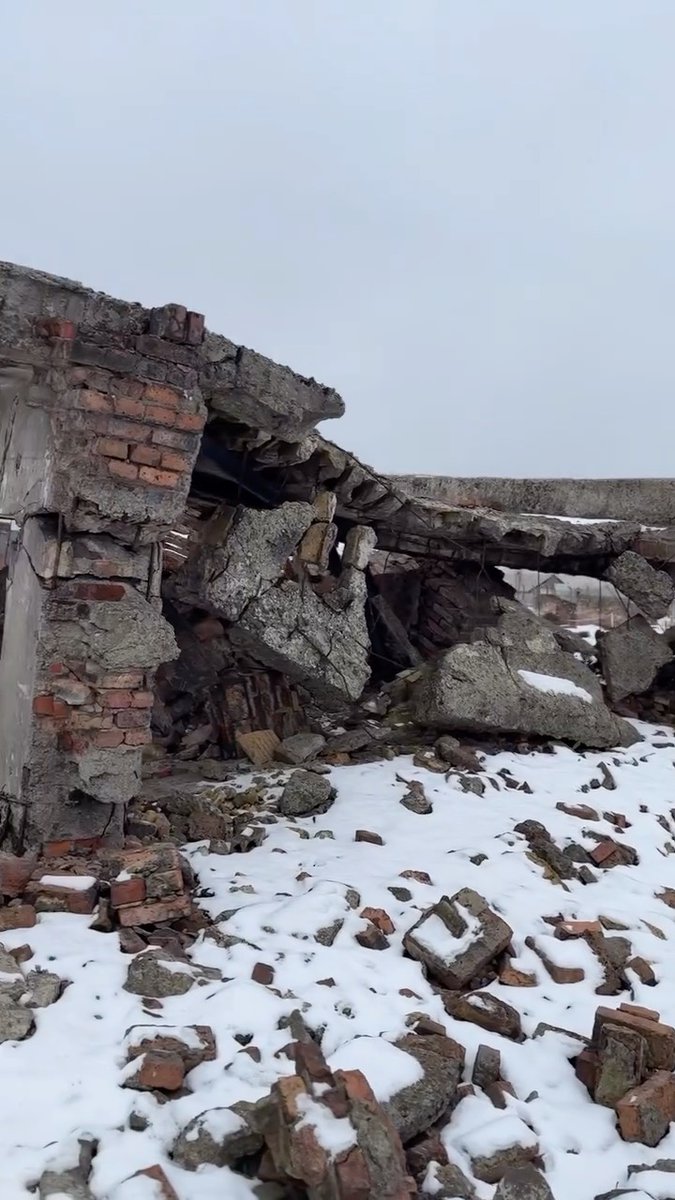
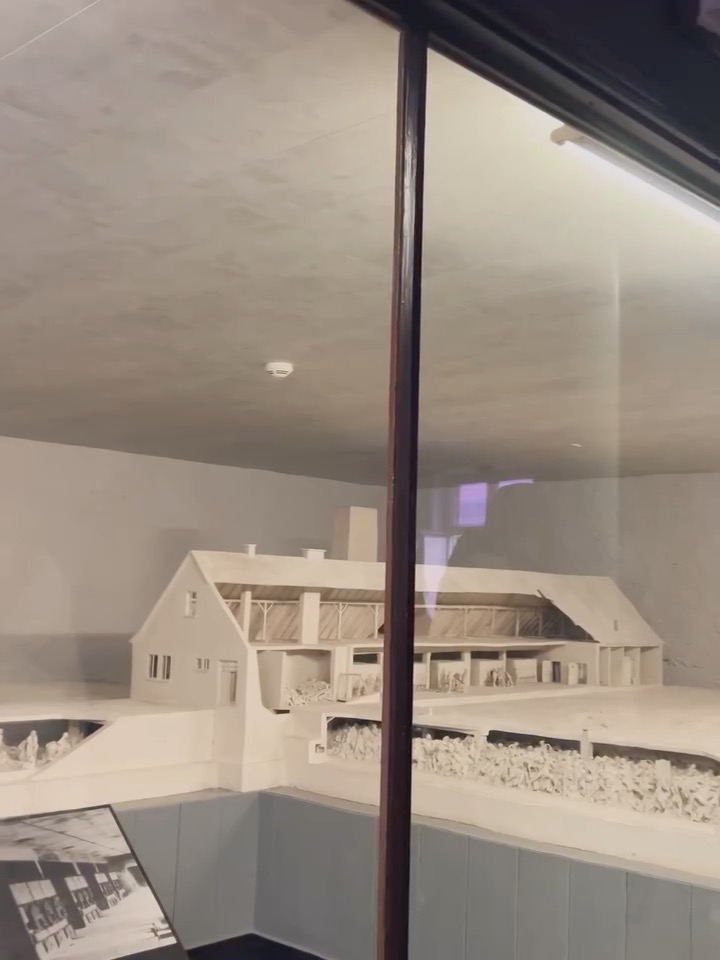
📷 The ruins of the gas chamber and crematorium II at the Auschwitz II-Birkenau site. The remains of the crematorium hall. The crematorium was equipped with five 3-muffle ovens that could burn 1,440 corpses every 24 hours. ▶ Watch a short video about gas chambers and crematoria of the Auschwitz camp: --- Video:
Auschwitz Memorial78,400 Aufrufe • vor 8 Monaten

Auschwitz I. Block 10 A block in which, from April 1943, the gynecologist Carl Clauberg’s experimental station was located. From 150 to 400 Jewish women were quartered there, and he conducted sterilization experiments on them. They were officially listed in the camp records as “female prisoners for experimentation.” Some of them died during the experiments, and many were specially put to death for autopsy purposes. The windows of the building, looking out on the courtyard of Block 11 where the Death Wall was located, were permanently covered with wooden panels so that the women could not observe the executions taking place there. In May 1944, the experimental station was moved to the so called camp extension. This historical building awaits a conservation process.
Auschwitz Memorial143,992 Aufrufe • vor 1 Jahr
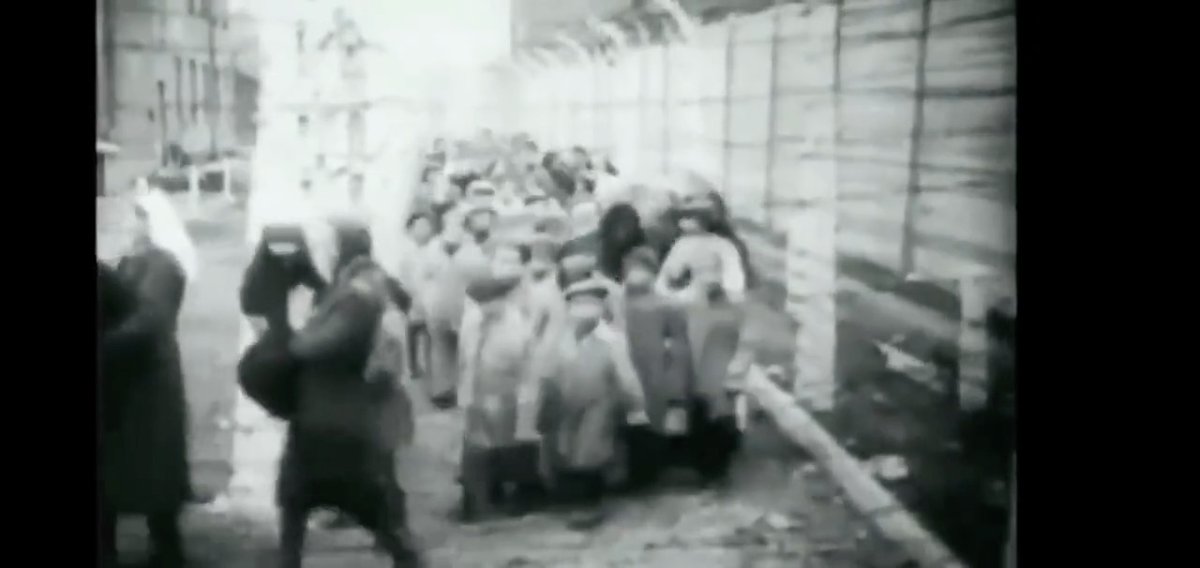
"On Auschwitz" podcast: the film chronicle of liberation of Auschwitz The Auschwitz camp was liberated on January 27, 1945, by soldiers of the Red Army. Well-known are the scenes captured by Soviet cameramen, which, although not showing the exact moment of liberation, are important documents revealing the crimes committed by the Germans in Auschwitz. It is essential to remember that some of the film material was created for propaganda purposes. Edyta Chowaniec from the Film Archive of the Museum explains the circumstances of the creation of the so-called Auschwitz Liberation Chronicle. Listen to the podcast: --- We wish to thank Jonathan Jetter from the Right Angle Productions & Brooke Stocken for their help in production of the English version of the podcast.
Auschwitz Memorial142,262 Aufrufe • vor 1 Jahr
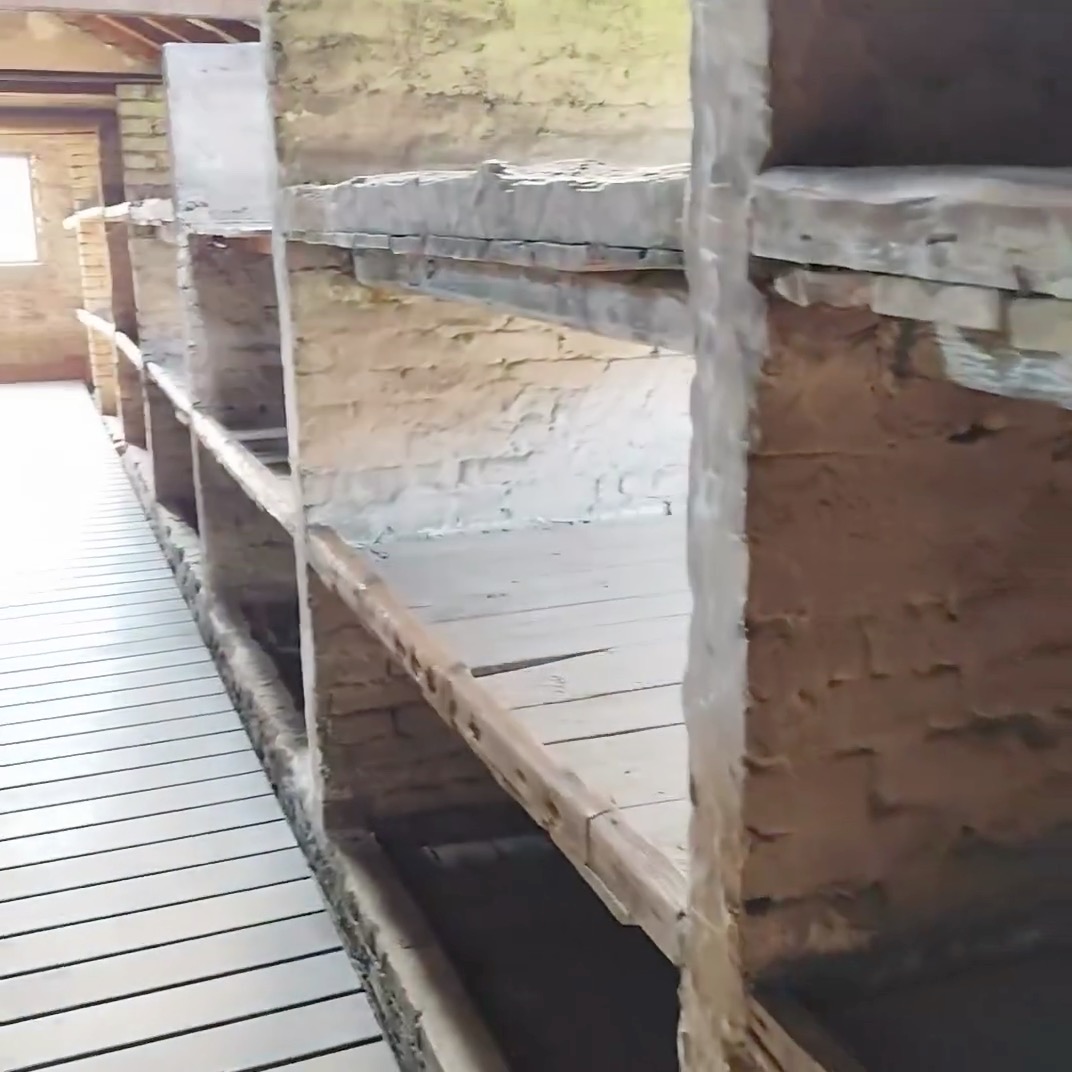
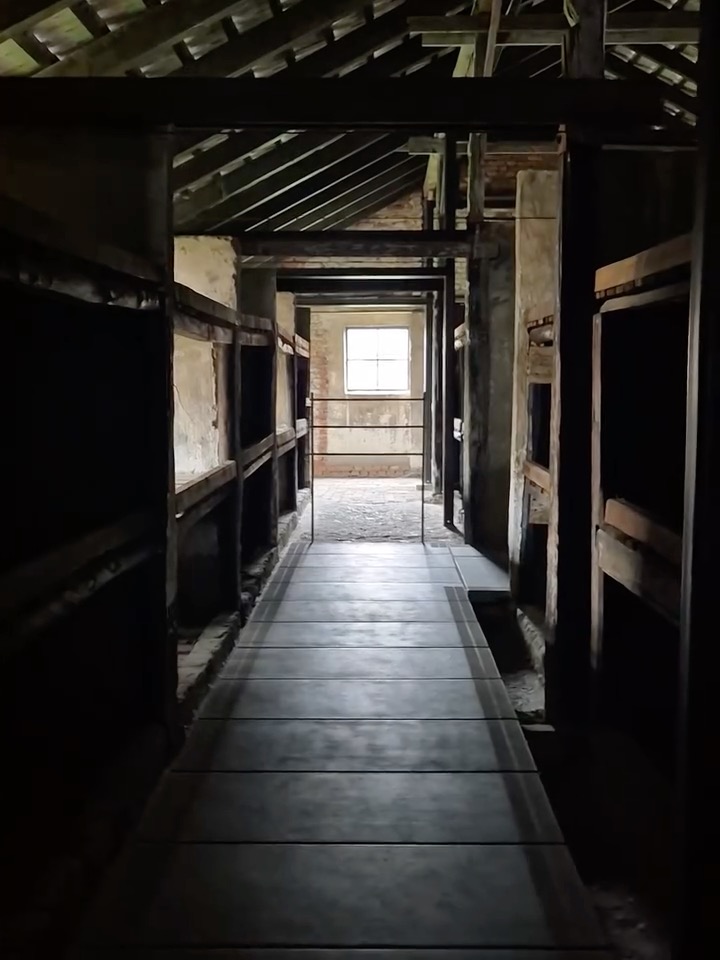
Inside a brick barracks for prisoners at Auschwitz II-Birkenau. Sixty brick partitions, each with three levels of bunks, created 180 bunks, on each of which four people were to sleep. According to SS plans, each of these barracks was to house over 700 prisoners. Initially, these blocks had dirt floors, but with time, they were covered with a layer of bricks or concrete. (Video:
Auschwitz Memorial90,946 Aufrufe • vor 1 Jahr
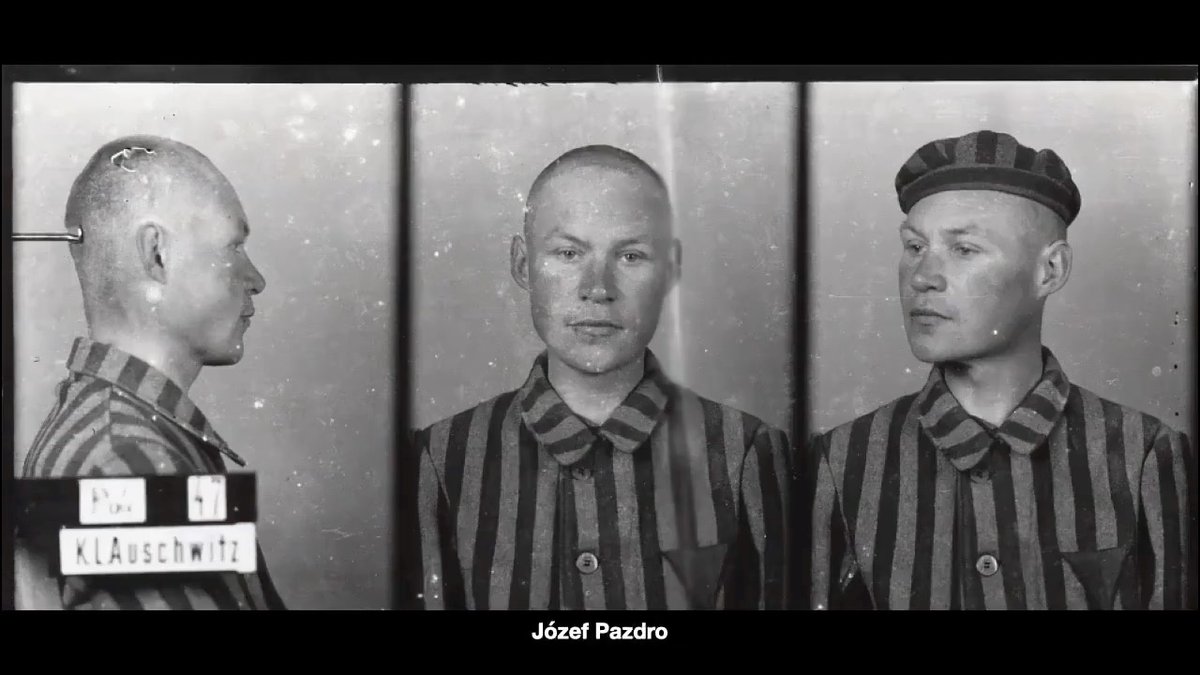
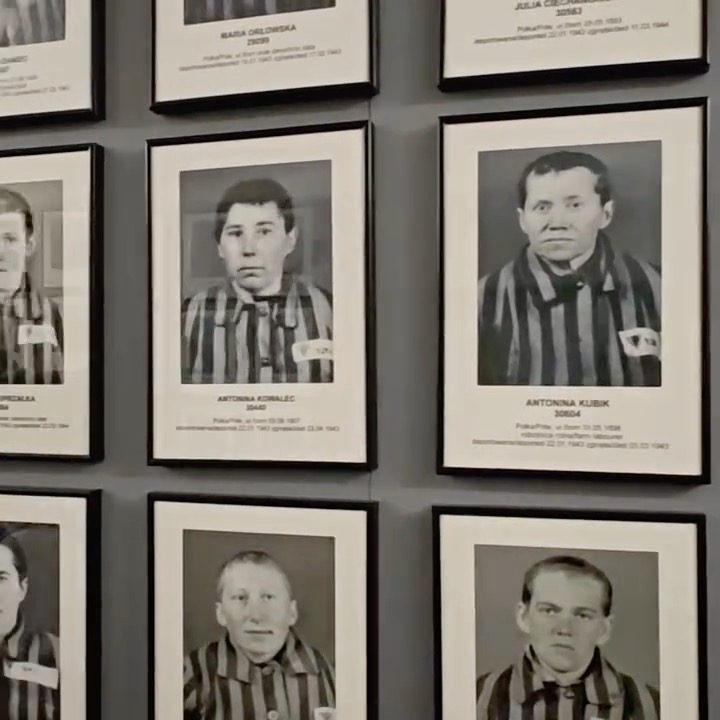
14 June 1940 | The Germans transferred a group of 728 Polish men from the prison in Tarnów to the newly established Auschwitz concentration camp. The group included soldiers of the September campaign, members of independence underground organisations, school pupils and students, and a small group of Polish Jews. They were given numbers from 31 to 758. This event is considered to be the beginning of the operation of this German Nazi concentration camp that less than two years later was transformed and also became an extermination camp. Of the 728 deported prisoners deported on 14 June 1940, 325 survived the war, 292 perished, while the fate of 111 is unknown to date. 223 registration photographs of them are preserved in the Archives of the Auschwitz Memorial. In the video below, you can see all of them.
Auschwitz Memorial24,964 Aufrufe • vor 3 Monaten
The gallows in front of the camp kitchen building at Auschwitz I site. On 19 July 1943, 12 Polish prisoners from the surveying unit were executed there. They were condemned for helping three other prisoners from the surveying squad in their escape in mid-January 1943. They were: Stanisław Stawiński (No. 6569), Czesław Marcisz (No. 26891), Janusz Skrzetuski-Pogonowski (No. 253), Edmund Sikorski (No. 25419), Jerzy Woźniak (No. 35650), Józef Wojtyga (No. 24740), Zbigniew Foltański (No. 41664), Bogusław Ohrt (No. 367), Leon Rajzer (No. 399), Tadeusz Rapacz (No. 36043), Józef Gancarz (No. 24538) and Mieczysław Kulikowski (No. 25404). The nooses were placed around the necks of the prisoners. The camp commandant Rudolf Höss stepped forward from the group of SS men present and started to read the sentences. He did not finish. Janusz Skrzetuski, as an expression of protest, pushed away the stool on which he was standing and hanged himself. SS officers then ran to the condemned men, yanked the stools from under their feet, and finished the execution.
Auschwitz Memorial105,139 Aufrufe • vor 1 Jahr

Impressions of the Auschwitz I site by Watch a short video about the expansion of Auschwitz I camp: — A visit to the Auschwitz Memorial is far more than a history lesson. It is a profound personal experience that should inspire reflection on our individual moral responsibility for the world we live in. Entry cards: If you took photographs or videos during your visit to the Memorial and would like to share them with others, you are welcome to send them to us in a Direct Message.
Auschwitz Memorial20,662 Aufrufe • vor 3 Monaten

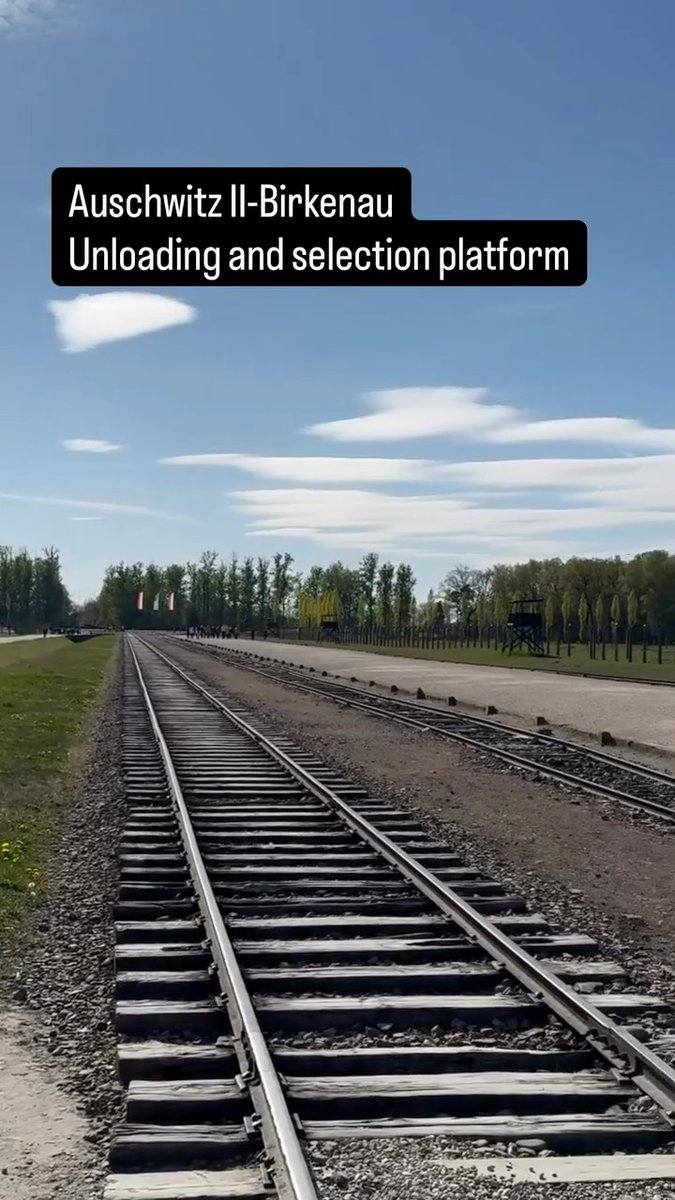
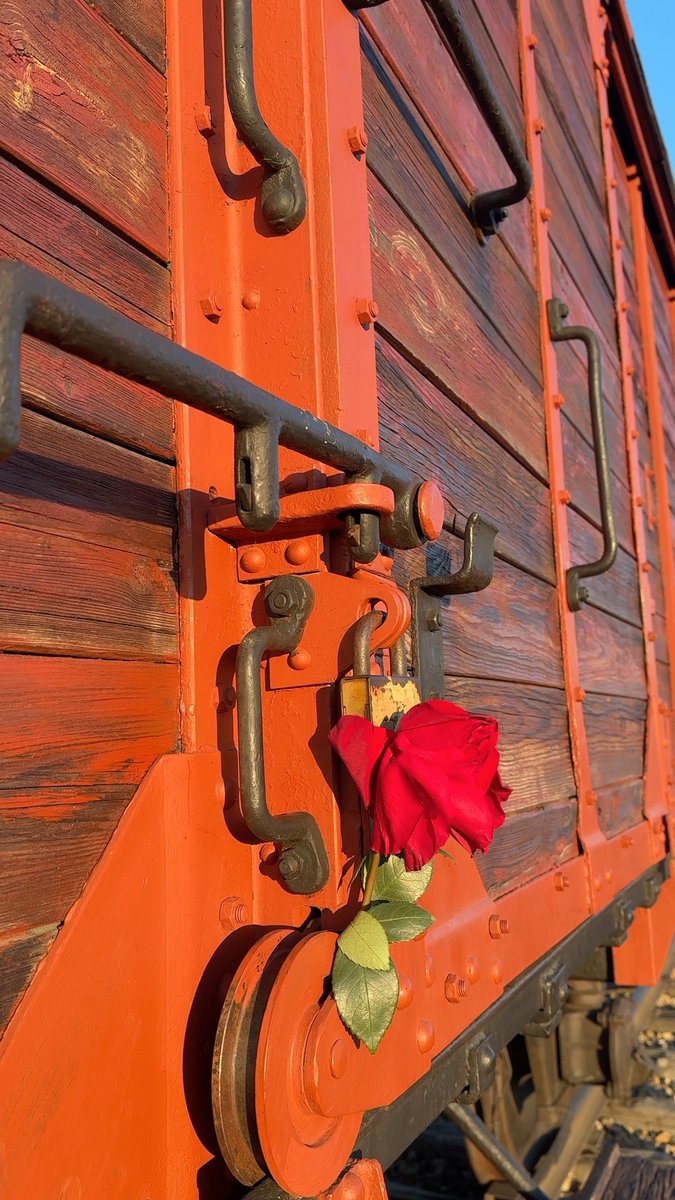
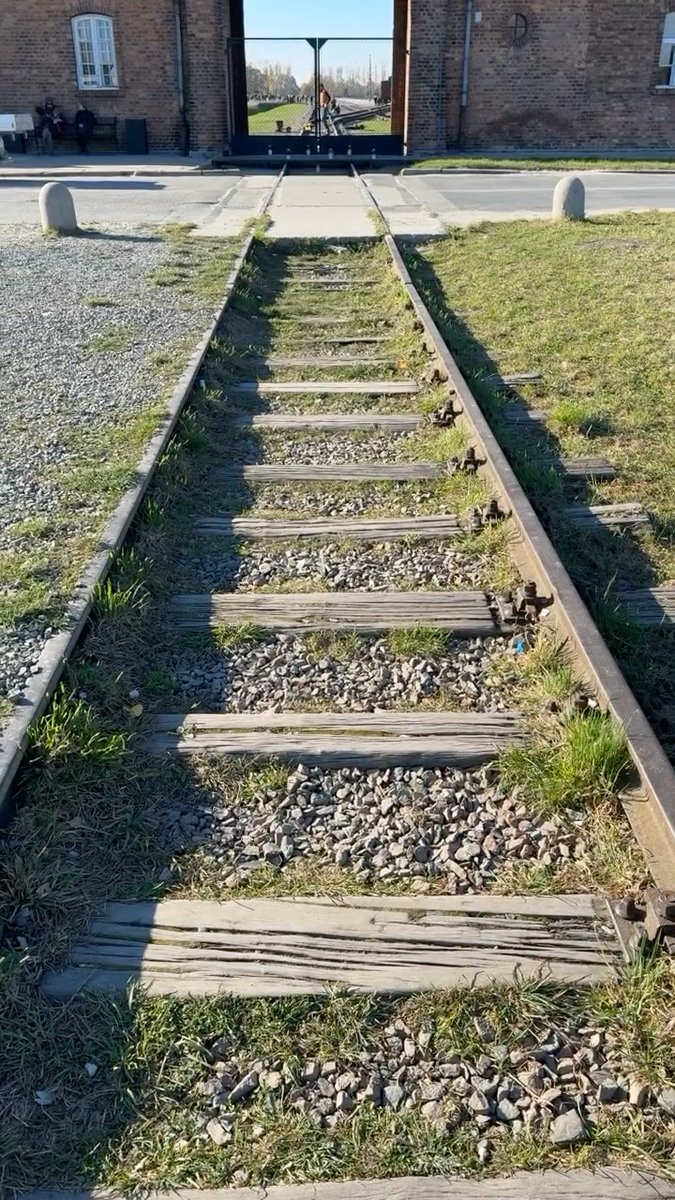
The platform and rail spur inside Auschwitz II-Birkenau, which was put into operation in May 1944. Jews who were deported to the camp underwent the arrival selection there made by SS doctors. Most of them were immediately murdered in gas chambers. ▶ Watch a video about the ramps of the camp:
Auschwitz Memorial41,529 Aufrufe • vor 8 Monaten