

Council on Foreign Relations
@CFR_org • 579,477 subscribers
Foreign policy news and analysis. CFR takes no institutional positions on policy. Follows, RT ≠ endorsements. ✉️ Subscribe for more: https://t.co/ehd5lKYrLs
Videos
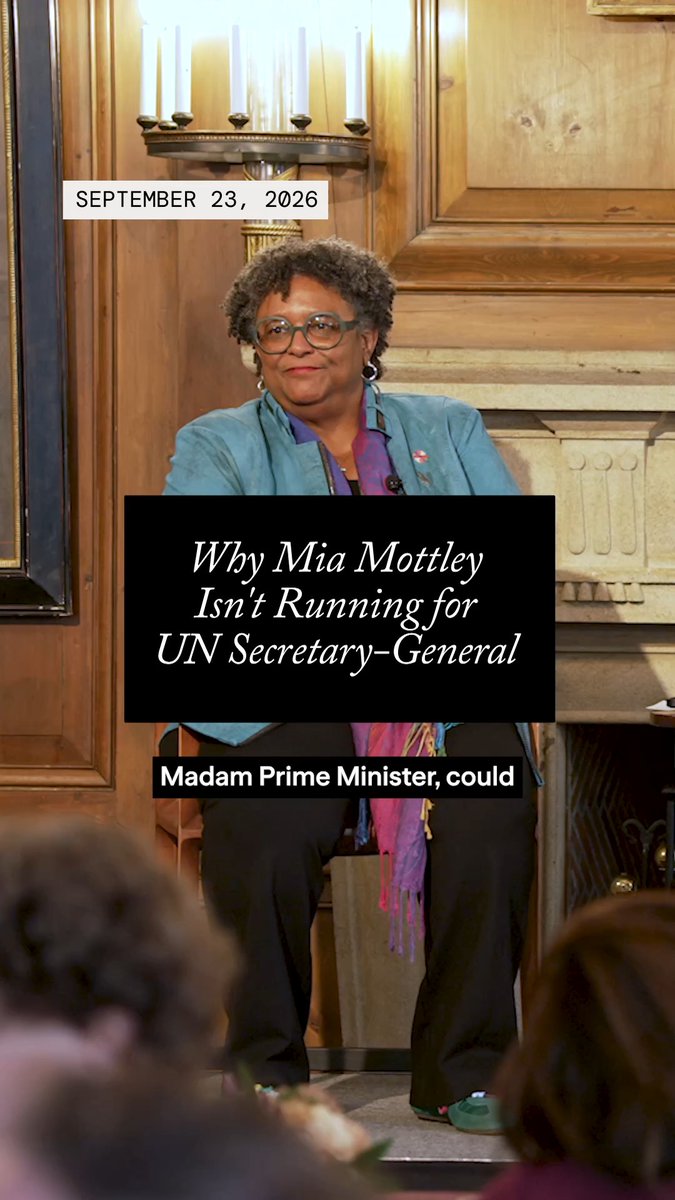
“I have a country to run and a region to take care of,” says Prime Minister of Barbados Mia Amor Mottley, after being asked why she chose not to be a candidate for UN secretary-general. Mottley cites her obligations to her home country and region, and notes that she’s “not sure that the world wants somebody whose tongue is as heavy as mine.” Watch her conversation at CFR with former U.S. Ambassador to the United Nations Linda Thomas-Greenfield:
Council on Foreign Relations84,635 次观看 • 3 天前
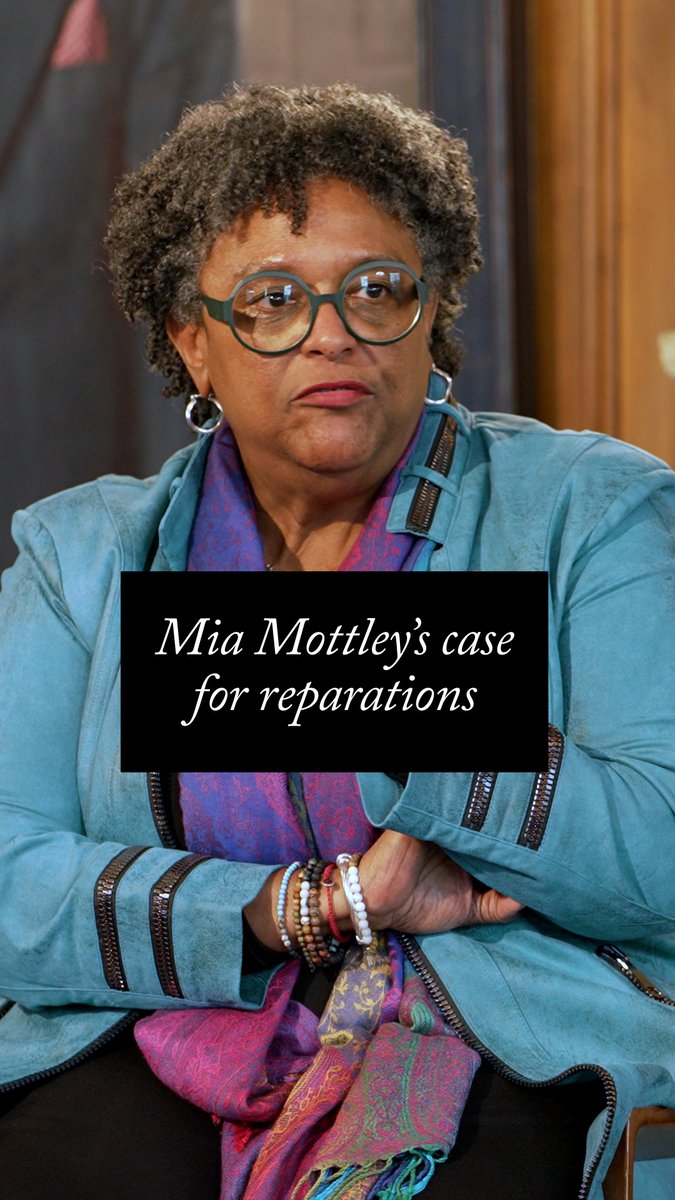
“When the British abolished slavery, they compensated the slave owners with 20 million pounds in 1834,” notes Mia Amor Mottley, prime minister of Barbados, as part of her case for reparations. “We have borne double jeopardy,” Mottley says, “blood, sweat, and tears to create the Industrial Revolution, and . . . now to be its victims on the front line of a climate crisis.” Watch her conversation at CFR with former U.S. Ambassador to the United Nations Linda Thomas-Greenfield:
Council on Foreign Relations49,656 次观看 • 2 天前
![“When Mark Carney said, ‘The middle powers should get together’—it’s a fantasy. They did that, it’s called Europe,” says Jamie Dimon, chairman and CEO of JPMorganChase. “The GDP of Europe has gone from 90% of America to 70%. And in our view, it will probably continue to erode over time because [of] high taxes. 🔗 Watch the full conversation:](https://image.24vids.com/tw-2069862117017002302/media/HLmgm5FXMAA-_YX.jpg)
“When Mark Carney said, ‘The middle powers should get together’—it’s a fantasy. They did that, it’s called Europe,” says Jamie Dimon, chairman and CEO of JPMorganChase. “The GDP of Europe has gone from 90% of America to 70%. And in our view, it will probably continue to erode over time because [of] high taxes. 🔗 Watch the full conversation:
Council on Foreign Relations662,796 次观看 • 3 个月前
![“So either [Joe Kent] was lying then or he’s lying now or, most likely, because he’s not a principal, he’s not a cabinet member, he is not in those meetings where that exquisite intelligence is provided. He said, ‘Iran has to be dealt with. The president is correct,’ a scant few weeks ago,” argues Sebastian Gorka, deputy assistant to the president and senior director for counterterrorism at the National Security Council, in response to Joe Kent’s resignation as director of the U.S. National Counterterrorism Center. Watch the full conversation at CFR:](https://image.24vids.com/tw-2035151407267877315/media/HD5PZq3W8AAMesq.jpg)
“So either [Joe Kent] was lying then or he’s lying now or, most likely, because he’s not a principal, he’s not a cabinet member, he is not in those meetings where that exquisite intelligence is provided. He said, ‘Iran has to be dealt with. The president is correct,’ a scant few weeks ago,” argues Sebastian Gorka, deputy assistant to the president and senior director for counterterrorism at the National Security Council, in response to Joe Kent’s resignation as director of the U.S. National Counterterrorism Center. Watch the full conversation at CFR:
Council on Foreign Relations267,540 次观看 • 6 个月前
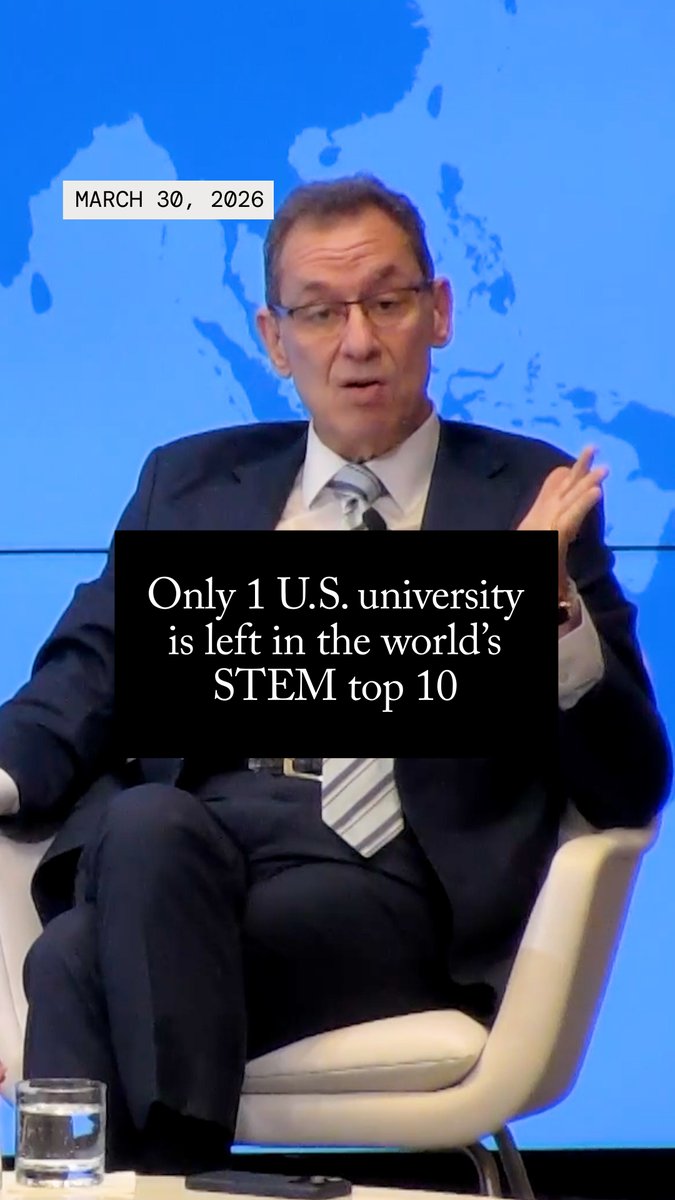
“5 years ago, in the top 10 would be 8 U.S. universities, 1 from France, and 1 from Germany and/or the UK, depending on the count. Right now, if you see the same index in 2025, 8 of the top are Chinese and only 1—Harvard—remains,” says Albert Bourla, chairman and CEO of Pfizer, Inc. Bourla refers to the Nature Index, a ranking of universities and institutions by their contributions to high-quality scientific research in the natural sciences. 🔗 Watch the full conversation:
Council on Foreign Relations218,454 次观看 • 6 个月前

As the United States celebrates its 250th anniversary this year, CFR asked foreign policy experts about moments in American history that changed the world. CFR expert Alice Hill calls the Louisiana Purchase “perhaps the most consequential real estate deal in the history of the world,” noting that it roughly doubled the size of the young republic, funded Napoleon's conquests, and gave the United States the agricultural and industrial foundation it needed to become the world's largest economy. At the same time, Hill emphasizes that the purchase came at a steep cost to Native American populations in the region.
Council on Foreign Relations17,900 次观看 • 15 天前
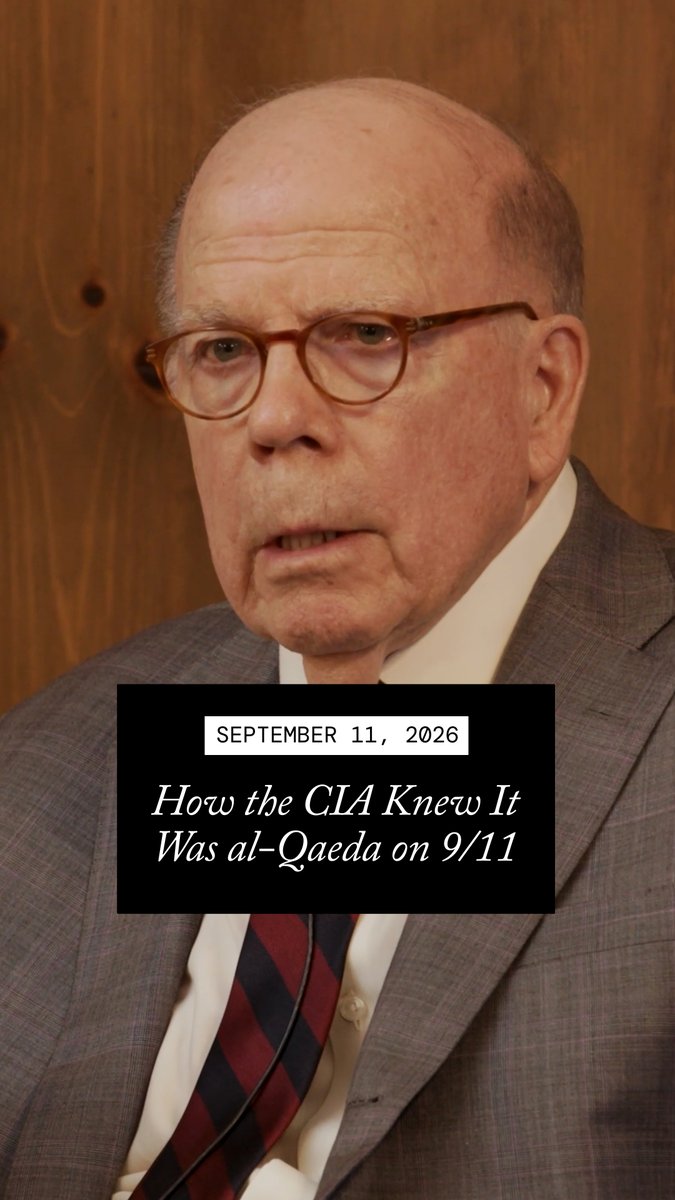
“An analyst came running in with a manifest from one of the planes,” says John E. McLaughlin, former acting director of the Central Intelligence Agency. “We recognized two names on that list as al-Qaeda people,” McLaughlin says, recalling the moment the CIA identified the 9/11 attacks as an al-Qaeda operation. CFR hosted John B. Bellinger III, Jane Harman, Paul D. Wolfowitz, and John E. McLaughlin for a discussion on the real-time impact of 9/11, as well as the enduring policy changes that came in its aftermath. Watch the full conversation here:
Council on Foreign Relations16,802 次观看 • 16 天前
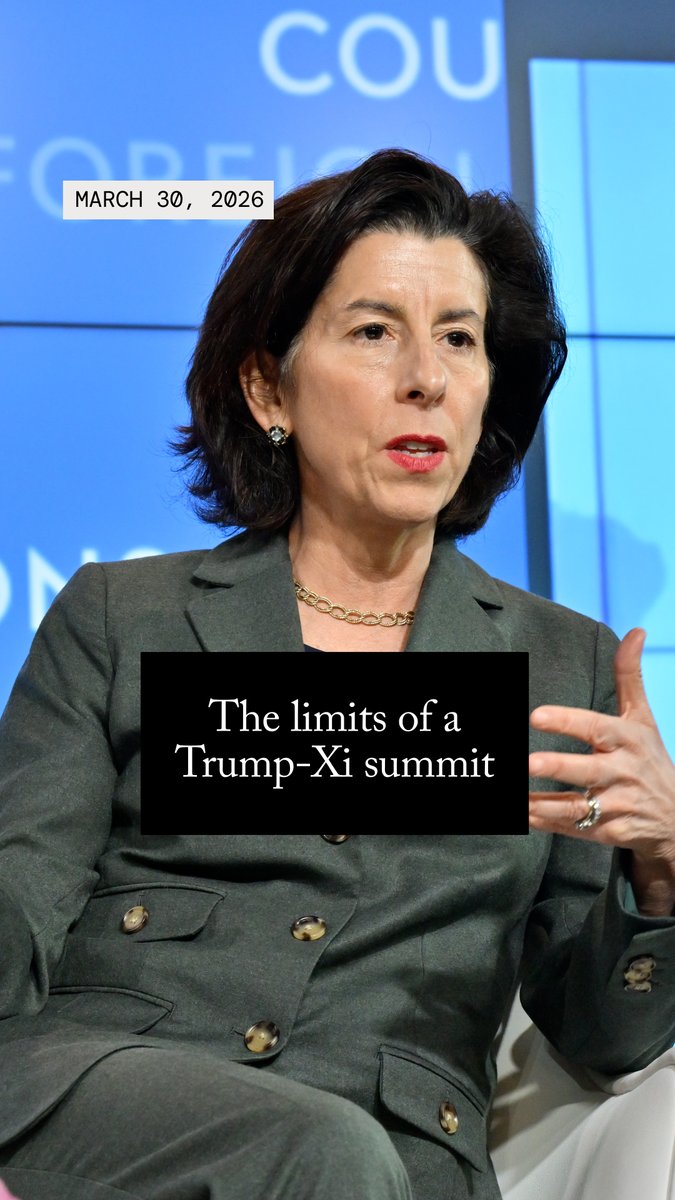
“I have had to look President Xi in the eye and say, ‘President, America’s national security is not for sale. Period. Full stop,’” says Gina Raimondo, CFR expert and former U.S. secretary of commerce. “The truth of it is, their interests are opposed to ours. Right? Like they want to control their supply chain. They want to use critical minerals as leverage over us. They want and will take Taiwan. We want the opposite.” 🔗 Watch the full conversation:
Council on Foreign Relations138,920 次观看 • 5 个月前
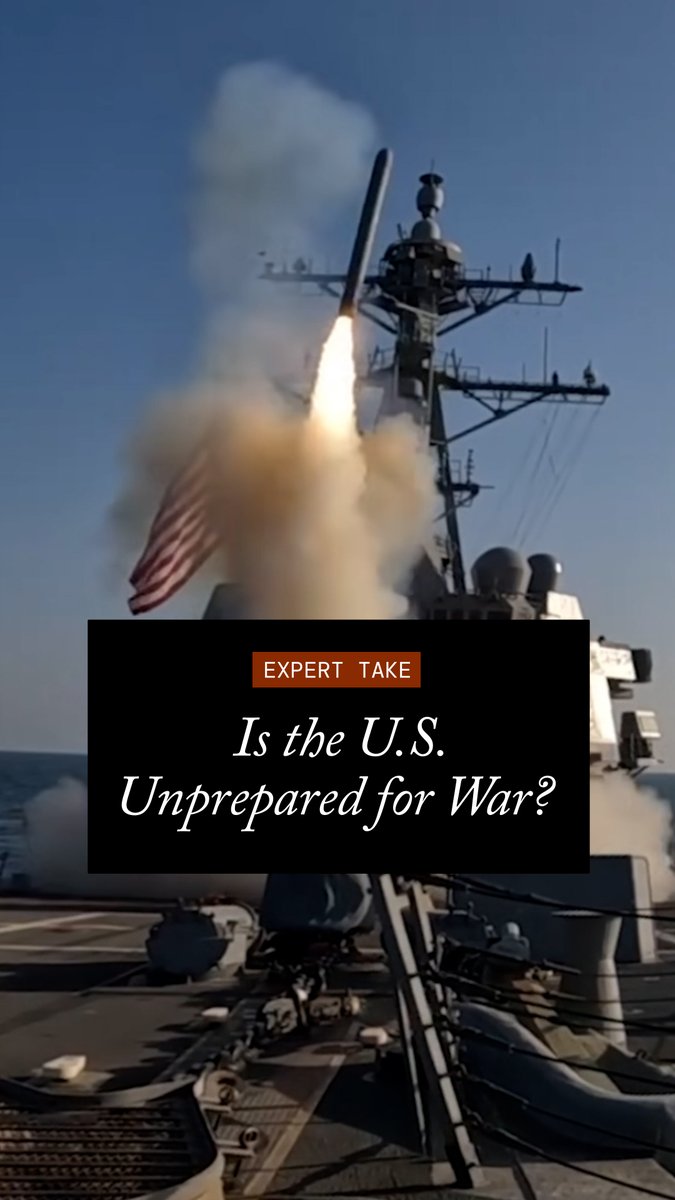
The U.S. weapons arsenal has been depleted and no longer has the capacity to deter a Chinese attack against Taiwan, a new CFR report says. To address this vulnerability, the United States must rapidly implement policy reforms to enable the production and fielding of precise mass systems—an emerging class of military capabilities that includes drones, sensors, and enabling technologies—which represent the only viable means of maintaining peace through strength in the Indo-Pacific, the report contends. "Washington needs to immediately put production of precise mass on a wartime footing. Waiting until conflict begins will be too late." Read the full analysis by CFR experts Rush Doshi, Erin D. Dumbacher, William Henagan, Michael C. Horowitz, and Sam Henry Lazarus:
Council on Foreign Relations32,145 次观看 • 1 个月前
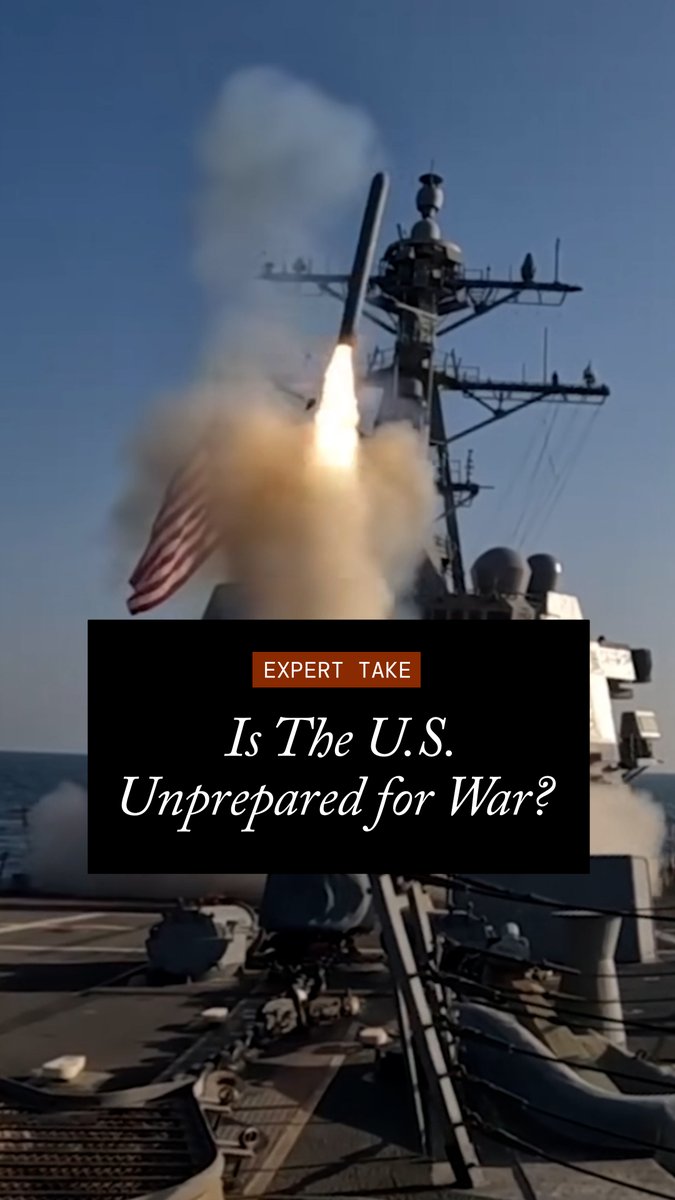
The U.S. weapons arsenal has been depleted and no longer has the capacity to deter a Chinese attack against Taiwan, a new CFR report says. The U.S.-Israeli war with Iran has severely diminished stocks of critical munitions—including air defense interceptors and precision-guided munitions—and efforts by the government and industry to replenish them will take years to bear fruit. To address this vulnerability, the United States must rapidly implement policy reforms to enable the production and fielding of precise mass systems—an emerging class of military capabilities that includes drones, sensors, and enabling technologies—which represent the only viable means of maintaining peace through strength in the Indo-Pacific, the report contends. "Washington needs to immediately put production of precise mass on a wartime footing. Waiting until conflict begins will be too late." Read the full report by CFR experts Rush Doshi, Erin D. Dumbacher, William Henegan, Michael C. Horowitz, and Sam Henry Lazarus:
Council on Foreign Relations31,803 次观看 • 1 个月前

America’s global role is more contested and uncertain than at any time since World War II, and the time is ripe for a fundamental reevaluation of the nation’s strategy. To meet this moment, the Council on Foreign Relations is launching the Future of American Strategy Initiative, a multiyear effort that aims to answer one defining question: Where does America go from here? To kickstart this conversation, CFR scholars, across 27 essays, explore the evolving strategic environment the United States will face over the next decade, spanning American strategy, great power rivalry, global order, geoeconomics, and warfare:
Council on Foreign Relations89,558 次观看 • 4 个月前
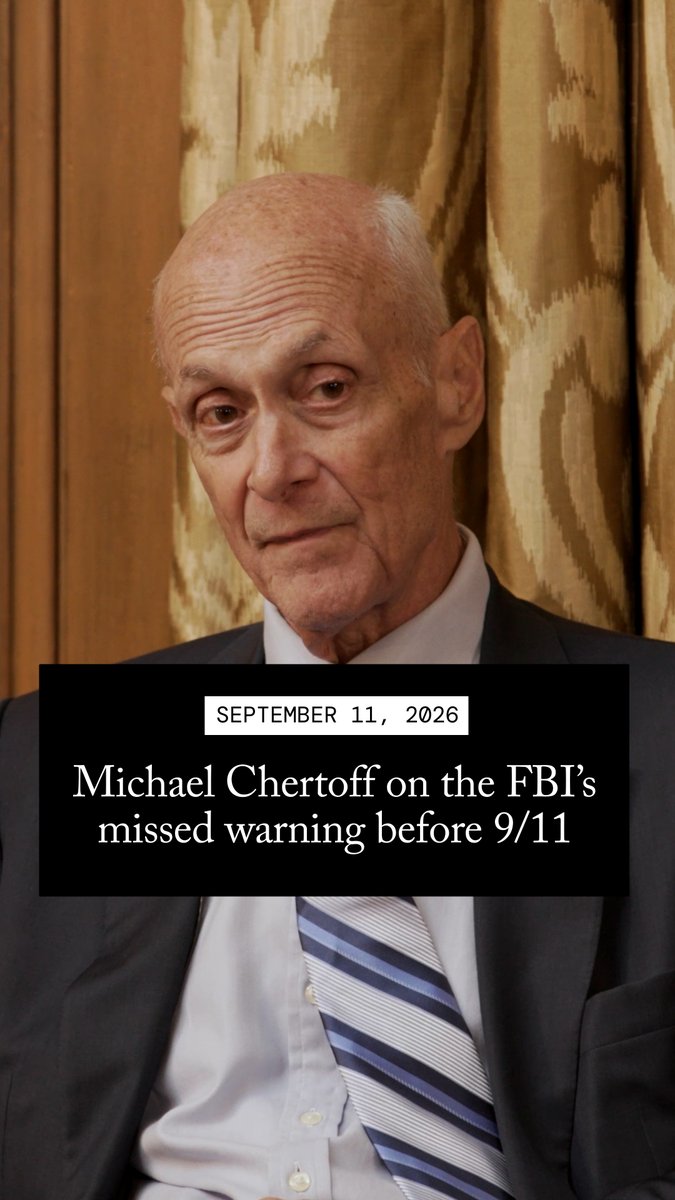
“The day after 9/11, I got a memo from the head of the FBI counterintelligence,” says former Secretary of Homeland Security Michael Chertoff, recounting a pre-9/11 report warning that Zacarias Moussaoui might be training to fly a plane into the World Trade Center. Chertoff explains how this unheeded memo prompted him and others to build greater intelligence sharing into the Patriot Act. CFR hosted former Secretaries of Homeland Security, Janet Napolitano, Michael Chertoff, Alejandro Mayorkas, and Jeh Johnson, for a discussion on how the legacy of the 9/11 attacks and the war on terrorism continues to shape U.S. foreign policy, domestic security, global affairs, defense strategy, and national security. Watch the full event here:
Council on Foreign Relations13,293 次观看 • 17 天前

“In May this year, the Cockroach Janta Party was born as a satirical response to the Chief Justice of India likening unemployed youth to cockroaches. In less than three months, it has grown from a social media post to a mass movement,” says CFR expert Sadanand Dhume.
Council on Foreign Relations38,375 次观看 • 1 个月前
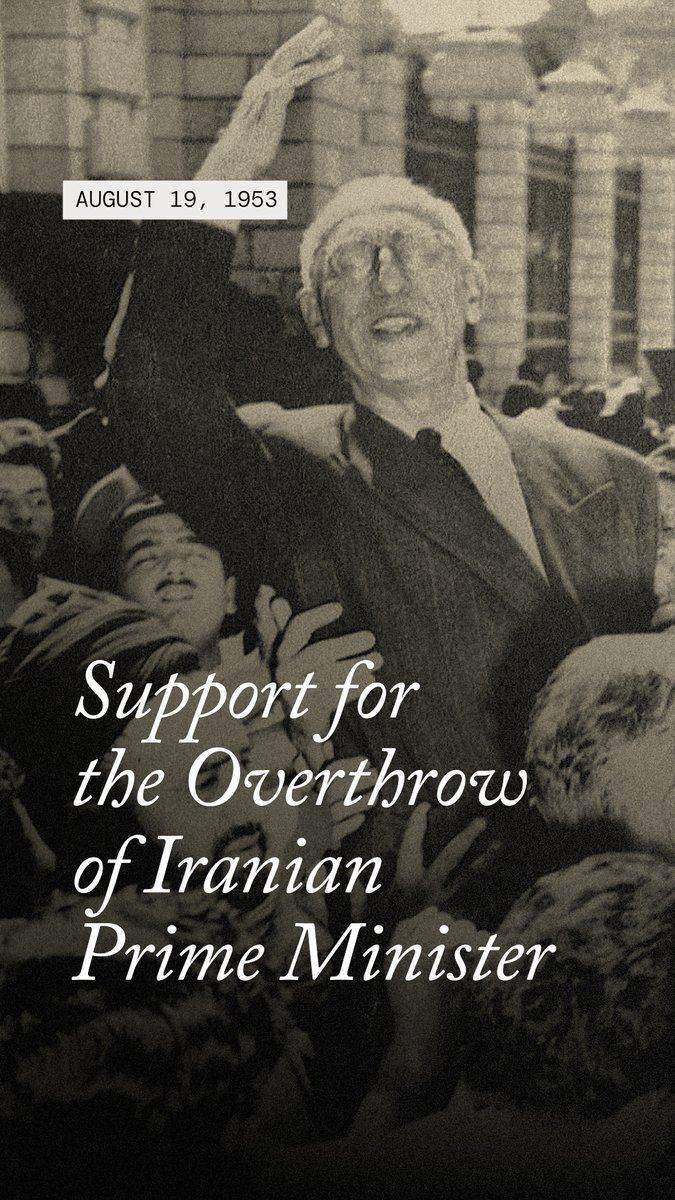
CFR asked members of the Society for Historians of American Foreign Relations what they considered to be the best and worst foreign policy decisions in U.S. history. Mohammad Mosaddeq became prime minister of Iran in April 1951, rising to power by challenging Great Britain’s dominance of Iran’s economy and politics. A month before becoming prime minister, Mosaddeq led the effort by the Iranian parliament to nationalize the Anglo-Iranian Oil Company, which the British government controlled. London sought to reverse the law by crippling Iran’s oil exports, the main source of government revenue. Fearing that a communist takeover of Iran was increasingly likely, President Dwight D. Eisenhower authorized Operation Ajax to oust Mosaddeq, and he was overthrown in a coup on August 19, 1953. The move encouraged subsequent U.S. efforts to destabilize governments Washington disliked, and Iranian nationalists used the coup to fuel anti-Americanism in Iran, CFR expert James M. Lindsay writes. Surveyed historians ranked the support for Mosaddeq’s overthrow among the worst decisions in U.S. foreign policy history. See how other U.S. foreign policy decisions were ranked:
Council on Foreign Relations26,559 次观看 • 1 个月前
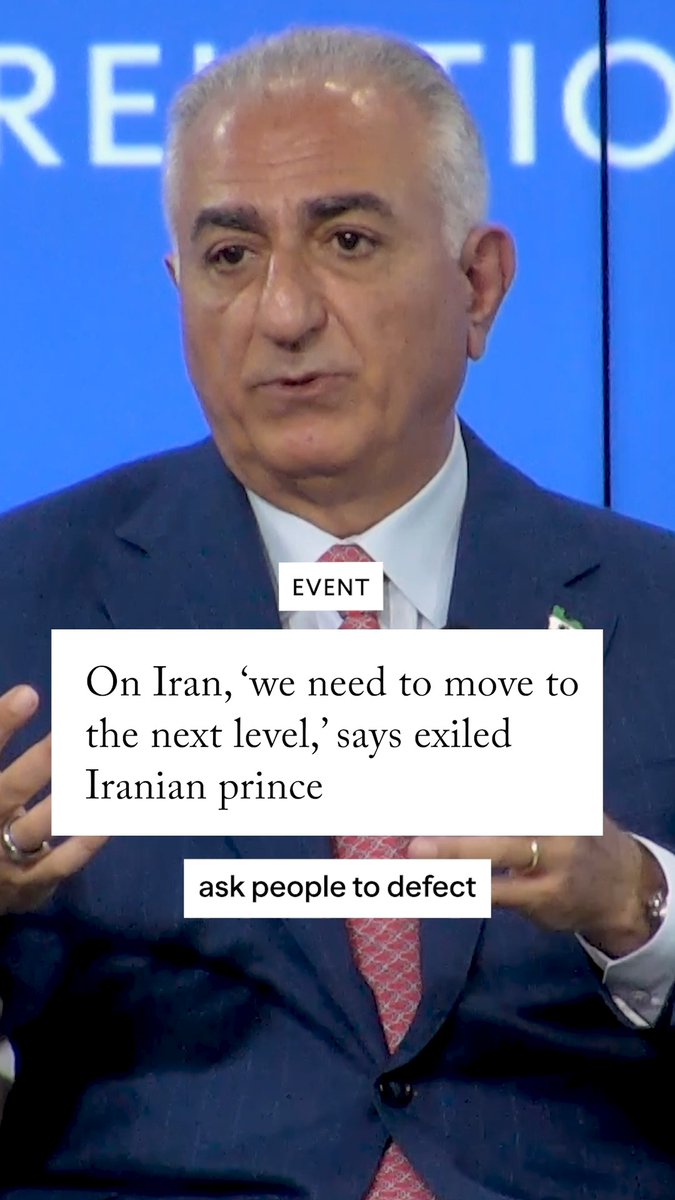
“We have to start calculating whether there needs to be a policy reset from a four-decades-long collective policy of the Western world,” says Reza Pahlavi, Iranian exiled crown prince and advocate of a secular democratic Iran. Watch the full conversation here:
Council on Foreign Relations153,532 次观看 • 11 个月前
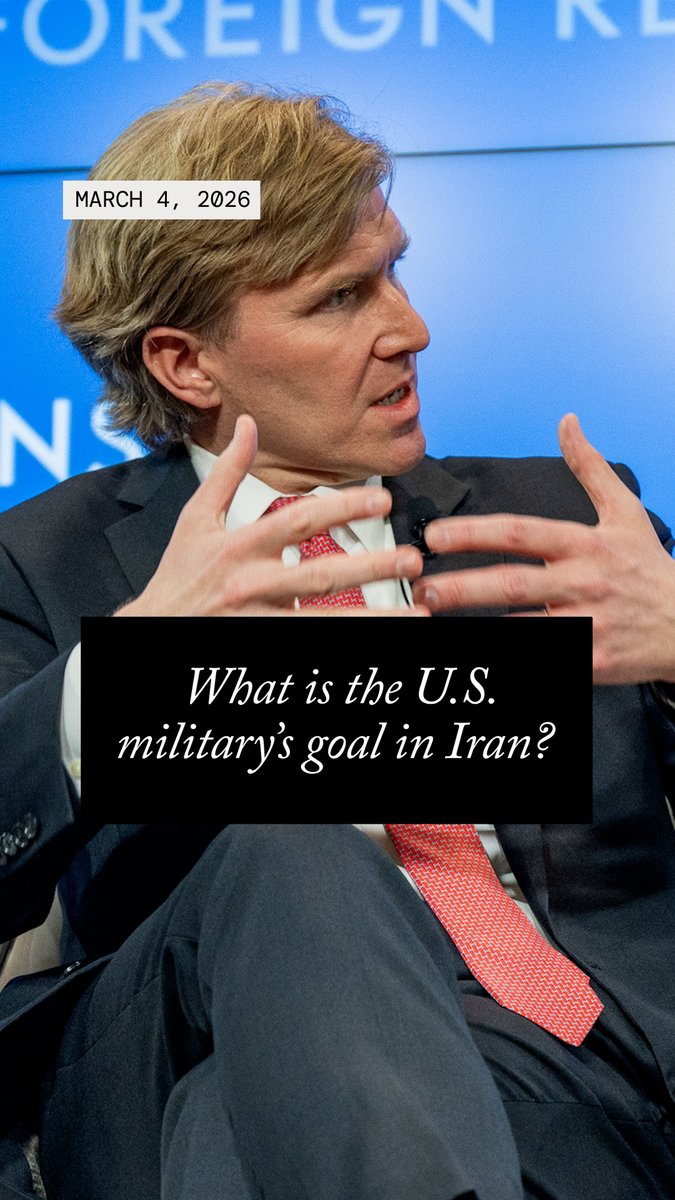
“The president has directed the United States armed forces to conduct a military campaign with a focus on degrading and destroying the Islamic Republic of Iran’s ability to project military power in the region and potentially beyond,” says Elbridge Colby, under secretary of war for policy at the U.S. Department of War. “And that is specifically focused, in particular, on the missile and one-way attack drone capabilities and production of the Islamic Republic and the navy, the naval forces.” 🔗 Watch the full conversation:
Council on Foreign Relations96,289 次观看 • 6 个月前
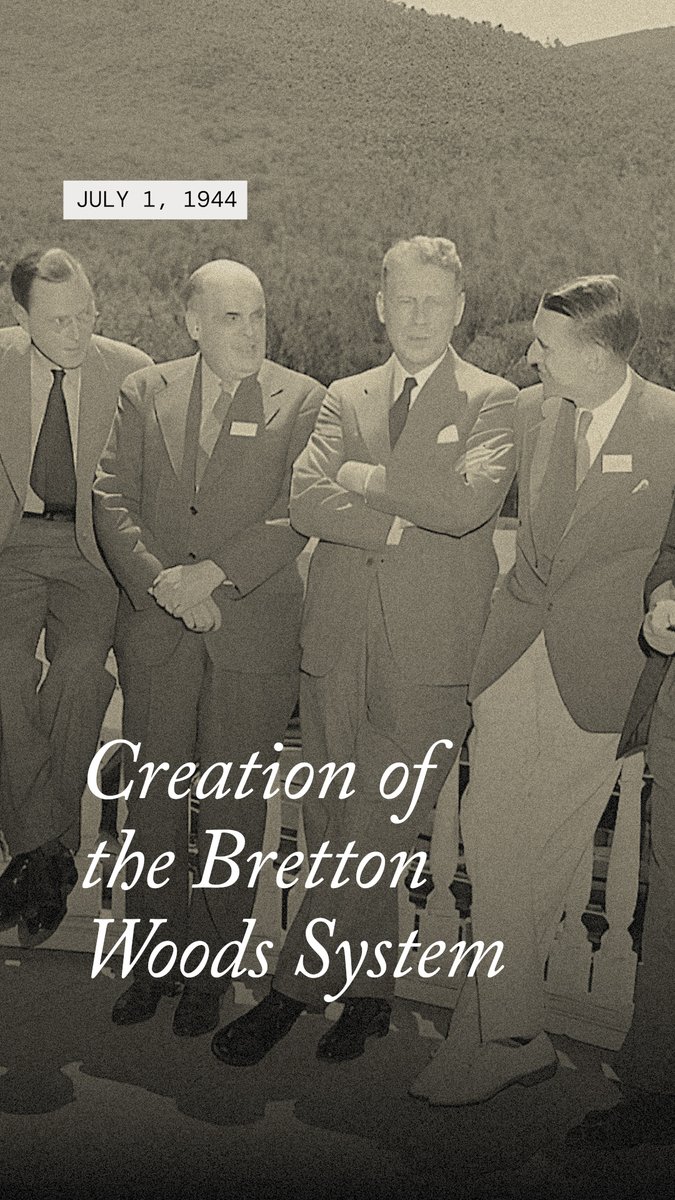
In a survey, CFR asked members of the Society for Historians of American Foreign Relations what they considered to be the best and worst foreign policy decisions in U.S. history. They ranked the creation of the Bretton Woods system in July 1944, which established the International Monetary Fund and World Bank, as one of the best.
Council on Foreign Relations37,873 次观看 • 2 个月前
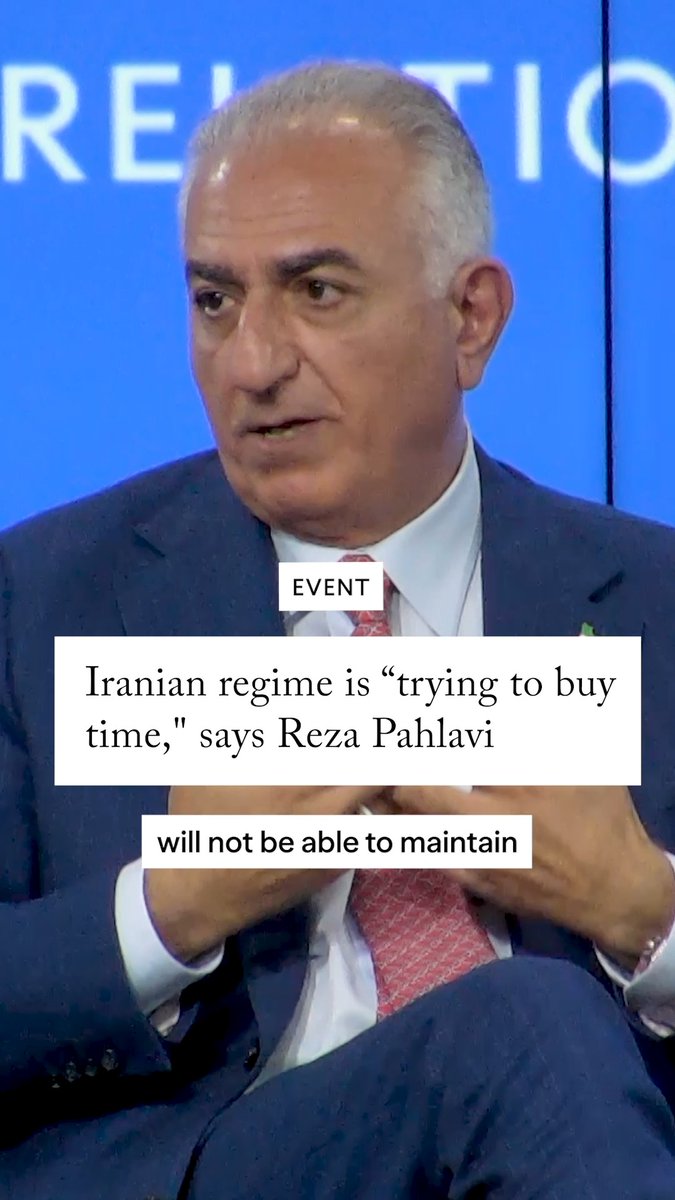
“America by itself cannot and will not be able to maintain global stability without having some partner in that,” argues Reza Pahlavi, Iranian exiled crown prince and advocate of a secular democratic Iran. Pahlavi criticizes the Iranian regime for “trying to buy time” to avoid meaningful reform. Watch the full conversation:
Council on Foreign Relations134,090 次观看 • 11 个月前
![“We are watching a superpower developing super scientific capabilities, and our whole effort is how to slow [China] down, rather than how to become better than them,” says Albert Bourla, chairman and CEO of Pfizer, Inc. “The only way to be able not to lose the edge that we have—it is if we do changes inside our American ecosystem of biotech, of science, of academia, of pharmaceuticals, of capital markets, venture capital.” 🔗 Watch the full conversation:](https://image.24vids.com/tw-2039796405540147378/media/HE7QALQXQAAzv-w.jpg)
“We are watching a superpower developing super scientific capabilities, and our whole effort is how to slow [China] down, rather than how to become better than them,” says Albert Bourla, chairman and CEO of Pfizer, Inc. “The only way to be able not to lose the edge that we have—it is if we do changes inside our American ecosystem of biotech, of science, of academia, of pharmaceuticals, of capital markets, venture capital.” 🔗 Watch the full conversation:
Council on Foreign Relations59,980 次观看 • 5 个月前