Dixie Forever's banner
Dixie Forever's profile picture

Dixie Forever

@DixieForeverRJ • 3,345 subscribers

Documenting, Defending Southern American/Confederate Heritage, History, Culture-RJ https://t.co/9HmCB0ceaO https://t.co/5YAb3OHQyG

Shorts

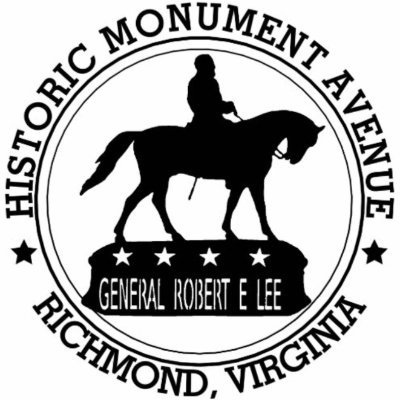
The Robert E. Lee Monument stood on Monument Avenue in Richmond for 131 years. Unveiled on May 29, 1890, before crowds estimated between 100,000 and 150,000, it was the first and grandest of the avenue’s monuments. Citizens and veterans had hauled the statue’s pieces through the streets; the finished work towered more than sixty feet. It was built by people who still remembered the war, who knew the man, and who chose to honor him in stone and metal that outlasted their own lifetimes.  Lee was admired throughout the world. Union General Winfield Scott, who had offered him command of the Federal armies, called him “the greatest military genius in America, myself not excepted.” Theodore Roosevelt later placed Lee among “the very greatest of all the great captains that the English-speaking peoples have brought forth,” praising not only his skill in campaign and battle but “that serene greatness of soul characteristic of those who most readily recognize the obligations of civic duty.” British Field Marshal Viscount Wolseley, who met Lee in the field in 1862 and who knew Moltke and Bismarck, wrote that he alone “impressed me with the feeling that I was in the presence of a man who was cast in a grander mould and made of different and finer metal than all other men.” Georgia’s Benjamin Harvey Hill summed the character that even opponents acknowledged: “He was a foe without hate; a friend without treachery; a soldier without cruelty; a victor without oppression, and a victim without murmuring… a Caesar without his ambition; Frederick without his tyranny; Napoleon without his selfishness, and Washington without his reward.”  Charles Francis Adams Jr., a Union officer and grandson of President John Quincy Adams, later spoke of Lee’s humanity in arms and observed that under comparable circumstances he might have made the same choice as Lee, defending his homeland over distant government. Winston Churchill ranked Lee among the greatest commanders known to the annals of war and treated him, in both fact and counterfactual, as a figure of rare personal nobility. In September 2021 the statue was removed from its base on the order of Mao-Marxist Demoncrat Governor Ralph Northam. The pedestal followed. The Orwellian Mao-Demoncrats who ordered the removal will be remembered for their Talibanesque fervor. Their record is the record of Orwellian purging of famous American icons: monuments, names, statues of founders and generals alike, all judged by their narrow-minded presentism views. Meanwhile, Robert E Lee will always be remembered as one of the greatest men to have ever lived. -RJ

The Robert E. Lee Monument stood on Monument Avenue in Richmond for 131 years. Unveiled on May 29, 1890, before crowds estimated between 100,000 and 150,000, it was the first and grandest of the avenue’s monuments. Citizens and veterans had hauled the statue’s pieces through the streets; the finished work towered more than sixty feet. It was built by people who still remembered the war, who knew the man, and who chose to honor him in stone and metal that outlasted their own lifetimes.  Lee was admired throughout the world. Union General Winfield Scott, who had offered him command of the Federal armies, called him “the greatest military genius in America, myself not excepted.” Theodore Roosevelt later placed Lee among “the very greatest of all the great captains that the English-speaking peoples have brought forth,” praising not only his skill in campaign and battle but “that serene greatness of soul characteristic of those who most readily recognize the obligations of civic duty.” British Field Marshal Viscount Wolseley, who met Lee in the field in 1862 and who knew Moltke and Bismarck, wrote that he alone “impressed me with the feeling that I was in the presence of a man who was cast in a grander mould and made of different and finer metal than all other men.” Georgia’s Benjamin Harvey Hill summed the character that even opponents acknowledged: “He was a foe without hate; a friend without treachery; a soldier without cruelty; a victor without oppression, and a victim without murmuring… a Caesar without his ambition; Frederick without his tyranny; Napoleon without his selfishness, and Washington without his reward.”  Charles Francis Adams Jr., a Union officer and grandson of President John Quincy Adams, later spoke of Lee’s humanity in arms and observed that under comparable circumstances he might have made the same choice as Lee, defending his homeland over distant government. Winston Churchill ranked Lee among the greatest commanders known to the annals of war and treated him, in both fact and counterfactual, as a figure of rare personal nobility. In September 2021 the statue was removed from its base on the order of Mao-Marxist Demoncrat Governor Ralph Northam. The pedestal followed. The Orwellian Mao-Demoncrats who ordered the removal will be remembered for their Talibanesque fervor. Their record is the record of Orwellian purging of famous American icons: monuments, names, statues of founders and generals alike, all judged by their narrow-minded presentism views. Meanwhile, Robert E Lee will always be remembered as one of the greatest men to have ever lived. -RJ

12,286 次观看

The Godlike moment at Chancellorsville In the fading light of early May 1863, after two days of the bloodiest fighting yet seen on American soil, Robert E. Lee rode among the men who had just achieved the impossible. Outnumbered at least 2 to 1 by a better-fed, better-armed, and far better-supplied invading host, the Army of Northern Virginia had managed to defend their homeland against all odds. When the guns at last fell silent, the Southern soldiers looked upon their commander and saw something that felt lifted from the pages of ancient history—a figure of calm majesty amid the smoke and ruin, as if a Roman general of old had returned to earth. The southern men who had endured the unimaginable intensity of that battle now pressed close around him. Their faces, blackened by powder and streaked with blood and sweat, shone with the fierce joy of men who knew they had thrown back an immense foe from the soil of their homeland. Cheers rose and rolled through the ranks. To those who stood there, it was a moment of pure rapture—the recognition that, against all odds, the defenders of the South had prevailed. Lee himself moved through the throng with quiet dignity. He did not revel. He understood that Hooker’s army, though bloodied and driven back with severe losses, still lingered on Virginia ground and would return. -RJ

The Godlike moment at Chancellorsville In the fading light of early May 1863, after two days of the bloodiest fighting yet seen on American soil, Robert E. Lee rode among the men who had just achieved the impossible. Outnumbered at least 2 to 1 by a better-fed, better-armed, and far better-supplied invading host, the Army of Northern Virginia had managed to defend their homeland against all odds. When the guns at last fell silent, the Southern soldiers looked upon their commander and saw something that felt lifted from the pages of ancient history—a figure of calm majesty amid the smoke and ruin, as if a Roman general of old had returned to earth. The southern men who had endured the unimaginable intensity of that battle now pressed close around him. Their faces, blackened by powder and streaked with blood and sweat, shone with the fierce joy of men who knew they had thrown back an immense foe from the soil of their homeland. Cheers rose and rolled through the ranks. To those who stood there, it was a moment of pure rapture—the recognition that, against all odds, the defenders of the South had prevailed. Lee himself moved through the throng with quiet dignity. He did not revel. He understood that Hooker’s army, though bloodied and driven back with severe losses, still lingered on Virginia ground and would return. -RJ

27,128 次观看

Salute! The road to The Virginia Flaggers Picnic last year near Gordonsville, Virginia! "The war was, on the part of the South, a war for independence, and not for slavery, as has been falsely asserted." - Edward A. Pollard, Historian #heritage #honor #South #dixie #flag

Salute! The road to The Virginia Flaggers Picnic last year near Gordonsville, Virginia! "The war was, on the part of the South, a war for independence, and not for slavery, as has been falsely asserted." - Edward A. Pollard, Historian #heritage #honor #South #dixie #flag

10,619 次观看

Videos

没有更多内容可加载