Mark Hyman, M.D.
@drmarkhyman • 1,437,921 subscribers
15X NY Times bestseller. Tackling the root causes of chronic illness and our broken food & health system. Co-Founder & CMO @function
Shorts

Videos

Your breakfast is either medicine or poison. Most people start their day with sugar: cereal, pastries, juice, oatmeal with dried fruit. Within an hour, their blood sugar crashes, they’re hungry again, and they’re locked into cravings for the rest of the day. Protein changes everything. When you eat protein first thing, you stabilize blood sugar, reduce ghrelin (your hunger hormone), and activate satiety signals. You’re literally reprogramming your metabolism. About 30% of protein calories are burned just digesting it, that’s the thermic effect of food working in your favor. Plus, you’re giving your brain the amino acids it needs to make serotonaaand dopamine. Better mood. Better focus. Better energy. What I eat: -Eggs with greens and avocado -Protein smoothie with almond butter -Full-fat Greek yogurt with nuts (no sugar) -Leftover salmon or chicken Stop eating dessert for breakfast. Start with ~30 grams of protein and watch what happens to your energy, your cravings, and your waistline! What are you eating tomorrow morning? 👇
Mark Hyman, M.D.164,632 görüntüleme • 1 ay önce

I've had 6 back surgeries and almost died. Here's what 40 years of medicine actually taught me...
Mark Hyman, M.D.65,339 görüntüleme • 15 gün önce

Aging isn’t what makes you weak. Being weak is what makes you age. Two of the most powerful forms of exercise for healthy aging are strength training and high-intensity interval training (HIIT). Both help your body build healthier mitochondria—the tiny power plants inside your cells that create the energy your brain, heart, and muscles need to function. And you don’t need a gym or an hour-long workout to benefit. Think of movement as “exercise snacks” throughout the day: • Stand up from a chair 10 times • Do wall push-ups • March quickly in place for 30–60 seconds • Walk fast enough that you can talk, but not sing Your starting point doesn’t matter. What matters is going from nothing to something—and gradually challenging your body as you get stronger. Thank you for having me on, CBS Mornings.
Mark Hyman, M.D.26,269 görüntüleme • 7 gün önce
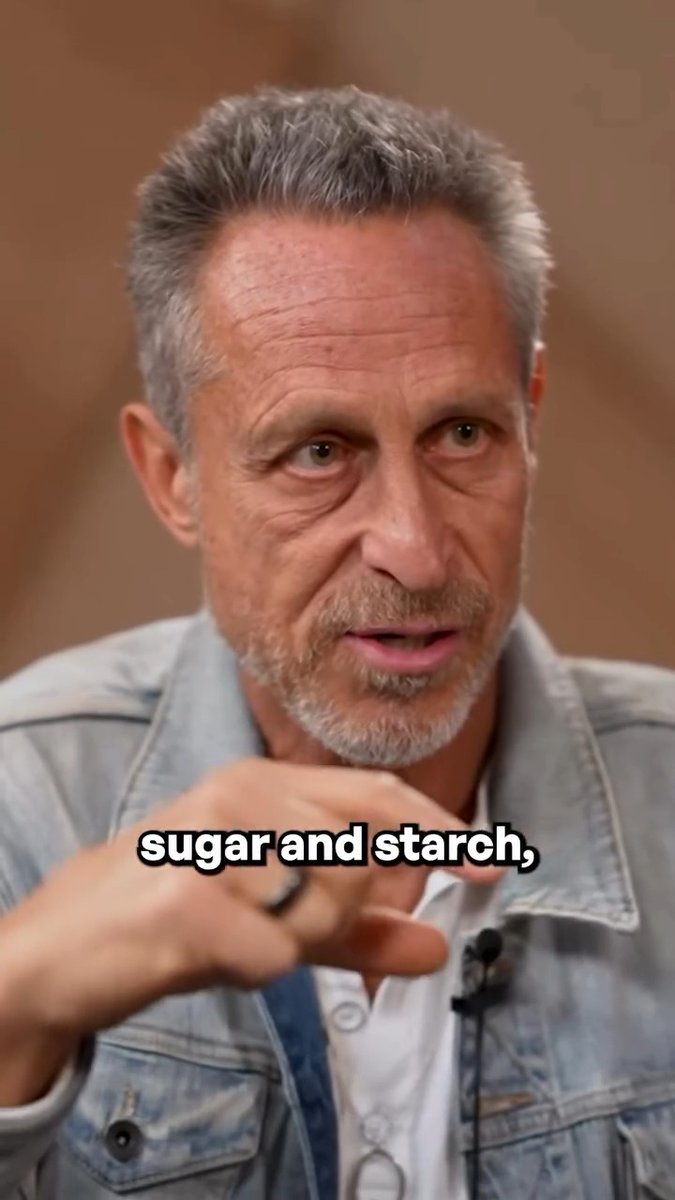
The reason why you’re so hungry + can’t lose weight 🔊⬆️ When you consume sugar or starchy foods, your blood sugar levels spike. This triggers a surge of insulin, the hormone responsible for storing excess fuel. Insulin shuttles that fuel straight into your fat cells—especially around your belly—leaving your bloodstream depleted of energy. This phenomenon, called “fuel partitioning,” tricks your brain into thinking you’re starving, even though your fat cells are full. It’s a biological mismatch that leads to intense cravings and overeating. Over time, this cycle can drive significant weight gain and metabolic dysfunction, as your body becomes increasingly insulin-resistant and struggles to regulate blood sugar. Breaking free starts with stabilizing your blood sugar. Focus on high-quality proteins, healthy fats, and fiber-rich foods that support your metabolism and keep hunger in check. When you work with your biology, you can reclaim your health.
Mark Hyman, M.D.35,885 görüntüleme • 13 gün önce

We hear a lot about improving gut health through food, probiotics, and supplements. But after more than a decade of major advances in microbiome research, the picture has become both more promising and more complex including about gut bacteria, biological symptoms In this episode, I’m joined by gastroenterologist and neuroscientist Dr. Emeran Mayer to explore how our understanding of the gut-brain connection has evolved—and what we may still be getting wrong. 0:00 Introduction and Dr. Emeran Mayer’s background 1:07 The impact of gut health on disease and current treatment approaches 2:17 The microbiome problem in America and research evolution 4:03 Challenges and limitations in microbiome research 5:13 Traditional and novel interventions for gut health 6:25 Future of bioengineered probiotics and research funding 8:09 Functional medicine approaches and case study 9:40 Bridging gaps in gastroenterology and historical context 12:24 Flaws in reductionist science and traditional medicine insights 14:09 Microbiome’s role in overall health and physiology 19:25 Microbial metabolites and modern challenges to gut health 21:10 Human biology vs. microbial adaptation and caring for the microbiome 22:59 The Mayer Model for microbiome health 29:04 Brain-gut communication 31:33 AI’s potential in advancing microbiome research 36:22 Aging and its effects on the microbiome 46:03 Practical steps for microbiome health: prebiotics and polyphenols 55:44 Factors harming the microbiome and using it for treatment 57:45 Gut-body communication and influence on traditional medicine 1:00:25 Future directions: research, applications, and health policy 1:02:56 Final thoughts on holistic health and The Mayer Model
Mark Hyman, M.D.42,861 görüntüleme • 18 gün önce

ADHD is usually treated as a problem in the brain. But what if some of the factors making it harder to focus, regulate your mood, or manage your symptoms are actually coming from somewhere else in your body? By understanding the connections between diet, gut health, inflammation, nutrients, hormones, and brain function. 0:00 Understanding ADHD through a functional medicine lens 3:00 Sponsor: Function 3:07 The gut-brain axis and ADHD 7:09 Case study: Severe behavioral issues and functional medicine approach 10:55 Nutritional deficiencies and the microbiome in ADHD 13:07 Microbiome’s impact on attention and focus 15:57 Neurotransmitters, gut health, and intestinal permeability 21:23 Modern diet, nutrient deficiencies, and ADHD symptoms 26:34 Common nutrient deficiencies and their impact 31:00 Functional medicine strategies and personalized treatment plans 37:32 Rapid fire Q&A on ADHD and diet 43:26 Key takeaways: Diet, brain health, and functional medicine outcomes 44:48 Next steps: Working with practitioners and not suffering needlessly
Mark Hyman, M.D.49,107 görüntüleme • 22 gün önce

Only 6.8% of Americans are metabolically healthy... That means 93.2% of us are walking around with some form of metabolic dysfunction: high blood sugar, high blood pressure, abnormal cholesterol, obesity, or a history of heart attack or stroke. And the primary culprit is ultra-processed food loaded with sugar and starch. This epidemic is devastating our health and it’s bankrupting our nation: -The U.S. government now spends $4.9 trillion on healthcare. -$2 trillion of that is completely preventable, driven by food-related chronic diseases. -And 1 in every 3 taxpayer dollars goes directly toward this broken system… We’re wasting trillions that could be used for education, infrastructure, innovation, and real public health reform. Meanwhile, we’re bombarded with “quick fixes” like weight-loss drugs that don’t treat the root cause. I’ve had patients lose just 2 pounds in 6 months on GLP-1s, with side effects. Another patient lost 60 pounds, reversed their diabetes, and reclaimed their health with FOOD. No miracle pill can outcompete a lifestyle built on quality nutrition, movement, and metabolic healing. This isn’t complicated, but the noise is loud. The marketing is powerful. And the truth is getting buried… You don’t need a fad diet or pill, you need real food, accountability, and the belief that your body can heal.
Mark Hyman, M.D.39,715 görüntüleme • 20 gün önce

Have you ever found yourself scrolling through your phone at midnight, knowing you should sleep—but just one more video, one more post? Research shows that exposure to blue light in the evening can disrupt sleep patterns. However, it’s not just the blue light; these devices are engineered to hijack your brain’s attention, stimulate dopamine, and keep you awake—a phenomenon known as sleep procrastination. Dr. Matthew Walker breaks down how to reclaim your sleep, avoid these attention traps, and create a wind-down routine that actually works. Episode is live on The Dr. Hyman Show wherever you listen to podcasts.
Mark Hyman, M.D.30,989 görüntüleme • 15 gün önce
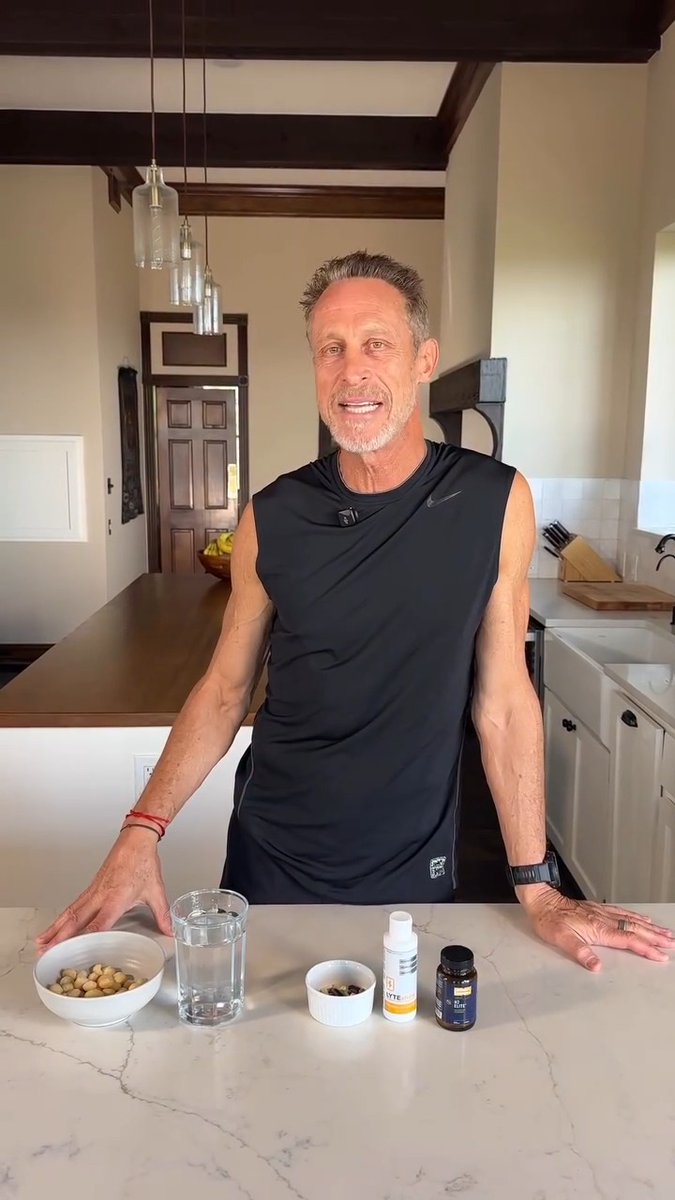
My morning routine before I work out is non-negotiable. Before I touch a weight or step on the mat, I do the same thing every single morning: at least 16oz of water with a hydrogen tablet (a powerful antioxidant that helps neutralize free radicals first thing in the morning) a handful of macadamia nuts, and my supplements. When you wake up, you’re already dehydrated. You’ve just gone 7-8 hours without water, and your cells are depleted of the minerals they need to actually function. Drinking plain water sometimes isn’t enough. With sodium, magnesium, and potassium, water can fully cross the cell membrane and get inside where it’s needed. That’s intracellular hydration — and it’s the difference between feeling sharp and feeling foggy, between a strong workout and a sluggish one. The macadamia nuts give me the protein and healthy fats I need to stabilize blood sugar before I move. And my supplements (tailored specifically to my body and what it needs) work significantly better when I’m properly hydrated. By the time I’m ready to train, my body is actually primed to perform! Your morning routine is either working for you or against you. Make hydration the first thing you do, and make sure it counts. 🙂
Mark Hyman, M.D.145,551 görüntüleme • 3 ay önce
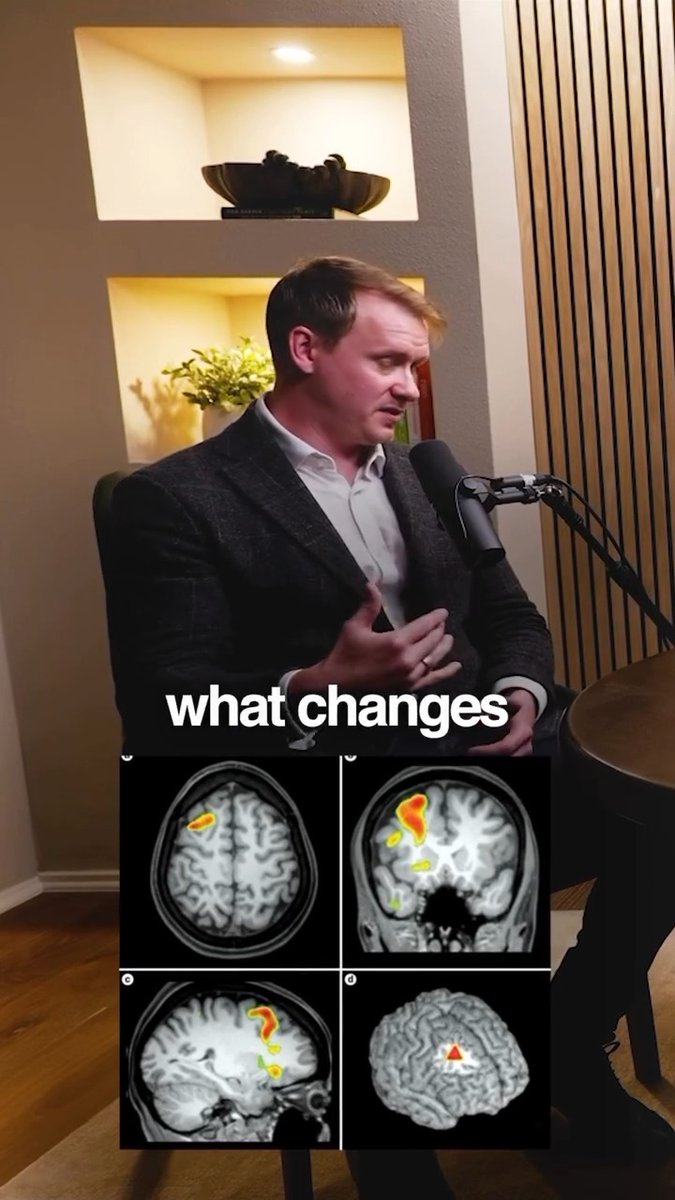
Can a ketogenic diet rewire the brain in bipolar disorder? New research suggests it can, by lowering glutamate, a neurotransmitter that’s often elevated in epilepsy, bipolar, and schizophrenia. That’s why keto was originally used to treat seizures… and now, it’s being revisited as a breakthrough treatment for mental illness. In today’s episode, I talk with Dr. Iain Campbell, neuroscientist, bipolar patient, and lead researcher at the University of Edinburgh, about why mental illness may actually be a metabolic brain disorder. Here’s what we cover: • How bipolar symptoms may stem from mitochondrial dysfunction • Why glutamate matters and how keto affects it • The history of using keto to treat epilepsy and diabetes • What a $3M clinical trial hopes to prove • And how this new science could change psychiatry forever So much more! This conversation will challenge everything you thought you knew about mental health and offer real hope for those who’ve been failed by conventional treatments. Full episode with Dr. Iain Campbell is live on The Dr. Hyman Show Podcast wherever you listen.
Mark Hyman, M.D.28,412 görüntüleme • 21 gün önce
We’re living through the worst chronic disease epidemic in human history, and it’s not a mystery why. Our ultra-processed, nutrient-poor diet. The overload of environmental toxins. Chronic stress, poor sleep, disrupted circadian rhythms. Overuse of antibiotics. These changes compound across generations, disrupting the one system that ties it all together: the immune system. Want to fix chronic disease? Start by fixing what’s driving it.
Mark Hyman, M.D.31,187 görüntüleme • 25 gün önce
Did you know 10% of your liver is made of immune cells that talk directly to your brain? Your gut talks to your immune system. Your immune system talks to your liver. Your liver talks to your brain. Dr. Jeffrey Bland known as the father of Functional Medicine, joins me to unpack how we can harness systems biology to prevent and even reverse chronic disease. Tune in to the full episode and learn: – How the immune system drives aging and disease – Why mitochondrial health is central to longevity – What it really means to “heal the gut” – How diet, nutrients, and your environment reprogram your genes in real time – So much more! We’re not stuck with the genes we inherited. We can change how they’re expressed, starting today. Drop a YES and I’ll DM you the link to listen. 🎧
Mark Hyman, M.D.29,093 görüntüleme • 27 gün önce

Every morning, before the noise of the day sets in, I practice Qigong. Qigong is a 4,000-year-old Chinese practice that combines slow, intentional movement, breathwork, and meditation to move energy through the body. The word itself says it all: “qi” means life force energy, and “gong” means skill cultivated through practice. I first came across it when I spent a year living in China after medical school. Every morning, people were moving through tai chi and qigong in the parks at sunrise — just as part of the day. That year changed how I think about health. I saw a culture where movement, breath, and food weren’t separate from medicine. They were the medicine. I brought qigong home with me and never stopped. I do it every morning because it calms the nervous system while simultaneously energizing the body. It lowers cortisol, reduces inflammation, improves circulation, and gets my mind clear before the day even starts. Will you try this? 👇
Mark Hyman, M.D.64,812 görüntüleme • 3 ay önce
Most people think depression, anxiety, and brain fog start in the brain. But what if they actually start in the rest of your body? Chronic inflammation is one of the biggest drivers of modern disease—and it’s not just affecting your joints or your heart. Research shows it can also impact your mood, memory, focus, and overall mental health. In many cases, inflammation is something you can influence. Here’s what helps: ✔️ A whole-food, anti-inflammatory diet ✔️ Plenty of colorful plants and fiber ✔️ Omega-3-rich foods like wild fatty fish ✔️ Fermented foods to support the gut microbiome ✔️ Regular exercise ✔️ Prioritizing restorative sleep Your brain doesn’t exist in isolation. The health of your body shapes the health of your mind—and addressing inflammation may be one of the most powerful ways to support both. Here's the link to my new mental health program, The Brain-Shaping Academy, where you’ll learn the science behind the brain-body connection and how to use nutrition and lifestyle to build a healthier, more resilient brain:
Mark Hyman, M.D.35,228 görüntüleme • 1 ay önce
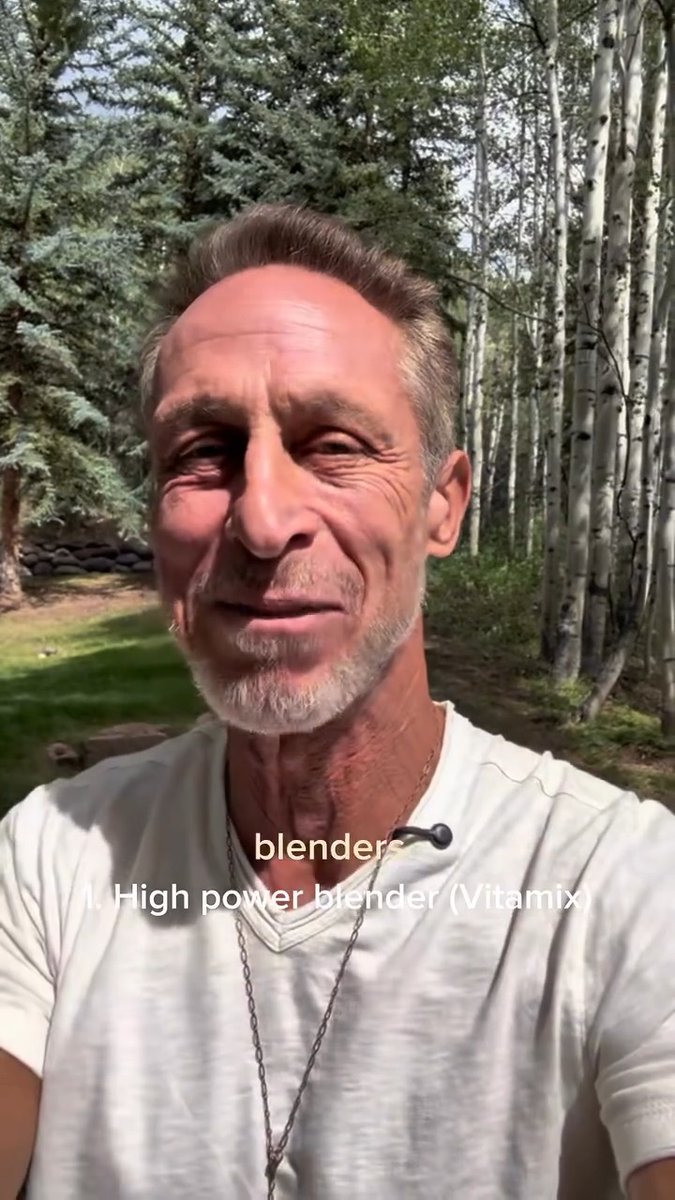

My morning as a 66-year-old functional medicine doctor starts before I even touch my phone. Every morning I come out to my rooftop and let the sunlight hit my eyes. Morning light is one of the most powerful signals you can give your body. It resets your circadian rhythm, regulates melatonin, and reminds your biology what time it is. We’re designed to live in sync with nature. Light is how we do that. Then I sit down and do breathwork. Five minutes. Three-minute cycle, breath hold, two-minute cycle, breath hold. Simple. But what happens inside your body is anything but. Your nervous system settles, oxygen floods your blood, and this deep stillness kicks in that’s hard to explain until you feel it. Then some Chi Gong and meditation to close it out. No screens. No email. Just light, breath, movement, and stillness before the world asks anything of me. That’s the foundation. Try it for one week and tell me what happens. 👇
Mark Hyman, M.D.45,630 görüntüleme • 3 ay önce
Are you fasting the wrong way? Women have a stronger cortisol response in the morning than men, and it’s directly tied to hunger hormones. When you skip breakfast or push your first meal to noon, those hormones dysregulate for the rest of the day — driving carb cravings, afternoon crashes, and uncontrolled eating at night. The very opposite of what you’re trying to do. Research shows that women who broke their fast by 8AM and finished eating by 5PM had significantly better metabolic control than those eating in a compressed late window. You don’t need a 16 hour fast to get the benefits of autophagy, and you definitely don’t need to wait until noon to eat. Simply stop eating after dinner. That’s it. If you eat dinner at 6 and breakfast at 8, you’ve already done a 14 hour fast without skipping a single meal. Front load your food, eat earlier, and stop at night. You’ll sleep better, feel better, and lose weight without starving yourself. Full conversation with Dr. Stacy Sims is out now on The Dr. Hyman Show Podcast.
Mark Hyman, M.D.43,989 görüntüleme • 3 ay önce

Reflecting back to last year at this exact time, I almost didn’t make it...
Mark Hyman, M.D.66,924 görüntüleme • 9 ay önce

The health of America is in crisis—and we need leaders who are ready to face the facts, ask the hard questions, and fight for meaningful change. I’ve known Robert F. Kennedy Jr. for 20 years. He’s a man of integrity, deeply committed to transforming the health of our nation. He believes in science—not as a set of settled answers, but as a process of asking bold questions and seeking the truth. Right now, 38% of teens in the U.S. are pre-diabetic. We rank 48th in life expectancy worldwide, despite spending nearly $5 trillion annually on healthcare. Much of this is driven by a broken food system, ultra-processed foods, and a lack of focus on chronic disease prevention. RFK Jr. is not anti-vaccine. He supports vaccines and has vaccinated his own children. He’s simply asking for transparency, accountability, and rigorous scientific inquiry into the safety and efficacy of all medical interventions—including vaccines. This is not about conspiracies; it’s about ensuring we have honest conversations rooted in data, not dogma. If you believe in standing up for health, integrity, and truth, you can make your voice heard by calling your senators to express support for RFK Jr. Here’s how you can help: -Call or email your senators to advocate for honest leadership in addressing our nation’s health crisis. Senators to Contact: Susan Collins (ME-R): (202) 224-2523, email: Lisa Murkowski (AK-R): (202) 224-6665, email: Mitch McConnell (KY-R): (202) 224-2541, email: Thom Tillis (NC-R): (202) 224-6342, email: Bill Cassidy (LA-R): (202) 224-5824, email: Cory Booker (NJ-D): (202) 224-3224, email: Catherine Cortez Masto (NV-D): (202) 224-3542, email: James Lankford (OK-R): (202) 224-5754, email:
Mark Hyman, M.D.100,701 görüntüleme • 1 yıl önce

The Ozempic conversation everyone needs to hear. Thanks for having me Christopher C. Cuomo
Mark Hyman, M.D.44,756 görüntüleme • 7 ay önce