GuledWiliq
@GuledWiliq • 38,180 subscribers
Author & Scholar @MiddleEastInst | Geopolitics & governance | Building crypto neobank & blockchain infra | Maritime security, Sanctions & illicit finance |
Shorts

Videos

Faahfahin cusub ku sabsan aqoonsiga Somaliland iyo dowlada Guinea-Bissau. #Somalia
GuledWiliq12,629 Aufrufe • vor 17 Tagen

Wait—did the Turkish FM just admit that Somalia doesn’t control the Gulf of Aden or Bab el-Mandeb, but Somaliland does? That’s reality leaking through the rhetoric. Geography beats slogans—control follows coastline and security. Don’t be surprised when Ankara starts knocking on Hargeisa’s door.
GuledWiliq29,060 Aufrufe • vor 7 Monaten

🚨 New Development| BREAKING New Al-Shabaab media confirms an overt operational presence in/near Laascaanood, reinforcing last week’s reporting that fighters were deployed under Abdi Madoobe. A recent UN Panel report already documents Al-Shabaab deployments into the so-called “North-Eastern State” (2025), with objectives to expand influence and secure routes toward Sanaag/Ceerigaabo. Key judgment: The “North-Eastern State” construct is functioning as an Al-Qaeda–aligned proto-state, providing political and security cover for Al-Shabaab terrorist entrenchment. Implications: The U.S. should treat this as a new northern front. Somalia is transitioning from a failed state toward a state-enabled terrorism risk. The presence of the Turkish ambassador at the inauguration of this unconstitutional federal member state signals external political backing that risks legitimizing an Al-Shabaab-permissive structure. This front overlaps with documented Al-Shabaab–Houthis collaboration via Yemen, forming a Red Sea–Horn of Africa threat continuum that pressures Somaliland, counters Israel/UAE presence, and elevates risk to U.S. and international facilities.
GuledWiliq25,581 Aufrufe • vor 6 Monaten

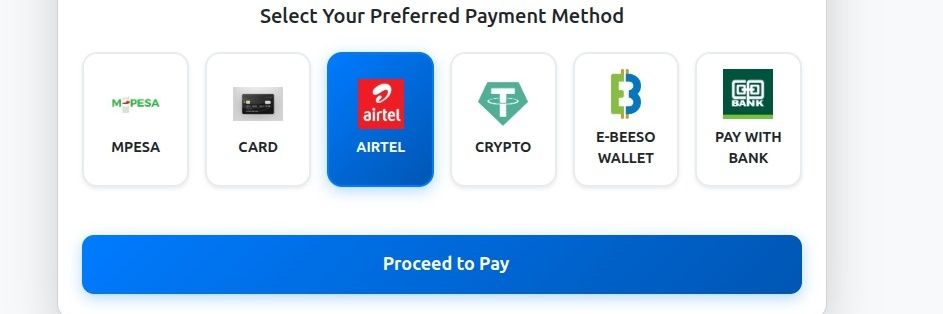
Your #MondayMotivation Old remittance rails are dying. Stablecoins + HybridFi Web 2.5 are taking over. Sent USDC from Coinbase 🛡️ → E-Beeso → Equity Bank Kenya in seconds. No borders. No 12% fees. If you’re serious about crypto infra in Africa, let’s build. Brian Armstrong Rain Chuk Stephen Deng jack Dante Reminick Base - East Africa Jess Houlgrave Nik farooq 🌧 Wiza Jalakasi
GuledWiliq24,597 Aufrufe • vor 9 Monaten


Holy f**k. Let’s be precise. The Turkish government is now saying: “We may have found oil in Somalia… but we still need to study the data.” The same seismic data they already bought from Norway. Then, in the same breath, they’re announcing drilling in 2026. That’s not energy exploratio, that’s contradiction. You don’t announce drilling if you haven’t confirmed a discovery. This is like saying you might have found gold, calling in a jeweler to verify it, and then booking a full mining operation before the jeweler even confirms it’s gold. I’ll be damned. 🤣🤣 This isn’t technical caution. It’s political theater dressed up as geology.
GuledWiliq15,449 Aufrufe • vor 7 Monaten

Irro is full-time Kacaan or what? How do you go from “I’m not from Somalia, I’m from Somaliland” to suddenly “I’m the first elected Somali leader” — whether in Mogadishu, Puntland, or Jubbaland. I believed Irro was elected by Somalilanders in Somaliland, not by the irredentists from Greater Somalia🤣 War nafta yar maxeey leedahay?
GuledWiliq16,216 Aufrufe • vor 10 Monaten

As I have warned before, the governments of Djibouti and Somalia have conspired to instigate election violence and terrorism in Somaliland. In a revealing interview, Ahmed Fiqi, the Somali Foreign Minister and known Al-Shabaab liaison, has openly stated that their government is actively devising a scheme to deploy troops to the Awdal region. This nefarious mission is still in progress, despite Al-Shabaab's resurgence which is clear and present danger to Somalia-unbelievable.
GuledWiliq10,139 Aufrufe • vor 1 Jahr
Keine weiteren Inhalte verfügbar