
Purnima Malhotra
@PurnimaMalhotra • 4,214 subscribers
Rajma chawal connoisseur. @masterchefau devotee. Poor at math. #serialhashtager. Always got some atrangi song on an endless loop.
Shorts

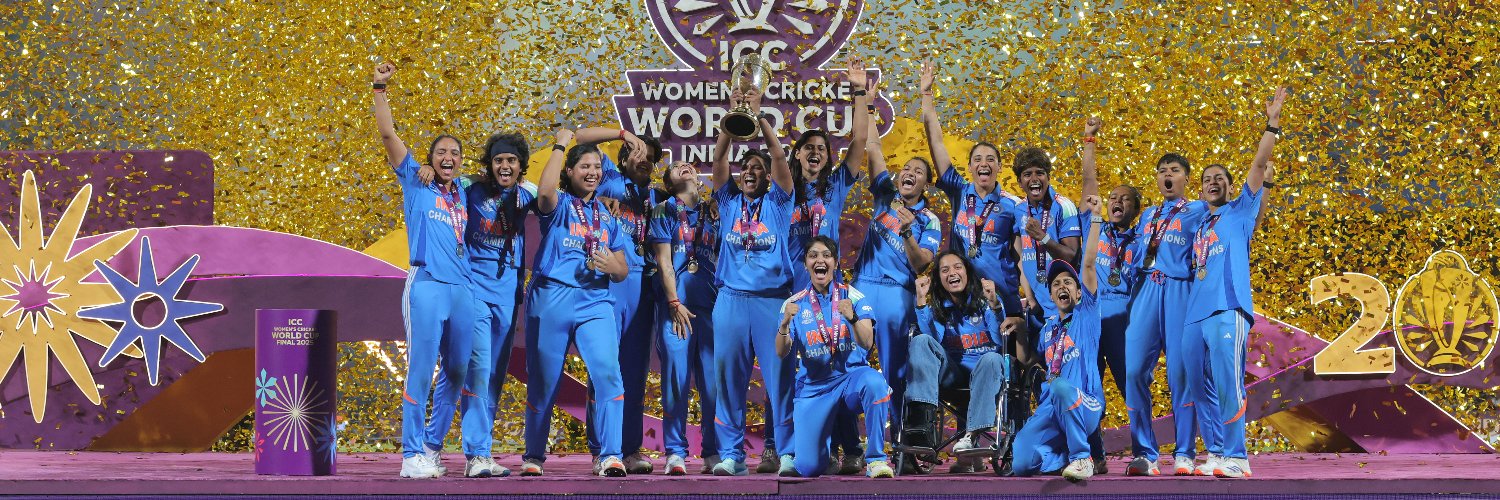
This may get a little personal, with blurry photos for evidence. But Harmanpreet's 200th T20I feels like the right occasion for this story. Bear with me - it'll all make sense. My first meeting with Harmanpreet Kaur lasted only a few minutes, to fix an interview. Looking back, though, it's an interaction that changed the questions I asked and the stories I chose to tell. It was just before the 2016 T20 World Cup. I was in Ranchi covering my first international assignment in women's cricket. Like any young reporter, I had done my homework beforehand. Then I spent the week putting faces to the names, and learning their stories. And when I finally met Harmanpreet, I called her by the wrong name. It was an honest mistake. I was mortified nonetheless. Harman, however, barely reacted. She brushed past it just as effortlessly as I had blurted it out, and carried on with the conversation. It was an embarrassing mistake, one that the overthinker in me couldn't move past. But Harman's non-reaction honestly hit me with the hardest reality of women's cricket. Misidentification wasn't unusual back then. So common, in fact, that the players had simply learned to live with it. There was no outrage in Harman's response, no attempt to make me feel worse than I already did. Typically unfazed, she just simply moved the conversation along. The decade that followed wasn't a straight line. And it tested her in almost every way possible - as a batter, as a captain, as one of the faces of a rapidly growing sport in the country. It was a remarkable change, and not just in Harman's career, but in women's cricket itself. She became one of the defining figures of Indian cricket. With more visibility, the expectations changed. The scrutiny increased. But Harman largely remained Harman. She inspired more than one generation and ultimately led India to its first World Cup title. What was once easy to overlook had become impossible to ignore. Perhaps that is why one moment from the 2025 World Cup celebrations remains so vivid in my memory. Amid the chaos and emotion of a historic night, Harman walked over, handed me the trophy and insisted for a photograph. It was a small gesture, but one that meant a great deal coming from someone whose journey I had been lucky enough to chronicle for nearly a decade. For a few seconds, I found myself holding the ultimate prize of everything Indian women's cricket had worked towards. My mind immediately went back to Ranchi. To that awkward first meeting. And to the journey that followed. A journey that ensured nobody would ever mistake Harmanpreet Kaur for anybody else again. Today, as Harman becomes the first cricketer - male or female - to play 200 T20Is, it feels like a milestone for a generation that helped transform women's cricket in India. Congratulations, Harman. It's been fascinating to watch this journey unfold, and to document parts of it along the way.
12,238 次观看