Quanta Magazine's banner
Quanta Magazine's profile picture

Quanta Magazine

@QuantaMagazine • 365,037 subscribers

Illuminating math and science. Supported by @SimonsFdn. 2022 Pulitzer Prize in Explanatory Reporting.

Shorts

Plants don’t have eyes or brains. How do they know where light is coming from? Seedlings “see” with their whole bodies.

Plants don’t have eyes or brains. How do they know where light is coming from? Seedlings “see” with their whole bodies.

15,673 次观看

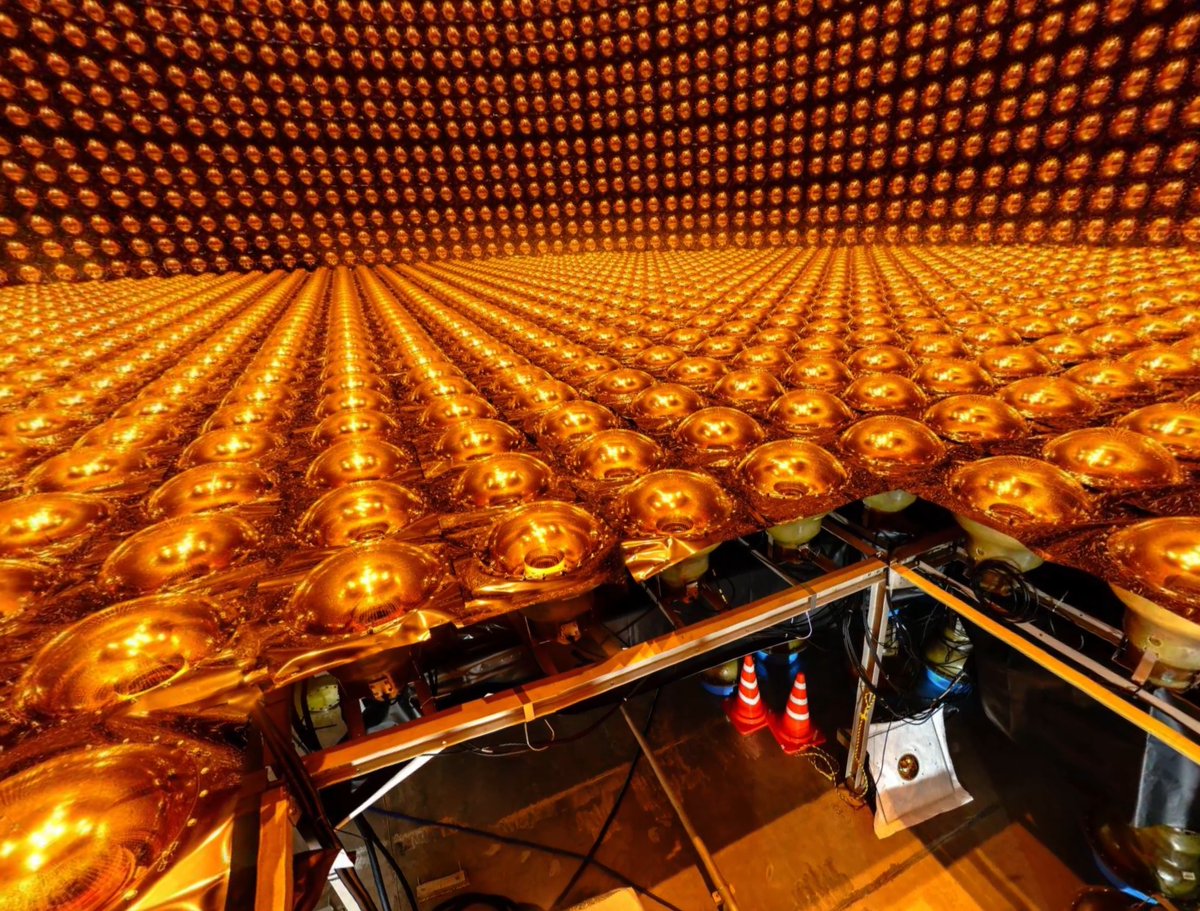
In 2001, detectors in the Super-Kamiokande neutrino observatory experienced a catastrophic chain-reaction implosion. It was later repaired and in 2006, refilled with ultra-pure water, seen here.

In 2001, detectors in the Super-Kamiokande neutrino observatory experienced a catastrophic chain-reaction implosion. It was later repaired and in 2006, refilled with ultra-pure water, seen here.

163,515 次观看

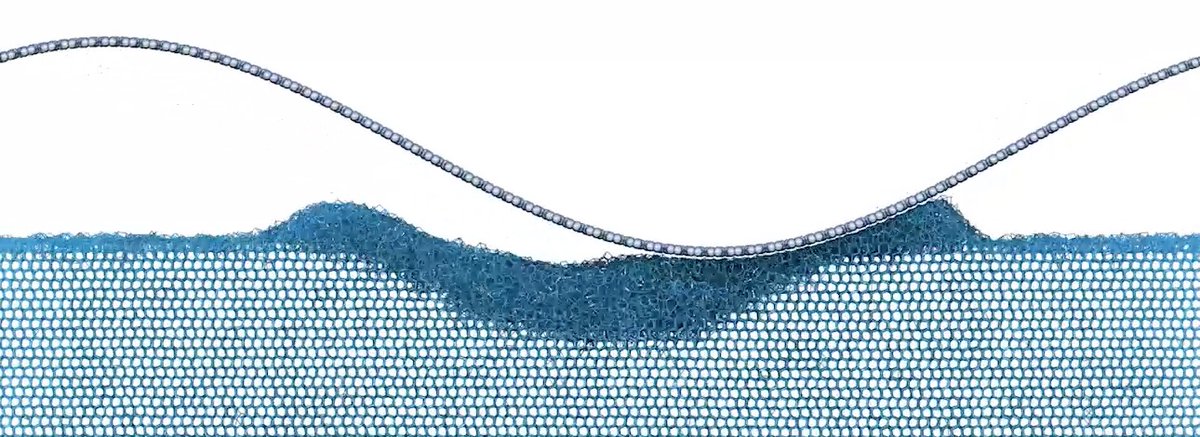
In computer simulations, as an object slides along the surface of ice, a structureless, "amorphous" layer forms. Materials scientists at Saarland University in Germany argue that this process may be the cause of ice’s slipperiness.

In computer simulations, as an object slides along the surface of ice, a structureless, "amorphous" layer forms. Materials scientists at Saarland University in Germany argue that this process may be the cause of ice’s slipperiness.

335,485 次观看

Turbulence is all around us: bumping our planes, shaping our waves, swirling milk into our coffee. While these systems can begin simply, they quickly become extremely chaotic and complex.

Turbulence is all around us: bumping our planes, shaping our waves, swirling milk into our coffee. While these systems can begin simply, they quickly become extremely chaotic and complex.

11,807 次观看

If you sandwich a ball between two parallel planes, it will roll perfectly. But surprisingly, smaller, pointier shapes can do this too.

If you sandwich a ball between two parallel planes, it will roll perfectly. But surprisingly, smaller, pointier shapes can do this too.

70,487 次观看

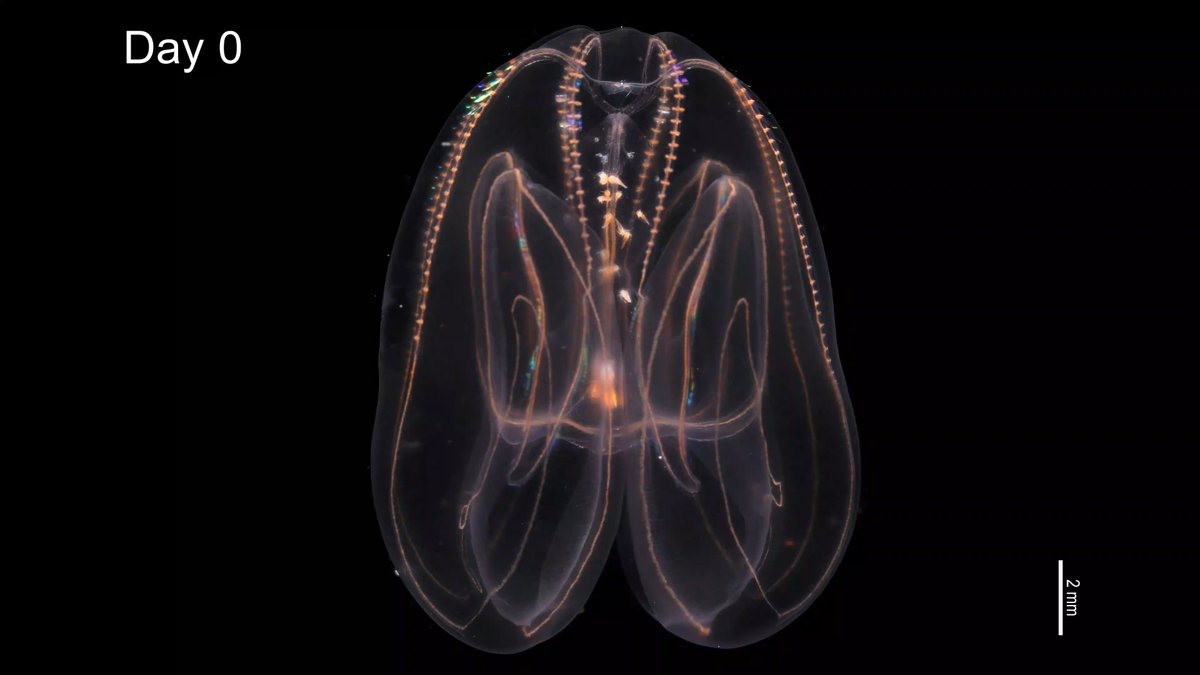
Ctenophores are considered “immortal jellyfish:” they have the Benjamin Button–like ability to reverse their development in the face of prolonged starvation or injury.

Ctenophores are considered “immortal jellyfish:” they have the Benjamin Button–like ability to reverse their development in the face of prolonged starvation or injury.

22,977 次观看

🧊Scientists generally agree that a thin watery layer on the surface of ice is responsible for ice’s slipperiness. But why does this layer form? Is it due to pressure, friction, pre-melting, or something else? Daniel Bonn built a microscopic ice-skating rink to test out his theory.

🧊Scientists generally agree that a thin watery layer on the surface of ice is responsible for ice’s slipperiness. But why does this layer form? Is it due to pressure, friction, pre-melting, or something else? Daniel Bonn built a microscopic ice-skating rink to test out his theory.

169,269 次观看

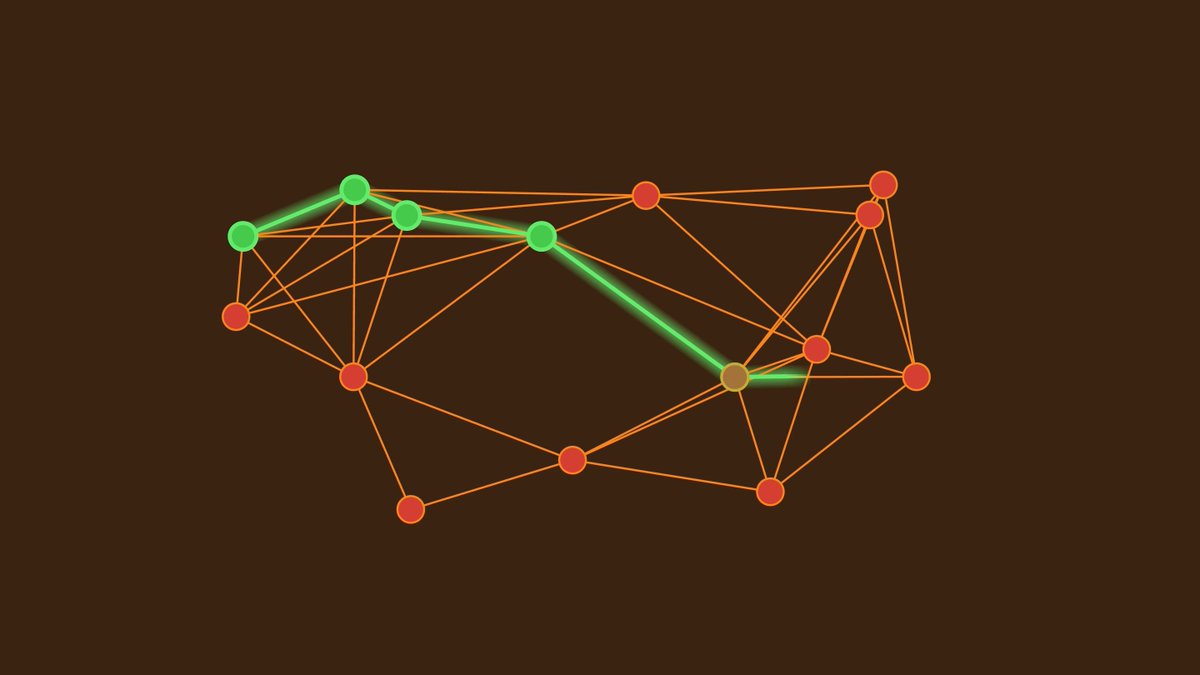
Dijkstra’s algorithm doesn’t just tell you the fastest route to one destination. Instead, it gives you an ordered list of travel times from your current location to every other point that you might want to visit — a solution to what researchers call the single-source shortest-paths problem.

Dijkstra’s algorithm doesn’t just tell you the fastest route to one destination. Instead, it gives you an ordered list of travel times from your current location to every other point that you might want to visit — a solution to what researchers call the single-source shortest-paths problem.

275,060 次观看

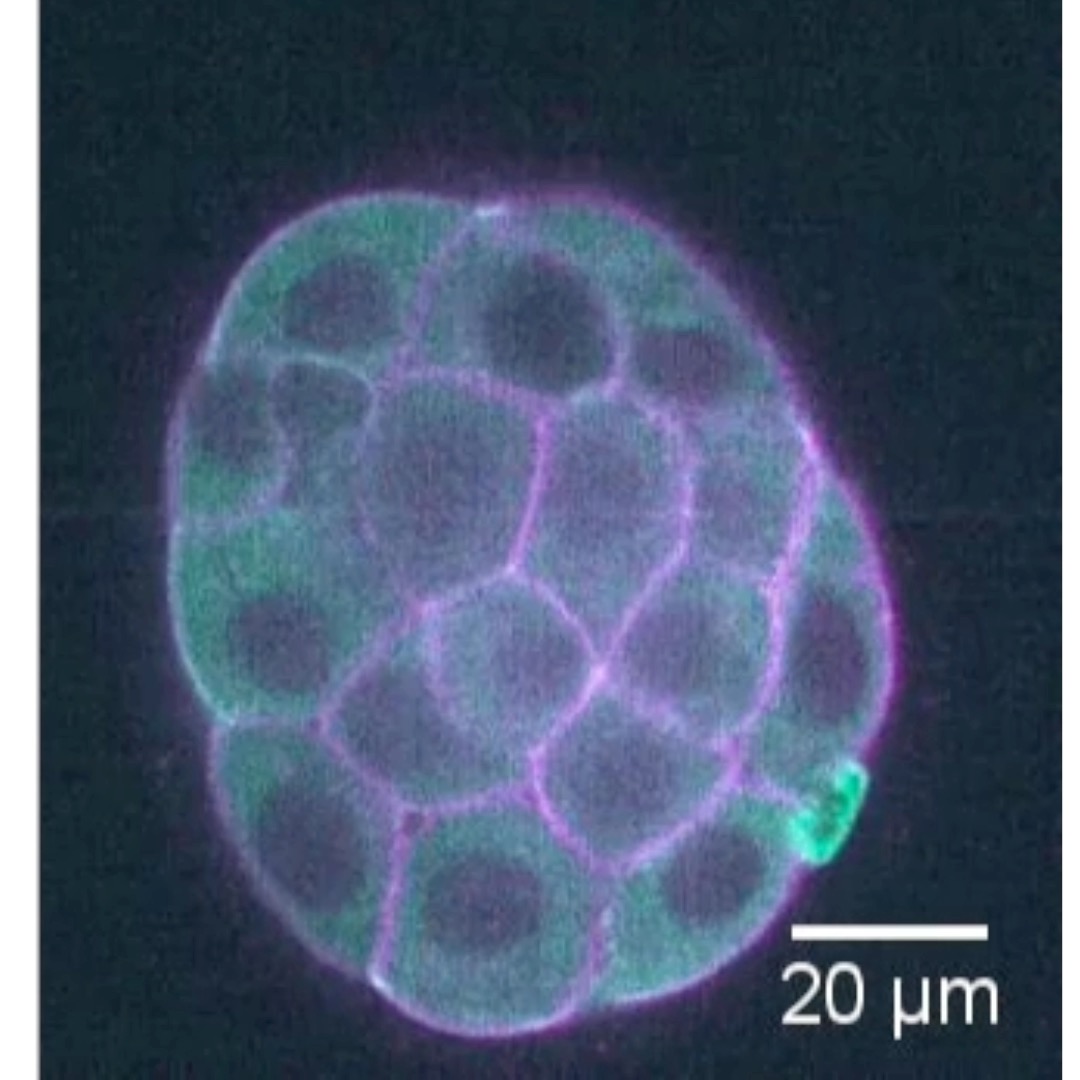
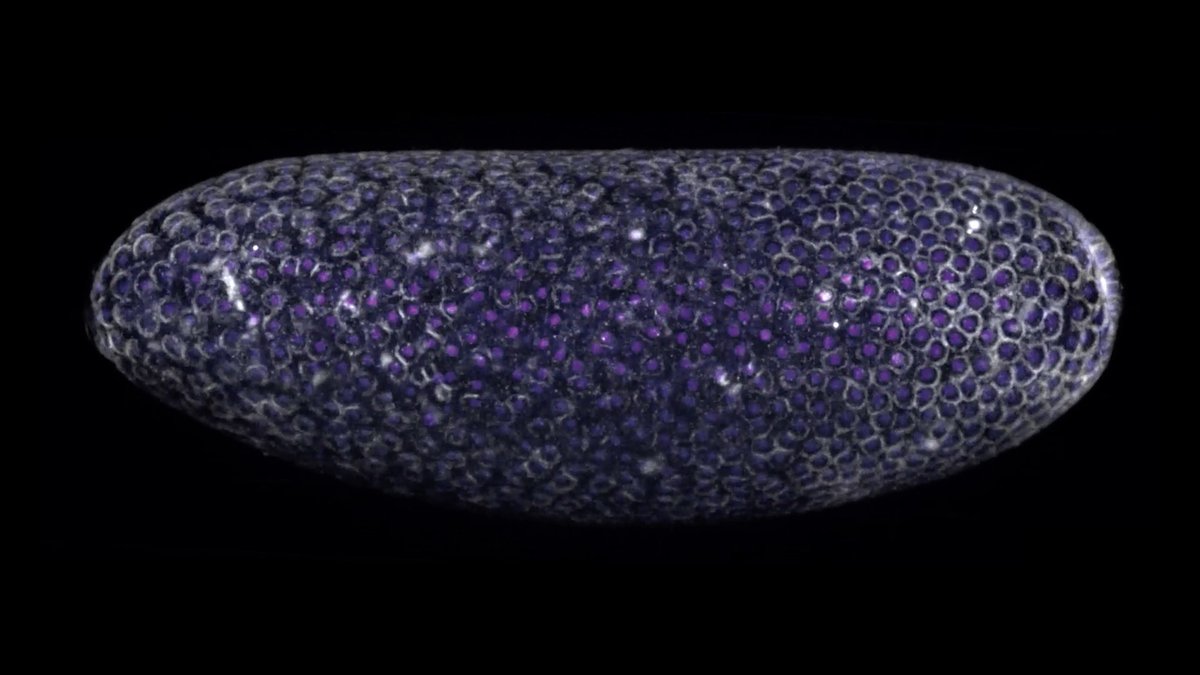
Observe this mouse blastocyst's transformation. At first, it seems as though the cell is almost self-destructing. But these fracturing mechanisms are actually constructive, creating a cavernous space for a mouse fetus to grow in.

Observe this mouse blastocyst's transformation. At first, it seems as though the cell is almost self-destructing. But these fracturing mechanisms are actually constructive, creating a cavernous space for a mouse fetus to grow in.

98,226 次观看

Despite being a warm, wet, and decidedly classical environment, can a living cell maintain fragile quantum states?

Despite being a warm, wet, and decidedly classical environment, can a living cell maintain fragile quantum states?

13,266 次观看

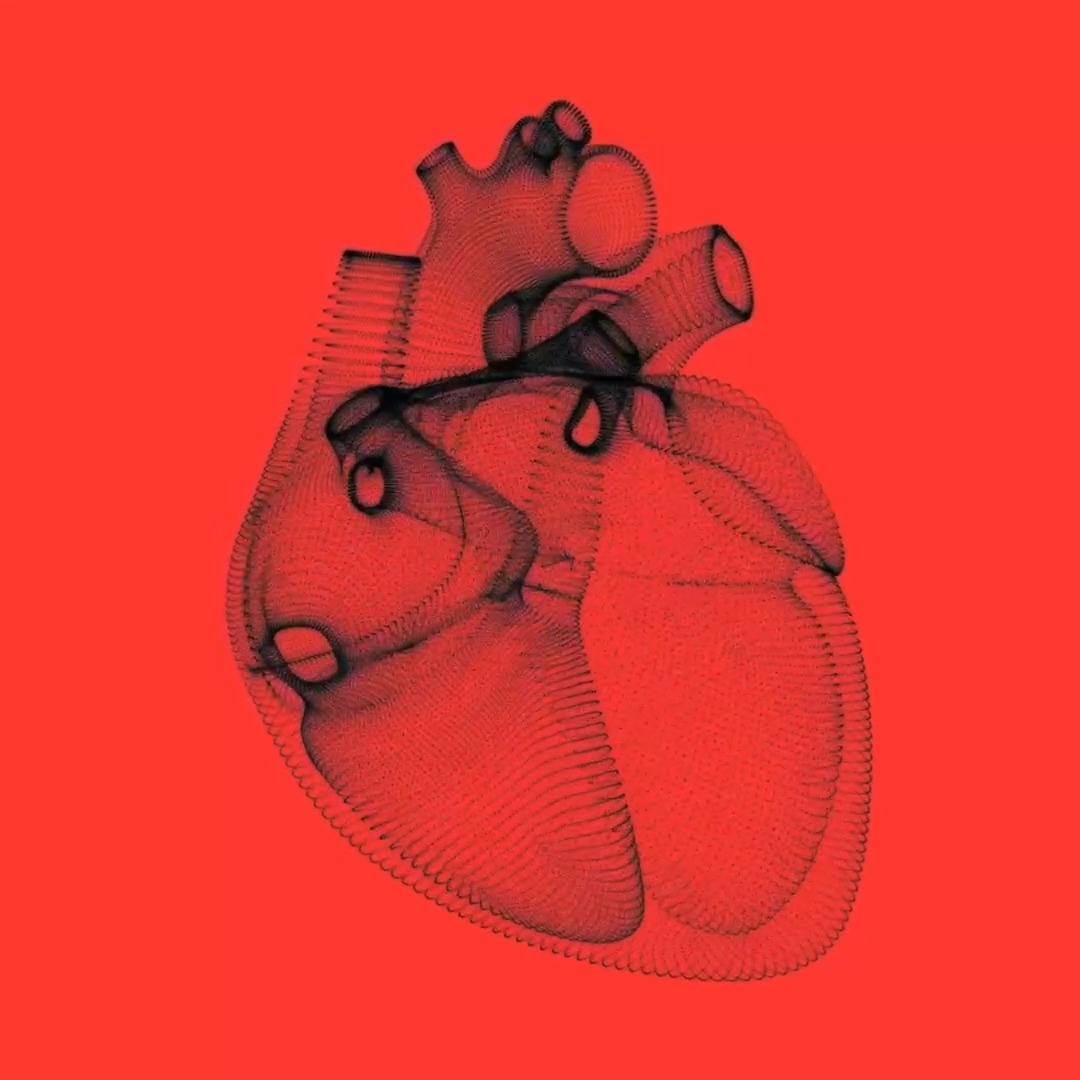
The heartbeat and other bodily processes play a surprising role in shaping perception and cognition.

The heartbeat and other bodily processes play a surprising role in shaping perception and cognition.

19,616 次观看

In 1874, Georg Cantor published one of the most important papers in math’s 4,000-year history. The ideas in it were stolen. 🧵

In 1874, Georg Cantor published one of the most important papers in math’s 4,000-year history. The ideas in it were stolen. 🧵

74,302 次观看

Around 700 million years ago, a group of organisms resembling little more than glowing, gelatinous blobs split off from the rest of the animals, forming possibly the earliest branching animal lineage. Nearly 200 species of ctenophores, commonly known as comb jellies (but unrelated to jellyfish), live today in environments ranging from the cold depths of the sea to warm coastal surface waters. Their magic isn’t just in their persistence or iridescence; it’s in their DNA. Recently, ctenophores have helped answer long-standing questions about fundamental biology, from how early nervous systems evolved to the origins of the mesmerizing phenomenon of bioluminescence. For more than a century, scientists thought that sponges, or porifera, were the first to branch off — the sister group to all other animals. But over the past two decades, evidence has emerged that ctenophores were earlier. In 2023 — after years of a “ping-pong game” between labs debating which group came first, said evolutionary biologist Paul Burkhardt — a landmark paper analyzing chromosome organization found that ctenophores, not sponges, are the sister group, though this is yet to be fully settled. What makes this all the more surprising is that sponges lack muscles and neurons, while ctenophores have muscles and exhibit evidence of a simple nervous system. “If you think about the earliest branching animal lineage, you would expect less complexity,” Burkhardt said. “That changes a lot of the assumptions [about] how the very first animal may have looked.” The more researchers investigate comb jellies, the more complex they appear and the more we learn about the origins of animal life. 🪼 Explore the full gallery:

Around 700 million years ago, a group of organisms resembling little more than glowing, gelatinous blobs split off from the rest of the animals, forming possibly the earliest branching animal lineage. Nearly 200 species of ctenophores, commonly known as comb jellies (but unrelated to jellyfish), live today in environments ranging from the cold depths of the sea to warm coastal surface waters. Their magic isn’t just in their persistence or iridescence; it’s in their DNA. Recently, ctenophores have helped answer long-standing questions about fundamental biology, from how early nervous systems evolved to the origins of the mesmerizing phenomenon of bioluminescence. For more than a century, scientists thought that sponges, or porifera, were the first to branch off — the sister group to all other animals. But over the past two decades, evidence has emerged that ctenophores were earlier. In 2023 — after years of a “ping-pong game” between labs debating which group came first, said evolutionary biologist Paul Burkhardt — a landmark paper analyzing chromosome organization found that ctenophores, not sponges, are the sister group, though this is yet to be fully settled. What makes this all the more surprising is that sponges lack muscles and neurons, while ctenophores have muscles and exhibit evidence of a simple nervous system. “If you think about the earliest branching animal lineage, you would expect less complexity,” Burkhardt said. “That changes a lot of the assumptions [about] how the very first animal may have looked.” The more researchers investigate comb jellies, the more complex they appear and the more we learn about the origins of animal life. 🪼 Explore the full gallery:

13,827 次观看

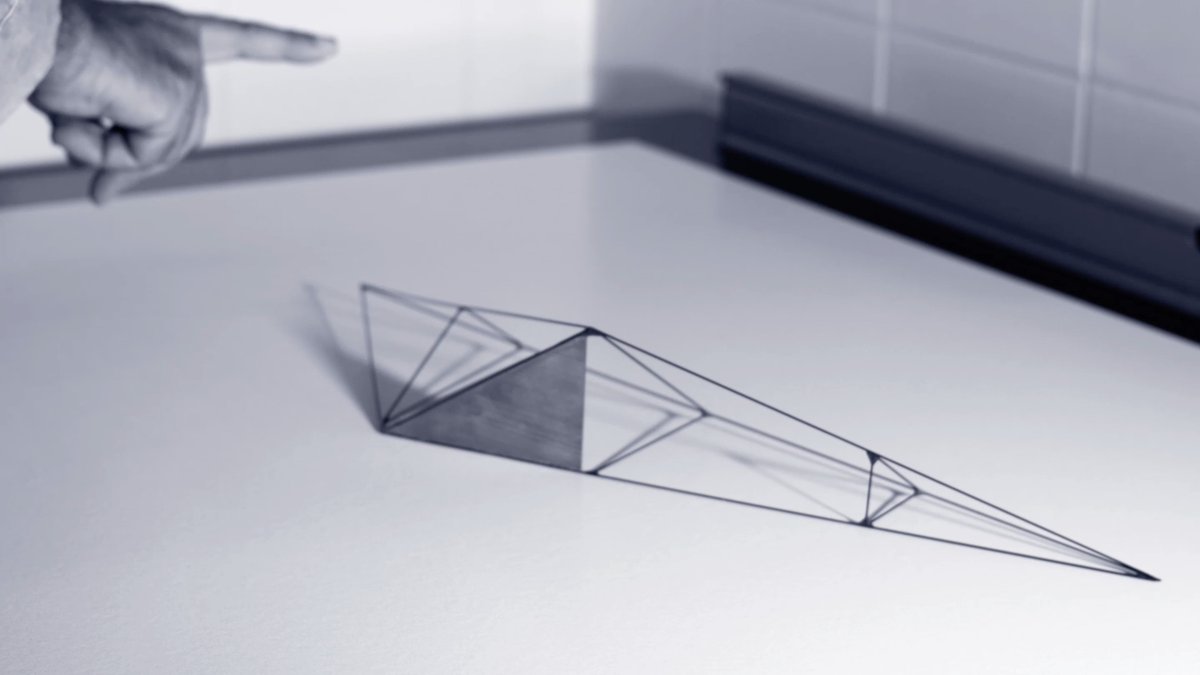
A trio of mathematicians built the first physical model of a “monostable” tetrahedron, a shape that will always flip-flop onto the same face no matter what side you place it on. In order for it to work properly, it had to be engineered to a level of precision within one-tenth of a gram and one-tenth of a millimeter. (From the archive)

A trio of mathematicians built the first physical model of a “monostable” tetrahedron, a shape that will always flip-flop onto the same face no matter what side you place it on. In order for it to work properly, it had to be engineered to a level of precision within one-tenth of a gram and one-tenth of a millimeter. (From the archive)

64,753 次观看

Every time you shuffle a deck of cards, you produce a configuration that has almost certainly never existed before, and never will again. But how do you know when you’ve shuffled enough times to mix up the deck?

Every time you shuffle a deck of cards, you produce a configuration that has almost certainly never existed before, and never will again. But how do you know when you’ve shuffled enough times to mix up the deck?

36,797 次观看

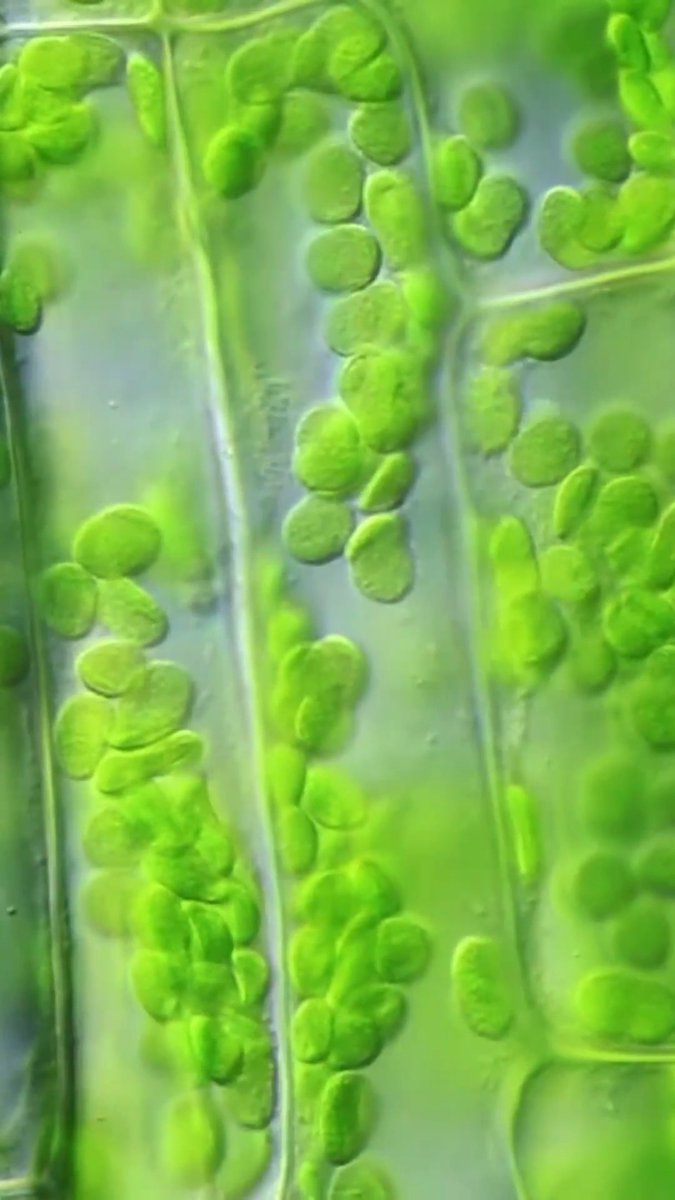
Watch as this plant’s chloroplasts shift in response to bright light (which turns on at the 20-minute mark, indicated in the upper left). These organelles are solving a packing problem: how to optimize photosynthesis without sustaining damage from dangerously intense rays.

Watch as this plant’s chloroplasts shift in response to bright light (which turns on at the 20-minute mark, indicated in the upper left). These organelles are solving a packing problem: how to optimize photosynthesis without sustaining damage from dangerously intense rays.

45,364 次观看

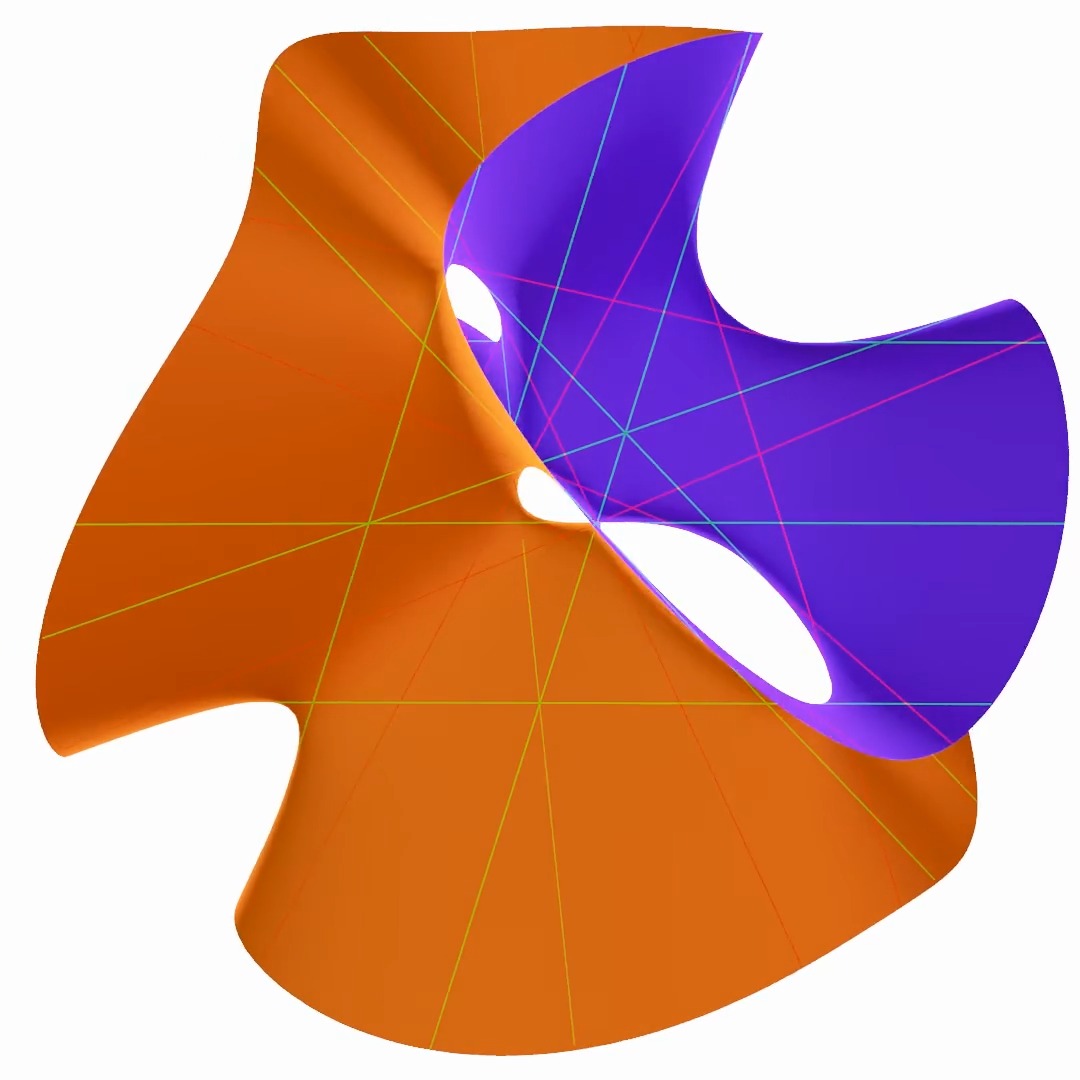
How many lines lie on a cubic surface? (The answer is 27.) A statement that’s been known for nearly 180 years has recently gained fresh nuance and relevance.

How many lines lie on a cubic surface? (The answer is 27.) A statement that’s been known for nearly 180 years has recently gained fresh nuance and relevance.

19,768 次观看

Once considered merely packing peanuts for the brain, new studies suggest that large brain cells called astrocytes supervise the circuits that control brain states like hopelessness, sleep, and hunger. Ingrid Wickelgren reports:

Once considered merely packing peanuts for the brain, new studies suggest that large brain cells called astrocytes supervise the circuits that control brain states like hopelessness, sleep, and hunger. Ingrid Wickelgren reports:

61,968 次观看

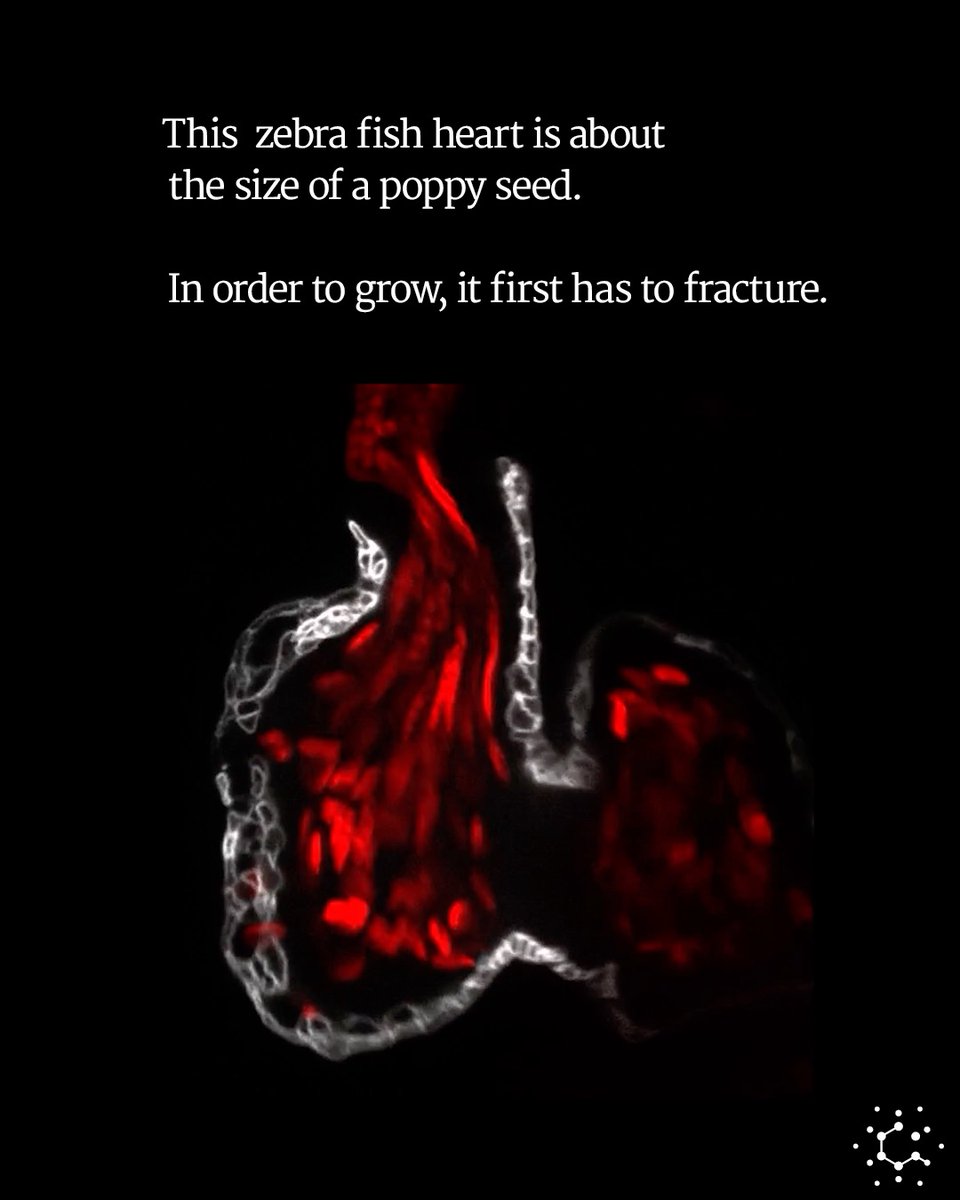
Living tissues can withstand immense forces, but no organ is quite as lively or forceful as the heart. The zebra fish heart — which is about the size of a poppy seed — beats 150 times per minute. It expands nearly twice its size and then contracts with each rhythmic pulse.

Living tissues can withstand immense forces, but no organ is quite as lively or forceful as the heart. The zebra fish heart — which is about the size of a poppy seed — beats 150 times per minute. It expands nearly twice its size and then contracts with each rhythmic pulse.

54,383 次观看

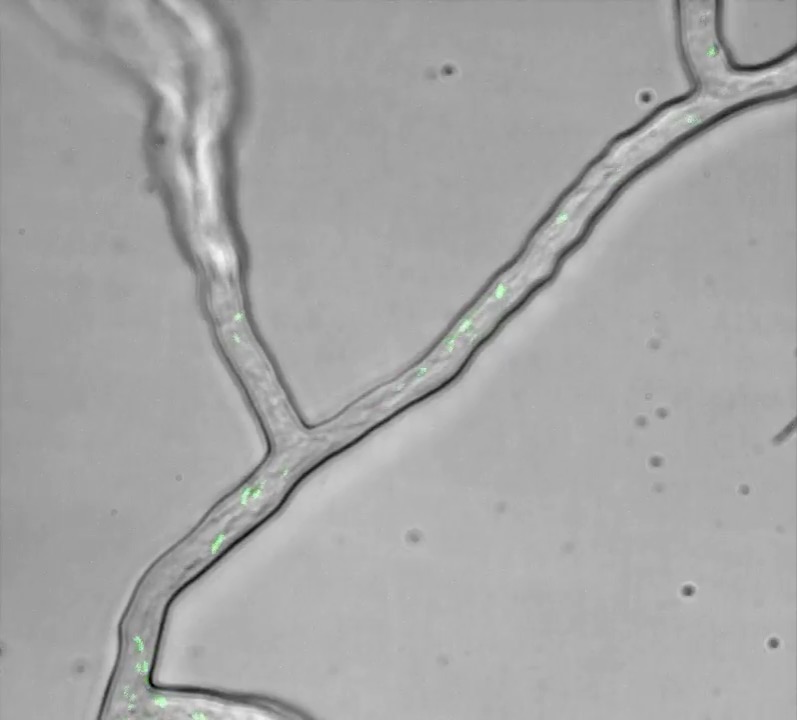
Meet the ultimate gatekeeper of the nucleus. This molecular machine determines what compounds are welcome inside and which shall not pass. The mechanism behind its selectivity remains a mystery.

Meet the ultimate gatekeeper of the nucleus. This molecular machine determines what compounds are welcome inside and which shall not pass. The mechanism behind its selectivity remains a mystery.

31,556 次观看

Videos

没有更多内容可加载