RetroBayArea
@RetroBayArea • 10,582 subscribers
An indie project featuring 💯 original video edits that document the culture & everyday life in the SF Bay Area. 1950s - mid-2000s. - DM or email for business.
Shorts

Videos

We used to have electric trains on the lower deck of the Bay Bridge. By 1958, they were gone, systematically eliminated by design. We had a cheap, efficient, practically pollution-free transit system, the nucleus of what could have been the best and most extensive in the world, until the automobile industry and its allies coldly orchestrated its complete destruction. Harre Demoro was a longtime Bay Area journalist and author of more than a dozen books on urban transportation. While at the Oakland Tribune, he covered BART’s design and engineering; that work is reported to have earned him a 1968 journalism medal from the National Society of Professional Engineers for “The Most Significant Writing on Engineering.” source footage 🎥: KTVU & Don McCauig
RetroBayArea705,720 просмотров • 2 месяцев назад
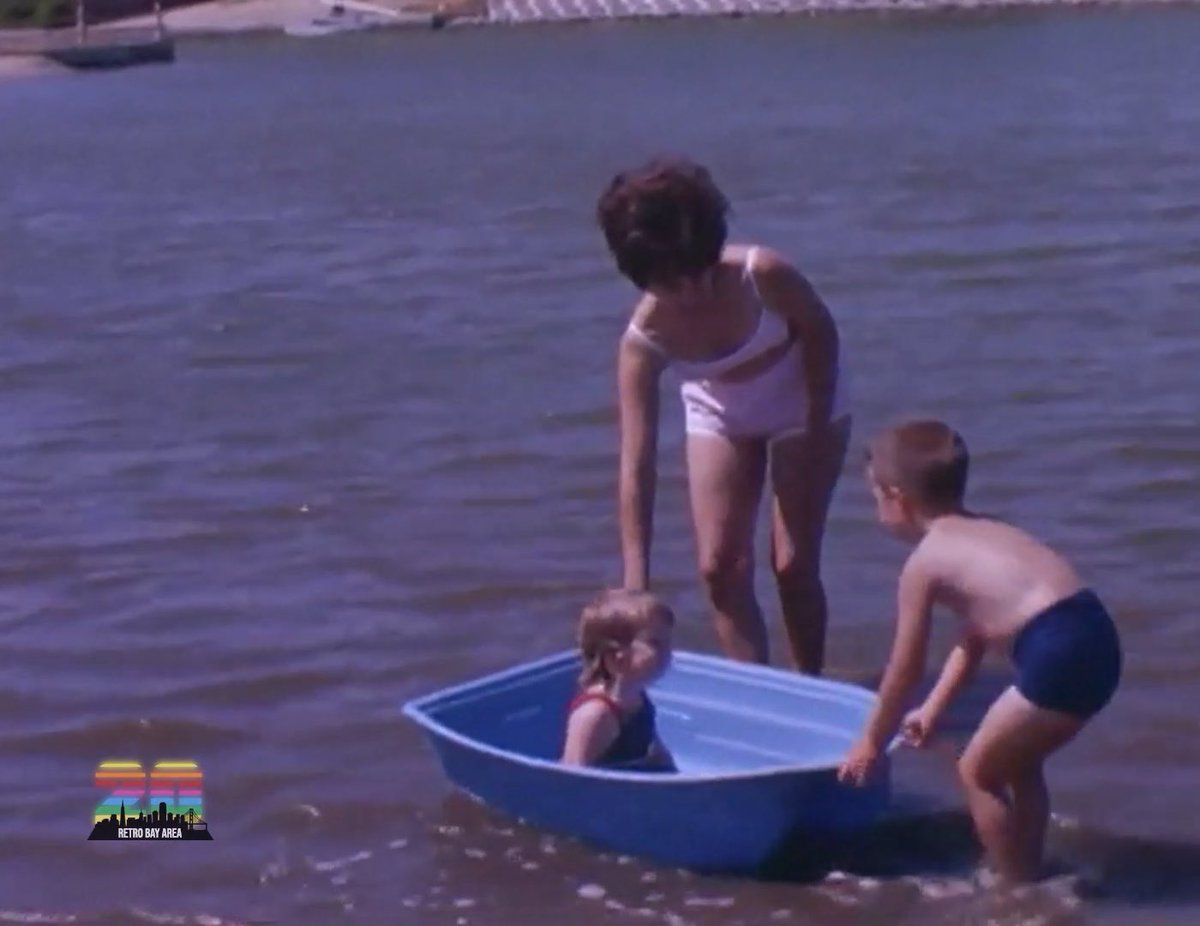
This is Foster City in 1966. When T. Jack Foster and his sons began transforming it into a master-planned community, they designed the city around a massive artificial lagoon network. Marketing materials from the 1960s heavily pushed swimming as part of an idyllic, aquatic lifestyle, promising residents direct waterfront access right from their backyards. That was the pitch that sold the houses. These days, swimming barely gets a mention.
RetroBayArea73,019 просмотров • 12 дней назад

In 1980, San Francisco neighbors wanted this motorcycle club gone. Not long after, they were babysitting the block. The Sons of Hawaii, once labeled an outlaw motorcycle gang by the Department of Justice, faced opposition from residents when they moved into a San Francisco neighborhood. Some even started a petition to have them removed. Yet before they arrived, the area struggled with frequent burglaries. Once they settled in, the burglary rate dropped to zero. Soon, the same neighbors who once wanted them gone were sharing lawn care tips, swapping recipes, baking apple pies, and even having them babysit their kids. Turns out all they really needed was a neighborhood watch that meant business. source footage 🎥: VideoWest
RetroBayArea178,805 просмотров • 1 месяц назад

A San Jose Raging Waters promo from 1991. This aired all summer on NBC Bay Area and Hot 97.7 FM. The guy rapping is Jeffrey Vandergrift (JV) from The Dog House with Elvis Medina. JV is one of several people getting inducted into the Bay Area Radio Hall of Fame (BARHOF) today. A lot of people still know this one the second the beat starts. source footage 🎥: HOT 97.7FM
RetroBayArea35,034 просмотров • 9 дней назад


This is what it looked like at Eastridge Mall in San Jose in 1992. I used to go there with my buddies just to look at metal CDs, and a lot of the time we picked albums based on the cover art alone. CDs weren’t cheap back then, but somehow the music and the album itself felt like they were worth more than music does today, where everything is just streamed. source footage🎥: Tom Casual
RetroBayArea110,480 просмотров • 1 месяц назад

The San Francisco dating scene in the 1990s. Before all the apps, people met at places like this. In 1994, Marcia Kimpton, KTVU’s San Francisco culture reporter, stopped by Noah’s to get a handle on what was going on in the Marina on the weekends. You probably don’t know most of the people in this video. But you also know everyone in this video. source footage 🎥: Marcia Kimpton & KTVU
RetroBayArea214,153 просмотров • 3 месяцев назад

Mountain View in the late 1980s. This was the Mountain View High School football team in 1988. Every football player you remember from high school is right there. They were there then, they are there now, and they will still be there forty years from today. Mountain View was suburbia. Rows and rows of single family homes, and El Camino Real lined with liquor stores, motels, car lots, and strip malls. The same stores for miles and miles. Friday nights meant high school football. After dark the parking lots filled with kids who had nowhere else to be, just loitering the way high school kids did then. That was what youth looked like. Nowhere to go. Nothing to do. A whole night in a town that packed it in early. I miss it now because I didn’t know that was the good part.
RetroBayArea103,907 просмотров • 1 месяц назад


This is what Mission Bay looked like before it was developed. San Francisco, 2000. In 2000, Mission Bay was a mostly vacant, industrial area with old rail yards, warehouses, and empty lots. Redevelopment was just beginning, but it wasn't at all the neighborhood it is today. It was a gritty, underdeveloped space with little residential presence, perfect for off-the-books activities. Mission Bay would’ve been a prime spot for Tony Soprano: cash-only sandwich spots, a trucking or warehouse front, a no-questions-asked chop shop, or a low-key gambling operation. If you needed to move some goods, cook some books, or make a few inconvenient problems disappear, Mission Bay had you covered. 🎥: Michael M. Moore
RetroBayArea351,270 просмотров • 7 месяцев назад

The biggest Chuck E. Cheese in the United States. San Jose, 1989. The first-ever Chuck E. Cheese opened in San Jose on May 17, 1977. It was originally called Chuck E. Cheese’s Pizza Time Theatre and was founded by Nolan Bushnell, who also co-founded Atari. Bushnell’s idea was to combine arcade games, food, and animatronic entertainment to create a fun place for families and kids. The original restaurant was located at 370 S Winchester Blvd and closed in February 1985. The location in this video, at 2445 Fontaine Rd, opened in December 1981 and is still open today. It's the largest Chuck E. Cheese in the United States and has a 30-foot statue of Chuck facing Tully Rd. Source footage 🎥: Artigas Verlag & Joe Martin
RetroBayArea89,813 просмотров • 1 месяц назад


High school seniors posing for their class photo in 1985 at San Mateo High School.
RetroBayArea32,758 просмотров • 21 дней назад

Creating a 'world of elegance' for 1980s Nordstrom shoppers in Walnut Creek. For decades, live pianists on grand pianos were a signature part of the Nordstrom experience all over the Bay Area. Looking back at clips like this, it’s a bittersweet reminder of a time when department stores focused on atmosphere and elegance, showing how today's retail industry has phased out the small, human details that customers remember the most. source footage 🎥: KRON, 1986
RetroBayArea60,569 просмотров • 1 месяц назад

Where the Wild Things Are exhibit at the Metreon. San Francisco, 2000. When the Metreon opened, one of the best things about it was the Where the Wild Things Are exhibit. It was designed with input from Maurice Sendak himself. The exhibit opened in the summer of 1999 and closed in 2004. For a few years the Metreon was awesome. Then the imagination got stripped out and it became just a Target and a food court. source footage 🎥: Jed Lee
RetroBayArea27,837 просмотров • 24 дней назад


This is what Malibu Grand Prix in Redwood City was like in the 1980s. It opened in 1979 and closed in August 2013. There were go-karts, video games, a photo booth, mini-golf, and probably countless first dates and birthday parties that took place there. It was so loved by the Bay! Malibu lasted for 34 years and is a core memory for so many generations of Bay Area families and locals who grew up going there. Sadly, the ghost of Malibu still haunts the side of Highway 101. I look at it every time I pass by. The palm trees are still there and they’re almost all dead. A part of me likes seeing the ruins. Another part of me wishes they would finally develop the lot so I wouldn’t have to see it anymore. I know that even when they do put a building there, I’ll still always think of Malibu whenever I drive by. source footage 🎥: Atari
RetroBayArea69,272 просмотров • 2 месяцев назад
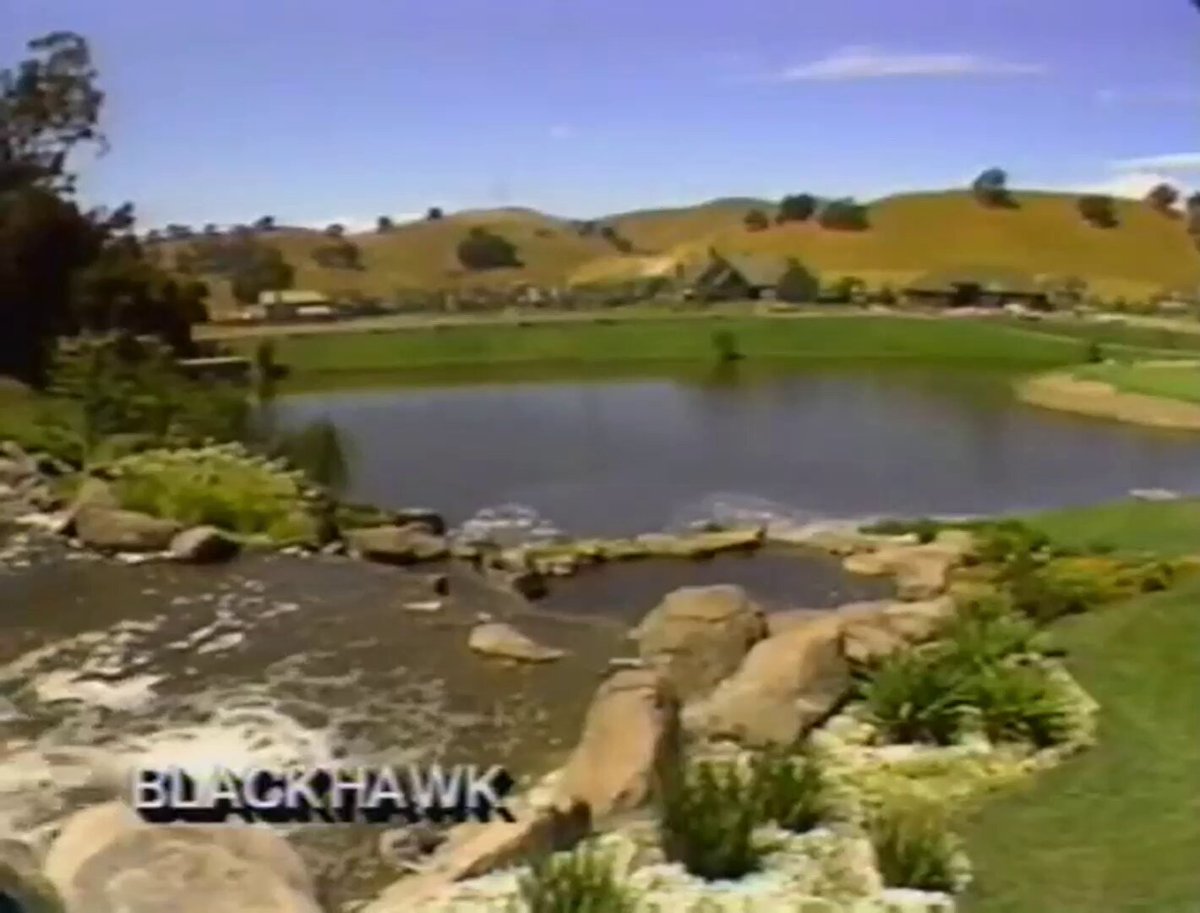
In the 1980s Blackhawk was the East Bay’s loudest display of new wealth. Years ago, I took a shared Uber and ended up driving in circles in Blackhawk for over 45 minutes. I met a few other unique and interesting passengers during that time. One of them, an older guy, told me to make sure I enjoy spending time with my family because it’s the only thing that truly matters in life. He went on to tell me not to work so hard because life always works itself out. When the driver arrived at his place to drop him off, he got serious and looked me dead in the eye as he told me that if I focus too much on work and not enough on my family, one day I would be walking into an empty home like he does day after day, year after year. It was an empty mansion. The following Monday, I took the day off work and spent it with the family. Blackhawk is an affluent unincorporated master-planned community known for its luxurious homes, gated communities, and upscale amenities, including a country club, golf courses, and shopping centers. source footage 🎥: KRON, 1986.
RetroBayArea46,350 просмотров • 1 месяц назад