WANA Visuals
@wana_visualss • 211,679 subscribers
West Asia & North Africa - Alexandria University - Sociology 🐈
Shorts


Videos

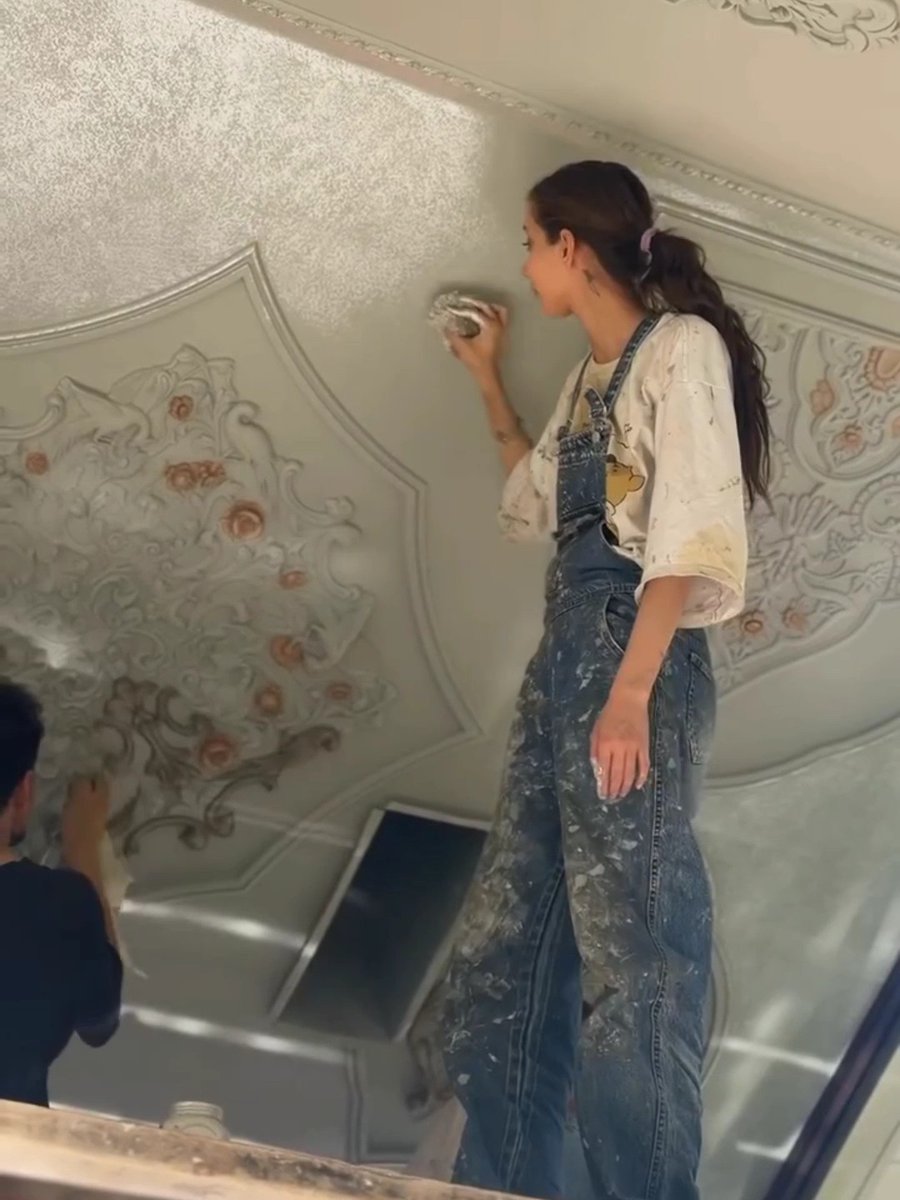
🎨🇮🇷 Iranian women artists in Iran creating intricate ceiling decorations.
WANA Visuals220,769 views • 6 days ago

🇱🇧 "Madonna and Child" by Lebanese Muslim artist Nour Badawi
WANA Visuals1,212,927 views • 3 months ago

☦️🇮🇶 Iraqi Christians visiting the Shrine of Imam Hussein in Karbala, Iraq. Some Iraqi Christians visit the Shrine of Imam Hussein alongside their Muslim neighbors. For them, it is a gesture of respect for Hussein's legacy of justice, sacrifice, and standing against oppression.
WANA Visuals971,975 views • 3 months ago


🇪🇬 Actor Omar El Sherif was an Egyptian Christian, but chose Islam for love. Omar El Sherif was born in Alexandria in 1932 to a Christian family. In 1954, he met the famous Egyptian actress Faten Hamama and fell in love with her. Faten Hamama was Muslim, and in order to marry her, Omar El Sherif converted to Islam. They married in 1955 and later had a son, Tarek. Their marriage eventually ended, but Faten Hamama remained an important part of Omar El Sherif’s life.
WANA Visuals183,316 views • 1 month ago

🇺🇸🇮🇷 The USA vs. Iran match at the 1998 World Cup carried one of the heaviest political weights in football history. Before kickoff, a major protocol crisis emerged: FIFA rules required Iranian players to walk toward the Americans for the pre-match handshake, but Iran’s Supreme Leader Ali Khamenei strictly forbade it. The deadlock was broken only when the American players, coordinating with French and FIFA officials, agreed to waive the protocol and walk toward their opponents instead. This gesture transformed the tension into a historic display of sportsmanship, with both teams posing arm-in-arm and Iranian players presenting white roses to their rivals. While Iran won the match 2-1, the game ended with players swapping jerseys in a show of brotherhood. As US defender Jeff Agoos famously put it: "We did more in 90 minutes than the politicians did in 20 years."
WANA Visuals905,444 views • 5 months ago


🇮🇷 Why are Persian carpets so expensive? Here’s your answer. 4 master weavers working side by side on a large living-room carpet. They look at the pattern and tie thousands of knots every day with perfect precision. It takes more than a year to finish a piece like this.
WANA Visuals470,506 views • 4 months ago

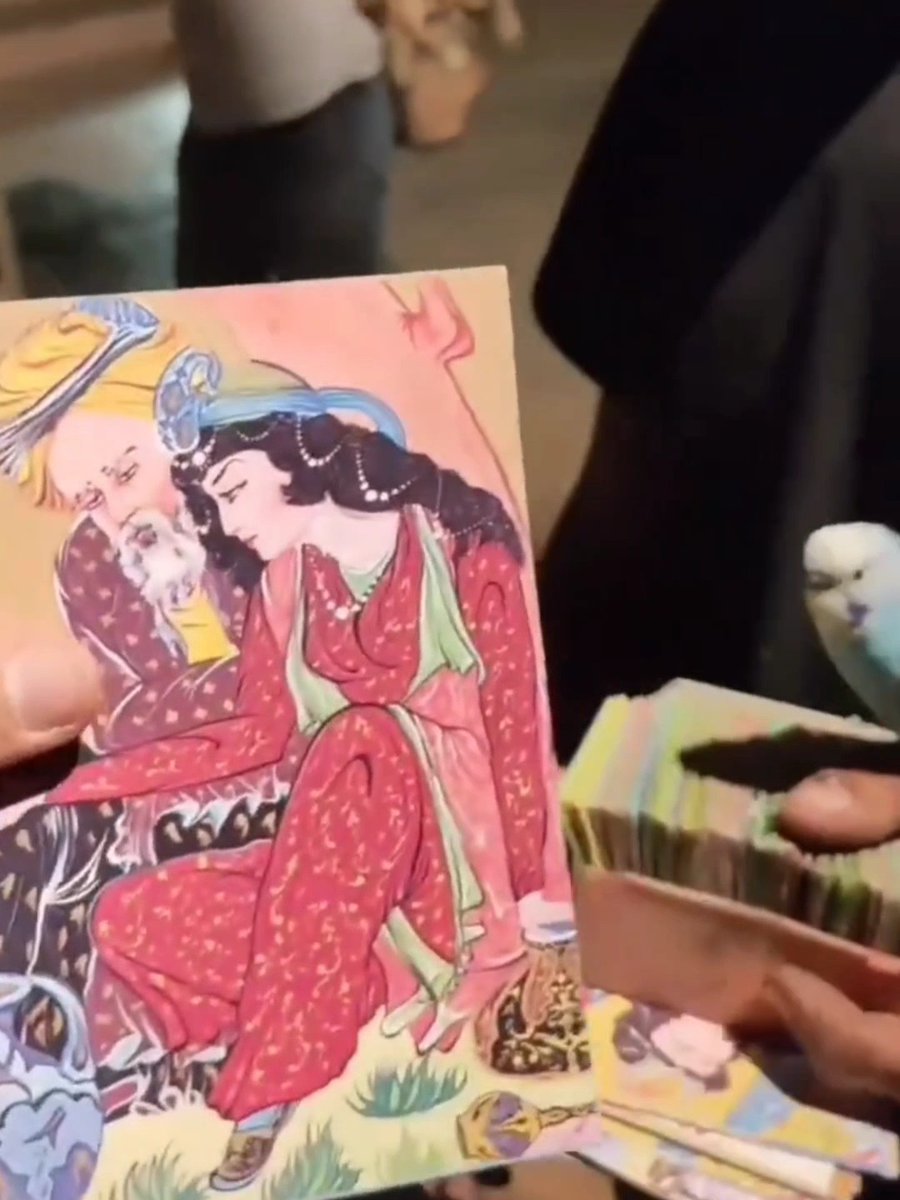
🇮🇷 A fading tradition at the Tomb of Hafez: A tiny parakeet draws a line of Hafez’s poetry or words from a box, bringing the rush of modern life to a gentle, poetic halt. "Stay close to any sounds that make you glad you are alive." Hafez, Persian Poet, 14th Century
WANA Visuals93,418 views • 1 month ago

🎸 Tuareg Blues, often referred to as Desert Blues, is a hypnotic and deeply evocative genre of music that originates from the Imazighen people of the Sahara Desert, spanning Mali, Niger, Algeria, Libya, Burkina Faso and many other countries. Rooted in centuries-old Imazighen traditions, it merges the haunting melodies of North African Imazighen music with the raw energy of American blues and rock. The Imazighen, have long used music as a means of storytelling, resistance, and cultural preservation. Traditional Imazighen music was played on instruments like the teherdent (a type of lute) and the imzad (a one-stringed violin, traditionally played by women). However, in the late 20th century, as Imazighen communities faced displacement, political struggles, and exile, many young musicians turned to the electric guitar, inspired by the revolutionary sounds of Western blues, rock, and reggae. This fusion created a distinct style-characterized by pentatonic scales, hypnotic rhythms, call-and-response vocals, and the steady, trance-like repetition reminiscent of both Saharan folk chants and Mississippi Delta blues. The influence of artists like Ali Farka Touré, whose Malian blues style bridged African and American blues traditions, also helped shape the genre. The music features driving guitar rhythms, often with reverb-heavy electric guitars that produce a shimmering, almost psychedelic effect. Call-and-response vocals reflect lmazighen oral traditions and communal storytelling. The lyrics are poetic and political, speaking of exile, freedom, rebellion, and the vast beauty of the desert. The hypnotic, repetitive structure of the music creates a trance-like atmosphere, deeply connected to the rhythms of nomadic life and the endless expanse of the Sahara. by Houssaine Ousbouh
WANA Visuals517,328 views • 6 months ago

A mother cat going to her nest in a mosque in Turkey. The cat is considered "the quintessential pet" by many Muslims, and is admired for its cleanliness. Unlike many other animals, Islamic Law considers cats ritually pure and that cats possess barakah (blessings), and allows cats to freely enter homes and even mosques. Cats are believed to be the most common pet in Muslim countries.
WANA Visuals749,498 views • 10 months ago
