Video yükleniyor...
Video Yüklenemedi
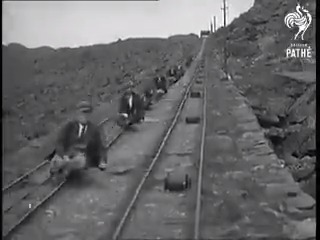
1935 quarrie workers ride the rails with this device while returning from work.

1,419,730 görüntüleme • 2 yıl önce •via X (Twitter)
8 Yorum

This is the oldest wooden staircase ever discovered in Europe, and possibly even in the world. The 3100-year-old staircase was found at the Hallstatt salt mine in northern Austria. It measures 8 meters in length and 1.20 meters in width, representing the typical construction style of the Bronze Age. The discovery of this ancient wooden staircase at the Hallstatt salt mine in northern Austria was a result of archaeological excavation efforts. The Hallstatt salt mine is known for its rich history dating back to prehistoric times. Archaeologists and researchers systematically excavated the site, uncovering layers of history hidden beneath the earth. The wooden staircase was found through meticulous digging and careful examination of the surrounding area, allowing experts to piece together the story of this remarkable Bronze Age construction. The significance of the find lies not only in its age and construction style but also in the insights it provides into the technologies and engineering methods of the past.

Coal miners in Belgium crammed in a mine elevator coming up after a long days work in 1900.
This is the oldest wooden staircase ever discovered in Europe, and possibly even in the world. The 3100-year-old staircase was found at the Hallstatt salt mine in northern Austria. It measures 8 meters in length and 1.20 meters in width, representing the typical construction style of the Bronze Age. The discovery of this ancient wooden staircase at the Hallstatt salt mine in northern Austria was a result of archaeological excavation efforts. The Hallstatt salt mine is known for its rich history dating back to prehistoric times. Archaeologists and researchers systematically excavated the site, uncovering layers of history hidden beneath the earth. The wooden staircase was found through meticulous digging and careful examination of the surrounding area, allowing experts to piece together the story of this remarkable Bronze Age construction. The significance of the find lies not only in its age and construction style but also in the insights it provides into the technologies and engineering methods of the past.
Workers for the Calumet and Hecla Mining Company in Michigan prepare for the long ride down into the copper mines to work, 1906. It was the deepest mine in the world until 1915, with a vertical depth of 5,500 feet (1,676 meters).

And everyone wearing a jacket and tie. Those were the days...
In the early 1900s, in Utah or Colorado, USA, a young miner boy toiled in the coal mines. Thousands of boys under the age of 14 were employed in these dangerous underground tunnels. The process involved drilling, blasting, and digging coal. However, this hazardous occupation posed numerous risks such as cave-ins, fires, explosions, and gas poisoning. Additionally, there were other perils like floods, dust-filled air, and accidents involving machinery. The youngest boys, usually below the age of ten, worked as "breaker boys," responsible for picking out slate from the extracted coal. Those who proved themselves through hard work could be promoted to the positions of "door boy" or "mule boy." By the late 1800s, several states and territories had enacted laws to regulate the working conditions of children. However, these laws were often disregarded, especially in impoverished communities or among immigrant families. Recognizing the urgency of the issue, the National Child Labor Committee was established in 1904 by socially concerned citizens. From 1908 to 1912, Lewis Hine, a photographer, documented children working in various industries. As a result of Hine's efforts and the public awareness generated, stricter laws were enacted. In 1938, Congress passed the Fair Labor Standards Act, popularly known as the Federal Wage and Hour Law. This legislation set a minimum wage, established a 40-hour workweek, and prohibited children under the age of eighteen from engaging in hazardous jobs, including mining.

How the country was built 😳

My pagoda Thien Ton Phat Quang at Vietnam 🇻🇳 still use the machine similar your video.