Video yükleniyor...
Video Yüklenemedi
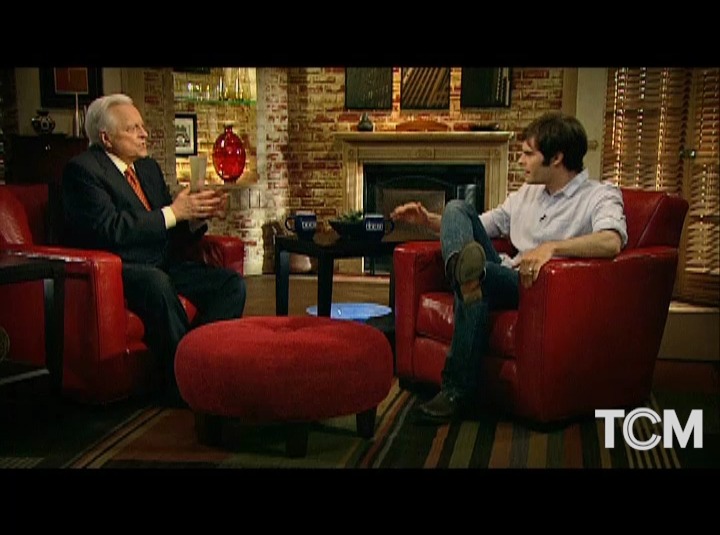
1960, Orson Welles explained how he wrangled complete creative control for his first film, Citizen Kane, as well as the value of “ignorance” to break through old ideas.

9 Yorum

@gudmundson_per

1960, the year I was born, and 50 years before I would learn this most valuable of lessons. "The most exciting phrase to hear in science, the one that heralds new discoveries, is not "Eureka!" (I found it!) but "That's funny…". — Isaac Asimov "Come to me as a child." - Truth

...."simply by not knowing they were impossible..." And that, is how you create something that every "expert" claims you cannot. Been there. Actually done that.

‘On Fame’ John Keats ‘Fame, like a wayward girl, will still be coy To those who woo her with too slavish knees, But makes surrender to some thoughtless boy, And dotes the more upon a heart at ease.’

Willingness to test what is really ‘true’, and what is really possible… When one does, and think deeply, then one may discover new amazing possibilities… right in front of one’s eyes…

Every interview I've ever seen of Orson Welles is unforgettable. The man loved talking to people.

"I am aware how brash this commentary will seem, coming from me, who have no competence or learning in science. The issue I am attempting to deal with, however, is not knowledge but ignorance. In ignorance I believe I may pronounce myself a fair expert." - Wendell Berry

As someone who learned TV on a $130,000 camera made of tubes he is right.

His last statement about doctors rings familiar in the wake of C-19. This should be humbling.


![Orson Welles on Alfred Hitchcock's "Shadow of a Doubt" (1943) "Welles: The American movie [by Hitchcock] I liked most was the one Thornton Wilder wrote. Joseph Cotten was in it Bogdanovich: "Shadow of a Doubt" (1943)—it’s his favorite, too. Welles: Thornton’s natural warmth was a big help. There’s a certain icy calculation in a lot of Hitch’s work that puts me off. He says he doesn't like actors, and sometimes it looks as though he doesn’t like people." ("This is Orson Welles", Orson Welles and Peter Bogdanovich, 1992) P.S: Remembering Joseph Cotten on his 121st birthday!](https://image.24vids.com/tw-2055317350296219962/amplify_video_thumb/2055317208646246400/img/XrN5Yy_duY-WGLyK.jpg)