Loading video...

Video Failed to Load

Go Home

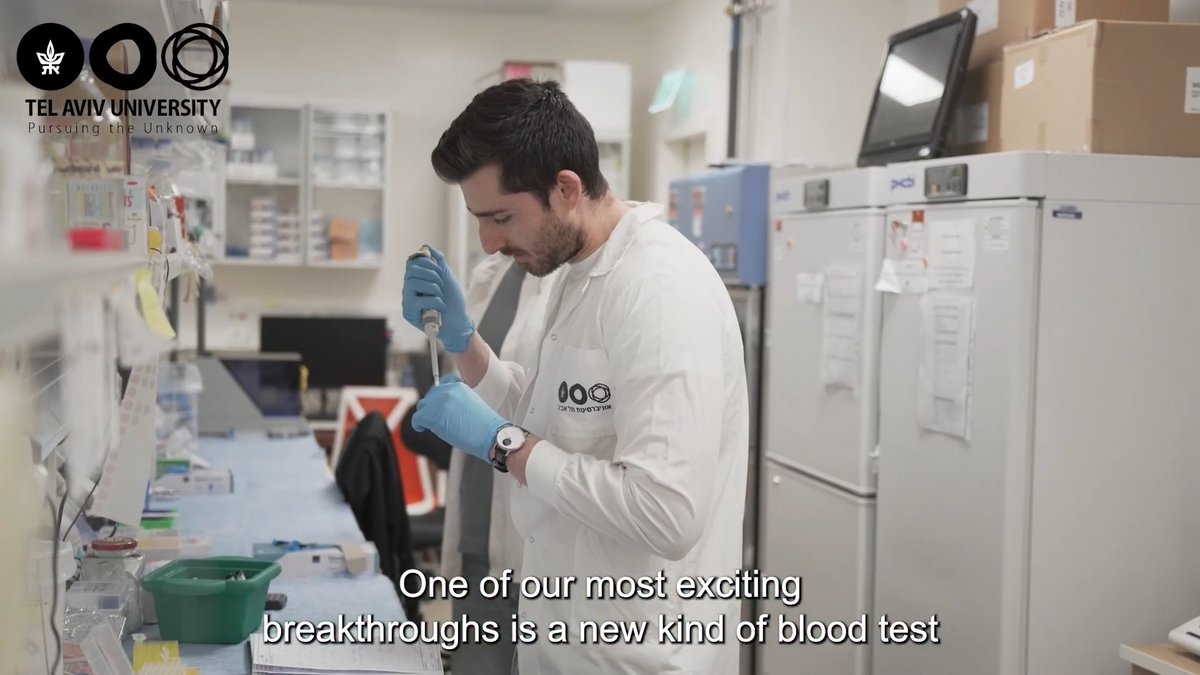
2. Multi-Omics & CRISPR Forget sick care. Precision medicine is here. • Diagnose cancer from a blood test • Cure sickle cell in one treatment • Edit your genes before symptoms appear ARK expects a $26T market in genomics and biotech.
83,441 views • 1 year ago •via X (Twitter)

0 Comments

No comments available

Comments from the original post will appear here

Related Videos

The Chemotherapy Paradox – A "Cure" That Preserves the Root of Cancer? You've been told chemotherapy is a cornerstone of cancer care. But what if the standard of care is fundamentally flawed, suppressing the very system designed to heal you while protecting the engine that drives the disease? In a stunning exposition, Dr. Paul Marik pulls back the curtain on oncology's biggest dilemma. Here's the shocking truth: - Chemotherapy annihilates your immune army. It wipes out your natural killer cells and T-cells—the very soldiers your body needs to fight cancer. You are immune-suppressed, allowing the tumor a clearer path to proliferate. - Chemotherapy preserves the cancer stem cell. This is the root of the tumor. While chemo kills rapidly dividing cells, it often leaves the stem cell—the queen bee—untouched. From this root, the cancer indefinitely divides, mutates, and regrows. - Some chemo drugs may even STIMULATE the stem cell. That's right. The very treatment intended to kill cancer can, in some cases, fuel its source. "So you can't cure the patient unless you get rid of the cancer stem cell," states Dr. Marik. "Interestingly, chemotherapy doesn't kill the stem cell." This explains why "remission" is not a "cure." The cancer can return 7, 8, or 10 years later because the root was never addressed. You are in remission, not cured. The conclusion? The high-dose, "burn-and-cut" approach of traditional oncology is not holistic. It weakens the host and empowers the enemy's most resilient forces. Dr. Marik confirms: The efficacy depends on the tumor type. Cancers with a low percentage of stem cells can see long-term remission. But for many, it's a ticking time bomb. This isn't an opinion; it's a biological reality. It’s time for a paradigm shift. Share this to spark a crucial conversation. The future of oncology depends on it.

Camus

69,662 views • 9 months ago