Загрузка видео...
Не удалось загрузить видео
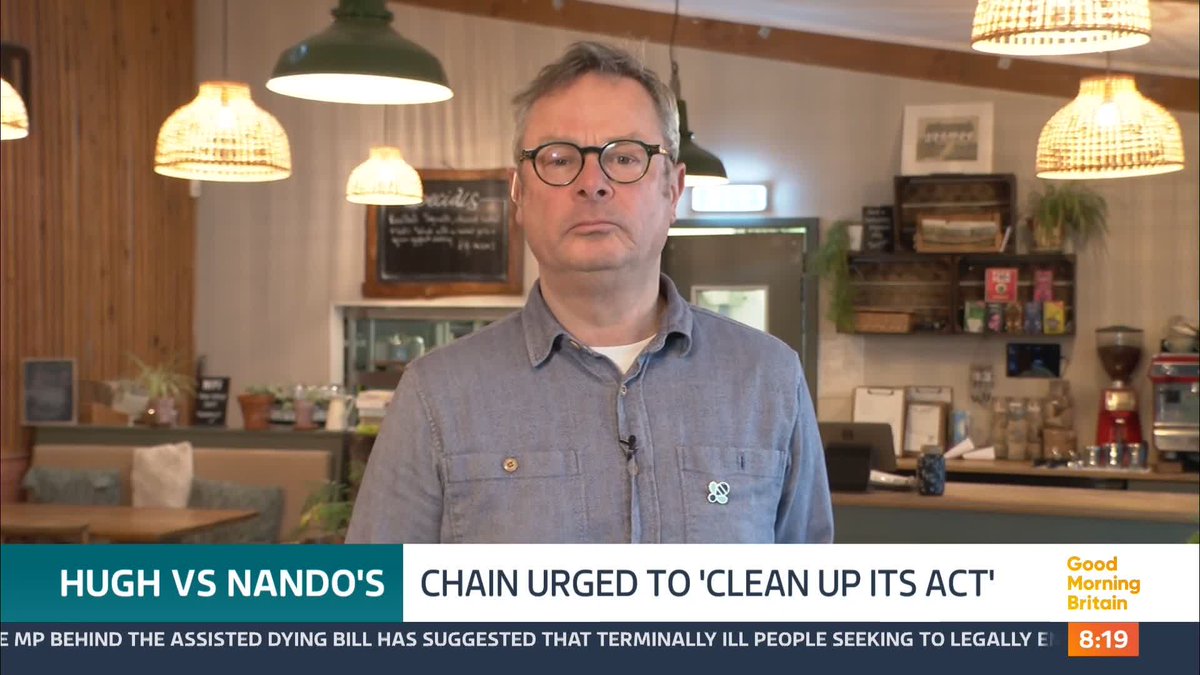
📝 650 letters, one message: it’s time for #REALChange. 🌍 Chef and campaigner Hugh Fearnley-Whittingstall led a coalition of scientists, business leaders and activists to deliver open letters from every UK constituency to Keir Starmer—urging him to bring back the #CANBill for a debate and vote.
12,860 просмотров • 1 год назад •via X (Twitter)
Комментарии: 6

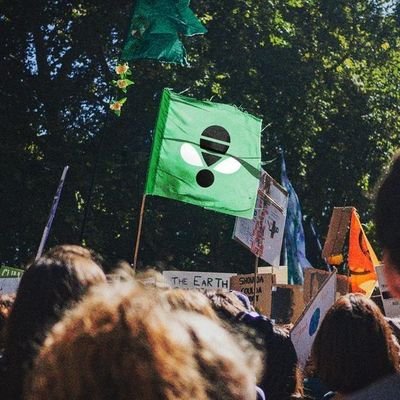
🐝 The pressure is building. Join the Climate and Nature Bill campaign today. 👉 #CANBill

Build your influence on the world's digital town square.

Halfway stage in 4th T20. Time to defend, follow along 👇

It HAD to be Jess Fishlock! 👏 Wales' all time top goalscorer has them back on level terms at Arena St Gallen. ✅ 🏴 Wales 1-1 France 🇫🇷 📻 Listen LIVE on @BBCRadioWales 📲 Follow live text on the @BBCSport website/app #BBCFootball #WEURO2025

A very sensible decision ... please adopt the EU REACH laws now. 9th July 2025 Huge win for health and environment as the UK agrees to align with the EU on pesticide regulation. Since Brexit, Great Britain have slowly dropped their standards on pesticides. We have fallen behind the EU with up to 12 pesticide active ingredients still in use in Great Britain that are banned across the EU. Seven of these are Highly Hazardous Pesticides which are “acknowledged to present particularly high levels of acute or chronic hazards to health or environment” 1. The main reason why there is such divergence in approvals is that the UK granted automatic approval extensions for a variety of substances whose approval was expiring within the existing EU standards that Great Britain once upheld2. The Maximum Residue Levels (MRLs) for pesticides have also experienced dramatic changes, with hundreds weakened since 2021 to match international standards and move away from the EU’s precautionary approach2. However, in May, reset discussions between the UK and EU resulted in a massive win for pesticide regulation and our environment. The UK has committed to ‘dynamically align’ with the EU on pesticides, in order to minimise agri-food export/import trade barriers3. This is a much welcome move for the UK and will be beneficial for all stakeholders trading produce between the UK and EU. This environmental win showcases the benefits of dynamic alignment with the EU, a decision Fidra would like to see applied to all UK chemical regulations. Currently, our overarching chemicals regulation, UK REACH, is continuing to diverge in the same way as pesticide regulation, with many harmful substances restricted in the EU still being in use in the UK (see divergence table and alignment page). The EU is also progressing with significantly more ambitious measures on PFAS, including a proposed universal restriction on all PFAS but essential uses, whereas the UK is currently progressing with only one sector-specific restriction on PFAS use in firefighting foams. PFAS are also commonly used in pesticides, and the EU has already begun taking action on some PFAS pesticides of concern, such as Flufenacet4. Read more about this on our PFAS pesticides webpage. Stronger, evidence based chemical laws can protect people, wildlife and our natural environment, whilst also protecting the quality of the GB Brand, ensuring its competitiveness in global markets. The recent agreement on pesticide rules is proof that dynamic alignment with the UK’s strongest trading partner makes good environmental and economic sense. However, the regulatory gap between the EU (including Northern Ireland) and Great Britain on broader chemical regulations is widening, leaving people and wildlife in Scotland, England, and Wales with weaker protections than those across much of Europe. Fidra is calling for this lowering of environmental standards to be addressed by aligning UK chemical regulation with the EU in a similar way to the recent pesticide standards. References 1 United Nations Environment Programme (UNEP). (2025). Highly Hazardous Pesticides. 2 Pesticide Action Network UK. (2025, April). Divergence of GB and EU pesticide standards. 3 UK Government. (2025, May 19). UK-EU Summit – Common Understanding. Clauses 26 & 27. 4 Pesticide Action Network Europe. (2025). EU Member States agree to ban flufenacet – PAN Europe calls for immediate action on all PFAS pesticides. .

🇫🇷🇬🇧 King Charles and Queen Camilla accompany Emmanuel Macron and Brigitte Macron on a tour of the gardens of Windsor Castle with on the second day of a three-day state visit to Britain.