Video yükleniyor...

Video Yüklenemedi

Ana Sayfaya Dön

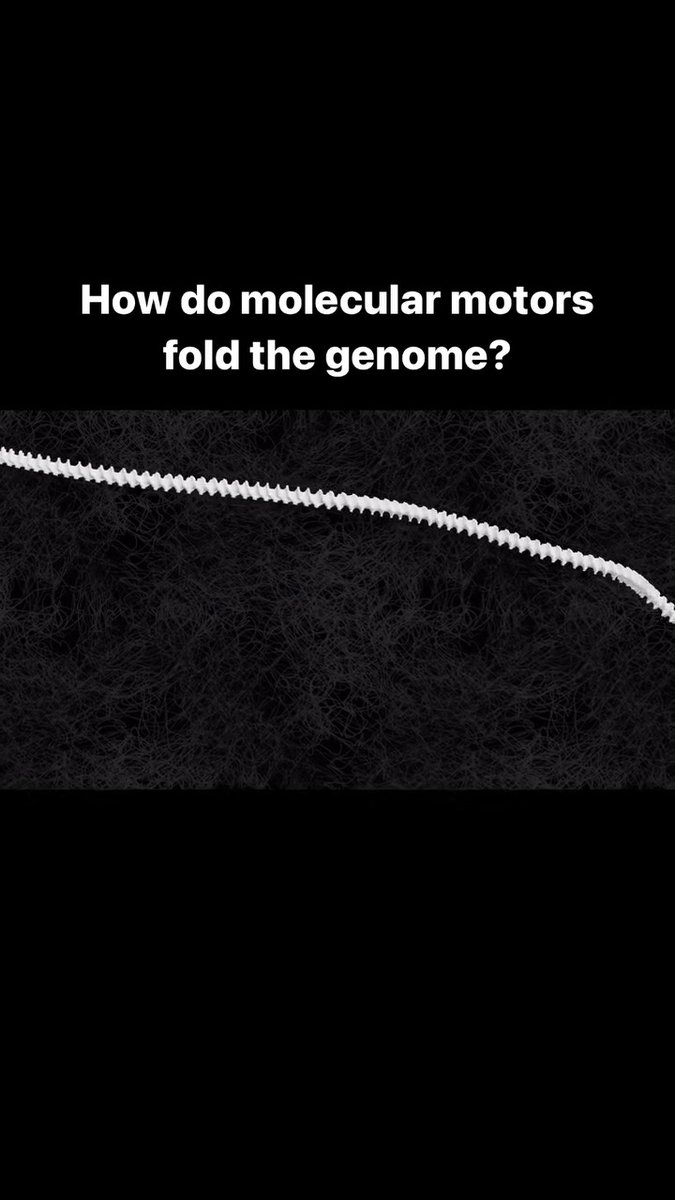
🧬A new imaging technique developed by the Liu Lab uses a novel DNA barcode system to track hundreds of RNA & protein molecules in single cells within thick biological samples, providing a full picture of how these structures are organized inside tissues.

79,585 görüntüleme • 1 yıl önce •via X (Twitter)

11 Yorum

Molecule profil fotoğrafı
Molecule1 yıl önce

Combining RNA and protein tracking in context will drive major discoveries

NOVOS Labs profil fotoğrafı
NOVOS Labs1 yıl önce

Generic products cut corners with proprietary blends and fewer pathways. NOVOS delivers results by targeting 12 root causes of aging, backed by real science. Explore NOVOS today.

Anna Montell Magnusson profil fotoğrafı
Anna Montell Magnusson1 yıl önce

Hi Nelson, you are still having fun in the lab I see, great. See you at some point. Are you going to a GRC this summer? Best, Anna

Independent Solutions profil fotoğrafı
Independent Solutions1 yıl önce

Innovative! (rt @Hyun_neuron_10)

Yang Fan 范阳 profil fotoğrafı
Yang Fan 范阳1 yıl önce

cool, like using drones to live-stream a cell’s hidden delivery network.

TrolliProf profil fotoğrafı
TrolliProf1 yıl önce

So ducking cool

DeepFish📐 profil fotoğrafı
DeepFish📐1 yıl önce

🤯🤯🤯

Korr Neuro profil fotoğrafı
Korr Neuro1 yıl önce

Woah! Nice... and very useful. 👍

The Stick profil fotoğrafı
The Stick1 yıl önce

This is awesome.

Jarrett Foust profil fotoğrafı
Jarrett Foust1 yıl önce

Holy shit. I can see my entire college education in real time now.

Vina Tikiyani profil fotoğrafı
Vina Tikiyani1 yıl önce

This is awesome!

Benzer Videolar

DARPA—who developed the Operation Warp Speed Death Jabs (see tweet 2)—now wants to inject people with "protein complexes" that, when hit with "different wavelengths of light" will "synthesize specific DNA or RNA sequences on demand." DARPA = literal Nazis. Nuremberg for DARPA! ----------------Partial transcription of clip--------------- "Synthetic DNA and RNA molecules could enable a host of next-generation technologies crucial for national security and global well-being. However, current methods for creating these molecules from scratch face significant limitations in terms of their scale, complexity, and use of hazardous chemicals. DARPA's Generative Optogenetics Program. "GO seeks to harness the power of light to direct the synthesis of DNA and RNA directly within living cells. If successful, this high-risk, high-reward research program has the potential to revolutionize medicine, agriculture, and manufacturing. "GO aims to unlock an era of programmable biology where we can communicate with and direct cell behavior with unprecedented speed, precision, and reach via optical signals. Performers on GO will design protein complexes that, when expressed in a living cell, use light-triggered signaling to deliver genetic information, instructing cells to incorporate specific building blocks based on different wavelengths of light to synthesize specific DNA or RNA sequences on demand. "The GO program focuses on two main research objectives. The first is achieving the core capability of synthesizing DNA or RNA directly in living cells using optical signals. The second focuses on developing error-mitigation methods that ensure high-fidelity nucleic acid synthesis."

Sense Receptor

50,875 görüntüleme • 8 ay önce

🚨David Sinclair: “AI helped us do 160 years of biology work in two months.” ROGAN: “What?!” SINCLAIR: “We’re looking for molecules, a single molecule that can replace this cocktail... You need a molecule to do three or four activities in the cell. Finding one activity is what pharmaceutical companies do. It takes hundreds of millions, if not billions, to make a drug.” “My little lab of 20 people and students are trying to make one drug do three or four different things. That’s beyond the reach of pharmaceutical experience, at least five years ago.” “This funnel is full of a trillion molecules, and we have to come down to one. We don’t look for a trillion molecules at the bench. That would take 160 or thousands of years... so we do it inside the computer.” “We just use a lot of compute, and we dock each of these molecules against the enzymes that we now know how they work, thanks to Google DeepMind solving the problem of how all our proteins look, 20,000 of them.” 1 trillion candidate molecules. Filtered to 200. Two months. “Next week, we’re testing these 200 against human cells, and we’ve also got AI helping us tell if the human cells go from 92 years old back to 20. We can tell that just by looking at them, thanks to AI.” Dr. David Sinclair is a Harvard geneticist and one of the world's leading longevity researchers. Fascinating to hear how he's using AI to compress 160 years of biology work into two months. What other decades of work is about to become two months? Joe Rogan David Sinclair

KanekoaTheGreat

497,401 görüntüleme • 8 gün önce