Loading video...

Video Failed to Load

Go Home

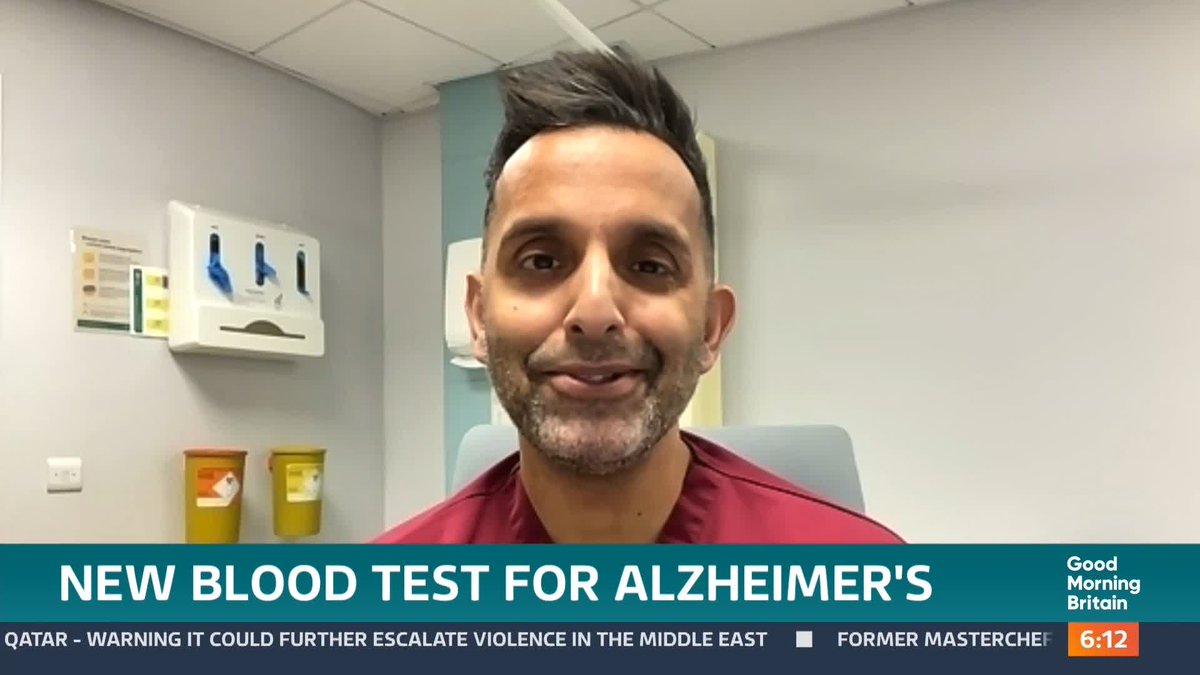
A new JAMA study published during #AAIC24 found a blood test had high diagnostic accuracy for identifying Alzheimer disease among adults with cognitive symptoms. This test could lead to early diagnosis and may facilitate timely access to new treatments.

26,575 views • 2 years ago •via X (Twitter)

1 Comments

Raffaele Di Giacomo, PhD's profile picture
Raffaele Di Giacomo, PhD2 years ago

The findings are indeed promising! Early and accurate diagnosis of Alzheimer’s through a blood test could revolutionize treatment approaches and patient care. What are your thoughts on the implications for broader screening strategies? #Medicine #Alzheimers For more in-depth discussions and answers to biomedical questions, visit Our AI-driven platform provides comprehensive biomedical reviews at your fingertips. #OpenAI Sciqst powered by OpenAI.

Related Videos

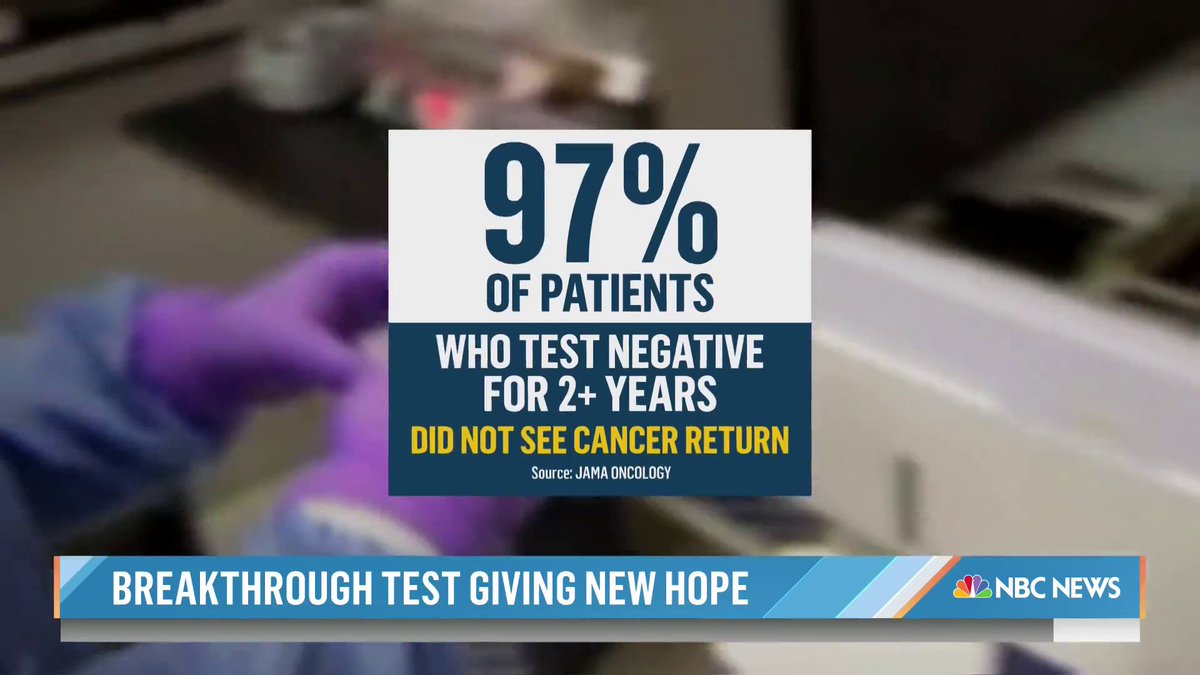
A groundbreaking new study published in Cancer Discovery reveals that certain cancers may be detectable in the blood up to three years earlier than current diagnostic methods allow. This could revolutionize early detection—and survival rates. Dr. Patrick Soon-Shiong, a pioneer in cancer research, breaks down the findings: "This study is a game-changer. By analyzing circulating tumor DNA (ctDNA)—genetic material shed by cancer into the bloodstream—researchers identified cancer mutations years before standard diagnosis. This isn’t just about early detection; it’s about monitoring recurrence post-treatment to catch metastasis before it spreads." Why This Matters: 🔹 Early Detection Saves Lives – The sooner cancer is found, the better the odds of successful treatment. 🔹 Peripheral Blood Holds the Key – The study highlights that simple blood tests (like cell-free DNA analysis) may outperform invasive biopsies and imaging for early signals. 🔹 Beyond Diagnosis – These tests could track survivors (like the patient mentioned) to ensure cancer doesn’t return silently. The Future? Imagine a world where routine blood work screens for cancer years before symptoms appear—turning a deadly disease into a manageable condition. This study brings us one step closer. "The answers aren’t just in high-tech scans—they’re in the peripheral blood we’ve overlooked for decades," says Dr. Soon-Shiong. "The era of precision prevention is here." Stay tuned. The fight against cancer just got smarter.

Camus

18,055 views • 1 year ago