正在加载视频...

视频加载失败

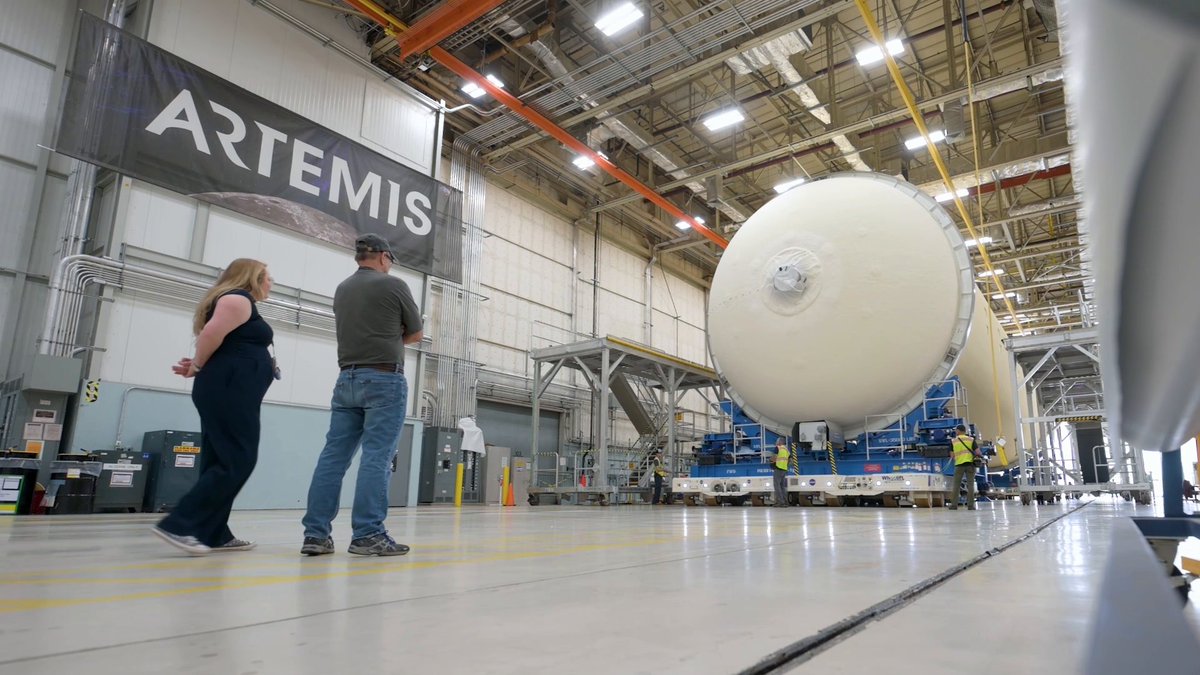
A United Space Alliance technician steps inside the space shuttle’s external tank, specifically the intertank structure that separates the liquid hydrogen tank below and the liquid oxygen tank above. He goes inside to place panels to support an X ray of the tank’s structure.

125,815 次观看 • 5 个月前 •via X (Twitter)

0 条评论

暂无评论

原始帖子的评论将显示在这里

相关视频

Before LNG is loaded into a tank, the tank must be properly prepared through a series of controlled stages. This preparation is critical to ensure safety and to prevent damage due to extreme temperatures. An LNG tank is fitted with different lines, each serving a specific purpose: filling lines, spray lines, discharge lines, and pumps. The first stage is drying. The tank may contain humid air, which can lead to ice formation at low temperatures. To prevent this, dry air is introduced from the bottom of the tank through the filling lines to displace the moist air. Next is inerting. After drying, inert gas is introduced into the tank to purge out the dry air. This step is important to eliminate oxygen and reduce the risk of forming flammable gas mixtures. The third stage is gassing-up (vaporizing). Since inert gas contains carbon dioxide, which can freeze at low temperatures, it must be removed. Warm LNG vapor is introduced through the spray lines to displace the inert gas and prepare the tank for cooling. Then comes cooling down, which is a critical stage. The tank must be gradually cooled to avoid thermal stress that could damage the structure. Cold LNG is sprayed into the tank through spray nozzles, bringing the temperature down to about -110°C to -130°C. Finally, the loading (filling) stage begins. At this point, the tank is ready to safely receive LNG, and the cargo is loaded through the filling lines. In simple terms, the process moves from removing moisture, to removing oxygen, to introducing gas, then cooling the tank, and finally loading the LNG.

PortHarcourt Sailor

177,985 次观看 • 3 个月前