正在加载视频...
视频加载失败
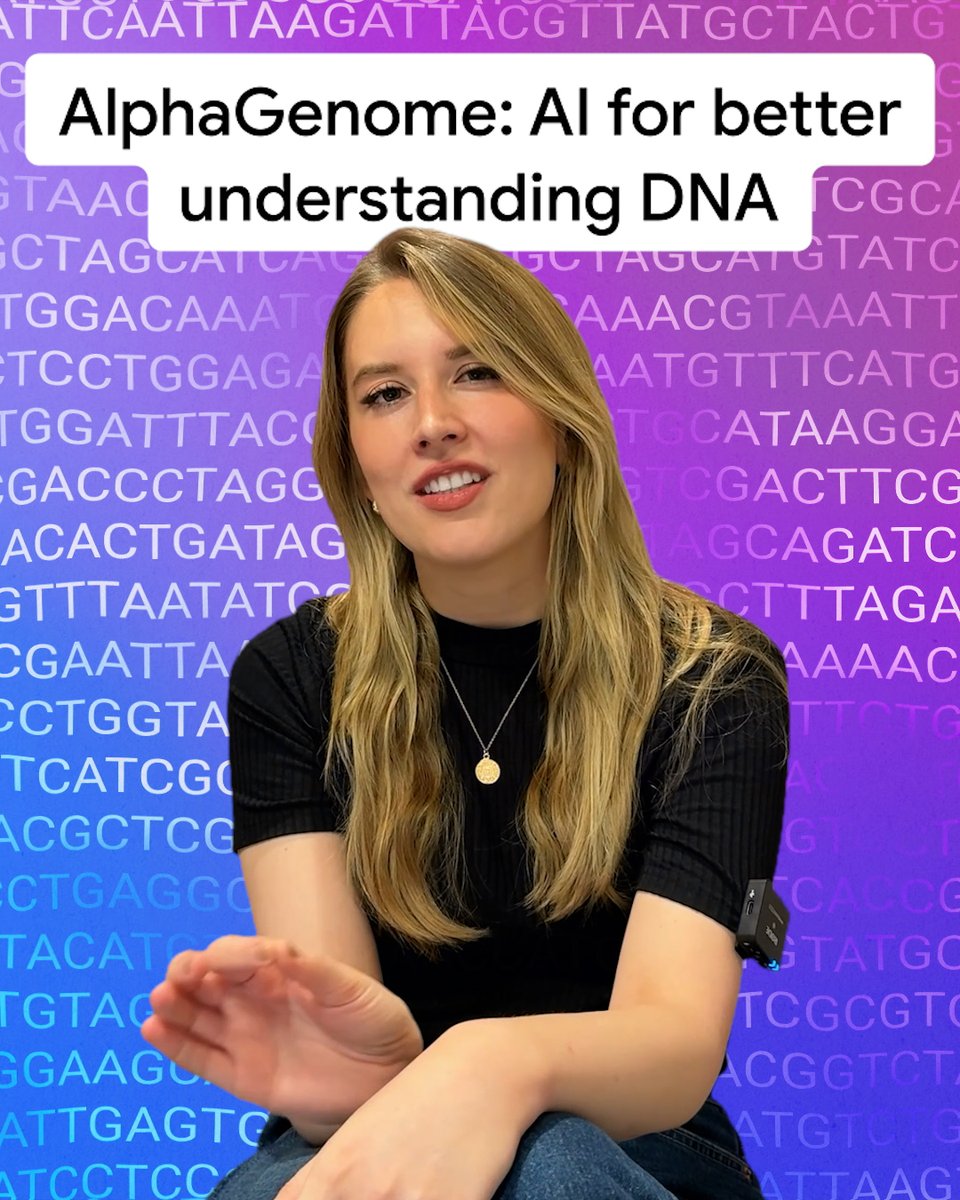
Accelerating genomic discovery with Google Antigravity 🧬🚀. We’ve integrated the new AlphaGenome Atlas Skill into our scientific workbench. Watch researchers Natasha and Kyle use AI agents to quickly prioritize variants and generate structural plots and build testable hypotheses. Start optimising your workflows today

84,526 次观看 • 17 天前 •via X (Twitter)
30 条评论

Download now on GitHub: 🔗

How ild is this clip? they are using Gemiy Falsh 3.7 😭🤣🤣🤣. Anyway there's bo chance that I will rely on Gemini for any serious work. Anthropic, OpenAI and Chinese labs are way ahead of you guys. I have no idea if you're ever going to catch up to them. Have a great day 😃

Be careful Google people no doubt Gemini is fast but it's super wrong most of the times. Just flagging!!

now engineering new datasets will be the big move I would expect SpaceX and Google to have the most valuable datasets

这么强大的工具,什么时候能让我们用上gemini-4-pro

The real bottleneck in genomics was always spending hours manually cross-referencing 30 fragmented databases—giving agents AlphaGenome skills finally automates the pipeline.

gemini4

Astra está melhorando o antigravity de uma maneira que vcs vão demorar anos! Que vergonha Google!

Kindly release the gemini 4 pro model .

Why Antigravity is so underrated nowadays?

Google just ran spellcheck on the human genome. 9 billion possible typos.

Bruh, what have you done? Antigravity with 3.8 flash is so f*cking annoying!

@antigravity that's awesome! Watching AI transform complex tasks is always a thrill. How are researchers finding the integration so far?

Bundling AlphaGenome as a callable Skill instead of a general prompt is the real unlock - agents need domain-specific tools, not just more context window. #AgenticAI @GoogleDeepMind

Gemini is so behind the frontier labs, like how can you fail to create a top model while having so much data. I cannot rely on this model at all, only for scouting.

who use antigravity? fast shit, lol

This looks like a powerful way to turn complex genomic data into testable ideas much faster. I’m curious to see how researchers use the Atlas Skill in real projects, especially when prioritizing variants with limited evidence.

The interesting bit isn’t just the model call; it’s the agent turning a hypothesis into a testable artifact. I’d want each run to leave behind the plots, assumptions, and next experiment so the overnight floor compounds instead of resetting.

Nice to see the Atlas plugged into something

please reast like tibo

Can I connect my DNA structure into the model and review/understand more about my DNA and its variants?

القيمة هنا ليست أن الذكاء الاصطناعي يستبدل الباحث، بل أنه يقلّص مساحة البحث الهائلة. يستطيع Atlas ترتيب المتغيرات المرشحة وصياغة فرضيات خلال دقائق، لكن هذه الفرضيات تظل نقطة بداية تحتاج إلى التحقق المخبري قبل اعتبارها نتيجة علمية.

👁️ Why does Google use a teleprompter? It's obvious their eyes are darting around and reading the text 👁️

模型不行就算了,工具也是最不好用的。用过都知道,赶紧去改改吧,别吹了

Could we integrate Antigravity with Spark, similar to how ChatGPT Work or Claude Cowork works? Gemini Spark currently feels too limited when it comes to app connectors and MCP support, and there’s no option to choose the model.

颜值比产品高

Fast variant prioritization plus automated structural plots — work that used to take weeks of lab time. The real question isn't "is this cool," it's "how many studies just got dramatically faster because AI took over the grunt work of analysis."

i was working on some task in Antigravity IDE and i noticed a new behaviour while I was experimenting with gemini 3.8 flash. i asked it to made a slight ui change and i explained the visual which i want but without any extra skill or instruction it created 3 iteration of the same change identify which one looks the best and applied it and it really good

The interesting part is the agent moving from variant prioritization to actual testable hypotheses. That shift from analysis to scientific action is where AI agents can have real impact

connecting a 1PB genomic dataset directly to an AI agent is a huge step for scientific workflows