正在加载视频...

视频加载失败

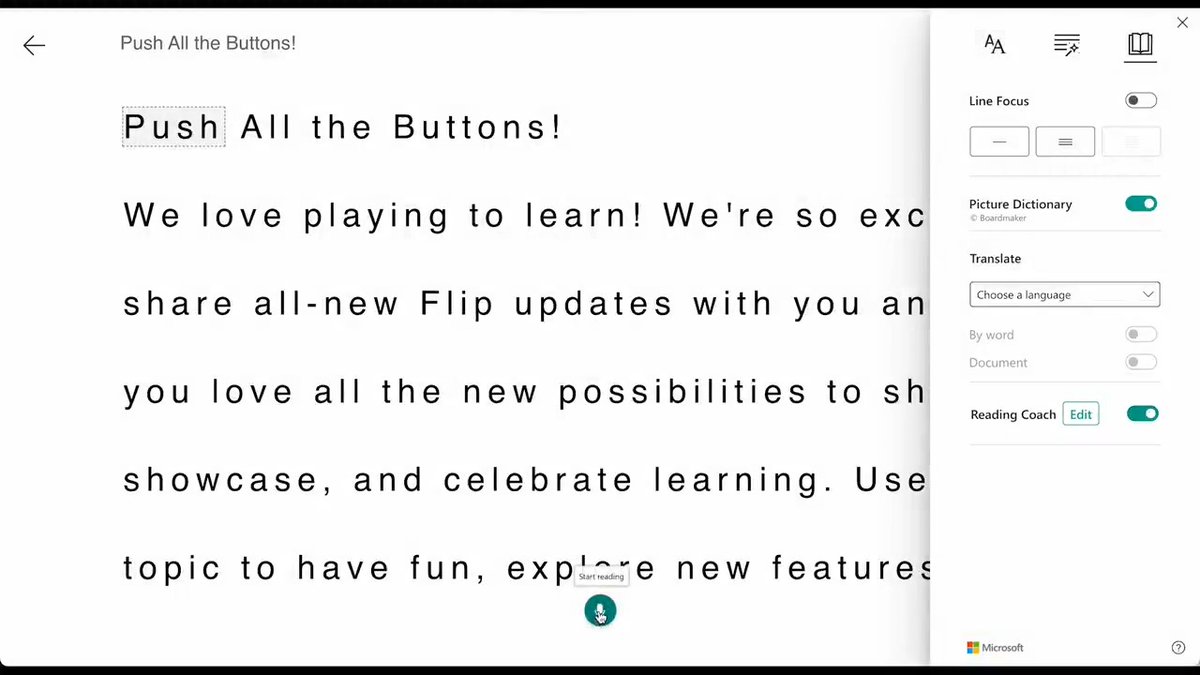
All in Flip, Reading Coach within Immersive Reader provides real time feedback! ↔️ Stretch the word 👀 See a picture 👂 Hear the word 🚀 Level up your readers 💖 #FlipForAll

11,671 次观看 • 2 年前 •via X (Twitter)

0 条评论

暂无评论

原始帖子的评论将显示在这里

相关视频

Daniel Dennett on "deepities" the profound-sounding claims that are secretly empty Philosopher Daniel Dennett has a name for a type of statement that sounds wise but actually says nothing: a deepity. He explains it this way: "A deepity is an apparently profound observation that is ambiguous. It has two readings. On one reading it's obviously false, but if it were true it would be very important. And on the other it's trivially true." The trick is in the ambiguity. When you hear a deepity, part of your brain registers the trivially true reading and thinks yes, that's correct. But another part is reaching for the dramatic, important-sounding reading and that's where the illusion of profundity comes from. Dennett's favourite example, which he uses when teaching the concept to students: "Love is just a word." It sounds deep. Think about it for a moment and it feels like it's gesturing at something real. That love is intangible, constructed, perhaps even illusory. But Dennett dismantles it immediately: "Whatever love is, it isn't a word. You can't find love in the dictionary." That's the "use-mention error" confusing the word love with the thing love refers to. Once you put quotation marks around it properly, the statement collapses into something utterly banal: "love" is just a word. Well, yes. So is "cheeseburger." So is "word." The deepity survives only because we don't slow down enough to ask which reading we're actually accepting. Once you have the word "deepity," you start seeing them everywhere: in self-help, in politics, in philosophy.

Mateus — eu/acc 🇪🇺

26,540 次观看 • 3 个月前