Video yükleniyor...
Video Yüklenemedi
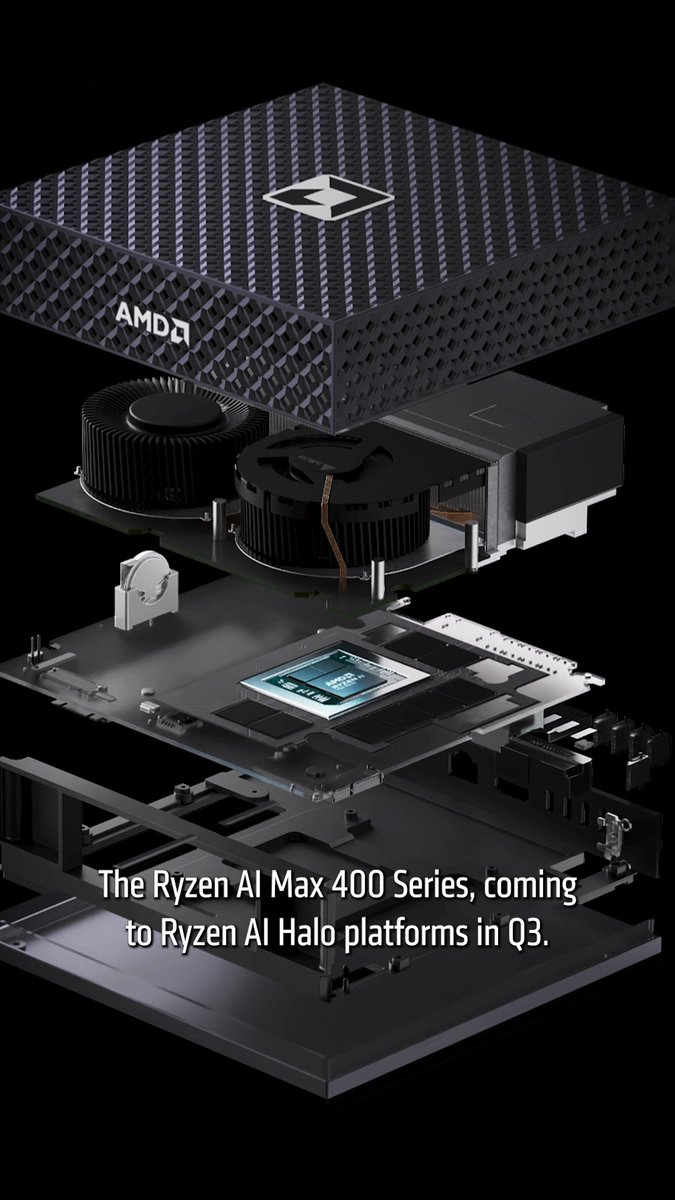
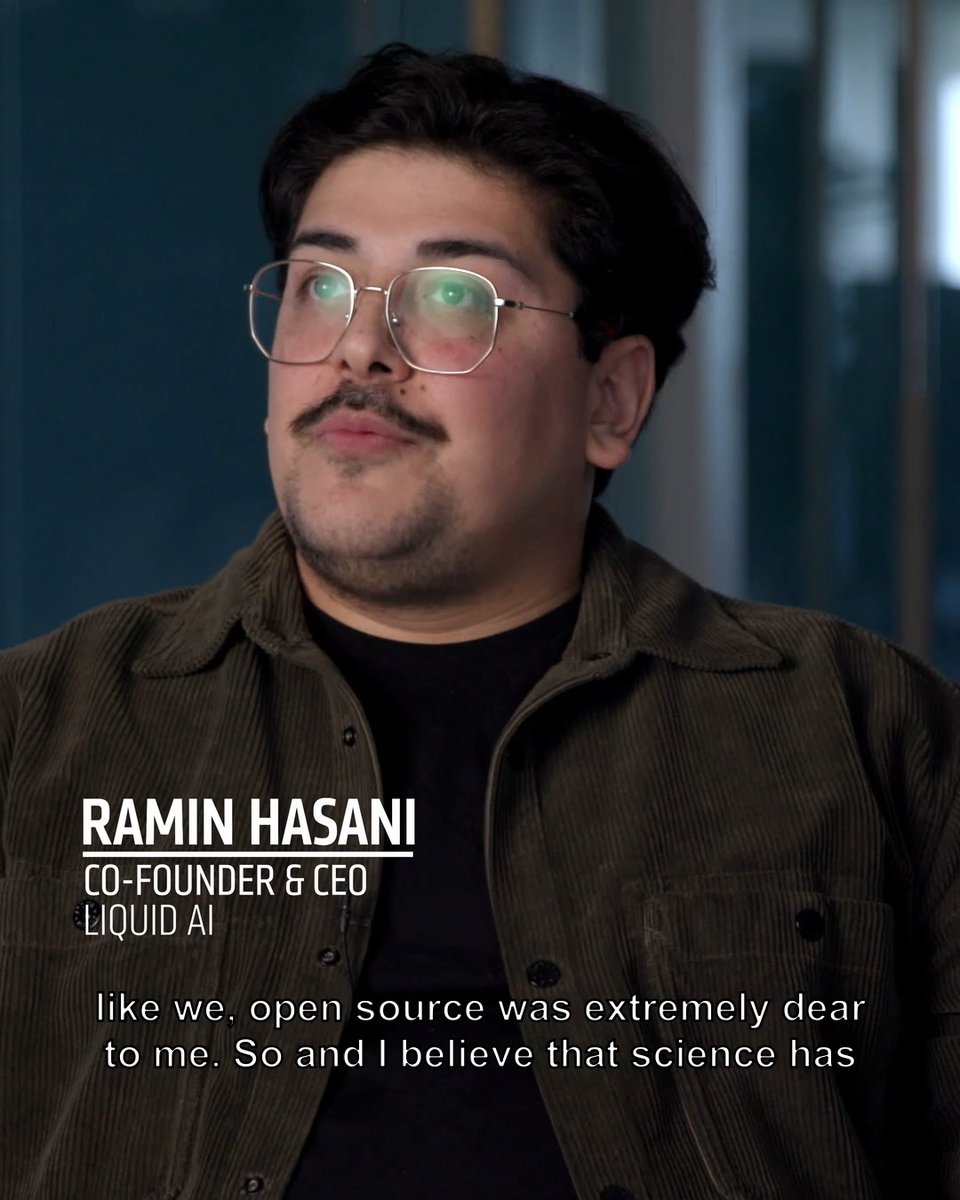
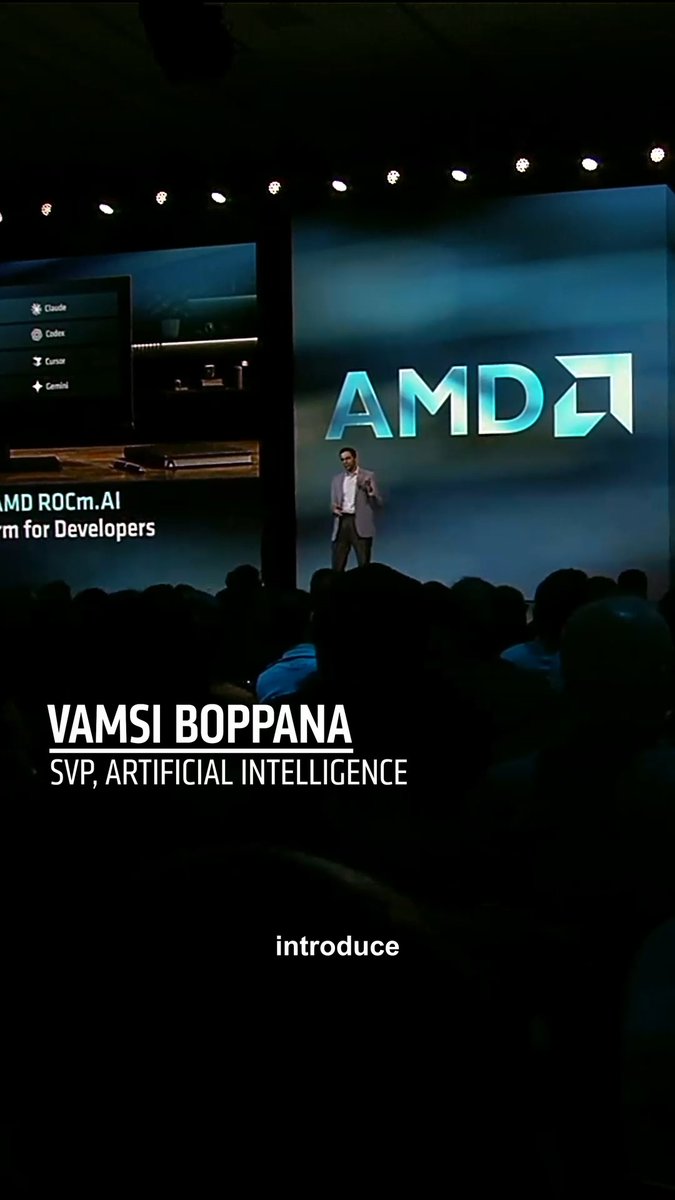
AMD Agent Computers Power the Next Generation of Hollywood Studios Emmy-winning Light Sail VR uses private, local AI on Ryzen AI Max and Radeon AI PRO R9700, overseeing up to 9 projects all at once, leaving more time for storytelling.

32,017 görüntüleme • 2 gün önce •via X (Twitter)
6 Yorum

This is a strong example of where local agentic computing becomes operationally interesting for creative work. I’d add one assurance boundary: LOCAL EXECUTION ≠ COMPLETE DATA PRIVACY PRIVATE WORKLOAD ≠ NO EXTERNAL DATA PATH 9 PROJECTS SUPERVISED ≠ 9 PROJECTS AUTONOMOUSLY COMPLETED AGENT RUNNING ≠ EVERY ACTION AUTHORIZED The stronger evidence chain is: project input → local model/runtime → tools and permissions → agent action → external data paths → human review → resulting artifact → verified creative/operational effect Local inference can materially improve control over sensitive media and recurring cloud costs. But the next assurance question is whether the entire workflow, not only the model inference, preserves the intended privacy, authority and quality boundaries. And from a productivity perspective: TIME SAVED ≠ VALUE VERIFIED The most useful proof would be measurable outcomes such as reduced coordination time, fewer missed tasks, preserved creative quality and successful project delivery across those parallel workflows.

Just when you thought movies couldn't get any worse... 😉

@AMDRyzen Perpetuating the hardware shortage

This is a great example of local AI making a real difference in creative production. Handling multiple projects at once while keeping more focus on storytelling is a powerful use case.

As local agents start updating schedules and sending email, recovery becomes part of the product. How does the coordinator resume after a restart without repeating a client update? A durable task ID can make retries safer.

Nine projects at once on local hardware is the interesting part. How big are the models they keep on the machine before they need the cloud?