Loading video...

Video Failed to Load

Go Home

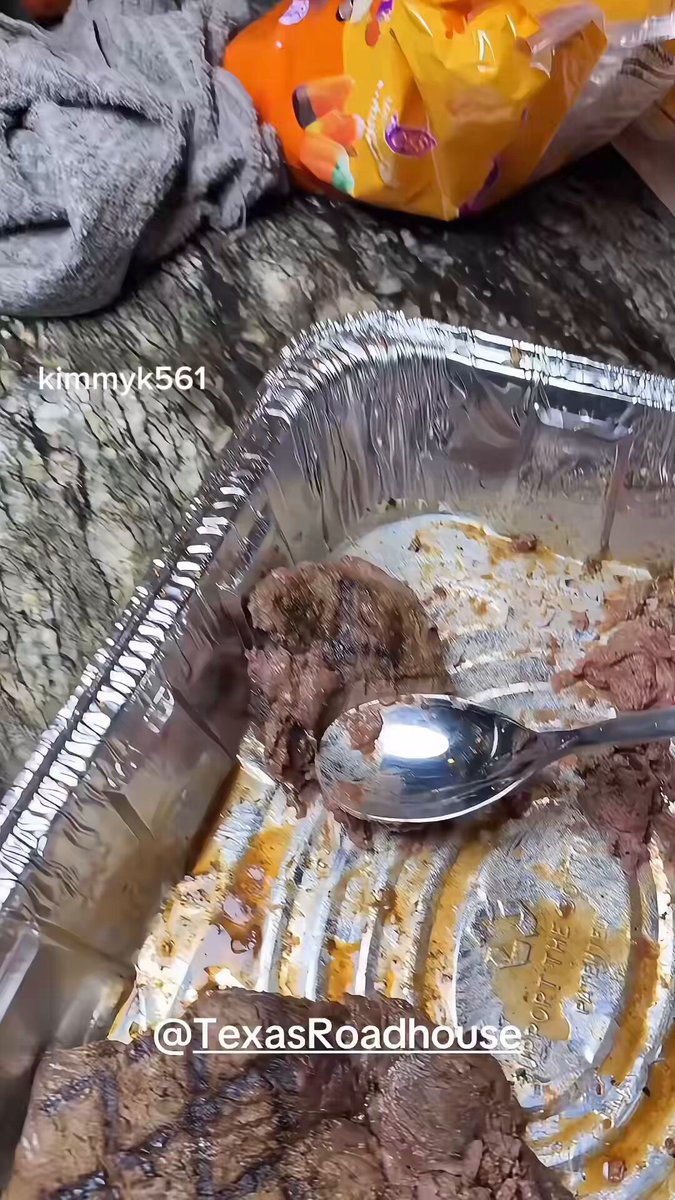
America bought a steak and it immediately started becoming slush and coming apart “What is that stuff? Gluing it together right there. It's like a glue. Right at the seams. This was a steak. It looked like a steak. Now it just fell apart” American companies are using meat...

420,646 views • 9 months ago •via X (Twitter)

0 Comments

No comments available

Comments from the original post will appear here
Related Videos

American Cattle Rancher Exposing That Beef Sold In American Grocery Stores Doesn’t Look Like Natural Beef “They pump gases into the packaging that artificially create a red color — the color of the meat doesn't necessarily indicate it's fresh” “I get a lot of questions sometimes like when people buy our meat they're like, well, I opened it up and it's not red. Why isn't it red? And the reason is, is because the only way to keep it red is as they pump gases into the packaging that artificially create a red color. So the meat naturally is never that red. When you cut it and it's first exposed to oxygen momentarily, it will bloom. It's called, it'll redden up just a little bit and then it'll instantly start to brown out unless you pump gases into the packaging for about 10 minutes and artificially create this like red pinkish color. So we get that question a lot. And it's like, they're like, your meat's not fresh because it's brown. It's like, well, actually it's way fresher. Our meat is brown because five minutes later, it turns to that brown color and then we flash freeze it. So you're like eating meat that's like metabolic at five minutes old versus that red fresh meat in the grocery store might be a month old. And it sat like that, but they're using artificial gases in that packaging to crea completely unnatural. — If your packaged meat then it is it is filled w to create that. It doesn' look like that. But like believe it or not, it's been sitting out for 11 days. So how could it still look so fresh? It's because it's being packed and gassed in a special process that most people never heard about, using carbon monoxide, carbon dioxide, and nitrogen, which keeps the meat looking fresh and bright red. We left two cuts of lamb out at room temperature. One was gas packed, the other, no gas. After a few days, the untreated meat turns a dark, unappealing color. But the gas-packed meat stays red, even after being left out for eight days. The only visible sign of spoilage is the package puffing out and a bad odor when opened. We had the meat analyzed in a lab, and it's no surprise that both cuts are loaded with bacteria. The color of the meat doesn't necessarily indicate it's fresh”

Wall Street Apes

293,075 views • 2 years ago

The gasses pumped into American grocery store meat are a mixture of carbon dioxide, oxygen, and carbon monoxide Carbon monoxide binds with myoglobin in the meat, which keeps the meat looking bright red for weeks Other countries have banned using carbon monoxide on meat American cattle rancher exposing that beef sold in american grocery stores doesn’t look like natural beef “They pump gases into the packaging that artificially create a red color — the color of the meat doesn't necessarily indicate it's fresh” “I get a lot of questions sometimes like when people buy our meat they're like, well, I opened it up and it's not red. Why isn't it red? And the reason is, is because the only way to keep it red is as they pump gases into the packaging that artificially create a red color. So the meat naturally is never that red. When you cut it and it's first exposed to oxygen momentarily, it will bloom. It's called, it'll redden up just a little bit and then it'll instantly start to brown out unless you pump gases into the packaging for about 10 minutes and artificially create this like red pinkish color. So we get that question a lot. And it's like, they're like, your meat's not fresh because it's brown. It's like, well, actually it's way fresher. Our meat is brown because five minutes later, it turns to that brown color and then we flash freeze it.” The FDA says pumping it full of this toxic gas is safe. Critics argue it mislead consumers because the meat can look fresh even after it has spoiled, potentially hiding spoilage signs like off odors or discoloration until the package is opened. In America there's no requirement to label meat treated with these gases, which has led to debates about transparency and consumer rights. Some countries have banned or restricted the use of carbon monoxide in meat packaging due to these concerns.

Wall Street Apes

256,048 views • 1 year ago

Here’s the Dark Truth about the McDonald’s McRib “The fake shape is held together with meat glue” and “The ingredient list reads like a chemistry experiment” “McRib. Ever wonder why the McRib keeps disappearing and coming back? It's not because McDonald's is creating demand. The truth is it only returns when pork prices drop low enough. It's the boomerang of fast food. You throw it away, but it keeps coming back. What are you eating? Not actual ribs. It's ground pork shoulder and trimmings pressed into a rib shape. It's like ordering ribs and getting a cardboard cutout with wheels. The fake shape is held together with meat glue. Yes, meat glue is real and not what you want to think about while eating. The ingredient list reads like a chemistry experiment. It once contained azotic carbonamide, used in yoga mats and shoe soles. When your sandwich shares ingredients with yoga equipment, you're getting more flexibility than you bargained for. McDonald's removed this chemical, but what else lurks in that patty? The sauce hides the meat's true flavor with high fructose corn syrup and preservatives, those grill marks painted on with caramel coloring. About as authentic as a three dollar bill, the McRib contains 70% more sodium than claimed and stays fresh unnaturally long. It's the vampire of fast food refusing to age naturally. These patties sit in warming trays for hours. They've been there so long they should be paying rent. The McRib might make you think twice about McDonald's meat offerings, but it's just the tip of the iceberg when it comes to fast food secrets. If the McRib is this questionable, just imagine what lurks behind the breaded coating of other menu items.”

Wall Street Apes

377,692 views • 1 year ago