正在加载视频...
视频加载失败
📣Announcing Microsoft Azure Boost DPU: our first in-house DPU! Specifically architected to take on cloud-based, data-centric workloads, future DPU-equipped servers will run cloud storage workloads at 3X less power and 4X the performance of existing servers. #MSIgnite
0 条评论
暂无评论
原始帖子的评论将显示在这里
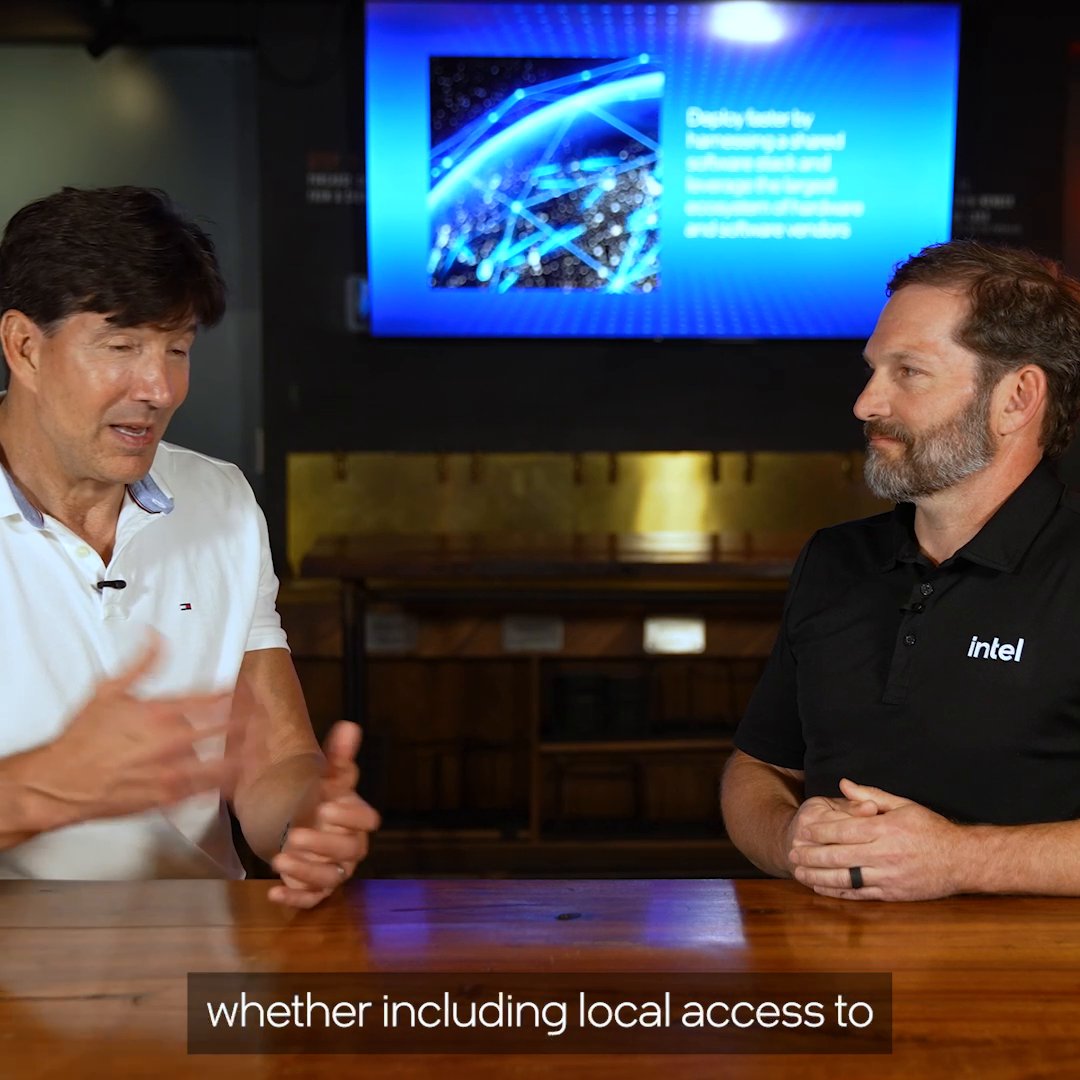


![Before becoming Microsoft’s new CEO in 2014, Satya Nadella wrote a 10-page memo to the board as part of the selection process. He discussed the details of the memo on the BG2 podcast: ▫️Elevator pitch: Two phrases he used were “ambient intelligence” and “ubiquitous computing” (his PR folks told him to dumb it down and he remade the pitch to “mobile first, cloud first layer”, and has executed on exactly that over the past decade). ▫️Mental model of Microsoft = cloud infrastructure is core: “One of the things I've always resisted is thinking of our Cloud the way the market segments it…I don't allocate my capital thinking ‘here is the Azure capital, here is the M365 capital, here is gaming [capital]’ I kind of think, ‘hey, there's a cloud [infrastructure]. That's the core theory of the firm for me. On top of it, I have a set of workloads. One of those workloads happens to be Azure. The other one is M365 [then] Dynamics [then] gaming’…That was all in that memo and pretty much has played out.” ▫️Selling the cloud pivot: “We had a 98% / 99% gross margin business in our servers and clients [division]. People said, ‘oh, good news, you now can move to the cloud and maybe you'll have some margin. [But we already had margin].’[...] My gut was [that cloud first would be] less gross margin but the TAM is bigger…we'll sell more to small businesses. We will sell more in aggregate, in terms of even upsells like the consumption would increase.” Nadella -- who was running Microsoft's Server and Tools Business (which housed Azure) -- also noted that he was able to sell his vision because he was an “insider” (he joined Microsoft in 1992). As a result, his criticisms of the business would also be a criticism of himself. As Brad Gerstner and Bill Gurley note in the podcast, Nadella joined when Microsoft was worth $300B and has seen its market cap since grow 10x to $3.25T (one of the best public market CEO runs ever). *** Full podcast def worth a listen:](https://image.24vids.com/tw-1869907179026952234/amplify_video_thumb/1869906194292207617/img/NiLHZOEGKfltTmdK.jpg)