Video wird geladen...

Video konnte nicht geladen werden

Zur Startseite

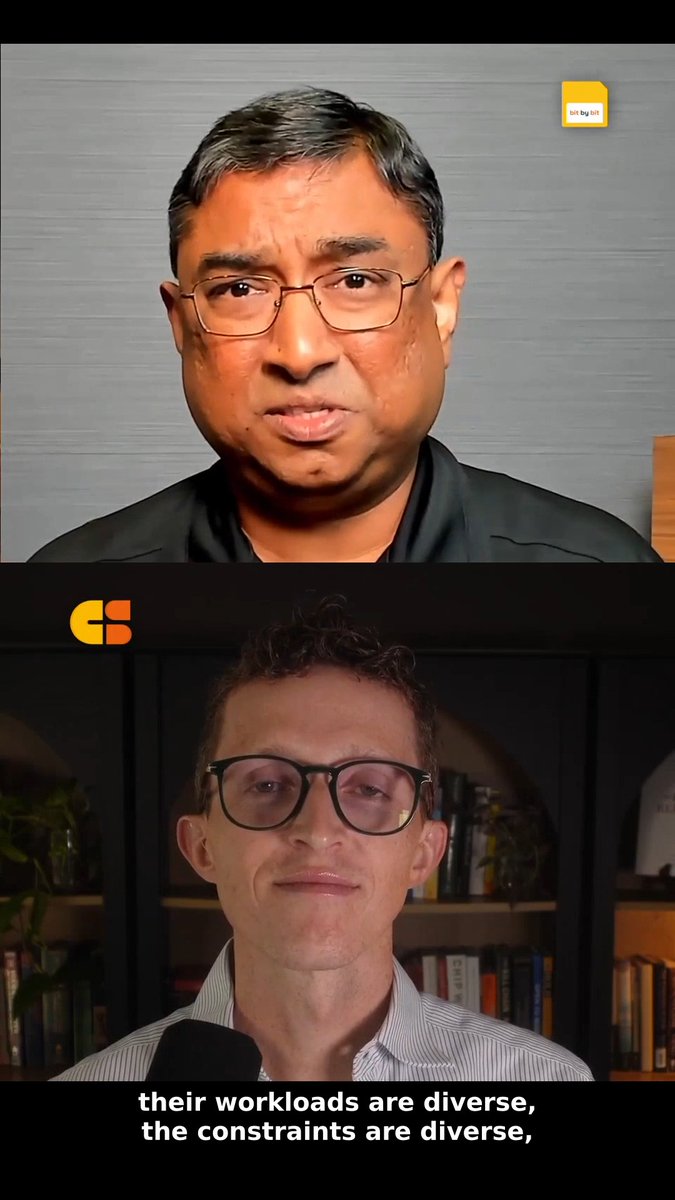
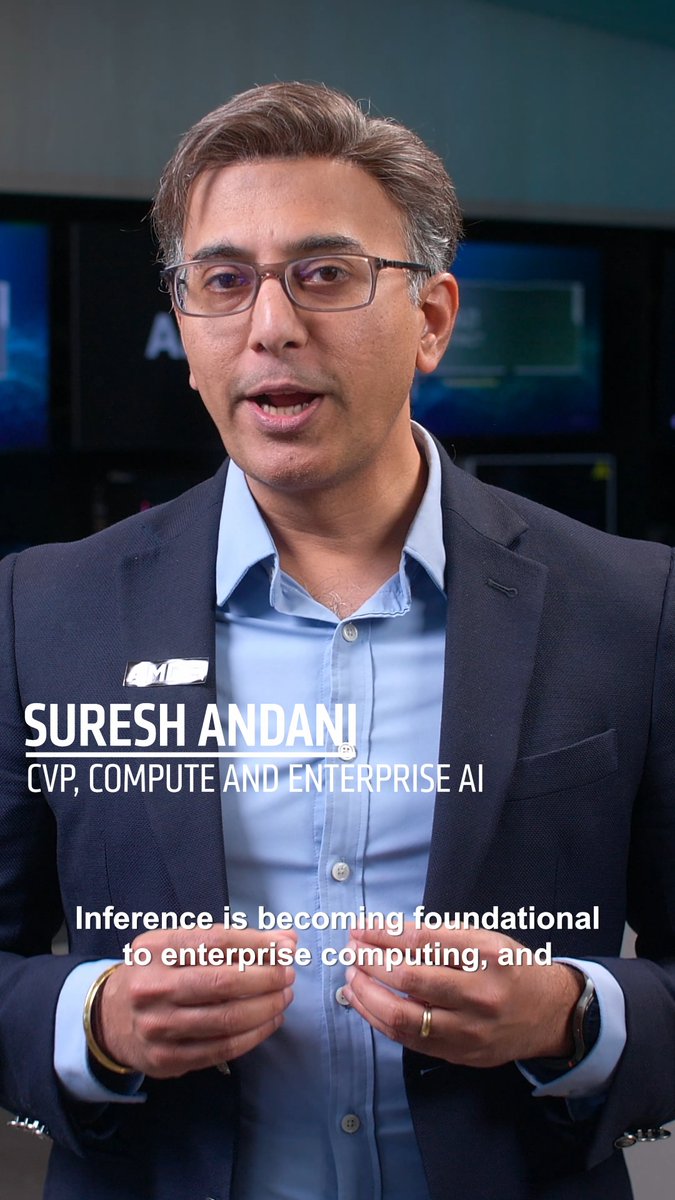
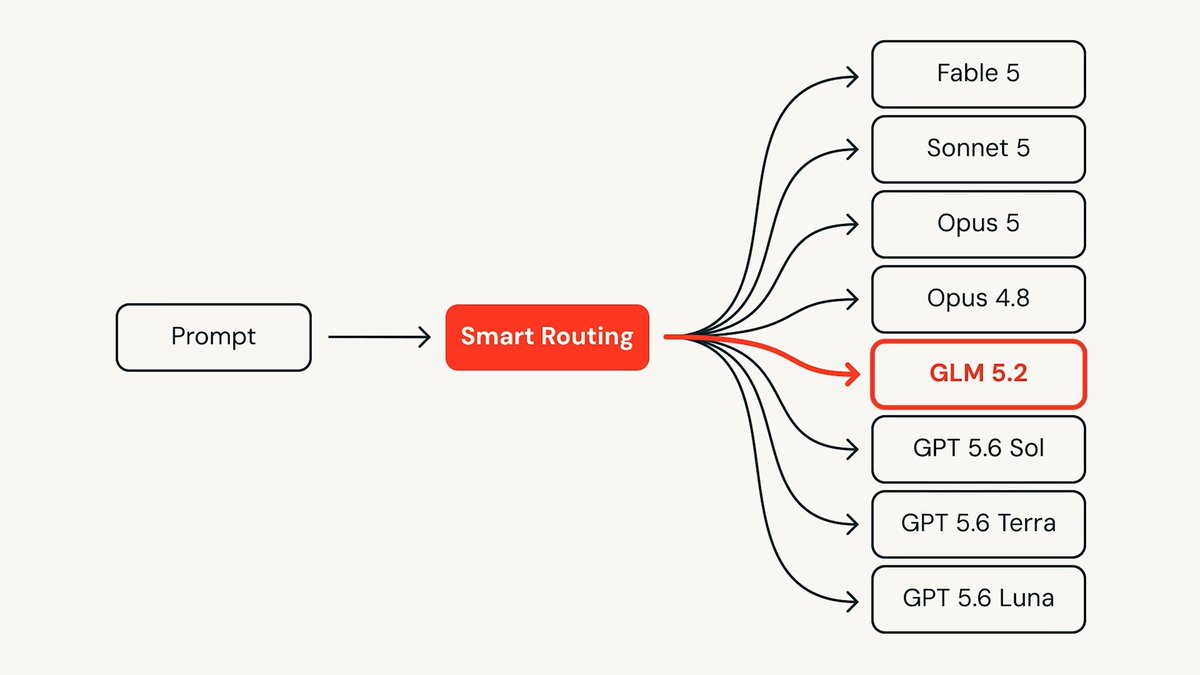
As enterprise AI usage grows, so does token usage. AMD’s Madhu Rangarajan explains how intelligent model routing can match requests to the right AI resource to help enterprises optimize growing token costs without compromising output quality. Watch his interview:

31,747 Aufrufe • vor 4 Tagen •via X (Twitter)

0 Kommentare

Keine Kommentare verfügbar

Kommentare vom Original-Post werden hier angezeigt
Ähnliche Videos

David Sacks says companies are trapped paying OpenAI & Anthropic because they can't figure out how to use open source models "I think enterprise CTOs would like to shift their token consumption to cheaper models for the obvious reason that it would be more efficient. They are seeing compute costs or token costs skyrocket right now, so everyone's trying to figure this out." "You also have the AI sovereignty issue that Alex Karp talked about. They're worried about giving up the secret sauce or the alpha in their business to a frontier lab that may one day be competing with them. "The problem is, I think in most cases, they don't have the technical ability to do it. Coinbase figured out how to do it. DoorDash figured out how to do it. They built a token routing system that allows them to send frontier tasks to frontier models and non frontier tasks to more mundane models. But I don't think your average enterprise has the technical capability to do that." "This is why the share of wallet of closed models, it actually increased. I think that open source went from 19% last year to 11% this year. So open source as a share of enterprise spending is actually decreasing." "I don't think that means usage is decreasing. I think usage is skyrocketing. It also may be the case that because the whole point of using an open model is you just pay for the compute costs, you don't have to pay a lab, so it may be that it's hard to measure that usage in terms of spend." "But nonetheless, anyone who's saying that these closed models are going to lose or are somehow losing, you're just not seeing it in the data."

dnap

110,354 Aufrufe • vor 1 Monat

$PLTR $AMD | Dr. Karp and Dr. Su were right! ✍️ Companies are now fighting back. Dr. Karp, Palantir CEO, recently told CNBC that enterprises are privately "unhappy" with frontier AI labs like OpenAI and Anthropic, accusing them of prioritizing "tokenmaxxing" or maximizing AI token consumption to signal activity over delivering real business value and understanding customer needs. Uber, Coinbases routing to capping token usage or routing to cheaper models to keep cost under control. or Microsoft revoked Claude Code licenses companywide, Priceline imposed token limits after sharp cost spikes, and reports cite Meta, Salesforce, and multiple unnamed firms facing 3x+ budget overruns or $ hundreds of millions in unexpected spend by mid-2026. Analysts note this as an emerging industry pattern, with FinOps and executives describing "existential crises" over token bills; dozens of enterprises are now adding guardrails, though public complaints remain concentrated among high-profile tech firms experimenting at scale. Dr. Lisa Su anticipated the pivot to inference economics and CPU-dense systems for agentic AI, correctly predicting that token costs, power efficiency, and deployability on standard platforms would determine scalable adoption long before the current enterprise pushback. Dr. Alex Karp accurately diagnosed the disconnect in frontier labs' approach, calling out "tokenmaxxing" as activity without outcomes; enterprises are indeed demanding real implementation and business-specific value rather than raw volume that inflates bills without proportional ROI. Together, their independent foresight validates the maturing AI thesis, efficient infrastructure (AMD Helios/EPYC optimized for lowest TCO & $/M Tokens) paired with outcome-focused platforms (Palantir AIP/Foundry) positions both companies to benefit as the market shifts from hype-driven consumption to sustainable, value-driven deployment. Yes it may look good on the revenue growth for AI Labs to show off on IPOs investors/bankers, but the customers have to find value in those tokens spent where $NVDA & In-house chips on inference claims are just false. At the end of the day, ~Token cost needs to go down more & more particularly inference by owning more AMD chips/racks. In-house chips can make all kind of claims for years, but the bills enterprises paid have to obey economic. ~Enterprises want a thick software OS or solution focused, they do not want to have unlimited budget for "tokenmaxxing" where it is leading to high costs with limited business transformation; success increasingly depends on implementation layers that route tasks, enforce policies, and connect AI to existing workflows. Not Financial Advice! DYOR!

Mike

253,557 Aufrufe • vor 1 Monat