Video wird geladen...

Video konnte nicht geladen werden

Zur Startseite

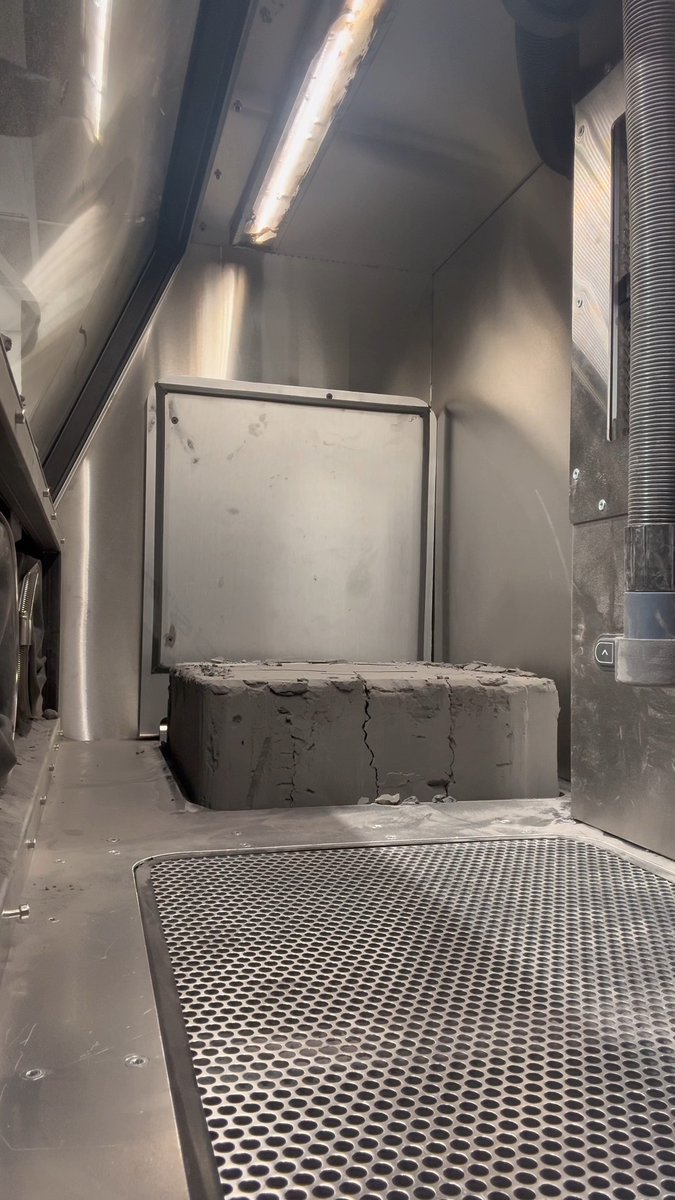
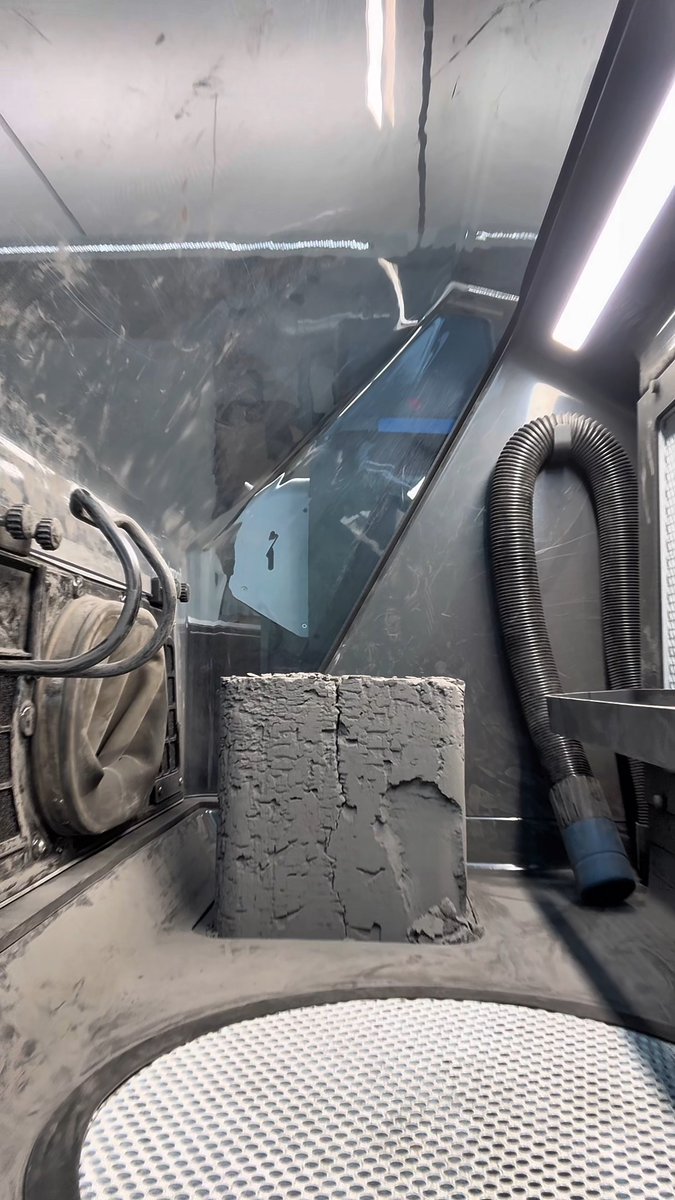
🔋At CEEC Energy Storage Technology’s Intelligent Manufacturing Base, our industry-first automated large-module and full-pack assembly line integrates AGVs, robotics, machine vision, intelligent inspection, and MES systems for end-to-end smart control and seamless coordination. It enables fully automated production from prismatic aluminum-shell battery cells to modules and complete PACK systems....

158,763 Aufrufe • vor 1 Monat •via X (Twitter)

0 Kommentare

Keine Kommentare verfügbar

Kommentare vom Original-Post werden hier angezeigt

Ähnliche Videos

NEWS: BYD has launched its next-generation battery energy storage system. It has a unit capacity of 14.5 MWh, the highest globally to date. The energy storage system achieves an ultra-large capacity of 10 MWh within a space equivalent to a 20-foot container, BYD said. For a 1 GWh storage plant, it will cut the number of required units by more than half, reduce land use by one-third, and trim cell count by 76%, according to the manufacturer. It uses BYD’s self-developed 2,710 Ah Blade Battery cell, which the company claims is the largest energy storage cell in the world. "This next-generation cell delivers three times the capacity of conventional storage batteries, boasts a cycle life of over 10,000 cycles, and reduces the total lifecycle cost per kilowatt-hour to below $0.014 – a milestone that could reshape the economics of large-scale storage." BYD says it can cut project-level levelized costs (LCOS) by 21.7%. For a typical 1 GWh installation, total costs related to equipment procurement, transportation, and installation are expected to drop by around 30%. In addition, BYD has launched its new GC Flux grid-forming inverter solution, which covers the 2.5–10 MW capacity range. According to BYD, the inverter boasts a performance level approximately 38% higher than common industry standards and a maximum power density of 1,474 kW/㎡, which is around 130% above typical values in today’s market. The system provides an overload capacity of up to 3x for 10 seconds and reaches a peak efficiency of 99.35%.

Sawyer Merritt

384,738 Aufrufe • vor 9 Monaten

In continuous cable manufacturing, compressed air performance must keep pace with constantly changing production demands. In a leading cable manufacturing facility, compressed air plays a critical role across extrusion controls, air-wipe drying, cleaning, and material handling systems, making pressure stability and compressor reliability essential for consistent product quality and high uptime. At the plant, a 75 kW fixed-speed compressor reliably met base air requirements. However, variations in production loads, line speeds, and process cycles led to frequent demand fluctuations, resulting in repeated compressor cycling, higher energy consumption, and pressure instability across the system. With the deployment of ELGi’s DEMAND=MATCH System, performance was evaluated under actual operating conditions by comparing operations with and without DEMAND=MATCH. The results were clearly validated. • 11.1% reduction in average power consumption (from 69.9 kWh to 62.1 kWh per hour) • Approximately 1,489 units of energy saved over just eight days of actual running • Reduced load cycling, leading to improved pressure stability and lower mechanical stress on the compressor This deployment demonstrates how intelligent airflow control can deliver measurable gains in energy efficiency, system stability, and operational reliability, all critical in a continuous manufacturing environment. A strong example of how aligning compressed air delivery with real-time demand can drive sustainable performance improvements on the shopfloor. Learn more about how DEMAND=MATCH optimises compressed air systems:

Elgi Equipments Limited

85,677 Aufrufe • vor 6 Monaten