正在加载视频...

视频加载失败

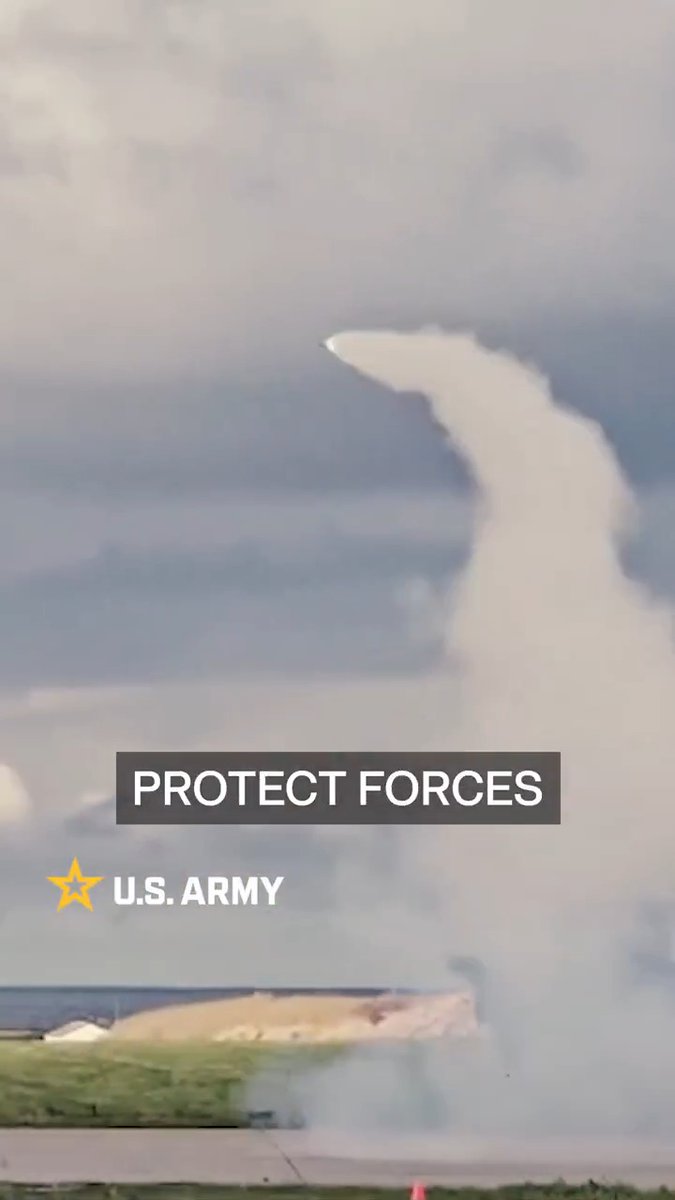
At Valiant Shield 24, Raytheon demonstrated a simulated complex missile engagement leveraging the U.S. Army's Lower Tier Air and Missile Defense Sensor, and Integrated Air and Missile Defense Battle Command System launching the Standard Missile-6 (SM-6) interceptor. "#LTAMDS matched with SM-6 adds an exceptional capability to defeat increasingly diverse...

43,426 次观看 • 1 年前 •via X (Twitter)

0 条评论

暂无评论

原始帖子的评论将显示在这里

相关视频

TRUMP UNVEILS GOLDEN DOME MISSLE DEFENSE SYSTEM. President Donald Trump said he had selected a design for the $175 billion Golden Dome missile defense shield and named U.S. Space Force General Michael Guetlein, to lead the ambitious program aimed at blocking threats from China and Russia. This is a Manhattan Project-scale mission, one that is both urgent and crucial to America’s security. Lockheed Martin is ready to partner with the best in industry, emerging, and large technology companies together to safeguard our nation. We lead the MDA’s National Team for C2BMC and successfully built the world’s most powerful missile defense software network, which connects forces around the world 24x7. This operationally proven, layered missile defense system allows commanders to make synchronized decisions about threats at any range, in any phase of flight, from any location in the world. From surface to space, Lockheed Martin is delivering combat-proven layered defense solutions so the U.S. and allies can stay ahead of accelerating threats. Our integrated air and missile defense systems provide the most advanced radars and sensors, command and control networks, satellites, targets, interceptors, and directed energy systems in the world. NGI is a first line of defense, tip-to-tail interceptor within the Missile Defense Agency’s Ground-based Midcourse Defense (GMD) system. PAC-3 is a world leader in defense technology for air defense missile systems, delivering unmatched capability across multi-domain environments. SBIRS serves as a critical missile warning system, utilizing infrared surveillance for early missile detection. The Long Range Discrimination Radar (LRDR) program is the backbone of the Missile Defense Agency’s layered defense strategy to protect the U.S. homeland from ballistic missile attacks. Sentinel A4 is a high-performance surveillance radar, replacing the legacy Sentinel A3, enhancing defense against cruise missiles, UAVs, and air threats. Aegis Combat System, the Navy’s most modern surface combat system, employs the SPY-1 radar for threat detection at sea. Experience the combat-proven THAAD, a top missile interceptor, protecting against ballistic threats with unmatched effectiveness. The F-35 is the most advanced node in a 21st Century Security network-centric architecture with the ability to securely connect high-tech platforms to share information across every domain. With a combination of all these advanced weapons, A.I., direct energy weapons (DEWs), and the finest aircraft and military in the world, let's just say this is like Skynet from Terminator movies on steroids. America will have the best country missle defense system in the world. Source: Lockheed Martin

The SCIF

21,781 次观看 • 1 年前

🇺🇸🇷🇺 THAAD vs S-400: TWO VERY DIFFERENT AIR DEFENSE PHILOSOPHIES THAAD and Russia’s S-400 are often compared as if they perform the same mission. Technically, that is misleading. THAAD is primarily a dedicated ballistic missile defense system. Its interceptor uses hit to kill technology, meaning it destroys the incoming warhead through direct kinetic impact rather than relying on a conventional explosive warhead. It is designed to engage ballistic missiles during their terminal phase, including both inside and just outside the atmosphere. Its AN/TPY-2 X band radar provides high resolution tracking and target discrimination, allowing the system to distinguish the actual reentry vehicle from other objects and continuously update the interceptor with precise tracking data. S-400 follows a different philosophy. It is a multi role long range air defense architecture designed to engage aircraft, cruise missiles and selected ballistic missile threats using different interceptor missiles. Its strength is not simply the advertised maximum range, but the combination of multiple radars, command and control, mobile launchers and different missile types. This creates a major technical distinction: THAAD = specialized upper tier ballistic missile defense S-400 = broader long range integrated air defense THAAD's interceptor is optimized for the difficult terminal ballistic missile problem, where the target may be travelling at extremely high velocity and descending rapidly toward the defended area. S-400's architecture is optimized for flexibility, allowing commanders to select different interceptors depending on target type, altitude and engagement geometry. The real question therefore isn't "Which system has the longer range?" It is: Which system is better suited to the threat? Against ballistic missile warheads, THAAD's architecture is specifically optimized for the mission. Against a mixed package of aircraft, cruise missiles and other aerial targets, S-400 offers a much broader engagement envelope. And in a modern war, neither system is supposed to operate alone. The real advantage comes from layered defense, where long range sensors, command networks, THAAD, Patriot or other systems work together. Range is only one number. Radar architecture, target discrimination, interceptor kinematics, engagement altitude, reaction time, saturation capacity and network integration ultimately determine whether an air defense system survives a real missile raid.

Defense Intelligence

12,393 次观看 • 26 天前