Loading video...

Video Failed to Load

Go Home

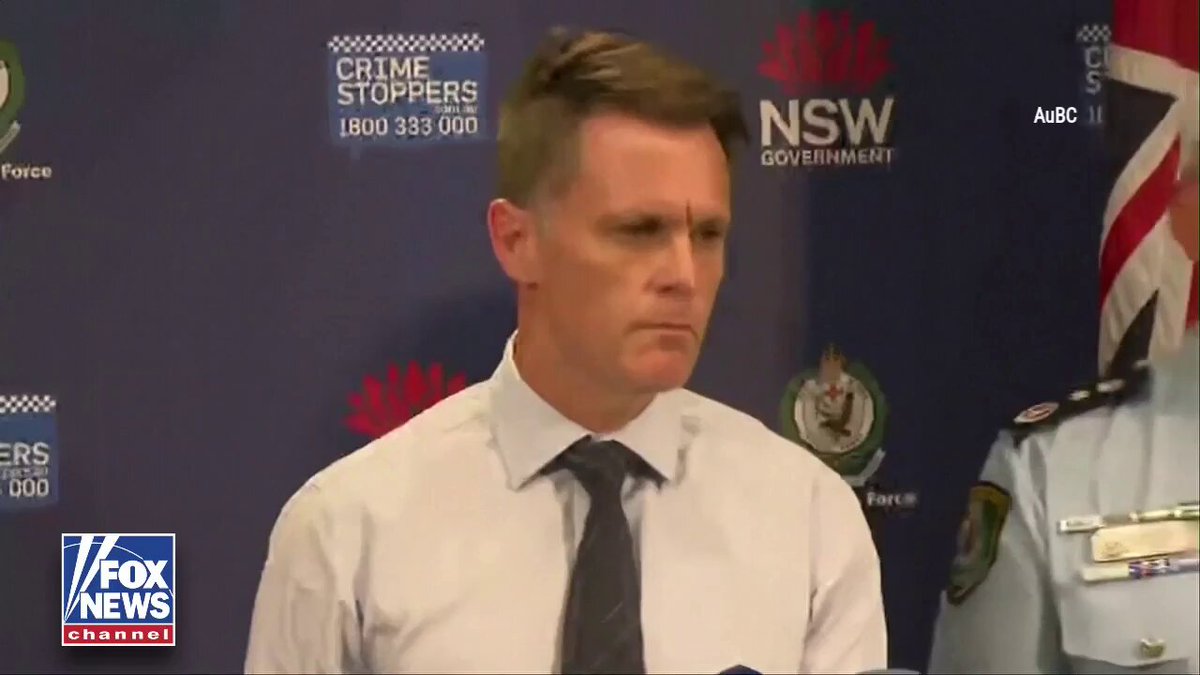
AUSTRALIA: “GLOBALIZE THE INTIFADA” DECLARED HATE SPEECH Chris Minns Chris Minns, Premier of New South Wales, has defended his government’s crackdown on protests, including formally designating the chant “globalise the intifada” as hate speech. Minns recalled parliament to fast-track changes to protest laws following the terror attack at a...

14,975 views • 8 months ago •via X (Twitter)

0 Comments

No comments available

Comments from the original post will appear here

Related Videos

NBC’s Kristen Welker pressed NYC mayoral candidate Zohran Mamdani three times today to condemn the slogan “Globalize the Intifada.” He declined. Welker: ➤ “Do you condemn that phrase, Globalize the Intifada?” ➤ “But do you actually condemn it… which a lot of people hear as a call to violence against Jews?” ➤ “For the people who feel really concerned by that phrase, why not just condemn it?” Mamdani did not condemn the phrase—and he has explicitly rejected any incitement to violence. As he told The Bulwark: “I’ve been clear that any incitement to violence is something that I’m in opposition to.” Intifada—Arabic for “uprising” or “shaking off”—has historically referred to a wide spectrum of resistance. The First Intifada (1987–1993) was driven by mass boycotts, general strikes, student protests, and civil disobedience. It was largely nonviolent in its early stages. Many supporters of the slogan say “Globalize the Intifada” draws from that legacy: a call for international solidarity through protest, divestment, and organized resistance to apartheid, occupation, and genocide—not violence. Below are some common claims made against using the phrase, and the context they ignore: ❌ Claim 1: “Intifada” refers to violent Palestinian uprisings, so invoking it globally implies promoting violence against Jews. Supporters argue this reduces the term to its most militant associations and erases its broader meaning. The First Intifada began as a largely nonviolent, community-led uprising—characterized by strikes, protests, and boycotts. To “globalize” that tradition is to extend a call for collective resistance to injustice, not armed struggle. ❌ Claim 2: The phrase glorifies past violence. Liberation movements are often framed this way. The same was said of anti-apartheid slogans in South Africa—and of “By Any Means Necessary” during the U.S. Black liberation struggle, a phrase made famous by Malcolm X and later embraced by radical groups like the Black Panthers. Critics called it militant, but supporters saw it as a refusal to accept injustice on anyone else’s terms. Likewise, supporters of “Globalize the Intifada” say the slogan is not about glorifying violence—it’s about rejecting silence in the face of ongoing atrocity. ❌ Claim 3: It’s provocative—and therefore threatening. It is provocative—because it challenges power. So did “Black Power,” “No Justice, No Peace,” and “Land Back.” Political slogans are meant to confront injustice, not make it comfortable. Arabic political speech is often racialized in the West, seen as inherently violent or threatening—regardless of content. That helps explain the reaction to “intifada.” But even if the phrase were “Globalize Resistance,” it likely wouldn’t be accepted either. Supporters argue the real discomfort isn’t with the wording—it’s with the demand itself, and who’s making it. ❌ Claim 4: Even if not intended as such, it may incite violence. This is guilt by association. Every protest movement risks being misrepresented. But “Globalize the Intifada” has been overwhelmingly used in nonviolent student protests, cultural actions, and anti-genocide campaigns. Its targets are systems—occupation, apartheid, blockade—not civilians. A misreading by individuals doesn’t make the slogan itself violent. ❌ Claim 5: The phrase is dangerous because it could be co-opted by extremists. If that standard were applied universally, many mainstream political slogans would be disqualified. “Israel has a right to defend itself” has been repeatedly used to justify the genocide of the Palestinian people, including mass killing and forced displacement. “Am Yisrael Chai” (“The Nation of Israel Lives”) is chanted in settler marches that have ended in pogroms against Palestinian villages. Yet these slogans are judged by their context and usage—not banned outright. Supporters argue “Globalize the Intifada” should be held to the same standard.

Drop Site

70,852 views • 1 year ago