Video wird geladen...
Video konnte nicht geladen werden
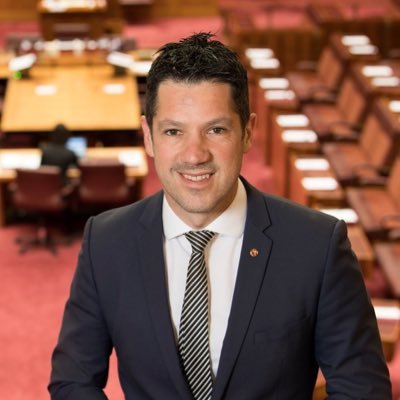
Australia should exercise its own decisions regarding healthcare issues and emergencies, not walk in lockstep with the dictates of the World Health Organisation. Yet, the government is set to sign us up to a WHO “pandemic treaty” which would make the WHO’s policies international law. This is a power-grab... show more
143,782 Aufrufe • vor 3 Jahren •via X (Twitter)
0 Kommentare
Keine Kommentare verfügbar
Kommentare vom Original-Post werden hier angezeigt


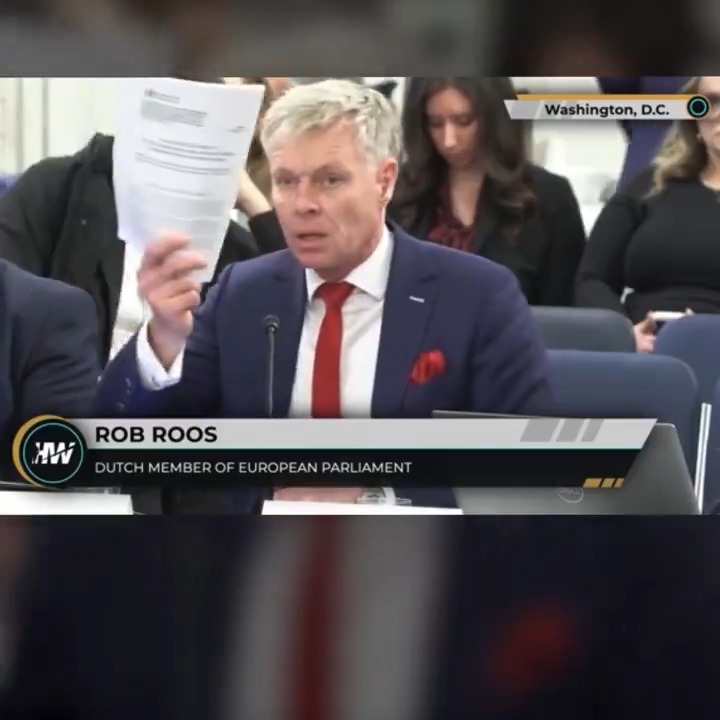


![We do not need ever more centralised control Yesterday, a UK parliamentary committee held a debate on the proposed WHO pandemic treaty and amendments to the International Health Regulations (2005). Please listen to this perfectly on point speech by the honourable MP Danny Kruger. Please share it far and wide. Excerpts of the speech: "It's these amendments that are of the greater concern. These proposed new regulations will hardwire into international law and into our own domestic policy a top-down approach to pandemics and to global public health. So yes, we need cooperation, yes, we need strategic vision, but no, we do not need ever more centralised solutions. And in fact, in this country, it wasn't the top-down approach that worked in COVID-19. ... What worked best was people taking responsibility for themselves and their neighbours, local government working with civil society, medical leaders exercising their judgement ... What worked was not central control but subsidiarity, decisions taken as close as possible to the people that they affected. ... So what we are seeing now, is the World Health Organisation not just setting itself up as responsible for identifying pandemics but also for the responses worldwide to those pandemics. ... And of course, we know about the WHO. We know its unaccountable nature. The Director-General appointed through an opague undemocratic process, too much power for international pharmaceutical companies. ... And crucially, [the amendments] propose that the existing powers for the WHO to make recommendations about what countries should do should be upgraded from non-binding to binding recommendations. So, it amounts to a vast transfer of power to the WHO." If you want to learn more about the subject, please read this in-depth document that contains all relevant original references and was prepared by political/legal experts:](https://image.24vids.com/tw-1648406435833737222/ext_tw_video_thumb/1648392970834460673/pu/img/DURVjkVnW1LRTMrD.jpg)

