Video wird geladen...

Video konnte nicht geladen werden

Zur Startseite

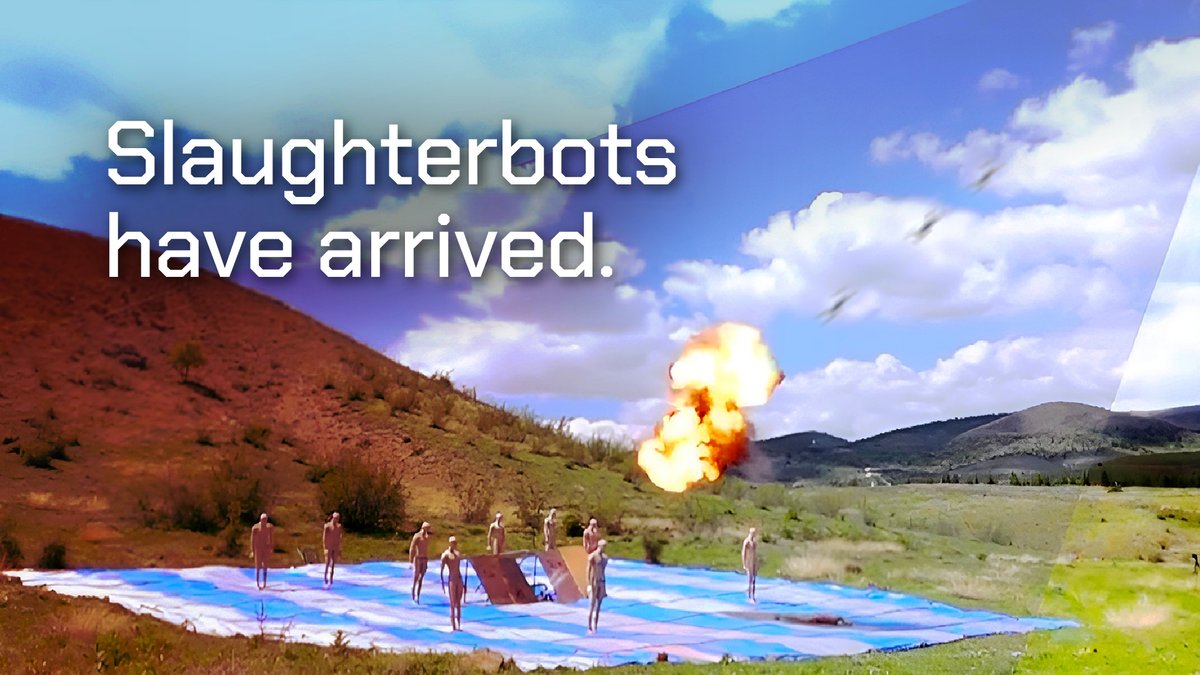
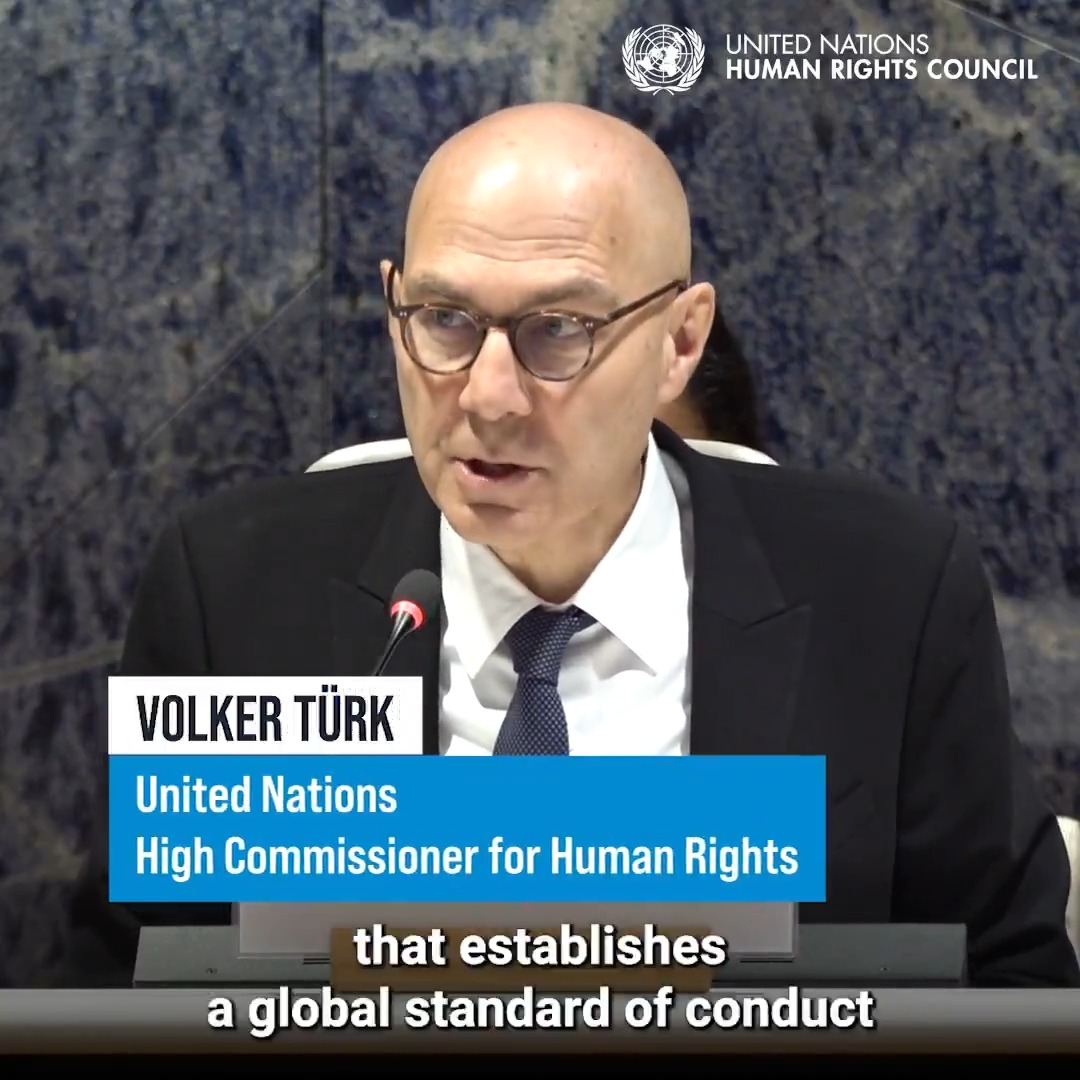
“Autonomous weapons cannot become a license for atrocity crimes.” Volker Türk warns of the global shift in how war is waged, with drone warfare creating a new circle of hell. States urgently need to consider moral and legal questions, and update legal frameworks to require human control and ensure...

34,145 Aufrufe • vor 2 Monaten •via X (Twitter)

0 Kommentare

Keine Kommentare verfügbar

Kommentare vom Original-Post werden hier angezeigt
Ähnliche Videos

UN CALLS FOR THE CRIMES OF M23 & KAGAME'S RDF TO BE RECOGNIZED AS GENOCIDE: "M23 together with Rwanda's RDF have committed grave crimes against humanity: Mass Murder, Torture, Rape, Sexual Slavery, Severe Deprivation of Freedom" declares United Nations High Commissioner for Human Rights⤵️(translated from Daniel Michombero /Batubenga) War in the East of #RDC 🇨🇩: High Commissioner for Human Rights calls for recognition of genocide and urgent international action. The United Nations High Commissioner for Human Rights, Volker Türk, urged on Wednesday, September 9, the Human Rights Council and international community to acknowledge the severity of the crimes committed in the Democratic Republic of Congo (DRC) and to take action to curb the deadly violence that has been tearing apart the east of the country for decades. “It is time for this Council and the international community to act to stop the violence, protect victims, and ensure justice,” declared Volker Türk, calling on member states to provide adequate support to the Commission of Inquiry tasked with documenting the crimes and laying the groundwork for justice. The statement comes in a context where reports from the United Nations and NGOs denounce massive human rights violations in the DRC. A report published in early September by the UN concluded that the M23 rebels, as well as the Congolese armed forces and other armed groups, could be responsible for war crimes and crimes against humanity. Last July, the M23 was accused of massacring more than 300 civilians, including women and children, near Virunga National Park. These acts of violence add to a long list of atrocities recorded for years in eastern DRC, where civilians bear the heaviest toll of a conflict fueled by geopolitical and economic interests. The High Commissioner’s call is part of a movement aimed at recognizing the crimes committed in the DRC as genocide. For several Congolese and international actors, such recognition would: • strengthen international mobilization against the violence, • accelerate the implementation of judicial mechanisms, • and ensure reparations and remembrance for the victims, as already recommended by the United Nations Mapping Project published in 2010. In urging member states to support the Commission of Inquiry, Volker Türk emphasizes the need to break the cycle of impunity. “This is about laying the foundations for justice for the countless victims of the conflict in the DRC,” he insisted in Geneva. This plea places the international community face-to-face with its responsibilities: to translate words into actions through concrete support for investigations, the protection of civilian populations, and the establishment of a transitional justice framework. As the DRC continues to suffer large-scale violence, the question of recognizing the genocide could mark a historic turning point. However, its realization will depend on the political will of UN member states, often torn between diplomatic considerations and the imperatives of justice.

Rev Christine Coleman

10,846 Aufrufe • vor 11 Monaten