正在加载视频...
视频加载失败
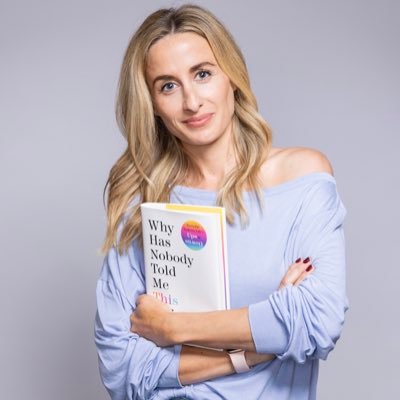
👉Avoidance feeds self-doubt and the more you avoid something, the more you will believe in that narrative that says, I would never have been good enough anyway. 👉Tackling self-doubt demands courageous action in the direction of something that matters to you, something that feels so important that it overrides... show more
10,137 次观看 • 2 年前 •via X (Twitter)
2 条评论

Christine Sandras2 年前
im finding things hard i have recently had a very difficult situation where a former teacher filed a personal safety intervention order against me and reported me to police for stalking and harrassment
Christine Sandras2 年前
in the court case yesterday i said to the magistrate that i disagree with the restraining order decision and with the police decision to have no contact with Mrs Ferry i have been placed on a temporary interim restraining order until the magistrate has made a decision
相关视频


![Jordan Peterson converging on David Deutsch s fun criterion: “You can't make yourself interested in something. Interest manifests itself and grips you (…). And if you don’t listen to [your interests], that’s the other thing. If you don’t listen to it, and I’ve been a clinician and talked to enough people now, as old as I am, to know this absolutely. If you do not listen to that thing that beckons you forward, you will pay for it like you cannot possibly imagine. You will have everything that is terrible about life in your life and nothing about it that is good.”](https://image.24vids.com/tw-1989239339767742849/amplify_video_thumb/1989239160947802112/img/833Ok4z-XFxt1CmT.jpg)




1:31
Sensitive content
Americans are coming to the ultimate realization. After the assassination of Charlie Kirk, we can no longer coexist with the Left “The more and more I see today, the more pissed off I get, and the more I see that there's no peaceful way to fix this. I've tried to think of any way that I could, and there's not. You guys created something that you don't understand. When you sit out here and celebrate the death of someone, the assassination of someone, that shows me that you are so far gone that we can't be peaceful with you anymore. And that breaks my heart. Because the thing you idiots never understood is the most dangerous thing is a man that just wanted to be left the f*ck alone. And you wouldn't leave us the f*ck alone. So we're at a point now that it's either time for all of you to sit down and shut up. Or you're going to experience something that you will never be able to fathom. The sh*t that's coming your way, it's not going to be what you think it is. This is not something that you can win. This will be one-sided and you don't have a prayer.”
Wall Street Apes
92,288 次观看 • 1 年前


