Video yükleniyor...
Video Yüklenemedi
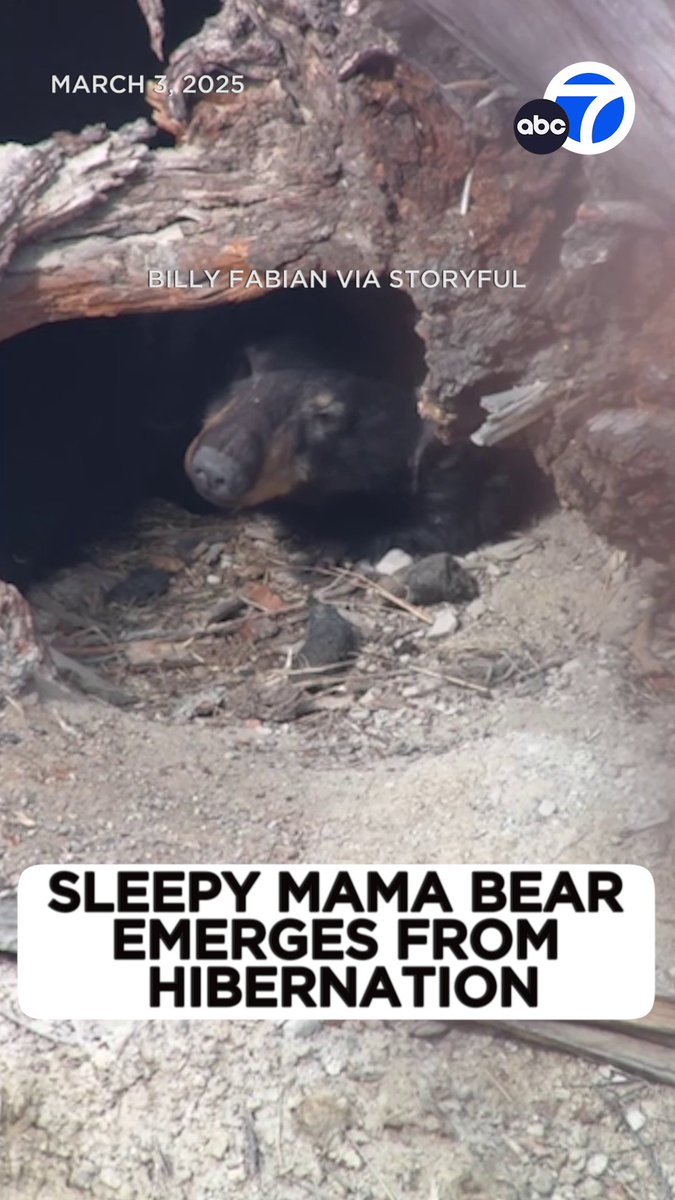
Bear waking up from 'hibernation'

1,619,978 görüntüleme • 2 yıl önce •via X (Twitter)
9 Yorum

Bears don't truly hibernate; they enter a sleep state called torpor Source of video; kickinghorsemtn mountain resort

Lets take a walk everybody!

Bear hibernation is a fascinating and essential survival mechanism for some bear species, particularly during winter months when food is scarce. Hibernation allows bears to conserve energy and survive the cold season without having to expend energy searching for food. Here are some key points about bear hibernation: 1. Species: Not all bear species hibernate. The American black bear, brown bear, and polar bear are among the most well-known species that do. Grizzly bears, which are a subspecies of brown bears, also hibernate. 2. Duration: The length of hibernation varies depending on factors such as the species, temperature, and availability of food before hibernation. Typically, bears hibernate for 3 to 7 months. 3. Preparation: Before hibernation, bears consume large amounts of food, such as berries, nuts, insects, and, in some cases, fish and animals. They gain 30% to 50% of their body weight during this period. This stored energy is crucial for their survival during hibernation. 4. Fasting: During hibernation, bears fast, relying on their fat reserves for energy. Their metabolic rate slows down significantly, reducing the need for food and water. They can survive on the fat reserves stored in their bodies. 5. Body temperature: Bears' body temperature drops slightly during hibernation, ranging from 20°C to 30°C lower than their normal body temperature. However, they are still able to perform vital bodily functions. 6. Breathing and heart rate: Hibernating bears' breathing and heart rates slow down, conserving energy. They can still be roused by loud noises, vibrations, or disturbances in their environment. 7. Wake-up: The end of hibernation, or emergence, is triggered by increasing temperatures and the availability of food. Bears may emerge from hibernation weighing as much as they did before they hibernated, thanks to their stored fat reserves. 8. Adaptations: Bears have several adaptations to help them survive hibernation. These include a strong sense of smell, thick fur to insulate their bodies, and an ability to reduce their metabolic rate. In summary, bear hibernation is a remarkable adaptation that helps certain bear species survive the harsh winter months when food is scarce. It involves a period of fasting and reduced metabolic activity, allowing bears to conserve their energy and emerge in the spring with adequate fat reserves to resume their normal activities.

OMG, How many of you love Panda...??? 🤩🥰🤩

Seen this yet?
Bears are large, powerful mammals found in a variety of habitats, such as forests and mountains, with an omnivorous diet and unique adaptations, including hibernation, making them a fascinating and adaptable species Additional Reading:

The bear's fur was still in good shape after the hibernation. I would have expected something like this. 😅

Adorable funny dog 🥰😅

This will crack you up
Benzer Videolar


Sensitive content
Back from hibernation but still fat and full 🥴 Kept waking up hungry so I had to go for dinner every now and then 😋 Happy #tummytuesday 🐻🧡 CW: Belly noises 🔉 #furry #fursuit #fursuitbelly
🐺shelbydragowolf.bsky.social🐉
16,019 görüntüleme • 2 yıl önce


