Video wird geladen...
Video konnte nicht geladen werden
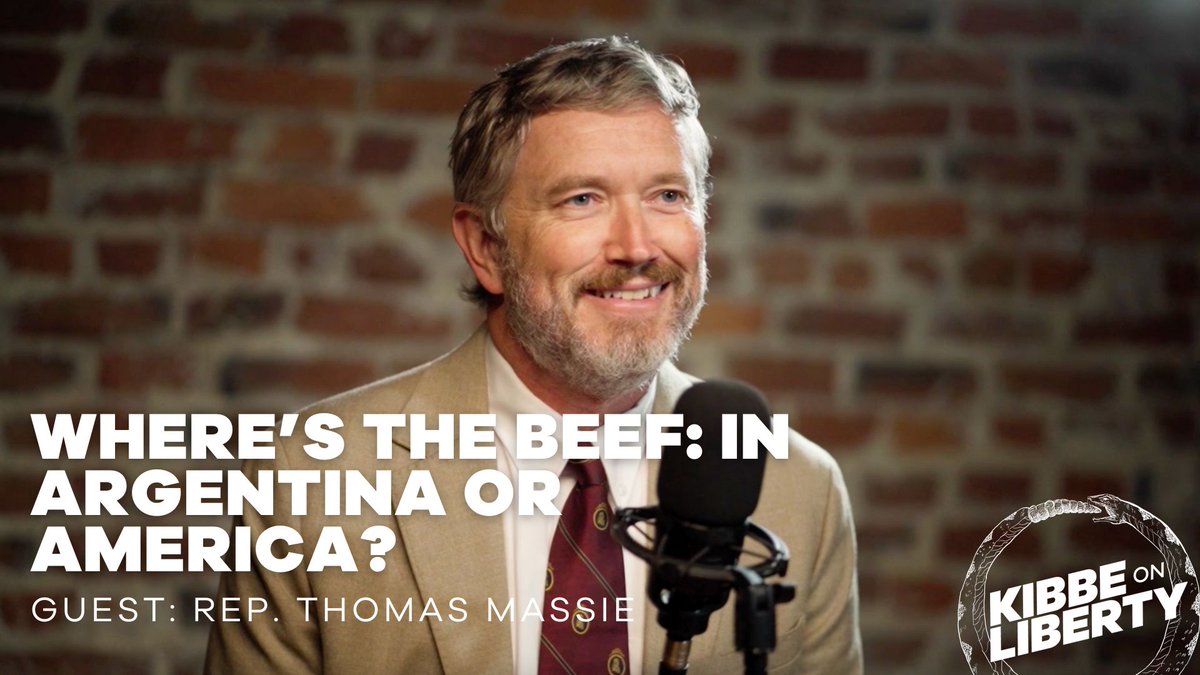
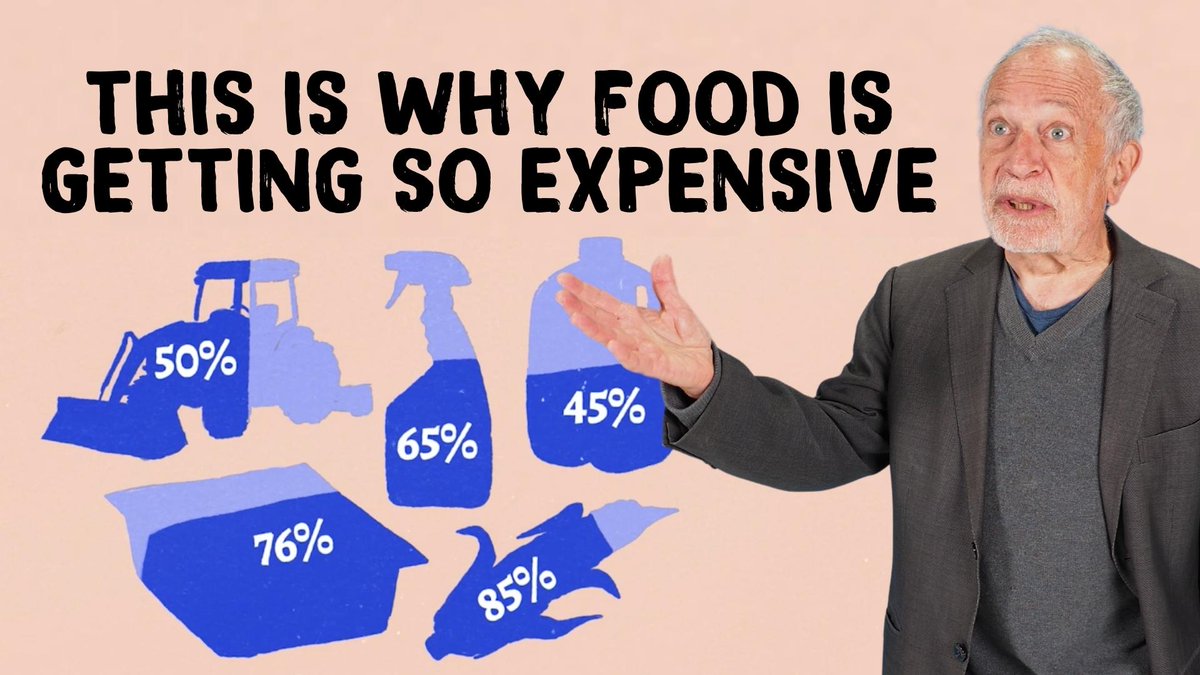
Beef prices have skyrocketed since the 1970s. What changed? We went from thousands of local, independent processors down to 4, and the Big Four no longer compete against each other. They also rigged prices against the ranchers who raise cattle, driving many small ranches out of business. The Beef... show more
11,576 Aufrufe • vor 5 Monaten •via X (Twitter)
0 Kommentare
Keine Kommentare verfügbar
Kommentare vom Original-Post werden hier angezeigt


![Undercover at CattleCon: Ranchers & Insiders Expose How Tyson, JBS, Cargill, & National Beef Secretly Control America's Beef Market. The OMG team did a deep dive, going undercover at CattleCon 2026 in Nashville, Tennessee. We spoke with beef industry insiders and ranchers about the top four companies, Tyson, JBS, Cargill, and National Beef, which dominate U.S. beef processing. These four companies process the majority of U.S. beef. Over time, dozens of smaller processors merged into four major companies now known as the “Big Four.” “They [Big Four] are buying like all the companies in the United States… so they don’t have competition.” “They [Big Four] can knock you out of this industry in two seconds.” “They [Big Four] closed all the markets — all the markets are theirs in Brazil and now in the U.S.” In November 2025, President Trump tweeted that cattle prices were falling while boxed beef prices kept rising, calling it “fishy.” With the Department of Justice urging action over possible price manipulation by major meatpackers, we decided to investigate and do something about it. Our team spoke directly with ranchers and industry partners, documenting firsthand how the “Big Four” dominate the market and impact pricing. As beef prices climb, many cattle producers say they have little influence over the prices they receive, raising questions about how costs are set from the ranch to the store shelf. The Department of Justice has looked into whether the biggest beef companies have too much control over the industry and whether they worked together to raise prices. The “Big Four” companies deny any wrongdoing, insisting that prices are driven solely by supply and demand. Tyson, JBS, Cargill, and National Beef control most of the U.S. beef industry, raising serious questions about who really sets the price. So when you see higher prices at the grocery store, it’s worth asking why. This may explain why your steak keeps costing more. Tyson Foods jbsusa JBS @NationalBeeff Cargill U.S. Department of Justice Pam Bondi Antitrust Division](https://image.24vids.com/tw-2026399216176882139/amplify_video_thumb/2026398603204231168/img/oSgPDgTeLalTiyzn.jpg)