Video yükleniyor...

Video Yüklenemedi

Ana Sayfaya Dön

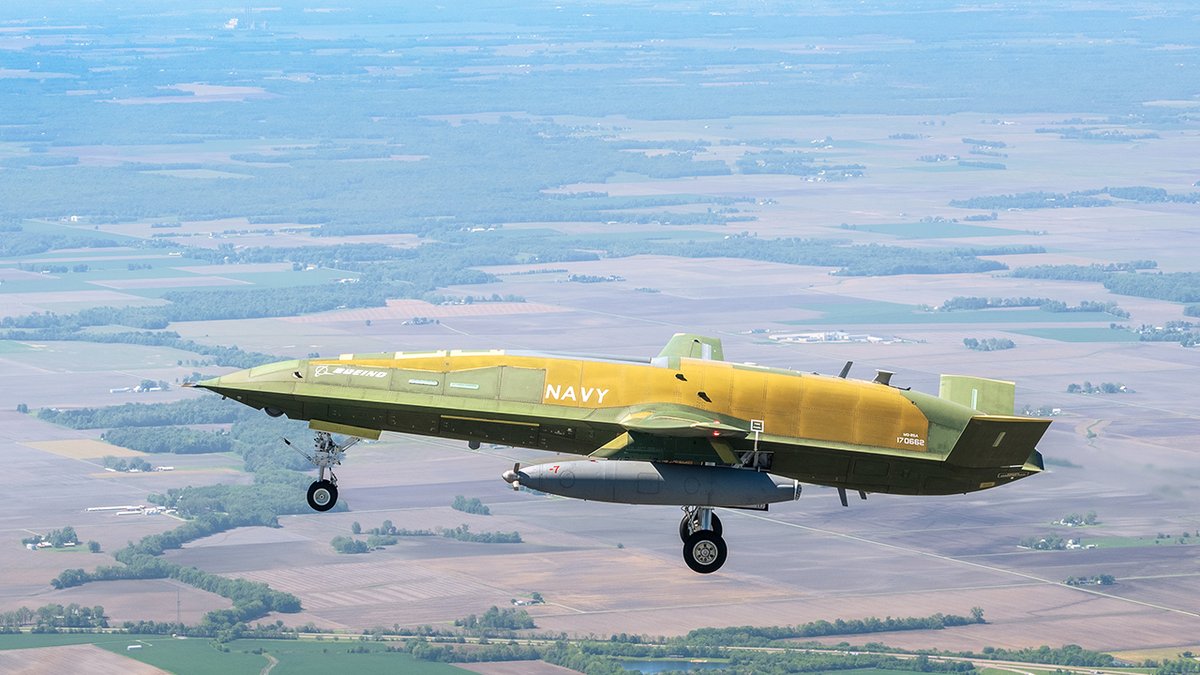
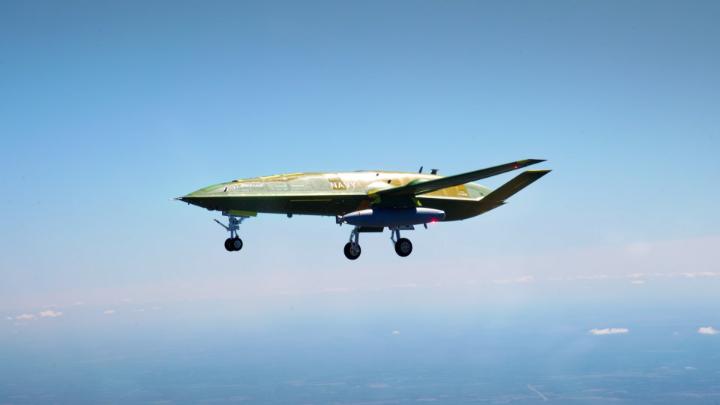
Boeing Defense said the first operational MQ-25A Stingray completed its initial autonomous taxi test. The carrier based drone will refuel Navy jets and extend F 35C range, with first flight expected in early 2026.

95,274 görüntüleme • 5 ay önce •via X (Twitter)

0 Yorum

Yorum bulunmuyor

Orijinal gönderinin yorumları burada görünecek

Benzer Videolar

🇺🇸 The next-generation aircraft carrier USS John F. Kennedy (CVN-79), the second ship of the U.S. Navy’s Ford class, has successfully completed its first test of the nuclear propulsion system, marking the beginning of the final stage of preparations before delivery to the fleet. On September 29, 2025, in Newport News, Virginia, the 100,000-ton nuclear-powered carrier activated its propulsion system for the first time on the James River. During the trials, engineers tested the performance of the ship’s two A1B nuclear reactors and all four propeller shafts under key operational parameters — a major milestone before the start of sea trials, which are scheduled for early 2026. Despite a delayed schedule — with commissioning now expected in March 2027 due to the complexity of integrating numerous next-generation systems such as the EMALS electromagnetic catapults, Advanced Arresting Gear (AAG), and advanced radar suites — CVN-79 remains of strategic importance to the United States. Thanks to its power plant generating 25% more energy than that of Nimitz-class carriers, John F. Kennedy will not only be capable of higher daily sortie rates, but will also have sufficient energy reserves to support future high-energy weapons systems, including laser-based armaments. According to recent plans, the new carrier will operate a mixed air wing featuring F-35C fighters and MQ-25 Stingray unmanned aerial refueling drones. See the latest updates with us: NSTRIKE

NSTRIKE

139,627 görüntüleme • 9 ay önce