Loading video...

Video Failed to Load

Go Home

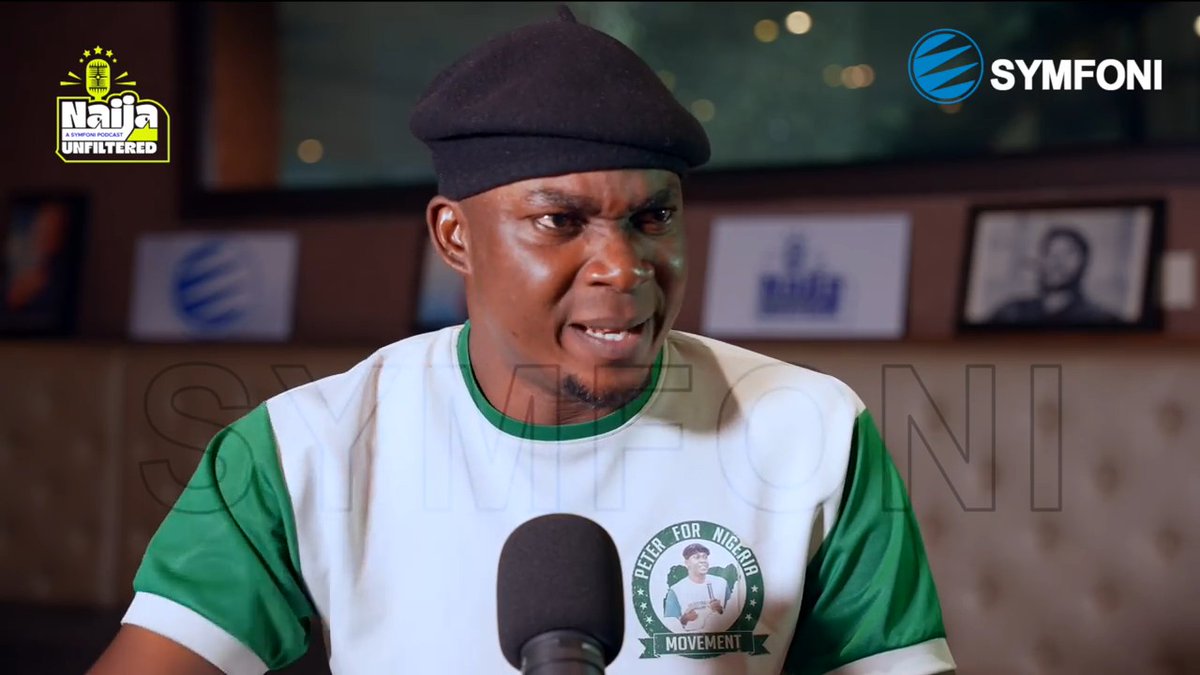
Bolaji Abdullahi has asked a devastatingly simple question: “When last did you hear any governor in the APC, or the President for that matter, talk about helping Nigerians travel cheaper?” That question goes straight to the heart of the Atiku effect. For years, Nigerians watched transportation costs consume an...

12,255 views • 1 month ago •via X (Twitter)

0 Comments

No comments available

Comments from the original post will appear here

Related Videos

Kola Ologbondiyan has reduced the entire subsidy debate to the question that actually matters: After three years of increased government revenue, is life better for the Nigerian paying the bills? That is where all the economic grammar should end. The argument is not that Nigeria should resurrect the old subsidy arrangement with its corruption and leakages. Kola made that abundantly clear. The argument is that no economic policy should become so sacred that government refuses to review it even when ordinary citizens are struggling under its consequences. Tinubu removed subsidy abruptly. Fuel prices multiplied. Transportation became more expensive. Businesses transferred higher operating costs to consumers. Families watched their purchasing power shrink. Government revenues may have increased, governors may be receiving larger allocations, and politicians may commission flyovers, but Nigerians do not eat government revenue figures. The real measurement is the citizen. Can a worker afford transportation? Can a family afford food? Can a sick person afford healthcare? Can a small business survive its energy costs? This is why Atiku’s position deserves a serious hearing rather than APC propaganda about “returning to the past.” Review the entire production and distribution chain. Identify avoidable costs. Remove inefficiencies. Block corruption. Find mechanisms that can reduce the price reaching the consumer. That is policymaking, not ideological surrender. And Kola’s strongest point is perhaps the simplest: ADC intends to put the citizen at the centre of the conversation. Policies are supposed to serve people. People are not supposed to be sacrificed indefinitely so politicians can defend policies. If something is hurting millions of Nigerians, asking whether there is a better way is not weakness. It is precisely what responsible opposition should do.

ADC Vanguard

43,969 views • 1 month ago

Sheikh Tijjani Guruntum has said what millions of Nigerians are feeling silently: any government policy that always ends with the masses suffering must be questioned. Democracy is not dictatorship wearing agbada. Democracy means listening to the people. Democracy means that when citizens cry out, leaders pause, reflect and adjust. Democracy means government policies should serve the people, not punish them. But under Tinubu’s APC, every major policy appears to arrive with pain first and explanation later. Fuel subsidy removal brought hardship. The naira float brought pressure. Electricity tariff increases brought more burden. New tax conversations bring fresh fear. Food prices keep rising. Transport keeps punishing workers. Businesses keep struggling. Families keep reducing their dreams. At what point will this government admit that Nigerians are tired? The people are not rejecting reform because they hate progress. They are rejecting policies that make life unbearable while the political class continues to live comfortably. You cannot ask the poor to sacrifice endlessly while those in power enjoy luxury, convoys, allowances and protection from the same hardship they created. If this is truly democracy, then Tinubu’s government must listen. When the majority of citizens say a policy is hurting them, leadership should not insult them with grammar. It should not call them opposition agents. It should not tell them to be patient forever. It should listen, correct and protect the people. Sheikh Guruntum is right: we cannot continue like this. A government exists to reduce suffering, not multiply it. A leader is elected to serve citizens, not test their endurance. Nigeria cannot survive another four years of policies that treat the masses like collateral damage. Tinubu’s APC must understand one thing clearly: Nigerians are watching, Nigerians are hurting, and Nigerians will remember. In 2027, every painful policy will have a political consequence.

ADC Vanguard

22,545 views • 29 days ago

H.E Rotimi Amaechi has said what many Nigerians are already saying quietly in markets, homes, offices, campuses, motor parks, and community gatherings: if the 2027 election is free, fair, and credible, Tinubu may face a serious political battle. Amaechi’s statement is not just ordinary political talk. It reflects the visible mood of the country. Hunger has deepened. Poverty has expanded. Food prices have become a daily punishment. Fuel has become a heavy burden. Electricity remains unreliable for many citizens. Income has not grown at the same speed as the cost of survival. That is why Amaechi believes Tinubu can be defeated with ease in 2027. Not because the opposition has magic, but because the government has handed the opposition its strongest campaign message. Everywhere you go, ordinary Nigerians are asking the same painful question: is this the renewed hope they were promised? Tinubu came with the language of “Renewed Hope”, but for many struggling households, what they feel is renewed hunger, renewed hardship, renewed frustration, and renewed anger. This is no longer just politics. This is about the stomach. And when the stomach is crying, propaganda cannot easily silence it. RFI Hausa interviewed Amaechi as a presidential aspirant, where he explained what he would do if elected in 2027 and argued that hunger and poverty under the current administration have made Tinubu politically vulnerable. His message is simple: the hardship Nigerians are experiencing today may become the strongest force against the ruling party in 2027. ADC must take this message seriously. Opportunities like this do not come often. When citizens are crying, the opposition must become their voice. When citizens are suffering, the opposition must become their pathway. When citizens are tired of excuses, the opposition must present a clear alternative. But Tinubu will not be defeated by noise alone. ADC must build structure, present a credible candidate, unite the North and the South, enter communities, protect votes, and speak in the language ordinary Nigerians understand. The 2027 election will not only be decided by elite speeches. It will be decided by hungry stomachs, empty pockets, unemployed youths, mothers calculating food money, fathers struggling to meet family needs, and citizens who feel abandoned after big campaign promises. If Tinubu has the power of incumbency, ADC has the chance to harness something even stronger: public anger and the desire for change.

ADC Vanguard

12,171 views • 4 months ago