Video yükleniyor...

Video Yüklenemedi

Ana Sayfaya Dön

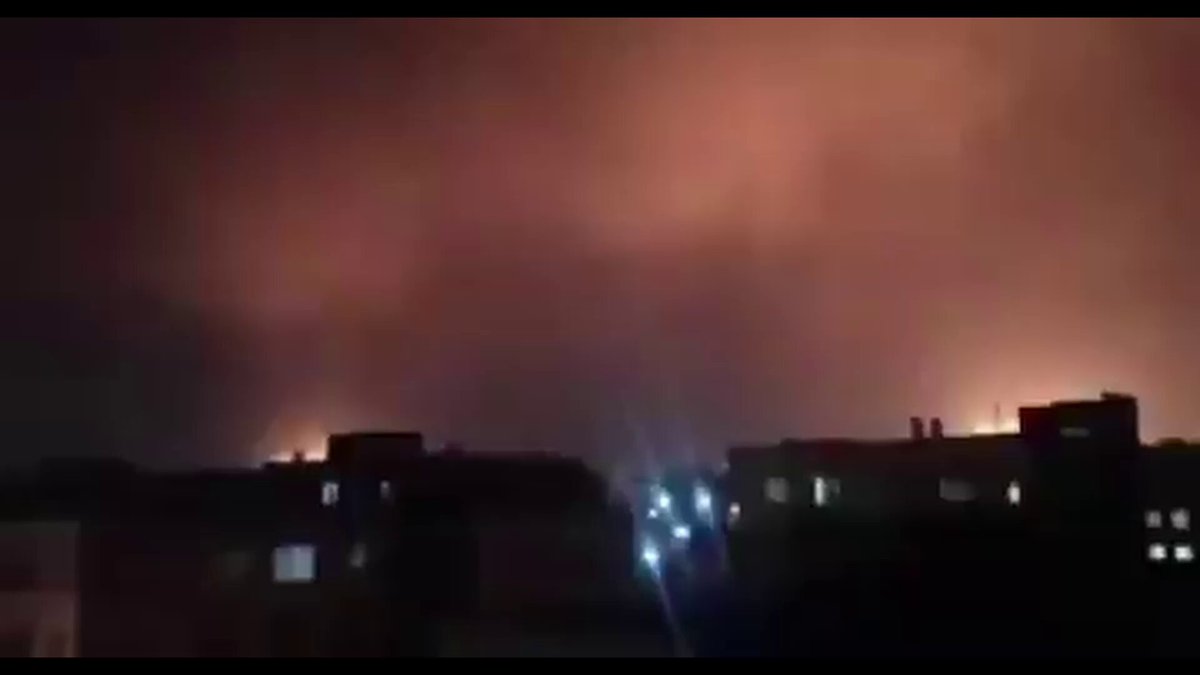
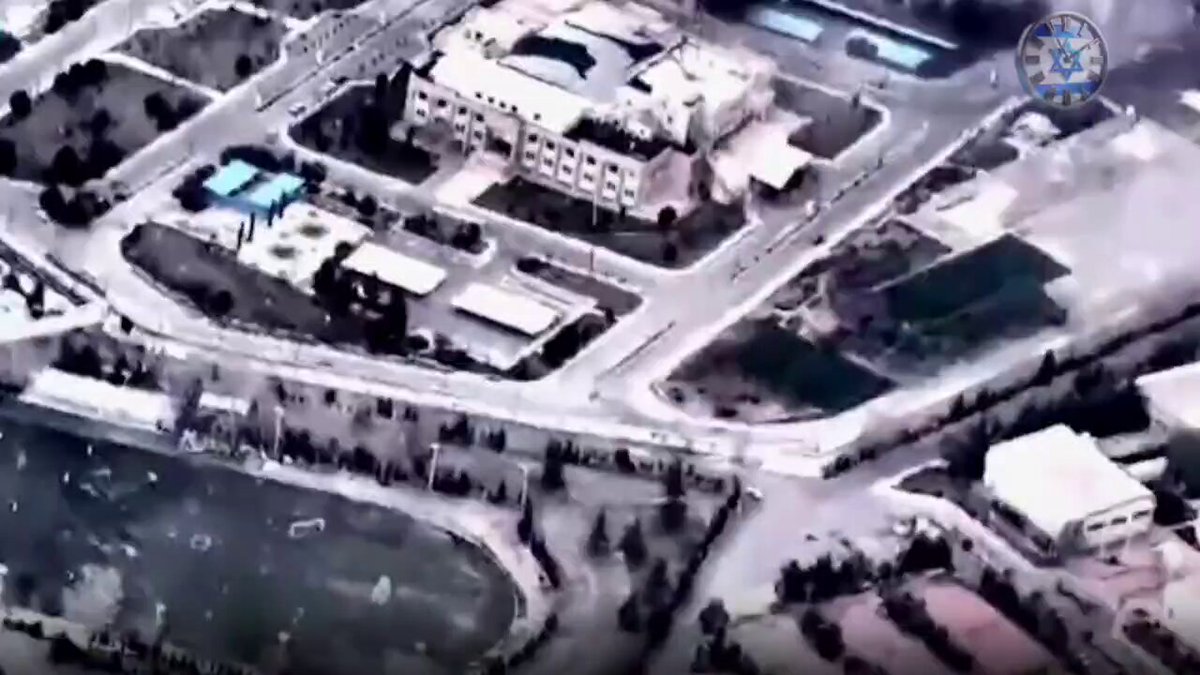
🚨 BREAKING: ISRAEL ISSUES EVACUATION WARNINGS IN TEHRAN AND BEIRUT The war is widening. In the past minutes, the Israeli military has issued urgent evacuation warnings — not only in Tehran near Iran’s state broadcasting infrastructure, but now also in the southern suburbs of Beirut, a densely populated Hezbollah...

407,414 görüntüleme • 7 ay önce •via X (Twitter)

0 Yorum

Yorum bulunmuyor

Orijinal gönderinin yorumları burada görünecek

Benzer Videolar

🚨 OPERATIONAL UPDATE: ISRAEL U.S. WAR WITH THE ISLAMIC REPUBLIC - Reporting Window: Last 24 Hours ✳️The war is entering its final phase, but the battlefield is becoming more dangerous, not less. For the first time since the conflict began, the United States has signaled that its objectives against Iran have largely been achieved and that military operations could conclude within 2 to 3 weeks. At the same time, the operational picture tells a more complex story. Strikes inside Iran are intensifying, not slowing. Iran’s responses are becoming less concentrated but more geographically expansive. And across the region, the risk of broader escalation remains very real. This is no longer an open-ended war. It is a race between final military objectives and the risk of wider regional destabilization. ━━━━━━━━━━━━━━━━━━ 🏁 POLITICAL ENDGAME SIGNAL EMERGES President Donald Trump stated that the war could end within weeks, indicating that core objectives have been achieved, including the degradation of Iran’s strategic capabilities and the disruption of its leadership structure. He also signaled that the United States does not intend to remain indefinitely engaged, suggesting that responsibility for securing critical global nfrastructure, particularly the Strait of Hormuz, may shift to regional and international stakeholders. At the same time, tensions with NATO allies are surfacing. Frustration over limited allied participation in the war has raised the possibility of a broader fracture within the Western alliance structure. Parallel reporting indicates that elements within Iran are signaling openness to a ceasefire framework, particularly if maritime access through Hormuz is restored. Taken together, this marks a clear transition: the war now has a defined political end state, even as military operations continue. ━━━━━━━━━━━━━━━━━━ ✈️ FINAL PHASE STRIKE CAMPAIGN INSIDE IRAN The intensity of strikes over the past 24 hours reflects what appears to be end-stage shaping operations. Israeli and US-aligned strikes targeted a wide range of sites across Iran, including weapons production facilities, research and development centers, and critical infrastructure nodes tied to the regime’s military capabilities. Tehran remains a central focus. Approximately twenty military-industrial sites were struck, along with infrastructure at Mehrabad Airport and locations linked to Basij coordination. A senior Quds Force engineering figure, Mahdi Vafaei, was eliminated in a precision strike. His role in developing underground weapons infrastructure across Lebanon and Syria made him a key long-term asset for Iran’s regional military network. Additional strikes hit industrial targets, including steel production facilities and a site identified as supporting materials linked to Iran’s chemical weapons development pipeline. This is not a campaign aimed at symbolic damage. It is a systematic effort to dismantle Iran’s ability to produce, coordinate, and sustain war over time. ━━━━━━━━━━━━━━━━━━ 🎯 IRANIAN RESPONSE AND CIVILIAN IMPACT Iran continues to launch missiles toward Israel, but at a reduced scale compared to earlier phases of the war. Limited salvos were recorded over the past 24 hours, causing injuries and localized damage. One of the most significant developments was the reported use of cluster munitions in central Israel, critically injuring a child and causing multiple casualties. At the same time, Iran appears to be adapting operationally. Rather than attempting large-scale saturation attacks, it is increasingly relying on smaller strikes, drones, and diversified targeting strategies. This does not indicate de-escalation. It reflects an effort to remain operational under sustained pressure. ━━━━━━━━━━━━━━━━━━ 🌍 REGIONAL EXPANSION: THE WAR SPREADS While direct attacks on Israel have become more limited in scale, Iran is expanding the conflict across the region. In the Gulf, infrastructure in Kuwait and Bahrain was struck, including fuel storage facilities at Kuwait International Airport. Fires and damage were reported, adding to a growing pattern of attacks on energy and logistical nodes. A commercial tanker was also struck near Qatar, further extending the conflict into maritime space. These developments mark a continued shift where Iran is targeting not just Israel, but the broader economic and energy architecture of the region. ━━━━━━━━━━━━━━━━━━ 🚢 THE STRAIT OF HORMUZ The strategic center of gravity in this war is now unmistakable. The Strait of Hormuz remains contested, with ongoing disruption to global shipping and energy flows. The United States is actively evaluating options to reopen and secure the waterway, including potential direct military action against Iranian coastal capabilities. At the same time, Gulf states, particularly the UAE, are pushing for a coordinated military effort to ensure the strait is reopened. However, regional positioning remains complex, with some actors balancing public caution and private pressure. Notably, the United States has signaled that it may not take long-term responsibility for securing Hormuz, instead shifting that burden to global stakeholders. The implication is clear: control of Hormuz will determine not only the outcome of the war, but its aftermath. ━━━━━━━━━━━━━━━━━━ 🔥 NORTHERN AND PROXY FRONTS Iran’s proxy network remains active, but increasingly strained. In Lebanon, Israeli strikes continue to target Hezbollah leadership and infrastructure, including the reported elimination of a senior commander in Beirut. Rocket fire persists, but Israeli operations are steadily degrading launch capabilities. In Yemen, the Houthis have formally entered the fight against Israel and are likely contributing to the expanding pattern of regional attacks, including those affecting Gulf infrastructure. Across Iraq and Syria, Iranian-aligned militias remain engaged, while underlying instability continues to create openings for additional actors. This is now a multi-front conflict, but one in which Iran’s network is under pressure across every axis. ━━━━━━━━━━━━━━━━━━ 🧠 WARFARE EVOLUTION A critical and often overlooked development is the role of advanced targeting systems. Israel is employing AI-assisted capabilities to identify threats, prioritize targets, and synchronize strikes across multiple theaters in near real time. This has significantly compressed the operational cycle, allowing for rapid follow-up strikes and reduced recovery time for Iranian forces. The result is a battlefield environment where Iran has less time to act, less time to adapt, and fewer opportunities to rebuild degraded capabilities. ━━━━━━━━━━━━━━━━━━ 📊 THE BIG PICTURE The trajectory of the war is now coming into focus. The United States and Israel are executing a campaign designed to dismantle Iran’s ability to function as a coherent military actor. Iran, in response, is expanding the conflict geographically in an attempt to impose broader costs. At the same time, political signals indicate that the war is approaching a defined end state. Markets are already reacting to this expectation, with oil prices declining and global indices rising on the assumption that the conflict may soon conclude. However, the final phase carries its own risks. As Iran’s conventional capabilities degrade, its reliance on asymmetric and regional tactics is increasing. The decisive question is no longer how the war is fought day to day. It is whether the final objectives can be secured before broader escalation overtakes them. ━━━━━━━━━━━━━━━━━━ 📘 BOOK RECOMMENDATION If you want a deeper understanding of the history, narratives, and strategic realities behind this conflict: Contested Land, Uncontested Truth This book breaks down the ideological, geopolitical, and historical forces that led directly to moments like this, with clarity and evidence. 👉 If you found this report valuable, share it. Follow for daily operational updates.

Inside_Israel_Intel

60,835 görüntüleme • 6 ay önce

🚨 The last 24 hours didn’t change the war in Iran. They clarified where it’s heading. *⃣ Israel struck inside Tehran again, with the IDF confirming a wide wave targeting regime infrastructure in the capital. Open-source reporting points to repeated explosions in western Tehran’s Chitgar area, including sites linked to IRGC aerospace activity, with indications of deeper penetration into command and operational systems. *⃣ Iran launched multiple coordinated barrages into central Israel, triggering nationwide alerts across Tel Aviv, Jerusalem, and the coastal plain. A ballistic missile struck a residential area, while cluster munitions and interception debris caused localized damage and light injuries across multiple locations. *⃣ The U.S. paused energy-site strikes while preparing escalation options, extending the timeline for targeting Iran’s energy infrastructure while weighing deployment of up to 10,000 additional troops and potential expanded operations. Over the last 24 hours, the battlefield didn’t shift in a dramatic new direction. But the trajectory became clearer. Inside Iran, the campaign is now visibly centered on Tehran itself, not just peripheral military sites. Repeated strikes in western districts and areas associated with IRGC aerospace infrastructure point to a focused effort to degrade missile and operational command capabilities. Additional reporting suggests targeted eliminations remain part of the campaign, though confirmation remains mixed. On the Israeli side, Iran demonstrated it can still impose disruption at scale. The latest attacks included multiple waves in a single day, with at least one confirmed impact in a residential area and additional injuries caused by shrapnel and cluster dispersal. The operational effect is less about mass casualties and more about sustained pressure on Israel’s civilian core. The diplomatic picture also became clearer, not because of progress, but because of contradiction. Washington has paused strikes on Iran’s energy infrastructure for 10 days while pushing for a deal, even as Tehran denies requesting the pause and rejects key elements of the U.S. position. At the same time, Iran appears to be selectively modulating pressure in the Strait of Hormuz, allowing limited passage in what U.S. officials have framed as a gesture, even as broader threats to Gulf energy infrastructure remain in place. At the same time, the U.S. is preparing for the opposite outcome. Planning continues for additional troop deployments and potential escalation scenarios, including operations targeting Kharg Island, the terminal responsible for the majority of Iran’s oil exports. Control of that node would directly threaten the regime’s primary revenue stream, but would also carry significant risk of wider regional retaliation. Israel, for its part, appears to be acting on the assumption that its window is limited. Reporting indicates directives to accelerate strikes against Iran’s military-industrial base, including missile and drone production, before any diplomatic outcome can constrain operations. Put together, the signal is this: ➡️The war is not expanding dramatically right now. It is tightening. ➡️Israel is pushing deeper into the infrastructure that sustains Iran’s military capability, now centered on Tehran. ➡️Iran is relying on intermittent but still disruptive strikes that continue to reach Israel’s population centers. And the United States is positioning between negotiation and escalation at the same time, preparing options that could decisively shift the war if chosen. ➡️The gap between what Washington says is happening and what Tehran is willing to accept is now as important as the fighting itself. **Special thanks to Michael W for his continued contribution to the open-source intel picture behind these updates. If you aren't already, you need to give him a follow!

Inside_Israel_Intel

128,925 görüntüleme • 6 ay önce