Video wird geladen...
Video konnte nicht geladen werden
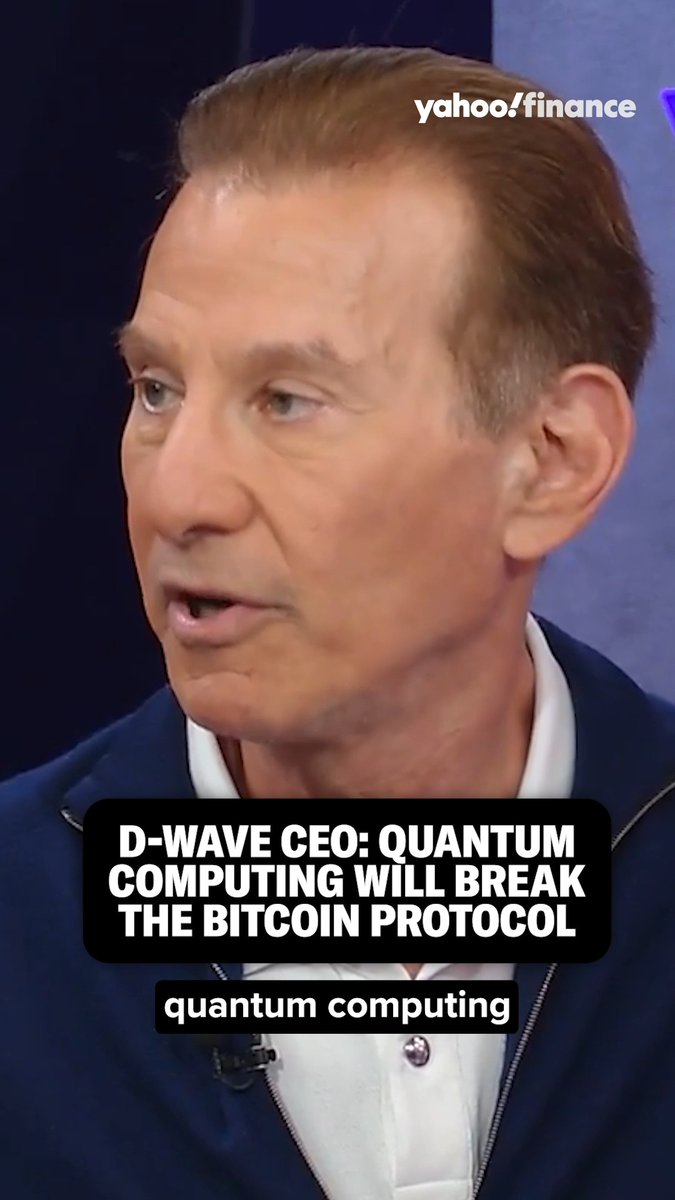
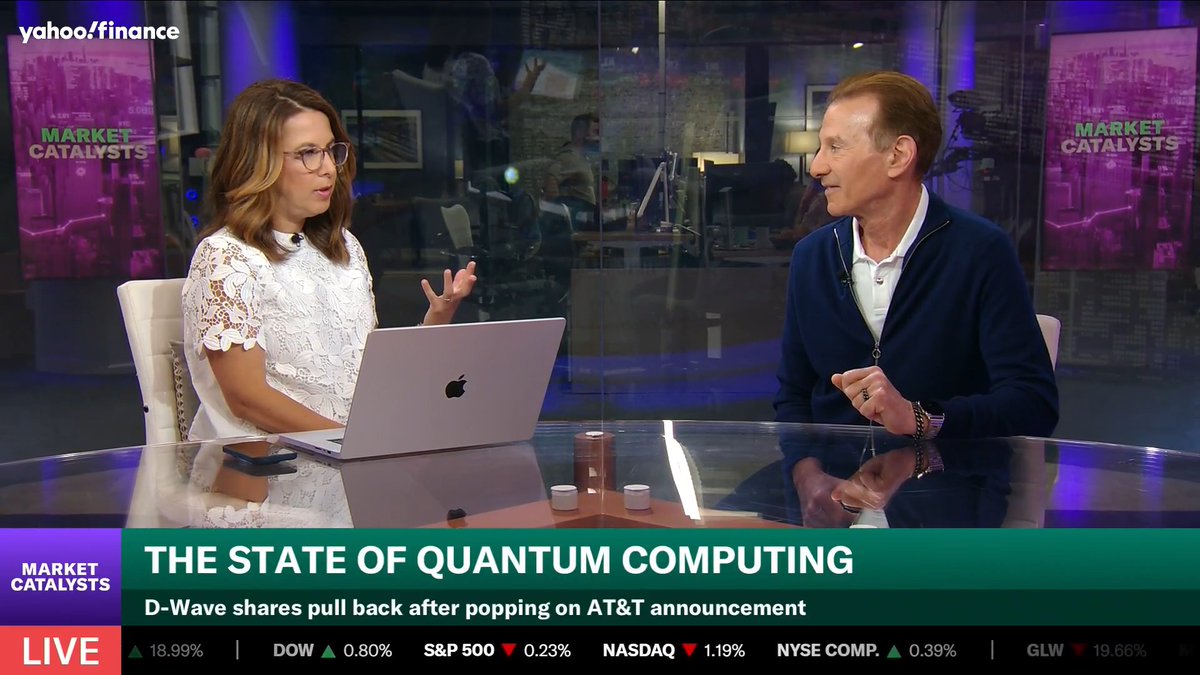
BREAKING: Vitalik speaks on quantum computing - how will eth handle quantum resistance - how will bitcoin handle it - what happens to satoshi’s 1 million coins. Will satoshi have to move them or will a hacker steal them? MUST WATCH

183,486 Aufrufe • vor 1 Jahr •via X (Twitter)
11 Kommentare

"If we go in that direction". Glad they are working on it, but the solution still isn't defined, nor built. $QANX knew to prepare years ago. A clean solution from block 0 Build on ANY language, not just Solidity Only chain that will offer great utility while being both fully ethereum compatible with cross signing so you can keep your existing wallets.

The case for Bitcoin: How does Bitcoin mining work?

$eth can be safe. But only one thing must be done. $eth 🤝 $cell. Cellframe is layer0 too and can connect with #ethereum. If it will be done, $eth can be safe before #willow and others #quantumcomputers.

If the core devs don't upgrade their SSH keys and public/private authentication to git, a quantum attacker can just replace the bitcoin code with whatever arbitrary code they chose. Are we going to trust Bitcoin Core source code to arbitrary attacks as well, or are they going to embrace quantum resistant authentication methods?

The answer is obvious, hackers could still 1m BTC in no time. Also, to be quantum resistant it requires to be just like that from the beginning (from block 1) Most will not be secure. I know #QAN has been building solutions for quantum threats for years, and it's almost ready.

You know that #QANPlatform $QANX already working on this solution right? A private blockchain is already out, and the public one is just around the corner.

10x less efficient as stated by @VitalikButerin with solutions to the upcoming problem. That’s why @cellframenet architecture makes it super fast & SCALABLE. Must watch to recognise why $CELL has first-mover advantage over most.

If they can hack bitcoin, they can hack anything like major financial institutions. There’s bigger issues than just Bitcoin.

@tidecoin is Post Quantum secure from genesis. Falcon512 NIST approved signatures. 21M total supply, PoW, 1min blocks Basically upgraded Bitcoin.

A wave of possibilities starts with $CELL 😋

$QANX is cooking a lot in the quantum sector. I think it's time to check that out. I mean, if it's good for IBM it's good for me too