正在加载视频...

视频加载失败

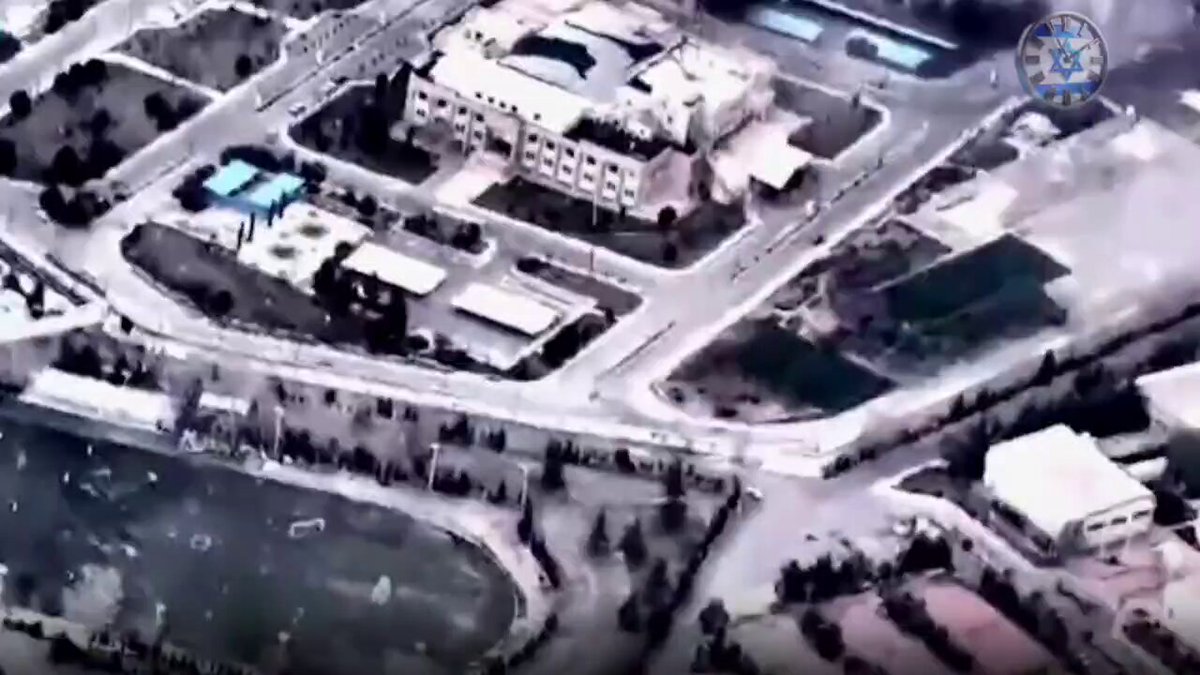
BREAKING: While the world debates whether Trump’s “productive conversations” are real, the United States eliminated 10 Iran-backed PMF fighters and the Anbar operations chief during a commanders’ meeting in western Iraq. Thirty wounded. The strike was precision-targeted at a headquarters coordinating attacks on US forces across the region. This...

118,293 次观看 • 3 个月前 •via X (Twitter)

0 条评论

暂无评论

原始帖子的评论将显示在这里

相关视频

JUST IN: President Trump said he would send Iran back to the Stone Ages. Iran’s strategic advisor to Parliament Speaker Ghalibaf replied: “It is Trump who has about 20 hours to either surrender to Iran or his allies will return to the Stone Age. We will not back down.” Both sides used the same metaphor. Both meant it literally. And overnight, while the words were still circulating, Iranian missiles and drones struck Saudi Arabia’s Jubail Industrial City, set fire to SABIC petrochemical facilities, knocked two Kuwaiti power and desalination units offline, hit the fuel tanks at Kuwait International Airport, injured 15 American servicemembers at Ali Al Salem Air Base, and triggered sirens across Bahrain, the UAE, and Saudi Arabia simultaneously. The IRGC Intelligence Organisation announced “Operation Crushing Revenge” for the assassination of intelligence chief Majid Khademi, killed by Israel in a dawn strike the same morning the ceasefire proposal arrived. The IRGC Naval Command repeated that the Strait of Hormuz “will never return to its former state” and that preparations for a permanent “new Persian Gulf order” are being finalised. Foreign Ministry spokesman Baghaei confirmed the 10-point response is ready and will be released “at the appropriate time,” adding that negotiations are “in no way compatible with ultimatum, crime, or threats.” Every statement from every level of the Iranian command structure says the same thing: no temporary deal, no deadline compliance, no surrender of Hormuz or uranium, and symmetric retaliation for every strike on Iranian soil. The Stone Age metaphor is now bilateral. Trump means Iranian power plants and bridges. Iran means Gulf desalination and petrochemical plants. Both are targeting the infrastructure that keeps civilians alive: electricity, clean water, chemical feedstocks for food and medicine. The President who threatened Power Plant Day is watching Jubail burn. The IRGC that vowed Crushing Revenge is watching Asaluyeh burn. Both sides are destroying the chemistry that the other side needs, and the debris from successful interceptions is destroying the chemistry that neither side targeted. Kuwait lost two desalination units overnight. Kuwait imports no freshwater. Its entire drinking supply comes from desalinated seawater processed by the plants that Iranian drones just hit. The country that is not a belligerent in this war may run out of drinking water because the belligerents are fighting over a strait that Kuwait’s tankers cannot safely transit. Bahrain’s BAPCO refinery took a hit. Bahrain’s GPIC petrochemical units took hits. The UAE’s Habshan gas complex, which supplies 80 percent of the country’s domestic gas, has been shut since April 3. None of these countries started this war. All of them are absorbing its consequences because the Persian Gulf is 34 kilometres wide at the chokepoint and the missiles do not stop at national borders. The 20 hours the advisor quoted have nearly elapsed. Tuesday 8 PM Eastern is tonight. Both deadlines point to the same moment. Both sides promise the Stone Age if the other does not comply. And the Gulf states between them, the countries whose desalination plants make their water and whose petrochemical plants make their economies, are burning because two powers decided that the other’s Stone Age is the price of their own survival. The deadline is tonight. The fires are already burning. And the Stone Age that both sides threaten is arriving not as a metaphor but as a measured loss of the infrastructure that separates civilisation from thirst. Will European markets open in to a bloodbath?

Shanaka Anslem Perera ⚡

58,951 次观看 • 3 个月前

Trump deployed 3,000 troops from the 82nd Airborne to the Middle East. Then delivered Iran a 15-point peace plan through Pakistani intermediaries. On the same day — Iran fired fresh missile barrages at Tel Aviv and called the negotiations “fake news.” That is the situation. Here is what the U.S. is demanding: — No nuclear weapons. Ever. Trump called this “points one, two, and three.” — Zero uranium enrichment on Iranian soil. — Full surrender of Iran’s enriched uranium stockpile to the IAEA. — Complete dismantlement of Natanz, Isfahan, and Fordow — Iran’s entire nuclear infrastructure. — Unrestricted IAEA access to every site. No exceptions. — End all proxy operations. Hezbollah. Houthis. Hamas-linked groups. Every network. Disbanded. — The Strait of Hormuz guaranteed open to international shipping. No exceptions. — Ballistic missile program frozen for five years. Range and quantity severely restricted. — Full sanctions snapback mechanisms if Iran violates any term. In exchange for surrendering its nuclear program, its missile deterrent, and its entire proxy empire — Iran gets sanctions relief and a civilian nuclear program running on externally supplied fuel. That is the offer. Trump says talks are “very good and productive.” Iran fired missiles at Tel Aviv while he said it. The five-day pause on U.S. strikes against Iranian power plants expires March 28. Iran has until then to decide if this ends as a deal or a eulogy.

Jake

63,200 次观看 • 3 个月前

🚨 OPERATIONAL UPDATE: ISRAEL U.S. WAR WITH THE ISLAMIC REPUBLIC - Reporting Window: Last 24 Hours ✳️The war is entering its final phase, but the battlefield is becoming more dangerous, not less. For the first time since the conflict began, the United States has signaled that its objectives against Iran have largely been achieved and that military operations could conclude within 2 to 3 weeks. At the same time, the operational picture tells a more complex story. Strikes inside Iran are intensifying, not slowing. Iran’s responses are becoming less concentrated but more geographically expansive. And across the region, the risk of broader escalation remains very real. This is no longer an open-ended war. It is a race between final military objectives and the risk of wider regional destabilization. ━━━━━━━━━━━━━━━━━━ 🏁 POLITICAL ENDGAME SIGNAL EMERGES President Donald Trump stated that the war could end within weeks, indicating that core objectives have been achieved, including the degradation of Iran’s strategic capabilities and the disruption of its leadership structure. He also signaled that the United States does not intend to remain indefinitely engaged, suggesting that responsibility for securing critical global nfrastructure, particularly the Strait of Hormuz, may shift to regional and international stakeholders. At the same time, tensions with NATO allies are surfacing. Frustration over limited allied participation in the war has raised the possibility of a broader fracture within the Western alliance structure. Parallel reporting indicates that elements within Iran are signaling openness to a ceasefire framework, particularly if maritime access through Hormuz is restored. Taken together, this marks a clear transition: the war now has a defined political end state, even as military operations continue. ━━━━━━━━━━━━━━━━━━ ✈️ FINAL PHASE STRIKE CAMPAIGN INSIDE IRAN The intensity of strikes over the past 24 hours reflects what appears to be end-stage shaping operations. Israeli and US-aligned strikes targeted a wide range of sites across Iran, including weapons production facilities, research and development centers, and critical infrastructure nodes tied to the regime’s military capabilities. Tehran remains a central focus. Approximately twenty military-industrial sites were struck, along with infrastructure at Mehrabad Airport and locations linked to Basij coordination. A senior Quds Force engineering figure, Mahdi Vafaei, was eliminated in a precision strike. His role in developing underground weapons infrastructure across Lebanon and Syria made him a key long-term asset for Iran’s regional military network. Additional strikes hit industrial targets, including steel production facilities and a site identified as supporting materials linked to Iran’s chemical weapons development pipeline. This is not a campaign aimed at symbolic damage. It is a systematic effort to dismantle Iran’s ability to produce, coordinate, and sustain war over time. ━━━━━━━━━━━━━━━━━━ 🎯 IRANIAN RESPONSE AND CIVILIAN IMPACT Iran continues to launch missiles toward Israel, but at a reduced scale compared to earlier phases of the war. Limited salvos were recorded over the past 24 hours, causing injuries and localized damage. One of the most significant developments was the reported use of cluster munitions in central Israel, critically injuring a child and causing multiple casualties. At the same time, Iran appears to be adapting operationally. Rather than attempting large-scale saturation attacks, it is increasingly relying on smaller strikes, drones, and diversified targeting strategies. This does not indicate de-escalation. It reflects an effort to remain operational under sustained pressure. ━━━━━━━━━━━━━━━━━━ 🌍 REGIONAL EXPANSION: THE WAR SPREADS While direct attacks on Israel have become more limited in scale, Iran is expanding the conflict across the region. In the Gulf, infrastructure in Kuwait and Bahrain was struck, including fuel storage facilities at Kuwait International Airport. Fires and damage were reported, adding to a growing pattern of attacks on energy and logistical nodes. A commercial tanker was also struck near Qatar, further extending the conflict into maritime space. These developments mark a continued shift where Iran is targeting not just Israel, but the broader economic and energy architecture of the region. ━━━━━━━━━━━━━━━━━━ 🚢 THE STRAIT OF HORMUZ The strategic center of gravity in this war is now unmistakable. The Strait of Hormuz remains contested, with ongoing disruption to global shipping and energy flows. The United States is actively evaluating options to reopen and secure the waterway, including potential direct military action against Iranian coastal capabilities. At the same time, Gulf states, particularly the UAE, are pushing for a coordinated military effort to ensure the strait is reopened. However, regional positioning remains complex, with some actors balancing public caution and private pressure. Notably, the United States has signaled that it may not take long-term responsibility for securing Hormuz, instead shifting that burden to global stakeholders. The implication is clear: control of Hormuz will determine not only the outcome of the war, but its aftermath. ━━━━━━━━━━━━━━━━━━ 🔥 NORTHERN AND PROXY FRONTS Iran’s proxy network remains active, but increasingly strained. In Lebanon, Israeli strikes continue to target Hezbollah leadership and infrastructure, including the reported elimination of a senior commander in Beirut. Rocket fire persists, but Israeli operations are steadily degrading launch capabilities. In Yemen, the Houthis have formally entered the fight against Israel and are likely contributing to the expanding pattern of regional attacks, including those affecting Gulf infrastructure. Across Iraq and Syria, Iranian-aligned militias remain engaged, while underlying instability continues to create openings for additional actors. This is now a multi-front conflict, but one in which Iran’s network is under pressure across every axis. ━━━━━━━━━━━━━━━━━━ 🧠 WARFARE EVOLUTION A critical and often overlooked development is the role of advanced targeting systems. Israel is employing AI-assisted capabilities to identify threats, prioritize targets, and synchronize strikes across multiple theaters in near real time. This has significantly compressed the operational cycle, allowing for rapid follow-up strikes and reduced recovery time for Iranian forces. The result is a battlefield environment where Iran has less time to act, less time to adapt, and fewer opportunities to rebuild degraded capabilities. ━━━━━━━━━━━━━━━━━━ 📊 THE BIG PICTURE The trajectory of the war is now coming into focus. The United States and Israel are executing a campaign designed to dismantle Iran’s ability to function as a coherent military actor. Iran, in response, is expanding the conflict geographically in an attempt to impose broader costs. At the same time, political signals indicate that the war is approaching a defined end state. Markets are already reacting to this expectation, with oil prices declining and global indices rising on the assumption that the conflict may soon conclude. However, the final phase carries its own risks. As Iran’s conventional capabilities degrade, its reliance on asymmetric and regional tactics is increasing. The decisive question is no longer how the war is fought day to day. It is whether the final objectives can be secured before broader escalation overtakes them. ━━━━━━━━━━━━━━━━━━ 📘 BOOK RECOMMENDATION If you want a deeper understanding of the history, narratives, and strategic realities behind this conflict: Contested Land, Uncontested Truth This book breaks down the ideological, geopolitical, and historical forces that led directly to moments like this, with clarity and evidence. 👉 If you found this report valuable, share it. Follow for daily operational updates.

Inside_Israel_Intel

60,835 次观看 • 3 个月前

Israel launched a defensive and preemptive strike against Iran’s nuclear operations. Here’s what we know so far. Israel targeted Iran’s nuclear sites, their ballistic missile programs, nuclear infrastructure, engineers, and nuclear scientists, and its top military commanders, including the Chief of Staff and the head of the Iranian Revolutionary Guard, a US designated terrorist organization that arms and funds groups like Hamas, Hezbollah, and the Houthis. These attacks unfolded in over five waves and at over 100 quality targets in operations that included aircrafts and additional on the ground intelligence activity. This is not a war between Israel and the Iranian people. This is a fight to stop a terrorist regime from acquiring the most dangerous weapon on earth. According to the IAEA, the UN nuclear watchdog, Iran is now capable of producing up to 15 nuclear bombs. In the last few months and while pretending to negotiate a deal with the US in good faith, Iran has accelerated its nuclear enrichment and weapons program. Iran is the head of the Middle Eastern snake. Their fingerprints can be found in every single bloody conflict in the region. Iran is the greatest sponsor of terrorism in the world and their regime oppresses their own people with their Islamist ideology. Israel cannot allow Iran to have a nuclear weapon. The Middle East cannot allow Iran to have a nuclear weapon. Because a nuclear Iran doesn’t just threaten Israel, it threatens the entire world.

Noa Tishby

24,122 次观看 • 1 年前

🚨 OPERATIONAL UPDATE: ISRAEL U.S. WAR WITH THE ISLAMIC REPUBLIC - Reporting Window: LAST 24 HOURS • Iranian missiles struck Tel Aviv and northern Israel, causing injuries and structural damage • Israel expanded strikes across Iran, including Tehran, Tabriz, Isfahan, Bandar Abbas, and missile infrastructure sites • U.S.–Israel strikes hit senior PMF infrastructure in Iraq, killing key commanders • Reported strikes on Iranian gas infrastructure in Isfahan and Khorramshahr signal a potential shift toward energy targeting • Lebanon intensified with evacuations, Rashidiya strikes, and continued Hezbollah fire • Trump abruptly pivoted to negotiations with Iran and extended the Hormuz deadline, delaying a major escalation The past 24 hours were not defined by a single headline event, but by a combination of very real battlefield activity and a sudden political shift at the top level. On the ground, the war remained active across every front: Israel, Iran, Lebanon, Iraq, and the Gulf. At the same time, the expected U.S. escalation tied to Hormuz did not happen. Instead, Washington pivoted toward negotiations, with Trump claiming talks are close to agreement while Iran publicly denies that anything meaningful is underway. That combination, ongoing war with a simultaneous negotiation track, is new. And it matters. ━━━━━━━━━━━━━━━━━━ 🚀 IRANIAN MISSILE ATTACKS ON ISRAEL Iran continued missile launches into Israel, with a clear pattern of split targeting between central and northern sectors. A missile hit in Tel Aviv injured several civilians and damaged nearby residential structures. Later waves triggered wide alert zones across northern Israel, including the Galilee, Golan, and confrontation line communities. Your outbox tracked these alerts across dozens of locations in real time. There were also additional impacts from fragments and debris, including a schoolyard hit and damage to homes in the north without mass casualties. This continues a trend seen over the last several days: • lower salvo size • wider disruption footprint • sustained daily pressure Iran is no longer relying on large coordinated barrages. It is maintaining pressure through frequency, geography, and effect per missile. At the same time, Israeli officials continue to investigate interception gaps, including earlier failures tied to THAAD systems, reinforcing that even a degraded Iranian launcher network can still produce meaningful results. ━━━━━━━━━━━━━━━━━━ ✈️ STRATEGIC AIR CAMPAIGN OVER IRAN The Israeli and U.S. strike campaign inside Iran remained broad, multi-layered, and geographically extensive. Mainstream reporting confirmed strikes on: • missile storage and production facilities • regime and intelligence headquarters in Tehran • additional infrastructure in Isfahan and surrounding regions Open source intel shows how wide this really was. Strikes or explosions were reported across: • Tehran (multiple districts including eastern sectors and Parchin-adjacent areas) • Tabriz • Khuzestan and Dezful • Bandar Abbas and coastal nodes • Yazd and missile infrastructure There were also multiple reports of targeted assassination strikes, destruction of missile-related infrastructure, and pressure on internal security nodes This matters because the campaign is not narrowing. It is hitting production, command, logistics, and leadership. This is a system-wide degradation effort, not a tactical suppression campaign. ━━━━━━━━━━━━━━━━━━ ⚡ ENERGY INFRASTRUCTURE: THE WAR IS GETTING CLOSER TO THE GRID One of the most important developments in this window was the reported targeting of Iranian gas infrastructure. Reuters reported a gas company office and pressure reduction station hit in Isfahan and a pipeline feeding a power station in Khorramshahr struck At the same time, oil prices rose again as markets reacted to continued Hormuz disruption, uncertainty around negotiations, and risk of escalation into full infrastructure targeting Open source intel strongly corroborates these reports, with repeated references to the same targets and follow-on rhetoric about retaliatory strikes on regional power systems. This is the key shift. The war is moving from military systems toward civilian energy systems. Not fully yet, but clearly closer. ━━━━━━━━━━━━━━━━━━ 🇮🇶 IRAQ: PROXY COMMAND STRUCTURE HIT The Iraq front escalated meaningfully. Reuters reported that strikes hit: • PMF headquarters in Anbar • a residence tied to PMF leadership Casualties included at least 15 fighters killed, dozens wounded, and the confirmed death of operations commander Saad al-Baiji. Open source intel confirmed this in real time, including militant messaging and follow-on threats against U.S. positions. This was not a minor militia strike. It was a hit on central PMF command infrastructure. That keeps Iraq as an active and important front, not just a background theater. ━━━━━━━━━━━━━━━━━━ 🇱🇧 LEBANON: PRESSURE CONTINUES AND DEEPENS The Lebanon front remained highly active. Key developments included evacuation warnings north of the Zahrani River, Israeli strikes near Rashidiya and southern Lebanon infrastructure, and continued Hezbollah rocket fire into northern Israel. Open source intel tracked: • strike activity near Rashidiya refugee camp • additional targeted strikes in Bchamoun • repeated northern Israeli alerts Israel continues shifting toward targeting infrastructure, limiting movement, and shaping the battlefield. Hezbollah remains active, but increasingly constrained. ━━━━━━━━━━━━━━━━━━ 🌍 WASHINGTON, TEHRAN, AND THE NEGOTIATION TRACK In a sharp pivot, Trump announced that the U.S. is now holding talks with Iran, the Hormuz deadline was extended, and discussions are “close to agreement”. From there markets reacted immediately with oil prices dropping and then global markets rallying. But the reality is far less clear. Iranian leadership denied meaningful negotiations, and then demanded compensation and guarantees as new conditions for an any agreement, including limiting U.S. presence in the Gulf There is also uncertainty about who the U.S. is even talking to. Reports suggest contact with Mohammad Ghalibaf rather than Mojtaba Khamenei, who has not been seen publicly. At the same time, there is a deeper shift: The U.S. may now be willing to end the war without full regime change. That is a major departure from earlier expectations. Meanwhile, Israel is trying to ensure any deal reflects its interests, with Netanyahu reportedly engaging directly with the administration. ━━━━━━━━━━━━━━━━━━ 📌 WHAT MATTERS MOST RIGHT NOW Three developments define the war right now. 1️⃣ The battlefield remains fully active across all fronts. Missiles, strikes, Lebanon operations, and Gulf pressure all continued in this window. 2️⃣ The war is moving closer to energy infrastructure targeting. Isfahan and Khorramshahr are early signals of a potentially much more dangerous phase. 3️⃣ Negotiations have entered the picture, but nothing is settled. The war is still being fought at full intensity even as diplomacy begins. Bottom line, this was not just another day of escalation. It was the first clear moment where war and negotiations are happening at the same time. That creates a new dynamic: • escalation is still real • pressure is still increasing • but the outcome is now less predictable than it was 24 hours ago Quick note... big thanks to Michael W for contributing to the open-source intel picture behind these updates. If you’re serious about following this war and the broader geopolitical landscape, he’s worth having in your feed. ━━━━━━━━━━━━━━━━━━ END OF REPORT

Inside_Israel_Intel

37,207 次观看 • 3 个月前

Here's what you missed over the weekend in the ongoing conflict in Iran. Get caught up below👇 🚨 OPERATIONAL UPDATE: ISRAEL U.S. WAR WITH THE ISLAMIC REPUBLIC - Reporting Window: 3/27 - 3/30 *⃣ Israel sustained a wide strike campaign inside Tehran, targeting missile production, air defense systems, and core regime infrastructure in the capital. *⃣ The IAEA confirmed Iran’s Khondab heavy water facility at Arak is no longer operational after Israeli strikes, marking one of the clearest verified hits to nuclear-linked infrastructure. *⃣ Iran continued missile attacks into Israel, including impacts near the Neot Hovav industrial zone that caused fires and industrial disruption without mass casualties. *⃣ The Houthis in Yemen officially entered the war, launching ballistic missiles and drones toward Israel and signaling continued attacks. *⃣ The Gulf front intensified, with damage to infrastructure in Kuwait and sustained pressure tied to the Strait of Hormuz and regional energy systems. *⃣ The United States is now weighing escalation options tied to Iran’s enriched uranium stockpile while maintaining a public posture of diplomacy. ━━━━━━━━━━━━━━━━━━ ✈️ STRATEGIC AIR CAMPAIGN OVER IRAN Israel’s campaign seems to have shifted from targeting regime objectives and symbols, like Basij headquarters, to industrial and military complex infrastructure. This is likely due to a prioritization to degrade the long term capabilities of the regime should the conflict end before regime change objectives can be achieved. Sustained strikes across Tehran, combined with the confirmed disabling of the Arak heavy water facility, show a shift toward dismantling Iran’s military and nuclear backbone. This is now a campaign against production, command, and regeneration capacity. Power disruptions and secondary infrastructure damage across Tehran reinforce that this is expanding beyond military sites into the broader ecosystem that sustains the regime’s ability to fight. This is not a temporary degradation effort. It is structural. ━━━━━━━━━━━━━━━━━━ 🚀 IRANIAN ATTACKS ON ISRAEL Iran is still firing. But the pattern has changed. Missile attacks continue across Israel, including impacts in the south and repeated alerts across multiple regions. The strike near Neot Hovav fits the current model: disruption, not mass casualties. Launch tempo is down significantly from earlier phases, but the capability remains intact. What matters now is not volume. It’s persistence. Iran can still impose pressure. It just can’t dominate the battlefield in any meaningful way. ━━━━━━━━━━━━━━━━━━ 🟥 YEMEN FRONT: HOUTHIS ENTER THE WAR The Houthis officially joined the war on March 28, launching ballistic missiles toward Israel for the first time in this conflict and signaling continued operations going forward. Since then additional drone launches toward Israel have been reported and intercepted. The group has framed its attacks as part of a unified “resistance front” alongside Iran, Hezbollah, and Iraqi militias. This matters for three reasons: 1. Range and geography - Yemen is over 2,000 km away. These are long-range strikes that stretch Israel’s defensive envelope. 2. Multi-front pressure - Israel is now dealing with Iran (direct), Hezbollah (north), Houthis (south / long-range). That is a true multi-front war. 3. Escalation pathway - The Houthis are not limited to Israel. They sit on the Bab al-Mandeb Strait, one of the most critical shipping chokepoints in the world. If they escalate there, it links directly with Hormuz. This could even further choke critical shipping lanes in the global economy. ━━━━━━━━━━━━━━━━━━ 🌍 GULF / HORMUZ / ENERGY WAR Iran is now fully leaning into economic warfare. Confirmed damage to infrastructure in Kuwait, combined with continued disruption around Hormuz, shows a deliberate strategy: expand the cost of the war beyond Israel. This is not incidental escalation. It is strategic leverage. ━━━━━━━━━━━━━━━━━━ 🇺🇸 POLITICAL / STRATEGIC DEVELOPMENTS The United States is now the pivot. The public posture is diplomacy and de-escalation messaging. The operational reality is that troop deployments are increasing, escalation planning is underway, and uranium-targeting scenarios are under consideration. At the same time, Iran is not signaling compromise. It is mobilizing, expanding proxy activity, and behaving like a regime preparing for a longer war and signaling it can outwait it's adversaries. That gap is now one of the most important dynamics in the conflict. ━━━━━━━━━━━━━━━━━━ 📌 WHAT MATTERS MOST RIGHT NOW ➡️ Israel is systematically dismantling Iran’s military and nuclear-supporting infrastructure, with Tehran now a primary focus. ➡️ Iran still has strike capability, but its attacks are increasingly intermittent but now beginning to be supplemented by proxy fronts in Lebanon and Yemen. ➡️ The Gulf and global energy system are a growing target for the IRGC's war trajectory. ➡️ The United States is positioned between diplomacy and escalation, with the ability to decisively shift the war if it acts. Bottom line, this is no longer just Israel vs Iran. It is now: Iran, Hezbollah, Houthis VS the US, Israel, Gulf States, and the global economy.

Inside_Israel_Intel

39,012 次观看 • 3 个月前

BREAKING: In the last 24 hours, the 2026 Iran war crossed four thresholds simultaneously. Each one would be the lead story of any other week. Together they form the architecture of an escalation spiral that has no off-ramp visible from any capital on Earth. First. Iran struck Arad and Dimona in southern Israel on Saturday night, injuring approximately 180+ people. These are the towns nearest Israel’s Negev nuclear research centre. Tasnim confirmed the strikes were retaliation for Israel’s attack on the Natanz nuclear facility. Iranian missiles penetrated Israeli air defences and left large craters in residential areas. Prime Minister Netanyahu called it “a very difficult evening in the battle for our future.” The IRGC said it targeted military installations across five cities: Arad, Dimona, Eilat, Beersheba, and Kiryat Gat. Second. Israel continued strikes on Tehran and Isfahan overnight into Sunday. Massive joint US-Israeli air raids hit multiple areas of the capital. CENTCOM confirmed the US has now struck over 8,000 military targets across 23 days of war, including 130 Iranian vessels, which it called “the largest elimination of a navy over a three-week period since World War II.” Iran’s energy minister confirmed on Sunday that “the country’s vital water and electricity infrastructure has suffered heavy damage” from US and Israeli strikes, including “dozens of water transmission and treatment facilities” and “critical water supply networks.” Israel previously struck South Pars, Iran’s portion of the world’s largest gas field. Eighty percent of Iranian electricity comes from natural gas. The attack on South Pars directly threatens power generation for 90 million people. Third. President Trump posted his 48-hour ultimatum Saturday night: reopen the Strait of Hormuz by Monday evening or the US will “hit and obliterate” Iranian power plants “starting with the biggest one first.” Iran’s armed forces responded that the strait would be “completely closed” if power plants are hit. Parliament Speaker Ghalibaf posted on X that all energy and oil infrastructure across the entire region would become “legitimate targets” and be “irreversibly destroyed.” That word “irreversibly” is doing the work of a thousand missiles. It means desalination plants. It means refineries. It means the infrastructure that produces drinking water for the Arabian Peninsula. Fourth. Saudi Arabia expelled Iranian diplomats. Riyadh declared the military attache, his deputy, and three other embassy members persona non grata with 24 hours to leave. This follows ongoing Iranian strikes on Saudi territory. Turkey’s foreign minister warned from Riyadh that Gulf countries may be forced to retaliate. The Gulf states, which have so far absorbed Iranian attacks without entering the war, are running out of room. Now hold all four escalations simultaneously. Iran strikes Israel’s nuclear doorstep. Israel and the US hammer Iranian water and power. Trump sets a 48-hour clock on power plant destruction. Iran promises permanent Hormuz closure and irreversible destruction of regional infrastructure if the clock runs out. Saudi expels Iranian diplomats. The Gulf moves toward belligerency. Brent trades above $113. WTI above $100. Goldman forecasts $110 to $125 for April with tail risk to $150. The IEA has released 400 million barrels of emergency reserves, the largest in history. The 48-hour clock expires Monday evening. Every barrel trapped in the Gulf is a barrel that does not become fertilizer. Every power plant destroyed in Iran is a megawatt that does not synthesise ammonia. Every desalination plant threatened in the Gulf is drinking water for millions. The war is no longer about missiles and territory. It is about molecules: water, nitrogen, helium, crude. The missiles are the mechanism. The molecules are the consequence. And the clock is ticking. Full Deep dive article -

Shanaka Anslem Perera ⚡

2,817,363 次观看 • 3 个月前

Israeli-British Historian Prof. Avi Shlaim: ‘The Trump-Netanyahu war on Iran is one of the most UNJUSTIFIED, SENSELESS and FOOLISH wars of the 21st century. There was absolutely no reason to go to war. This is an unlawful war. There was no Security Council resolution that mandated a war on Iran. There was no imminent threat from Iran to either Israel or America. So it was a decision taken by these two leaders to launch an attack on Iran. And the dominant personality here is Netanyahu. He’s the junior partner, but he’s the real architect of this war. He succeeded in dragging America into the war on Iran. And remember that Netanyahu was first elected as prime minister in 1996. For the last 30 years, Netanyahu has been demonising Iran and calling for a military strike against Iran’s nuclear facilities. But no American president until Trump was stupid enough to fall for it. Now, Trump went along with this plan by Netanyahu, and we have seen the consequences. It’s been a war that has caused immense damage and destruction, inflicted a lot of suffering on civilians, and not just in Iran, but on Lebanon as well. And at the same time, Israel continues the genocide in Gaza and the ethnic cleansing of the West Bank. So what we are seeing is an Israeli success in dragging America into a war which is damaging to America, damaging to America’s Gulf allies, hugely damaging to the international economy, and undermines international law.’ -Prof. Avi Shlaim, Emeritus Professor of International Relations at the University of Oxford Watch the full interview in the quoted post below👇

Going Underground

32,717 次观看 • 2 个月前