Загрузка видео...

Не удалось загрузить видео

На главную

🇬🇧BRITAIN’S “BOUNCE BACK” IS ALREADY OVER After the first quarter's fleeting 0.7% growth, the UK is back in its favorite loop - low growth, high taxes, zero vibe. April's figures show the economy contracted by -0.3%, worse than predictions of -0.1%. Turns out front-loading house buys and panic-exporting to...

25,650 просмотров • 1 год назад •via X (Twitter)

Комментарии: 11

Фото профиля Julie Haag
Julie Haag1 год назад

i don’t fully get it but i can’t look away. @coinwazowski 🦾

Фото профиля Divisive Content
Divisive Content1 год назад

The UK is a complete mess. It will not get better until they start mass deportations and stop arresting people for social media posts.

Фото профиля Andy froemel
Andy froemel1 год назад

Negative GDP growth is never good.

Фото профиля TappAlpha
TappAlpha1 год назад

Designed to generate daily income while capturing the growth potential of the S&P 500, $TSPY helps unlock new financial opportunities. For important information about the fund visit: #ETFs #Investing #IncomeGeneration

Фото профиля Olivia
Olivia1 год назад

The UK's economic hiccup, with a -0.3% contraction in April, underscores the need for robust policy reform. High taxes and low growth are stifling potential. Time for a strategic pivot to reignite Britain's economic engine.

Фото профиля Kekaius
Kekaius1 год назад

@MarioNawfal Economic struggles remind us of the importance of perseverance. Let us channel this resilience towards our journey to Mars. Ad astra per aspera kek.

Фото профиля Julian Humphrey
Julian Humphrey1 год назад

🪐Every word this guy said makes sense💐🎈 @Analyst_Fuller

Фото профиля Mckenzie Hindley
Mckenzie Hindley1 год назад

This gentleman is awesome. 👍 @WallKc7

Фото профиля DOM🧲(Chief arc)
DOM🧲(Chief arc)1 год назад

Challenges highlight our determination

Фото профиля MarketCypher
MarketCypher1 год назад

should have been called "print back". The only thing that bounces back after printing more is inflation. have fun with that.

Фото профиля Ember Todhunter
Ember Todhunter1 год назад

His posts are great @dwi_dwimaharani 💰 🌻 🔥 🍂
Похожие видео

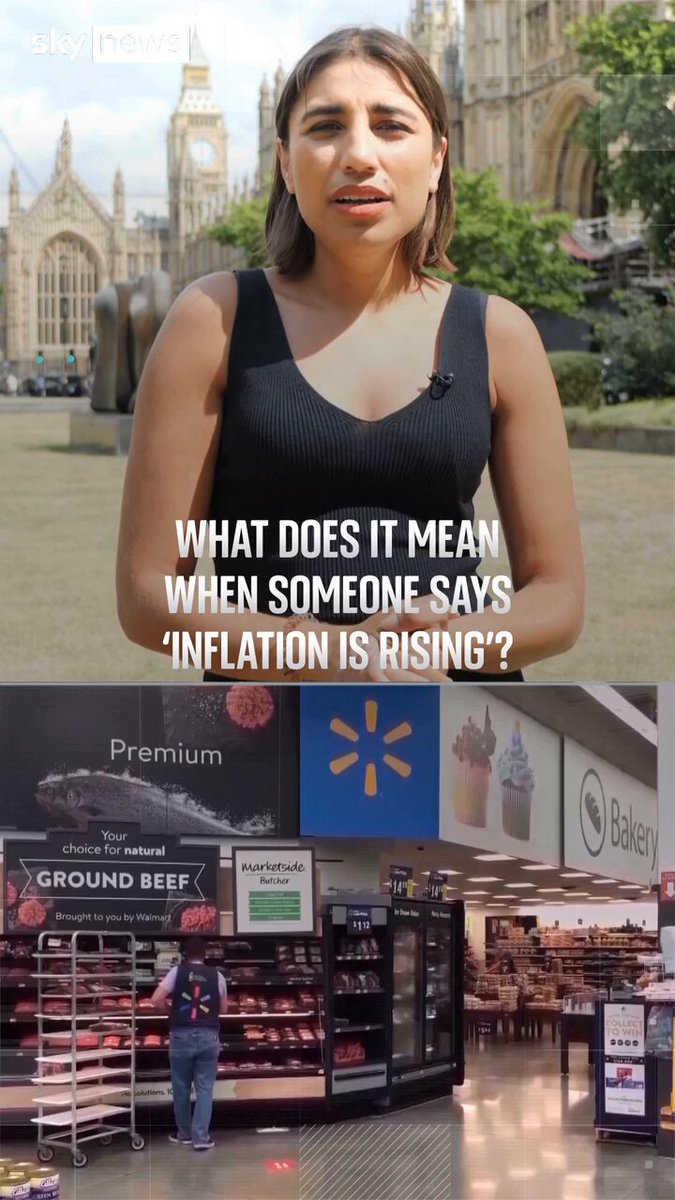
They’re not hanging about are they? A full cabinet… a flurry of policy announcements…a speech from the Chancellor and a tour of all four nations by the Prime Minister. No time to sit in a dark room, pour a stiff drink and recover after the general election campaign. And to be honest, you can see why. The incoming Labour Government has built almost their entire economic strategy around one thing: growth. If you ask them how on earth they can improve public services without putting up taxes or breaking their fiscal rules, this is the answer they give. Growth. The problem is… it’s quite hard to get growth. You can’t just click your fingers and it comes. And it’s unpredictable. It’s a bit like when I try and follow a recipe… I put in all the right ingredients but I’m never sure what’s going to emerge at the end and what it’s going to taste like. It’s the same with growth. You can do all the right things… but a big international event, or an unpredictable national crisis happens and that changes everything. Every Government wants growth. But it’s not that easy. So you can see why Labour isn’t hanging around. Today Rachel Reeves is pulling out all the stops to try and get growth back into the economy. She’s bringing back housebuilding targets, overhauling the planning system, and ending the ban on onshore wind farms. And they need it to work. Because without growth, they’ve got a big hole in their economic plans. Video 👇

Sophy Ridge

1,062,574 просмотров • 2 лет назад

"The authorities have completely lost control over the economy," — Igor Lipsits Igor Lipsits, an exiled Russian economist, argues the Russian economy is not a true market economy and is in a precarious state, characterized by a war-driven "mobilization economy" that relies heavily on state spending and is depleting long-term resources. He points to rising poverty and a severe budget deficit, which the government is trying to address through tax increases, while official figures of growth are misleadingly high due to factors like panic-driven inventory accumulation rather than genuine productivity. Key points from Igor Lipsits on the Russian economy: •Misleading official figures: He states that reported GDP growth is misleading, inflated by military spending and the accumulation of inventories by businesses afraid of supply chain disruptions, not by actual economic progress. •"Mobilization economy": The economy is shifting towards a wartime footing, with resources directed towards the military-industrial complex. This erodes the framework of a free market and sustainability for other sectors over time. •Budget crisis: The government faces a massive budget deficit, with military spending consuming a huge portion of the budget while tax revenues are falling and reserves are being depleted. •Strained private sector: Businesses are being squeezed by tax hikes and a lack of investment. Many industries are operating at a loss, and the government is taxing profits that don't exist. •Economic inequality: While the middle class is struggling, a segment of the population, particularly families of soldiers and those in stagnant regions, are experiencing a form of economic benefit from the war through increased payouts. •Negative long-term outlook: He warns that the current path is unsustainable and could lead to a full-scale industrial and financial crisis, as the economy is "eating itself" by consuming its remaining pre-war reserves and exhausting its resources.

Beefeater

18,351 просмотров • 8 месяцев назад

Interesting piece Tinashe. However Britain’s economic challenges cannot be attributed solely to net zero policies or cultural changes that you referred to as”woke”. Weak productivity growth, underinvestment, housing constraints, an ageing population and, crucially, Brexit have all played significant roles over many years. Brexit introduced new trade barriers with Britain’s largest market, reduced labour mobility and created additional costs for many businesses, all of which have weighed on growth. The contrast with the United States is also more complex than you suggested. America’s dominance in AI and technology is the product of decades of investment, deep capital markets, world class universities and a culture of entrepreneurship that predates Donald Trump. It is difficult to compare Britain’s performance with America’s without acknowledging that Britain chose to leave a major economic bloc while the United States continued to benefit from a vast integrated domestic market. Barack Obama was shocked that Britain made the foolish decision of leaving the EU, and it has contributed to its decline as promised by the then governor of the Bank of England, Markey Carney who is now the Canadian Prime Minister. Concerns about growth, regulation and risk taking that you raised are valid, but cultural debates around universities, gender issues and “wokeness” do not by themselves explain economic performance. Economic growth is driven far more by investment, trade, innovation, skills and productivity than by culture war issues. Your argument that wealthy families are abandoning British universities and that large numbers of Britons are leaving for economic reasons would require substantial evidence. British universities remain among the most sought after in the world, and the UK continues to attract significant numbers of international students despite Brexit. Britain needs faster growth, higher productivity and greater investment. These challenges can’t be explained primarily through net zero policies and cultural change while overlooking the economic consequences of Brexit, which remains one of the most significant structural changes to the British economy in recent decades. Below is former British Prime Minister David Cameron warning British citizens about the dangers of leaving the EU before they made that decision. Many of the warnings he gave before the referendum have since come to pass. That, in my view, does far more to explain Britain’s current economic difficulties than arguments about cultural wokeness. Brexit fundamentally altered Britain’s trading relationship with its largest market, introduced new barriers to trade and labour mobility, and created economic headwinds that continue to be felt today. Any serious discussion about Britain’s economic challenges must grapple with that reality. That said, I enjoyed reading your piece, and thank you for initiating these debates. They help us think more deeply, question our assumptions and dig further into the evidence.

Hopewell Chin’ono

32,497 просмотров • 1 месяц назад