Video wird geladen...
Video konnte nicht geladen werden
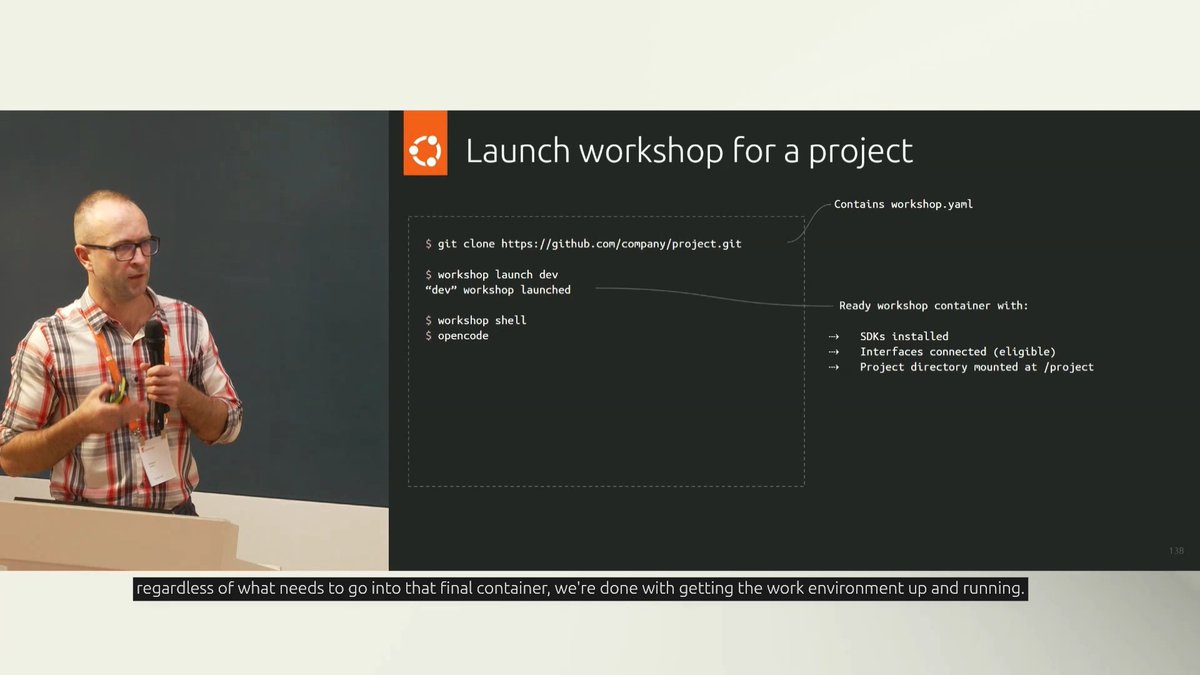
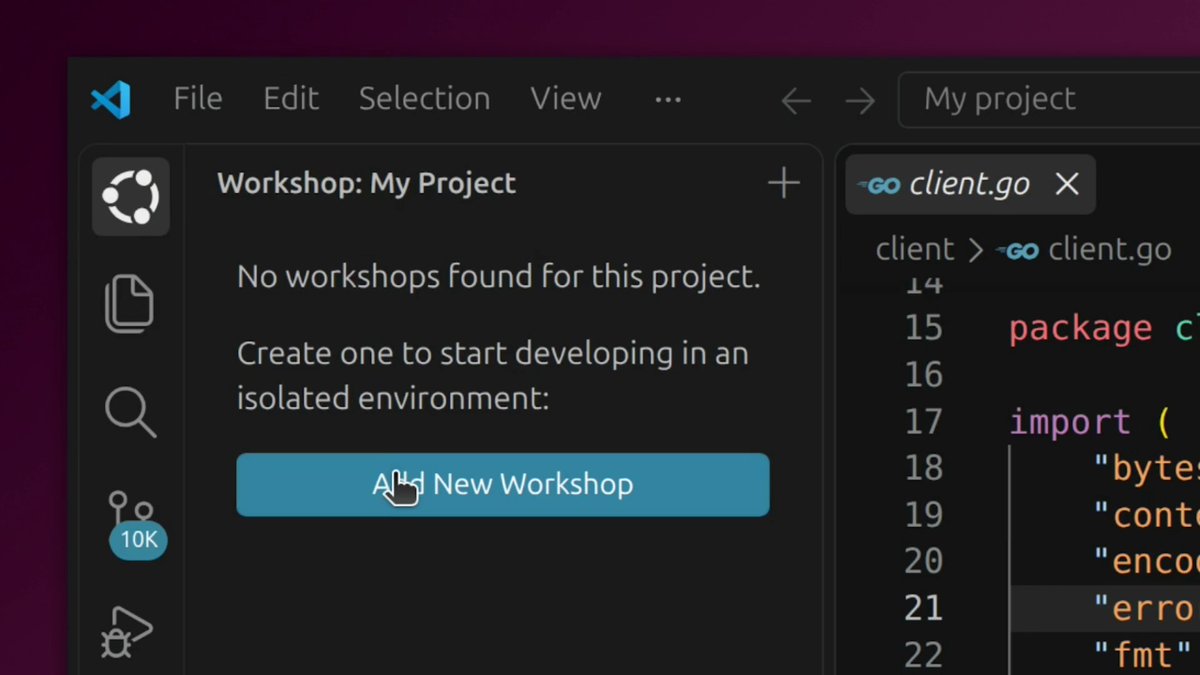
Build a fully local AI coding agent on Ubuntu using Canonical Workshop and the Qwen3-Coder Inference Snap. In this step-by-step demo, you'll set up an isolated development environment, connect your coding agent to a locally hosted LLM, and run coding tasks without an internet connection. Follow along to recreate... show more

42,099 Aufrufe • vor 6 Tagen •via X (Twitter)
31 Kommentare

Great, now patch your vulns.

😆😆😆 without internet connection

Offline coding agent in a snap is huge for anyone who can't ship code to an API. Biggest gotcha: agents chew through context, so budget VRAM for 32K+ of KV cache, not just the weights, or it quietly spills to CPU and crawls.

Fully local coding agents are one approach. Mine is the other split: cloud APIs for code and orchestration, bulk asset generation on local silicon where iteration is free. On a 10GB 3080 that means TRELLIS.2-4B for meshes and FLUX.2 Klein 4B for images.

Turning the net off is the honest test for any local coding agent setup.

How about you patch your fucking kernel instead?

local agent + local model + no internet. that's the stack i want for anything that touches secrets
look bros i did just da ting

This is v cool

Been exploring local AI for my workflow lately. Code never leaving the machine is the big win. Curious how it handles bigger multi-file changes.

Well… technically 192.168.1.1 is the default gateway, but could be something else. But I understood the explanation. Really useful for someone who wants to dig a little bit more in their own LLM. 👏

What gpu does the qwen3-coder snap need to feel usable on real tasks?

Fully local is a stretch, the first model pull still needs the network

fully local is underrated. no API bill, no rate limits, and your code never leaves the machine. glad i got my macbook max 5 fully specced. the real test is whether a local model holds up once the task spans 10+ files. that's where I'd want to see it, and the local models have only gotten better and better.

Thanks

Now add a offline local model inside your terminal that has extensive Linux and Ubuntu knowledge.

🔥🔥

Yeah. Who needs vs code or codium or... a life?

KISS LLM is local too

the part agent builders will like: the snap picks its engine from your hardware (x64/ARM CPU, ROCm, CUDA) and serves an OpenAI-compatible API, so any agent that takes a base URL can point at it. caveat from the README: some GPUs still need extra drivers first.

Cano Snapd telemetry işleri ne alemde. Apt çağırırken arkada snapd yüklemeye devam mı ?

with the network off, does Workshop also limit the coding agent to the project folder on disk?

Local changes the conversation for a lot of teams. Keeping proprietary code on your own machine removes a real objection, even if the model is not the strongest one available.

Dear @grok Could you summarize this video about? Is that true that everything is running locally without internet?

with the isolated workshop environment and no internet, what does the agent do when a task needs a package it doesn't have? does it fail loudly, ask you, or try something else?

Isolated env first, then let the agent install things. Right order.

local agent plus local logs is the combo. nothing leaves the machine, receipts included

Hope. All you again put in snap. 🤢

Ai on linux ✍️🏽💫

Local is the right default for code you can't send out, but isolation is the real work. Give the agent a sandbox to run tests and break things, keep the model endpoint on localhost only, and pin the model version so a silent snap refresh doesn't change behavior mid-project.

Nice setup. One thing we've been doing with local agents: run them as a separate user inside the isolated environment with no access to ~/.ssh or cloud credentials, so a bad tool call can only touch the checkout it was given.