正在加载视频...

视频加载失败

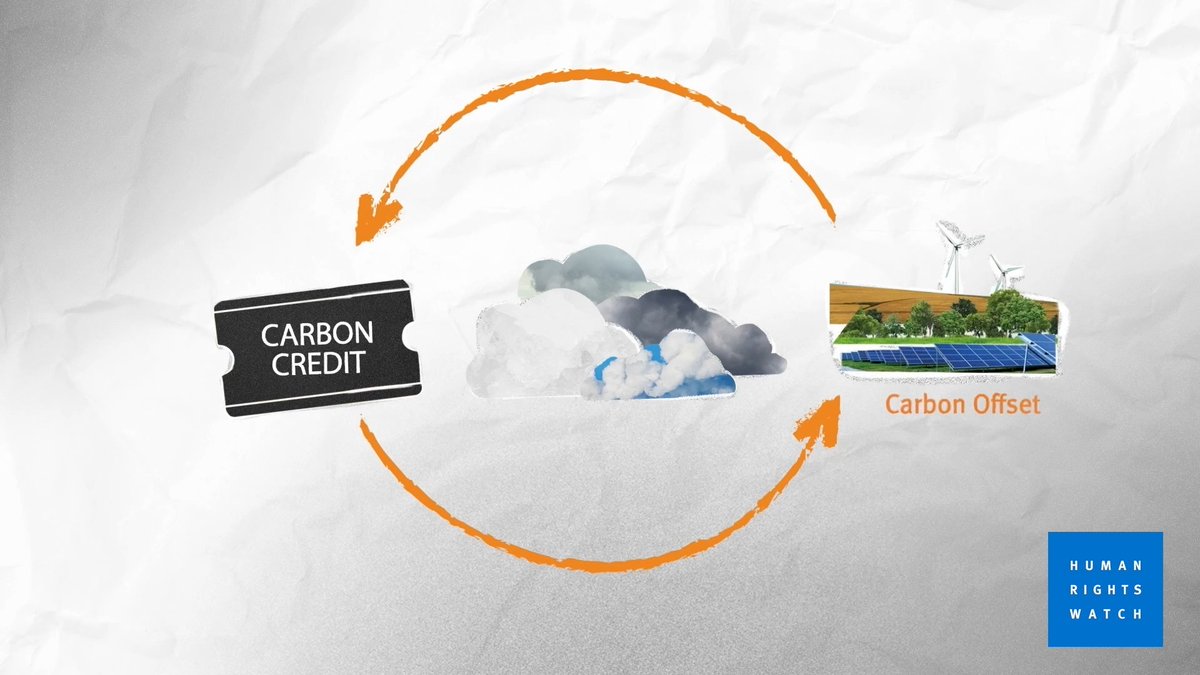
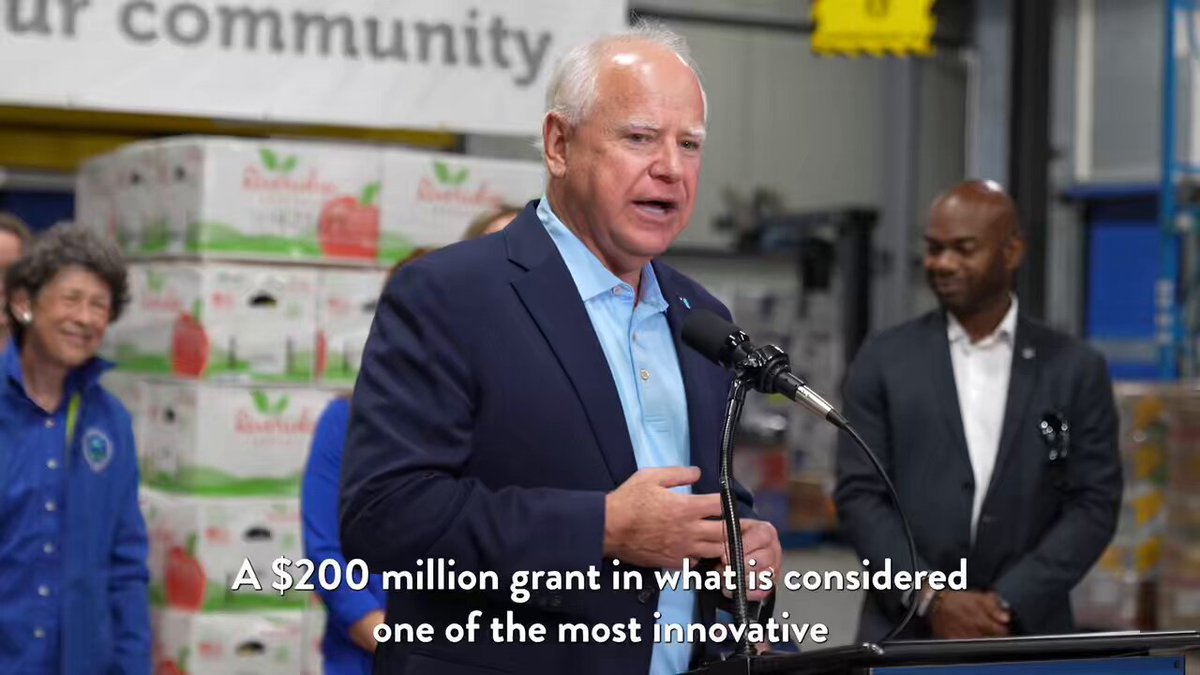
Carbon offset projects aren’t saving the planet—they’re displacing communities and greenwashing pollution. It’s time for real climate solutions that respect rights and empower communities. Put an end to carbon market exploitation 👉 LINK IN BIO
10,781 次观看 • 1 年前 •via X (Twitter)

10 条评论

EcoCreds 的头像
EcoCreds1 年前

It's time to move beyond carbon offsets and focus on sustainable, community-centered solutions.

Vege-boss 的头像
Vege-boss1 年前

Carbon offset projects are failing us, prioritizing corporate profits over community rights and environmental sustainability, it's time for a change

Winnie Bear Jinping 的头像
Winnie Bear Jinping1 年前

How about we just live our lives.

Patrick See 的头像
Patrick See1 年前

But please don't criss cross your land and mountains with turbines towers wires access roads, that would really seal the deal on destruction

Reinhild Niebuhr 的头像
Reinhild Niebuhr1 年前

There are MUCH BETTER WAYS to handle the carbon offset opportunity in Africa. The Young Africa DEVELOPMENT FOUNDATION is a non-profit organisation that can assist to turn this tragic outcome around!

Hashim Yussif 的头像
Hashim Yussif1 年前

African leadership crisis

Ray 的头像
Ray1 年前

Please let’s make good use of our power to choose!

Uncleike 的头像
Uncleike1 年前

Blaming the developed world for Africa's failures is absurd. They can't even install fresh water wells for needy villages. The corruption is deep.

Frank Belluccia 的头像
Frank Belluccia1 年前

Gimme money. Gimme yo money. Gimme mo' money. You're rich, I'm Socialist, it's your fault.

José F Lomelín 的头像
José F Lomelín1 年前

Unbelievable!!!!

相关视频

Today the COP30 climate conference in Brazil witnessed large-scale protests organized by Indigenous peoples both inside and outside the conference venue. The protesters voiced their opposition to international climate policies that marginalize their rights and lands. They argue that their representation in these conferences is often merely symbolic, with little real influence over environmental and climate decision-making, despite being the traditional guardians of the rainforest and among the most affected by climate change. The Indigenous population in Brazil is estimated at around 900,000 people, spread across more than 300 ethnic and linguistic groups, most of whom live in the Amazon region. This region accounts for over half of Brazil's rainforest and is one of the most important ecosystems in the world. These communities play a crucial role in preserving biodiversity and protecting forests from deforestation, which is often driven by mining projects, commercial agriculture, and logging companies. The protesters demand that Indigenous peoples be granted genuine legal and political rights in environmental decision-making, emphasizing that their lands are not commodities to be sold or financial instruments like carbon credits. They strongly criticize so-called carbon markets and environmental governance funds, which are often used as a cover by multinational corporations to continue exploiting natural resources under the guise of environmental protection, without respecting local communities and their rights. At the same time, several African countries, including the Democratic Republic of Congo, Uganda, Mozambique, Angola, Kenya, and South Africa, have seen widespread protests against carbon markets. These markets grant enormous privileges to multinational corporations to take control of local lands and increase demand for natural resources such as cobalt used in electric car batteries, a sector that often relies on child labor and resource exploitation in conflict zones. The protesters also criticize greenwashing, the practice by which companies use tools such as carbon offsets, green investments, and environmental and social governance funds to market themselves as sustainable and ethical, while continuing to exploit cheap labor and pollute the environment without accountability. Protests in Brazil and Africa represent a single face of green capitalism, a system that reproduces the logic of old colonialism: the Global South bears the greatest burden of climate change and the responsibility to protect the planet, while the wealthy Global North continues to pollute and profit.

K.Diallo ☭

133,587 次观看 • 8 个月前