Video yükleniyor...

Video Yüklenemedi

Ana Sayfaya Dön

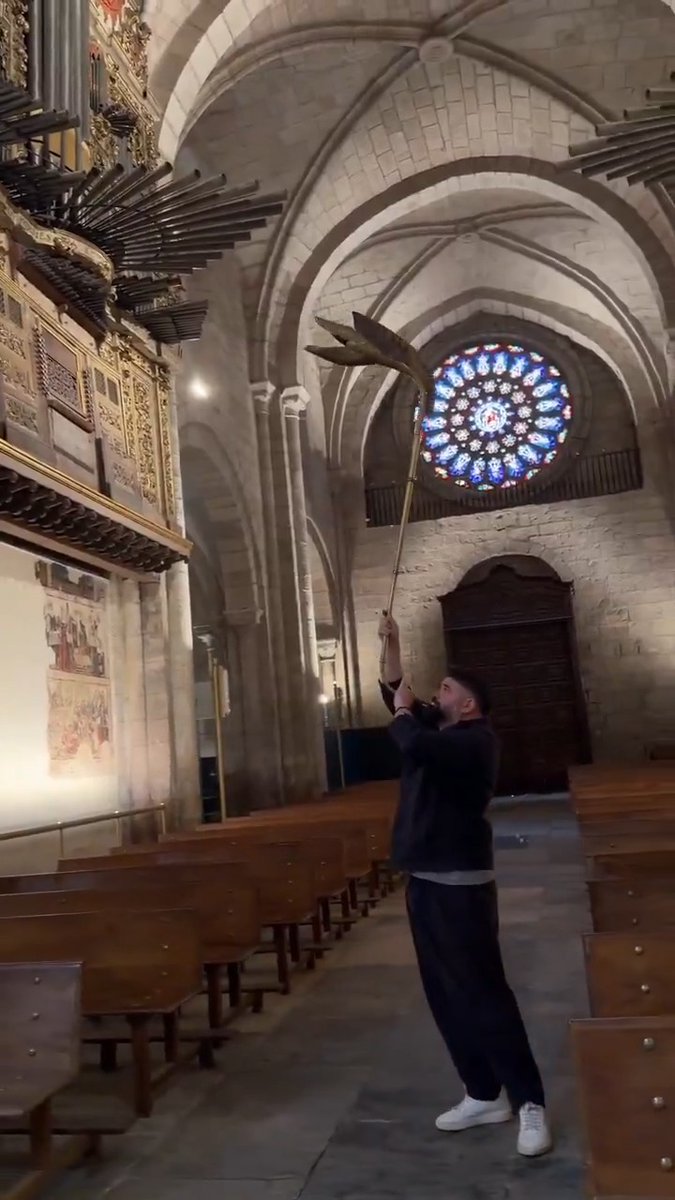
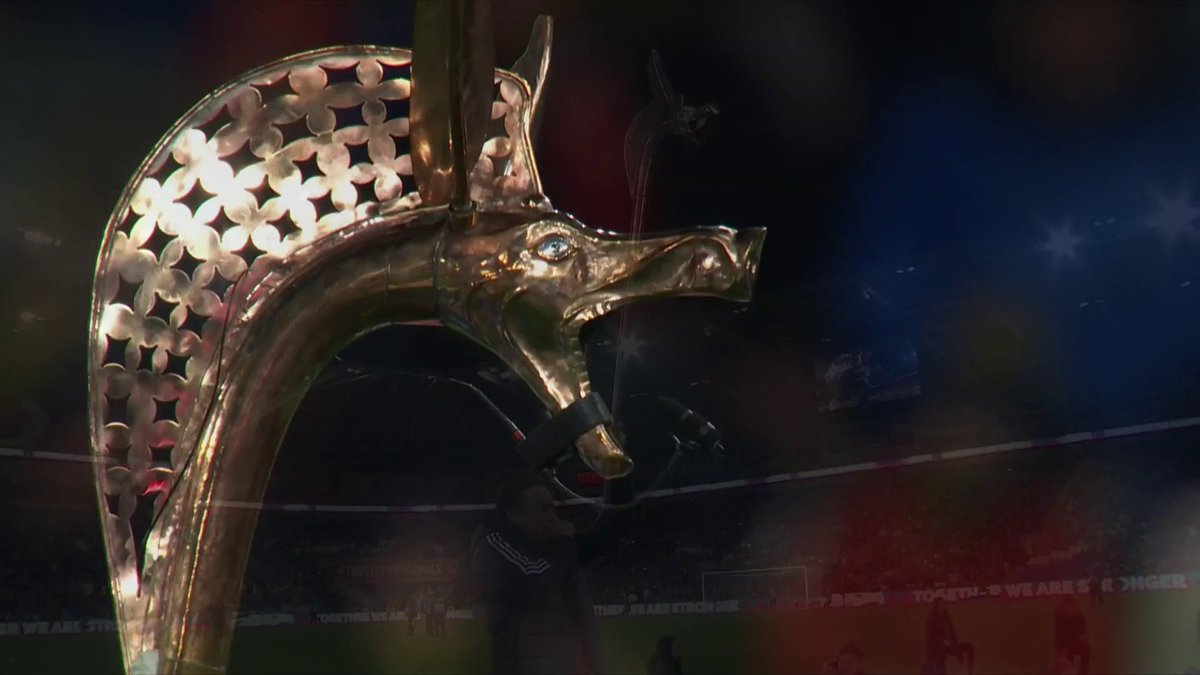
Celtic Carnyx Performance

17,637 görüntüleme • 1 yıl önce •via X (Twitter)

11 Yorum

Kruton profil fotoğrafı
Kruton1 yıl önce

Imagine 5 of these blowing at the same time while you’re hitting your shield against the handle of your sword with 10,000 of your brethren

Deofel profil fotoğrafı
Deofel1 yıl önce

Imagine going through a dense forest at dawn and this being the last thing you hear before some man sized swords start leaping out of bushes and chopping your company in half

🌲 profil fotoğrafı
🌲1 yıl önce

band?

NICE profil fotoğrafı
NICE1 yıl önce

Unlock customer loyalty with game-changing insights. Get insights from top CX analysts.

Ernst Anarch profil fotoğrafı
Ernst Anarch1 yıl önce

Wardruna

Innocent01 profil fotoğrafı
Innocent011 yıl önce

I love big brassy horns so much. Tibetan monks use something similar. Powerful

Rad Loot profil fotoğrafı
Rad Loot1 yıl önce

@CorncrakeMag

Unconquerable Overman ⚡️ 🦅 ⚔️ 🌞 profil fotoğrafı
Unconquerable Overman ⚡️ 🦅 ⚔️ 🌞1 yıl önce

Carnyx an ancient Iron Age Celtic war horn.

🇫🇷 🇺🇦🥛🏴‍☠️ profil fotoğrafı
🇫🇷 🇺🇦🥛🏴‍☠️1 yıl önce

@dwengado

Hobo knight ☘ profil fotoğrafı
Hobo knight ☘1 yıl önce

Imagine the fear Roman soldiers would have felt

Kruton profil fotoğrafı
Kruton1 yıl önce

I saved this video awhile ago but it wasn’t good quality like this

Benzer Videolar

The carnyx is an ancient musical instrument that best-known to have been used by the Celts during the Iron Age. Between 300 BC and 200 AD, the carnyx was used in many parts of Europe. In the ancient literary records, the carnyx is most commonly depicted as an instrument that accompanied Celtic warriors when they went into battle. Apart from literary sources, references to the carnyx have also been found on pieces of art and coins. Lastly, remains of this musical instrument have occasionally been found during archaeological excavations. The carnyx may be described as a type of war trumpet. This instrument was a valveless horn that was made of beaten bronze, and can be easily recognized due to its ſ-shape. Another distinct feature of the carnyx is its bell, which often depicts the head of some animal. Such animals include boars, dragons, serpents, birds and wolves. The bells of the carnyx were fashioned after these animals so as to strike fear into enemy warriors. Additionally, some bells were made with joints at the jaws, which would cause the animal’s head to move when the instrument was blown, thus adding to the psychological effect it had on the enemy. Whilst the sight of the carnyx struck fear into the hearts of the enemy, it was the sound of it, which has been described as lugubrious and harsh, that probably had a greater impact on enemy morale. It may be pointed out that it is unlikely that we will ever know how their carnyces had sounded. Nevertheless, it is possible to recreate this instrument, given that some of them have been found during archaeological excavations, and perhaps achieve a slightly better understanding of how this instrument worked. One example of a carnyx that has survived is the Deskford Carnyx, which was discovered in Deskford in Banffshire, Scotland. Only the head of this instrument was found, and it has been speculated that it had been buried as a votive offering to the gods. Although this instrument did not survive in its entirety, it provided enough information for a replica to be made. In order to recreate the rest of the carnyx, parallels, most notably artistic depictions from elsewhere in Europe were consulted. As a result, it is possible for us to hear the kind of sound a carnyx may have emitted when it was played. Nevertheless, the Deskford Carnyx is only one example of such an instrument. Prior to 2004, the remains of only five carynces were known. These instruments were found in Scotland, France, Germany, Switzerland and Romania respectively. In November 2004, a deposit of seven carynces was unearthed at Tintignac, a Gallo-Roman site at Tintignac in the Corrèze region of southern France. One of these carnyces had a bell in the shape of a serpent’s head with huge ears. A recreation of this carnyx was also made, and the sound produced by this instrument was quite different from that of the Deskford Carnyx. Thus, it has been shown that there were different types of carnyces in existence. Additionally, the carnyx from Tintignac also forced experts to re-evaluate the way that this instrument was played. Prior to its discovery, it was thought that the carnyx was held vertically, as depicted in some pieces of ancient art. The carnyx from Tintignac, however, had a completely straight tube, as opposed to other carnyces which had a slight bend at the mouth end of the tube. This meant that the carnyx from Tintignac was most likely played more or less horizontally, rather than vertically. This has led to the speculation that the carnyx, though traditionally associated with warfare, may have had a ritualistic function, and had been used for other occasions, such as feasts, funerals and weddings, as well. 🎥© Sarahh #archaeohistories

Archaeo - Histories

22,779 görüntüleme • 1 yıl önce

The carnyx is an ancient musical instrument that best-known to have been used by the Celts during the Iron Age. Between 300 BC and 200 AD, the carnyx was used in many parts of Europe. In the ancient literary records, the carnyx is most commonly depicted as an instrument that accompanied Celtic warriors when they went into battle. Apart from literary sources, references to the carnyx have also been found on pieces of art and coins. Lastly, remains of this musical instrument have occasionally been found during archaeological excavations. The carnyx may be described as a type of war trumpet. This instrument was a valveless horn that was made of beaten bronze, and can be easily recognized due to its ſ-shape. Another distinct feature of the carnyx is its bell, which often depicts the head of some animal. Such animals include boars, dragons, serpents, birds and wolves. The bells of the carnyx were fashioned after these animals so as to strike fear into enemy warriors. Additionally, some bells were made with joints at the jaws, which would cause the animal’s head to move when the instrument was blown, thus adding to the psychological effect it had on the enemy. Whilst the sight of the carnyx struck fear into the hearts of the enemy, it was the sound of it, which has been described as lugubrious and harsh, that probably had a greater impact on enemy morale. It may be pointed out that it is unlikely that we will ever know how their carnyces had sounded. Nevertheless, it is possible to recreate this instrument, given that some of them have been found during archaeological excavations, and perhaps achieve a slightly better understanding of how this instrument worked. One example of a carnyx that has survived is the Deskford Carnyx, which was discovered in Deskford in Banffshire, Scotland. Only the head of this instrument was found, and it has been speculated that it had been buried as a votive offering to the gods. Although this instrument did not survive in its entirety, it provided enough information for a replica to be made. In order to recreate the rest of the carnyx, parallels, most notably artistic depictions from elsewhere in Europe were consulted. As a result, it is possible for us to hear the kind of sound a carnyx may have emitted when it was played. Nevertheless, the Deskford Carnyx is only one example of such an instrument. Prior to 2004, the remains of only five carynces were known. These instruments were found in Scotland, France, Germany, Switzerland and Romania respectively. In November 2004, a deposit of seven carynces was unearthed at Tintignac, a Gallo-Roman site at Tintignac in the Corrèze region of southern France. One of these carnyces had a bell in the shape of a serpent’s head with huge ears. A recreation of this carnyx was also made, and the sound produced by this instrument was quite different from that of the Deskford Carnyx. Thus, it has been shown that there were different types of carnyces in existence. Additionally, the carnyx from Tintignac also forced experts to re-evaluate the way that this instrument was played. Prior to its discovery, it was thought that the carnyx was held vertically, as depicted in some pieces of ancient art. The carnyx from Tintignac, however, had a completely straight tube, as opposed to other carnyces which had a slight bend at the mouth end of the tube. This meant that the carnyx from Tintignac was most likely played more or less horizontally, rather than vertically. This has led to the speculation that the carnyx, though traditionally associated with warfare, may have had a ritualistic function, and had been used for other occasions, such as feasts, funerals and weddings, as well. #archaeohistories

Archaeo - Histories

13,850 görüntüleme • 4 ay önce