Video wird geladen...

Video konnte nicht geladen werden

Zur Startseite

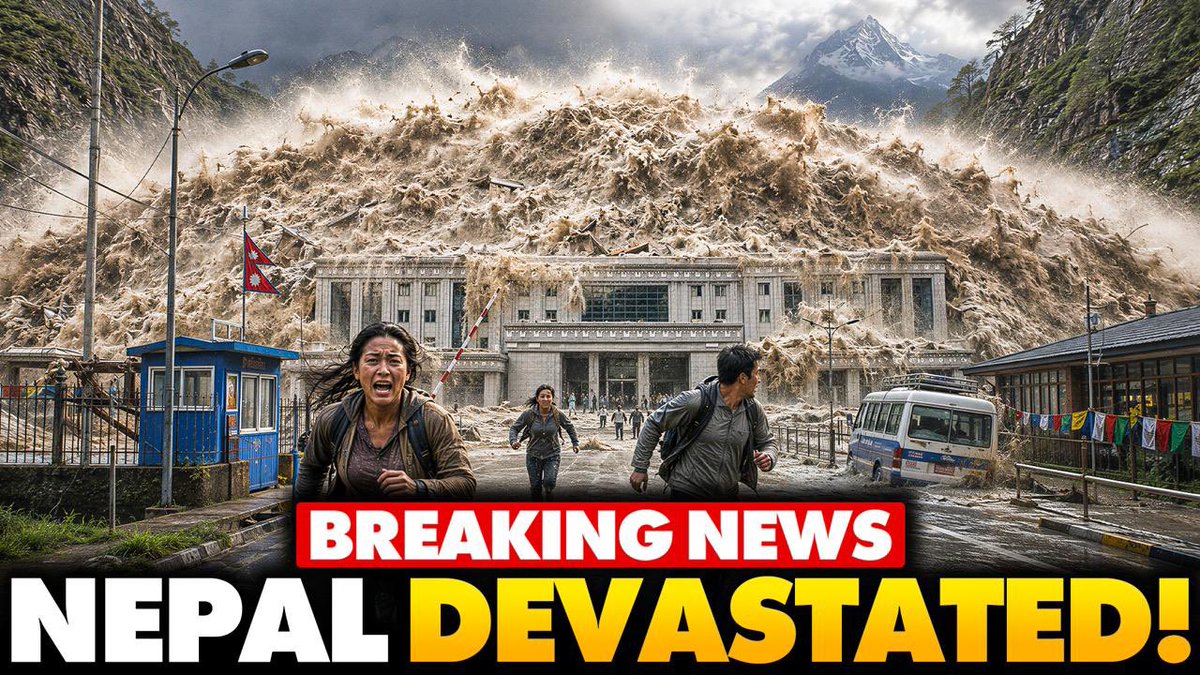
China’s Himalayan Water Bomb: The Nepal Disaster That Should Terrify China's Neighbors. The catastrophic Nepal–Tibet floods exposed the deadly risks of Chinese opacity, inadequate cross-border warnings and China’s infrastructure obsession in the fragile Himalayas. As China builds the world’s largest hydropower project upstream from India and Bangladesh, the Medog...

60,286 Aufrufe • vor 4 Tagen •via X (Twitter)

0 Kommentare

Keine Kommentare verfügbar

Kommentare vom Original-Post werden hier angezeigt

Ähnliche Videos

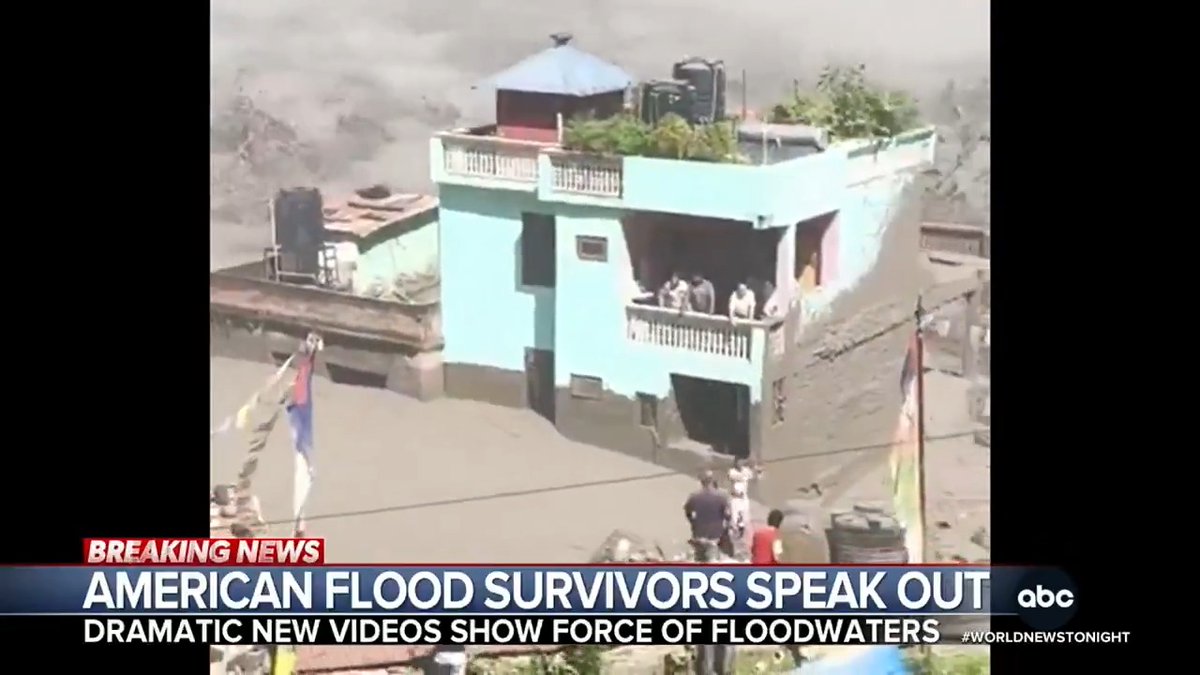
NEPAL FLOOD, INDIA'S WORRY: CURSE OF LOWER RIPARIAN STATES Devastating flash flood waters originating in Tibet, Chinese controlled territory, have deluged Nepal. The flash flood originated in the Trishuli - Bhote Koshi river that originates in Tibet. No one knows the exact cause. Some speculate it could be due to an earthquake that struck a part of Tibet that stands opposite the Rasuwa, Nuwakot and Dhading districts of Nepal. Tough there is no basis yet to conclude that Chinese authorities deliberately released water into the river's basin a group of anonymous Nepali journalists have blamed China. Or to be precise construction in Glacial areas along the China – Nepal border had damaged the sensitive ecosystem and contributed to recurring avalanches, which in turn triggered the flash flood. Many hundreds of thousands of people in Nepal and Tibet have lost their homes, several, including Indian tourists, are dead. But given that the Bhote Koshi–Trishuli system feeds into the Narayani/Gandak and eventually flows into the Ganga, West Champaran, East Champaran, Gopalganj, Saran & Vaishali should remain vigilant. This may not become a major flood in India. But it's best to be vigilant. Which is why the Centre has issued advisories to Bihar. Indeed, this is the curse of lower riparian states. It isn't just Nepal but India also has to be extremely worried about water security risks from China. This is because China controls the upper reaches of critical transboundary rivers like the Brahmaputra, known as the Yarlung Tsangpo in Tibet, and can potentially influence water flows through its upstream infrastructure, while India has limited visibility into what happens upstream. What's most worrying is that India and China have no comprehensive, binding water-sharing treaty. The Nepal floods are therefore a reminder of a larger strategic vulnerability: India is downstream of both Nepal and China. Natural disasters may be unavoidable. But India cannot afford to be unprepared for what happens upstream.

Rahul Shivshankar

37,333 Aufrufe • vor 8 Tagen

Why China Cannot Escape Questions of Responsibility for the Nepal Flood Disaster The devastation in Nepal raises serious questions about what happened upstream in Tibet, and whether lives could have been saved with timely warnings, greater transparency, and responsible development. 1.⁠ ⁠China had the first warning. The disaster struck Gyirong (Kyirong), Tibet, before floodwaters reached downstream communities in Nepal roughly 45 minutes later. If that timeline is accurate, China had a critical window to alert Nepal and enable emergency evacuations. 2.⁠ ⁠Nepal did not receive an effective warning. In a cross-border disaster, minutes can mean the difference between survival and death. A warning delayed or never effectively communicated can cost lives. China must explain exactly when it knew, what it knew, and when Nepal was informed. 3.⁠ ⁠The earthquake explanation raises questions. China initially attributed the disaster to an earthquake. But subsequent seismic analysis, including reporting on USGS findings, indicated signals associated with a massive glacier-and-rockslide collapse. The precise chain of events must be established through independent scientific investigation not political narratives. 4.⁠ ⁠The Tibetan Plateau is being transformed at enormous scale. Highways, railways, dams, tunnels and settlements are expanding across an exceptionally fragile and seismically active Himalayan environment. Such development demands rigorous environmental assessment and monitoring, especially in unstable mountain terrain. 5.⁠ ⁠Warnings about geological instability cannot be ignored. Chinese researchers have documented unstable slopes, fragile geological structures and the potential for cascading landslides and related hazards. If authorities knew the risks, the world deserves to know whether those warnings were incorporated into construction, land-use and disaster-preparedness decisions. 6.⁠ ⁠Transparency is now essential. Reports of restricted information and limited early reporting have intensified concerns about what happened on the Tibetan side of the border. China must provide the evidence needed to establish the facts—not simply control the narrative. China should release: •⁠ ⁠real-time monitoring and seismic data •⁠ ⁠the complete warning and communication timeline •⁠ ⁠dam and reservoir operating data, where relevant •⁠ ⁠environmental and geological impact assessments •⁠ ⁠records of known landslide, glacier and slope instability risks •⁠ ⁠information on infrastructure in the affected area •⁠ ⁠evidence showing whether any human activity contributed to the scale of the disaster This is not about assigning blame before the evidence is examined. It is about demanding the evidence. Nepal deserves answers. The families who lost loved ones deserve answers. And communities downstream deserve to know whether preventable risks were ignored. The Himalayas do not recognize political borders. Neither should accountability. China cannot simply hide behind the border, control the information, and declare the matter closed. If Beijing has nothing to hide, it should open the data, release the timelines, allow independent investigation, and let the evidence speak. Nepal deserves transparency. Nepal deserves accountability. And the truth must not be buried upstream. #NepalFloods #TibetFloods #Kyirong #Tibet #ChinaAccountability #ChinaMustAnswer #DemandTransparency #FloodDisaster #HimalayanCrisis #ClimateJustice #EnvironmentalJustice #SaveTheHimalayas #HimalayanEcology #CrossBorderDisaster #NepalDeservesAnswers #TruthForNepal #AccountabilityNow #ChinaMustExplain #HimalayasUnderThreat #TibetRivers

Tibetan history in Pictures

11,502 Aufrufe • vor 3 Tagen