Loading video...

Video Failed to Load

Go Home

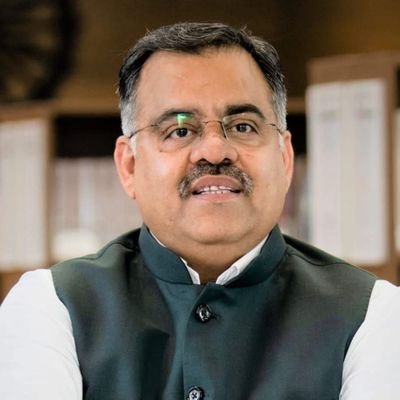
CM Bhagwant Mann asks "Why can't the PM work from home?" Let me answer that, Mann Sahab. PM Modi went to the Netherlands and secured India's BIGGEST semiconductor deal, between Tata Group & ASML. Do you even know what that means for India's energy, water and tech security? And...

15,004 views • 3 months ago •via X (Twitter)

0 Comments

No comments available

Comments from the original post will appear here

Related Videos

Gojek completes more food deliveries than GrubHub, Uber Eats, and DoorDash combined, and more rides per day than Lyft. Vikrama Dhiman (Vikrama Dhiman) heads all things product at Gojek Tech, including product management, design, and research, across teams in Indonesia, Singapore and India. He is among the most well-known and respected product leaders in all of Asia, and one of my most requested guests. In our conversation, we discuss: 🔸 The most common traits of successful PMs 🔸 The 3 W’s framework for PM career growth 🔸 The right way to push back as a PM 🔸 The Four A’s of leveling up in product management 🔸 Common pitfalls that stall PM careers 🔸 Advice for transitioning into PM 🔸 Why intent alone is not enough 🔸 Much more Listen now 👇 - YouTube: - Spotify: - Apple: Some key takeaways: 1. As a PM—especially early in your career—make sure you’re nailing execution before you spend too much time on strategy. Effective strategic thinking requires context on the company, product, and stakeholders that you might not have yet. But you always have opportunities to execute and make your team members’ lives easier. As you execute more, you’ll begin to understand the strategic needs more deeply, and you’ll have more opportunities to contribute at that level. 2. Three traits that make you a great PM to work with: a. Raise difficult issues without being difficult to work with b. Bring up important topics without drawing importance to yourself c. Remember that you are in charge of getting decisions made, not making the decisions yourself 3. Good PMs produce good artifacts: PRDs, product notes, design briefs, etc. These demonstrate your proficiency across core PM skills, and they are your opportunity to “have impact on the impact”—to add value to a team that is adding value to the company. If you’re not sure what to focus on next in your PM career, go scrutinize your recent artifacts and ask how they could be improved. 4. To push back on ideas without being difficult to work with, ask clarifying questions and bring the conversation to a logical space rather than an emotional one. Here are some of Vikrama’s favorites: a. Why has this become suddenly important? b. So that I am clear, can you help clarify xyz? c. What would success look like? d. What time frame do you need this in? 5. Vikrama’s 3 W’s framework for PM career growth comprises (1) what you produce, (2) what you bring to the table, and (3) what your operating model is. Strong product managers excel at two of the three W’s. Product managers who rise in their career excel at all three. 6. Three mindset shifts that can enable faster growth: a. Focus on things you can control: Concentrate your efforts on aspects of your role that you can influence or control, especially as you advance in your career. b. Always embrace change: As an IC PM, you experience rapid change. It’s important that as you get to mid/senior level, you never stop looking for ways to improve. c. How you see yourself: Cultivate a positive and growth-oriented mindset about yourself and your capabilities. 7. Three core competencies to focus on when transitioning into PM roles are (1) data, (2) design/research, and (3) technology. Someone from a design background should focus on strengthening data or tech skills to complement their existing expertise. Similarly, someone from a tech background should pick a design skill to focus on. This approach allows for maximum leverage.

Lenny Rachitsky

115,463 views • 2 years ago