Загрузка видео...

Не удалось загрузить видео

На главную

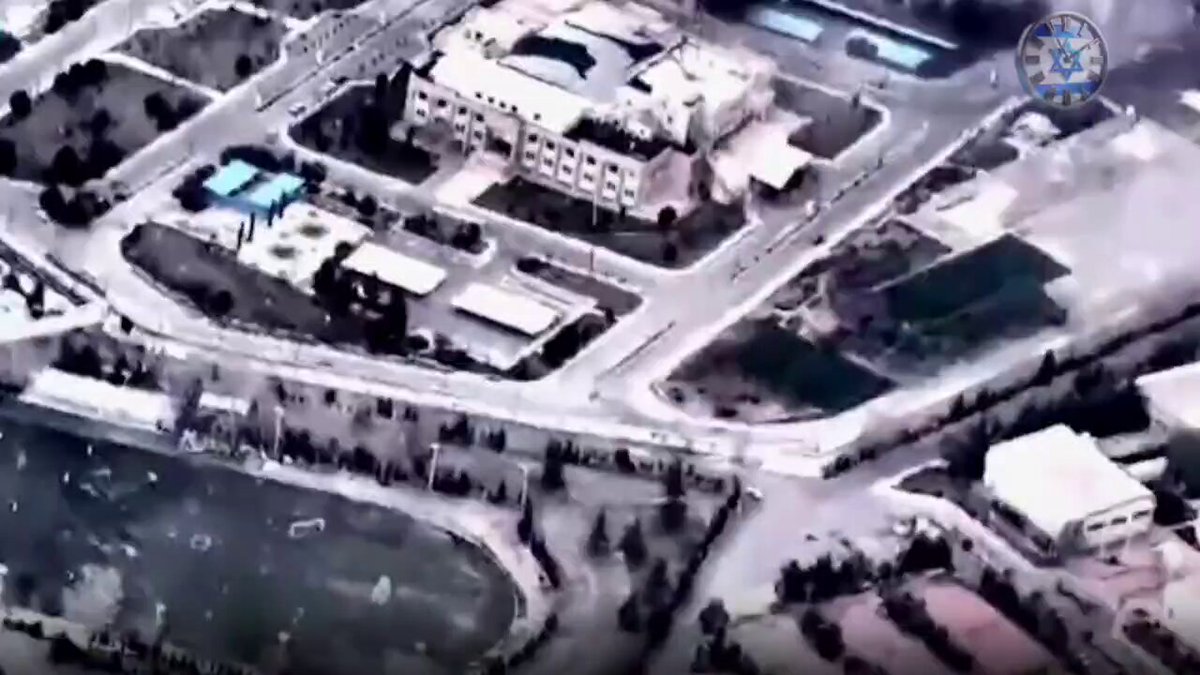
Conspiracy Theory: Operational Plan for Regime Change in Iran USS Ford is anchoring at Israel Feb 27 for Rubio's visit Feb 28. Arrival with USS Lincoln approximately Mar 10. PHASE 2 BEGINS: Stealth strikes in a moonless sky. Days 1–5/7 (Mar 18–23/25): Intensive suppression of enemy air defenses (SEAD/DEAD)...

1,676,715 просмотров • 6 месяцев назад •via X (Twitter)

Комментарии: 0

Нет доступных комментариев

Здесь появятся комментарии из оригинального поста

Похожие видео

🇮🇱🇺🇸🇮🇷 Full statement from Israeli Defence Minister Israel Katz: Israel is prepared to resume the war against Iran. The IDF is ready both defensively and offensively, and the targets are marked. We are waiting for a green light from the United States, first and foremost to complete the elimination of the Khamenei dynasty, the initiator of the annihilation plan against Israel, and the successors of the leadership of the Iranian terror regime, and in addition to return Iran to the stone age by destroying its central energy and electricity facilities and crushing its national economic infrastructure. The terror regime in Iran specializes mainly in internal repression of the population through the Revolutionary Guards and the Basij, and in energy blackmail, threatening to raise global oil prices. It is on its knees; its leaders are hiding in tunnels and struggling to communicate and make decisions. Its skies are wide open, and all of its national infrastructure and strategic facilities are exposed to attacks, yet it declares that it is winning. Just like Hezbollah in Lebanon and Hamas in Gaza Strip, it does not care about the heavy price paid by the population, only about its own survival, which is not guaranteed either. This time, the attack will be different and more lethal, delivering devastating blows at the most painful points - building on the massive blows the Iranian terror regime has already suffered, shaking and collapsing its foundations.

Visioner

37,847 просмотров • 4 месяцев назад

🚨OPERATIONAL UPDATE: ISRAEL U.S. WAR WITH THE ISLAMIC REPUBLIC - Reporting Window: 3/11 to 3/12 • Iran widened pressure on the Gulf energy system, with tankers hit near Basra, a container vessel struck near the UAE, and fuel infrastructure targeted in Bahrain and Oman, sending oil back above $100. • Israel expanded its campaign inside Iran, striking IRGC command infrastructure, missile production sites, and drone launch networks in and around Tehran. • Hezbollah launched one of its largest rocket barrages of the war, triggering heavy Israeli strikes on command centers and weapons infrastructure in Beirut’s southern suburbs. • Iranian proxies and aligned forces continued attacks on U.S. positions across the region, bringing the total number of incidents targeting American sites or personnel to at least 25 since the war began. The central story of the last 24 hours is that the conflict is increasingly moving beyond the battlefield and into the systems that keep the region functioning. Iran continues to pressure shipping, energy infrastructure, and U.S. positions across the Middle East, while Israel is pushing deeper into the regime’s military and security architecture. The result is a war that now looks less like a contained exchange of strikes and more like a widening struggle over the region’s economic stability, military balance, and internal political control. ━━━━━━━━━━━━━━━━━━ *⃣ PERSIAN GULF: IRAN CONTINUES TO PRESSURE THE ENERGY SYSTEM The Persian Gulf remained the most strategically significant theater over the last 24 hours. Multiple reports confirmed additional attacks affecting shipping and energy infrastructure across the region. Two oil tankers were reported burning in Iraqi waters near Basra after earlier strikes on vessels in the Gulf, while another container ship was reportedly hit near the UAE. Fuel and logistics infrastructure also came under pressure. Bahraini authorities reported that Iranian aggression targeted fuel tanks at a facility in Muharraq near Bahrain International Airport, while additional reports indicated that oil storage facilities at Oman’s Port of Salalah were struck. These attacks reinforce a clear pattern: Iran may not be able to fully close the Strait of Hormuz, but it is demonstrating that it can disrupt the broader logistical network surrounding the Gulf’s energy system. The market reaction was immediate. Oil prices moved back above $100 despite coordinated moves by the United States and its partners to release large volumes from strategic petroleum reserves. The International Energy Agency and several governments have moved to inject supply into the market, but these measures are temporary buffers. As long as shipping through the Gulf remains at risk, the global energy market will continue to price in disruption. ━━━━━━━━━━━━━━━━━━ *⃣ TEHRAN: THE CAMPAIGN IS NOW HITTING THE REGIME’S CORE SECURITY NETWORK The latest strike waves inside Iran appear to be moving beyond general bombardment and toward a systematic dismantling of the regime’s security infrastructure. Israeli strikes reportedly targeted the IRGC Air Force headquarters in Tehran, ballistic missile storage and production facilities, Basij paramilitary command centers, and a compound at Imam Hossein University that functions as an operational hub for the Revolutionary Guards. Additional strikes were reported against Iranian intelligence ministry facilities and internal security infrastructure, indicating that the campaign is beginning to focus not only on missile capability but on the regime’s ability to control events inside the country. Separate strikes in western Iran reportedly hit drone launch teams preparing attacks toward Israel, suggesting that launch infrastructure is now being targeted dynamically as it emerges rather than only through preplanned strikes against fixed installations. Satellite imagery also confirmed damage to Iranian F-14 fighter aircraft at Isfahan’s 8th Tactical Air Base, further degrading an already aging Iranian air force that has struggled to contest Israeli and U.S. air superiority throughout the conflict. Taken together, the targeting pattern suggests that the coalition is increasingly focusing on the regime’s operational nervous system: command networks, launch infrastructure, and internal security forces that allow the government to coordinate and sustain military operations. ━━━━━━━━━━━━━━━━━━ *⃣ LEBANON: ISRAEL IS NOW TARGETING HEZBOLLAH’S OPERATIONAL COMMAND STRUCTURE The northern front also escalated sharply over the last 24 hours. Hezbollah launched one of its largest barrages of the war, firing large numbers of rockets and drones toward northern Israel in coordinated strikes linked to Iran’s broader regional campaign. Israel’s response focused heavily on Hezbollah’s command and operational infrastructure rather than simply retaliating against launch sites. Israeli aircraft struck multiple facilities in Beirut’s southern suburbs (Dahieh), including command centers, operational headquarters, and weapons storage sites linked to Hezbollah’s Radwan forces, the elite unit responsible for cross-border operations against Israel. Additional strikes targeted missile launch infrastructure and militant positions across southern Lebanon, as well as logistical sites used to support ongoing rocket attacks. The concentration of strikes in Dahieh is significant. The area functions as Hezbollah’s central military and intelligence hub, and repeated attacks there suggest Israel is attempting to disrupt the group’s command-and-control structure rather than merely suppress individual launch cells. This shift indicates that the northern theater may be entering a new phase where Israel seeks to systematically degrade Hezbollah’s operational leadership and coordination networks, not just reduce the immediate rocket threat. ━━━━━━━━━━━━━━━━━━ *⃣ REGIONAL SPILLOVER: U.S. POSITIONS AND GLOBAL SECURITY CONCERNS Regional spillover continues to grow. Iranian proxies and aligned groups have carried out repeated attacks targeting American facilities or sites hosting U.S. personnel across the Middle East. Analysts now count at least 25 attacks targeting U.S. sites or locations housing American personnel since the war began. One of the most significant recent incidents involved a drone strike on a large U.S. diplomatic facility near Baghdad International Airport. The attack caused damage but did not produce casualties, and U.S. officials suspect it was carried out by Iranian-aligned militias operating in Iraq. Beyond the Middle East itself, intelligence warnings suggest the conflict could reach further. U.S. authorities have warned about potential Iranian retaliation targeting American interests abroad, including scenarios involving drone launches from maritime platforms. Cyber activity linked to Iran has also been detected in Europe, including an attempted attack on a nuclear research facility in Poland that officials say bears multiple indicators of Iranian involvement. These developments show that while the war’s kinetic center remains in the Middle East, the broader confrontation between Iran and its adversaries is beginning to manifest across multiple domains: military, cyber, and economic. ━━━━━━━━━━━━━━━━━━ *⃣ WHAT MATTERS MOST RIGHT NOW The key takeaway from the past 24 hours is that the war is continuing to widen in practice even as some political messaging suggests it could be nearing a conclusion. Iran is still capable of imposing meaningful costs through attacks on shipping, energy infrastructure, and proxy operations across the region. Israel, meanwhile, is expanding its strike campaign into deeper layers of Iran’s military and security architecture while escalating pressure on Hezbollah in Lebanon. Neither side appears close to a decisive breakthrough. Iran’s leadership structure remains intact despite heavy strikes, and its network of proxies continues to generate pressure across multiple fronts. At the same time, Israel and the United States retain overwhelming military superiority and appear committed to degrading Iran’s ability to sustain a prolonged conflict. For now, the trajectory remains clear: the war is evolving from a direct exchange of strikes into a broader contest over the region’s economic stability, military balance, and political future. --------------------------------- END REPORT

Inside_Israel_Intel

30,124 просмотров • 5 месяцев назад

🚨🇮🇷🇺🇸 IRAN MAY BE DOING SOMETHING FAR MORE DANGEROUS THAN PEOPLE REALIZE For years, Western analysts assumed Iran’s missile arsenal was mostly about spectacle, loud launches, dramatic footage, limited real military effect. The opening phase of this war suggests something very different. Iran is not firing randomly, it appears to be dismantling the architecture of U.S power in the Middle East piece by piece. Satellite imagery, official statements, and open-source intelligence indicate that Iranian strikes have already hit at least 17 installations across the region, including 11 U.S military bases. The targets tell a story, and it’s not the story many expected. Instead of focusing primarily on runways or barracks, Iran has concentrated on the invisible systems that make modern militaries function: radars, communications nodes, logistics hubs, and refueling aircraft. Iranian strikes appear to revolve around four objectives. First, sensor blindness. Radars and missile-defense sensors are the eyes of modern warfare. Destroy or degrade them, and even the most advanced air defense network begins to stumble. That may explain the reported damage to critical systems like the AN/FPS-132 early-warning radar at Al Udeid Air Base in Qatar, a billion-dollar installation that provides missile detection across much of the region. Similar sensor targets appear elsewhere, including THAAD-related radar infrastructure in the UAE and an AN/TPY-2 radar in Jordan, one of the key systems used to track ballistic missiles and guide interceptors toward them. Second, operational logistics. Iranian strikes have repeatedly targeted staging hubs and support infrastructure rather than just frontline forces. At Prince Sultan Air Base in Saudi Arabia, strikes reportedly damaged five KC-135 aerial refueling tankers on the ground. That matters more than it sounds. Tankers are the lifeline of long-range air operations. Without them, fighter jets lose the endurance needed to patrol vast airspace or conduct sustained strike missions. Take out the refueling network, and the entire air campaign becomes harder to sustain. Third, command and communications. Iranian strikes have hit satellite communications terminals and radomes tied to command networks across the region, including infrastructure linked to the U.S. Fifth Fleet headquarters in Bahrain. Disrupt those systems, even temporarily, and the battlefield becomes slower, messier, and more dangerous for the side that depends on centralized coordination. Finally, economic pressure. Alongside military targets, Iran has signaled a willingness to threaten the arteries of global commerce, particularly shipping and energy infrastructure in the Persian Gulf. It’s a reminder that this conflict isn’t confined to bases and radars. The global economy sits uncomfortably close to the front lines. Taken together, these strikes align closely with a doctrine long discussed in Iranian military circles. Strike fast and heavily early in the war, forcing defenders to burn through interceptor missiles and exposing weaknesses in radar coverage. Then transition into a long war of attrition, where smaller numbers of missiles and drones have a greater chance of slipping through degraded defenses. There are hints this dynamic may already be unfolding.

Mario Nawfal

1,081,786 просмотров • 5 месяцев назад

Rojhelat (Iran) - PJAK On July 19th the Iranian regime carried out a drone strike against a vehicle of the PJAK which resulted in the martyrdom of one PJAK soldier. The PJAK subsequently vowed to avenge this attack and stated that no attack „will go unanswered“ On July 21st-22th the PJAK carried out a retaliatory attack against the Border Guards of the Iranian Regime near Baneh, 2 border guards (1 colonel) were killed. With a third border guard later succumbing to his wounds. This escalation was then followed by another attack by PJAK yesterday on July 25th near Sardasht in which at least 1 member of the IRGC (Basji branch) was killed. Followed by clashes in the early hours of today July 26th near Mariwan and Sarvabad. This is where we are now - a serious escalation of hostilities between the Iranian regime and the PJAK resulting from an aggression by the Iranian Regime. The PJAK is a sister organisation of the PKK and often being perceived as an organisation that follows the same command structure (being under the command of the PKK) though given the recent peace process between Turkey and the PKK and the PJAK stating that it does not apply to them, a discussion can be made on wether or not the PJAK has become independent or can be perceived as such. The PJAK has an official truce agreement brokered by the KRG and the Iranian Regime and a semi-official understanding in which the Iranian Regime tolerates the presence of the PJAK in the mountains of Kurdistan between Rojhelat and the KRG (Iran & Iraq) as long as the PJAK refrains from carrying out destabilising operations. These rapid escalation of hostilities seem to indicate a crack in this understanding between both parties and given Irans current political situation and the constant threat of renewed strikes by Israel with a *Paranoia*-like atmosphere by Iranian regime security forces, fearing spies and foreign operatives - Iran is in a situation where they may act irrational and perhaps escalate tensions further to a) Destroy any potential threat of Kurdish opposition groups should a foreign nation renew attacks on Iran b) sell regime supporters a *military victory* to rebuild deterrence and *faith* into the strength of the Iranian armed forces given their military humiliation at the hands of Israel. For Iran however an escalation of hostilities could also mean further turmoil and military defeat - given that the regions the PJAK controls are heavily fortified and may become a serious challenge for their military. It may also lead to general uprisings and other Kurdish factions joining the conflict.

ScharoMaroof

19,678 просмотров • 1 год назад

🚨 OPERATIONAL UPDATE: ISRAEL U.S. WAR WITH THE ISLAMIC REPUBLIC Reporting Window: March 20, 2026 – March 22, 2026 (through 12:00 PM ET) • Mar 22, early morning (≈03:00–06:00 local / Mar 21, 8:00–11:00 PM ET): Iran launched ballistic missiles at Arad and Dimona, causing mass casualties and exposing a failed interception near one of Israel’s most sensitive strategic zones • Mar 21–22: The U.S. escalated Hormuz posture, with threats to strike Iranian power plants and active operations against Iranian maritime assets • Mar 21–22 overnight: Israel conducted another wide strike wave across Iran, hitting arms production, intelligence, and command infrastructure in Tehran and beyond • Mar 21–22: Lebanon intensified again, with Hezbollah rocket fire killing an Israeli civilian near Misgav Am and Israel expanding strikes and demolition operations south of the Litani • Mar 20–22: Gulf energy damage from Ras Laffan strikes was quantified, confirming long-term disruption to global LNG supply The last 48 hours were defined by a shift in both geography and escalation logic. The war is no longer moving in a single direction at a time. Southern Israel, the Gulf energy system, Tehran, and southern Lebanon all saw meaningful activity within the same window. At the same time, Washington moved from coalition pressure to direct deterrence language, while Israel continued to expand its strike envelope inside Iran. ━━━━━━━━━━━━━━━━━━ 🚀 SOUTHERN ISRAEL: A NEW AXIS OPENED (MAR 22 EARLY HOURS) Mar 22, ~03:30 local time (Mar 21, ~8:30 PM ET): Iranian ballistic missiles struck Arad and Dimona, marking the most sensitive geographic shift of the war in this window. Reuters reported dozens wounded in both locations, including a direct hit on a residential building in Arad and additional injuries in Dimona. Israeli reporting placed total casualties in the 80+ range in Arad and dozens more in Dimona. The IDF confirmed at least one missile was not intercepted, and the failure is under investigation. This matters because: • Dimona sits near Israel’s nuclear research complex • This is the first major southern-axis strike of this scale in the war • It reflects longer-range Iranian missile capability being used in this phase Why this matters: Iran has now demonstrated it can pressure north, center, and south simultaneously, not sequentially. That changes the defensive problem for Israel. ━━━━━━━━━━━━━━━━━━ ⚡ HORMUZ: FROM DETERRENCE TO ACTIVE ENGAGEMENT (MAR 21–22) Mar 21–22: The Hormuz front moved into a more explicit operational phase. Reuters reported that Trump threatened to strike Iranian power plants within 48 hours if Hormuz is not reopened. Iran responded by threatening retaliation against U.S. and Gulf infrastructure. At the same time, Israeli and U.S. reporting confirmed: • A-10 aircraft targeting Iranian fast-attack craft • Apache helicopters engaging one-way attack drones • CENTCOM releasing footage of direct strikes on Iranian naval assets Why this matters: This is no longer just a naval presence or escort mission. It is an active suppression campaign against Iran’s ability to disrupt the strait. ━━━━━━━━━━━━━━━━━━ 🔥 IRAN: STRIKE CAMPAIGN REMAINS BROAD AND SYSTEMIC (MAR 21–22 OVERNIGHT) Mar 21–22 overnight (Tehran local time): Israel conducted another wide strike wave inside Iran. Times of Israel reported strikes on: • arms production facilities • intelligence headquarters • military command nodes in Tehran Additional reporting and open-source tracking showed: • activity in Parchin, Arak, Isfahan, and Kerman • maritime-linked targets including Bandar e Lengeh • continued pressure on internal regime infrastructure Israeli leadership also reiterated that Iran can no longer: • enrich uranium • build missiles at scale Why this matters: This is not a tactical cleanup phase. It is an ongoing effort to deny Iran’s ability to regenerate military capacity. ━━━━━━━━━━━━━━━━━━ 🇱🇧 LEBANON: PARALLEL PRESSURE CONTINUES (MAR 21–22) Mar 21 evening – Mar 22 morning: The northern front remained active in both directions. Times of Israel reported: • Hezbollah rocket fire killing a civilian near Misgav Am • sustained fire into northern Israeli communities Reuters reported Israel responded by: • striking bridges over the Litani River • ordering accelerated demolition of frontline homes and crossings • expanding operations in southern Lebanon Open reporting also showed: • continued Israeli strikes in Beirut’s southern suburbs • Hezbollah maintaining intermittent fire despite losses Why this matters: Israel is moving beyond reactive strikes and attempting to reshape the southern Lebanon battlespace, while Hezbollah still retains the ability to impose cost. ━━━━━━━━━━━━━━━━━━ 🛢 GULF ENERGY WAR: DAMAGE IS NOW LONG-TERM (MAR 20–22) Mar 20–22: The Gulf energy story shifted from disruption to structural damage. Reuters reported that strikes on Qatar’s Ras Laffan LNG complex have: • taken 17% of Qatar’s LNG capacity offline • created a 3–5 year recovery timeline • disrupted supply chains across Europe and Asia Additional reporting and open-source tracking showed: • continued fires and damage assessments • warnings from Tehran that strikes will intensify if energy targets are hit Why this matters: This is now a durable global energy disruption, not a short-term market shock. ━━━━━━━━━━━━━━━━━━ 🌍 GEOGRAPHIC EXPANSION: THE WAR IS NOW FULLY MULTI-AXIS Across this window, the war touched: • Southern Israel (Dimona / Arad) • Central Israel (cluster impacts) • Northern Israel (Hezbollah fire) • Tehran and central Iran (strike waves) • Hormuz (active U.S. engagement) • Gulf energy infrastructure (long-term damage) Additional reporting also noted: • missile activity toward Diego Garcia • effects spilling into Jordanian airspace Why this matters: The war is no longer shifting from front to front. It is now active across multiple fronts simultaneously. ━━━━━━━━━━━━━━━━━━ 📌 WHAT MATTERS MOST RIGHT NOW 1️⃣ Iran has expanded its strike geometry. Southern Israel is now fully in play alongside central and northern zones. 2️⃣ The Hormuz fight is now operational, not theoretical. The U.S. is actively targeting Iranian maritime and drone capabilities. 3️⃣ Israel is still widening the target set inside Iran. The campaign remains focused on long-term degradation, not short-term disruption. 4️⃣ The Gulf energy war has become structural. Ras Laffan damage confirms this is now a multi-year impact on global supply. Bottom line This reporting window shows a war that is becoming simultaneously broader and deeper. More fronts are active at once. More sensitive targets are being hit. And both sides are now operating in ways that suggest they are preparing for a longer and more complex phase, not a near-term resolution. ━━━━━━━━━━━━━━━━━━ END OF REPORT

Inside_Israel_Intel

25,980 просмотров • 5 месяцев назад

Russia has lost $7 billion in oil revenues due to UAV attacks - President Zelenskyy comments on strikes against Russian oil facilities and promises further actions. Volodymyr Zelenskyy commented on strikes against oil infrastructure in the Russian Federation and announced further measures. “Based on the results of this April, our long-range ‘sanctions’ have reached a new level in three components: reducing Russian oil revenues, range, and intensity. It is important that not only is the target itself reached, as defined by the operational objective, but also that the downtime of the facility increases or, at the very least, its operations are significantly reduced,” Zelenskyy said. ‼️ Andrii Klymenko, editor-in-chief of BlackSeaNews: “In recent weeks, Ukrainian forces have carried out several dozen coordinated and calculated UAV and missile strikes across the entire chain of Russian oil processing and transportation infrastructure - including pipeline junction stations, oil refineries, and maritime export terminals in ports of the Baltic and Black Seas. Undoubtedly, Russia has sustained significant losses. The exact scale will likely only be assessable in about a month, based on actual export volumes of oil and petroleum products, as well as the condition of the domestic Russian market. It should be understood that in Russia, all indicators related to oil production, refining, and exports are strictly classified. Therefore, any figures or conclusions based on Russian sources may constitute deliberate disinformation. In our view, the key development at present is that a surplus of crude oil has formed in Russia, which cannot be processed at refineries due to damage caused by the attacks. As a result, Russia is attempting to push as much of this crude oil as possible onto export markets. However, even with this effort, due to damage to port terminals, we cautiously estimate a reduction in crude oil exports in April 2026 in the range of 17-20%. Further developments will depend on how quickly Russia can repair its refineries and port terminals, and, of course, on how effective continued Ukrainian military operations will be against Russia’s export capacity - revenues from which are used to finance the import of sanctioned goods for the production of missiles and other weapons.” 📹 The consequences of strikes on oil infrastructure facilities in Tuapse, Perm, and Novorossiysk

Anton Gerashchenko

60,435 просмотров • 3 месяцев назад

UPDATE: President Donald Trump authorized military strikes against Iran. 🇮🇷🇺🇸 Just weeks after the United States and Iran agreed to a ceasefire, the Middle East is once again on the brink. Iranian forces launched drone and missile attacks on commercial ships passing through the Strait of Hormuz—one of the world's most important oil routes.😑 So what really happened, and could this be the beginning of a much larger conflict?🧐 The latest crisis began in the Strait of Hormuz, where Iranian forces targeted commercial cargo ships with drones and missiles,putting civilian crews and global energy supplies at risk. Following the attacks, President Donald Trump authorized military strikes against Iranian military targets. For two consecutive nights, U.S. Central Command has unleashed waves of devastating airstrikes. On night one, American forces completely wiped out more than 60 Islamic Revolutionary Guard Corps fast-attack boats used to terrorize shipping lanes. On night two, the U.S. expanded its air campaign, deploying stealth jets and naval missiles to obliterate roughly 90 additional high-value sites.🎯 Kuwaiti air defenses are reportedly intercepting incoming targets, while Iranian officials warn they will expand the warfare to every American asset in the region if the bombing continues. 😳 The global economy is on high alert, oil markets are in turmoil, and the window for a peaceful solution appears to be closing. Can diplomacy prevent a wider war, or has the Middle East entered an even more dangerous phase?🤔 Subscribe to Donald J Trump Posts TruthSocial for more videos like these.

Donald J Trump Posts TruthSocial

100,676 просмотров • 1 месяц назад

🚨 The last 24 hours didn’t change the war in Iran. They clarified where it’s heading. *⃣ Israel struck inside Tehran again, with the IDF confirming a wide wave targeting regime infrastructure in the capital. Open-source reporting points to repeated explosions in western Tehran’s Chitgar area, including sites linked to IRGC aerospace activity, with indications of deeper penetration into command and operational systems. *⃣ Iran launched multiple coordinated barrages into central Israel, triggering nationwide alerts across Tel Aviv, Jerusalem, and the coastal plain. A ballistic missile struck a residential area, while cluster munitions and interception debris caused localized damage and light injuries across multiple locations. *⃣ The U.S. paused energy-site strikes while preparing escalation options, extending the timeline for targeting Iran’s energy infrastructure while weighing deployment of up to 10,000 additional troops and potential expanded operations. Over the last 24 hours, the battlefield didn’t shift in a dramatic new direction. But the trajectory became clearer. Inside Iran, the campaign is now visibly centered on Tehran itself, not just peripheral military sites. Repeated strikes in western districts and areas associated with IRGC aerospace infrastructure point to a focused effort to degrade missile and operational command capabilities. Additional reporting suggests targeted eliminations remain part of the campaign, though confirmation remains mixed. On the Israeli side, Iran demonstrated it can still impose disruption at scale. The latest attacks included multiple waves in a single day, with at least one confirmed impact in a residential area and additional injuries caused by shrapnel and cluster dispersal. The operational effect is less about mass casualties and more about sustained pressure on Israel’s civilian core. The diplomatic picture also became clearer, not because of progress, but because of contradiction. Washington has paused strikes on Iran’s energy infrastructure for 10 days while pushing for a deal, even as Tehran denies requesting the pause and rejects key elements of the U.S. position. At the same time, Iran appears to be selectively modulating pressure in the Strait of Hormuz, allowing limited passage in what U.S. officials have framed as a gesture, even as broader threats to Gulf energy infrastructure remain in place. At the same time, the U.S. is preparing for the opposite outcome. Planning continues for additional troop deployments and potential escalation scenarios, including operations targeting Kharg Island, the terminal responsible for the majority of Iran’s oil exports. Control of that node would directly threaten the regime’s primary revenue stream, but would also carry significant risk of wider regional retaliation. Israel, for its part, appears to be acting on the assumption that its window is limited. Reporting indicates directives to accelerate strikes against Iran’s military-industrial base, including missile and drone production, before any diplomatic outcome can constrain operations. Put together, the signal is this: ➡️The war is not expanding dramatically right now. It is tightening. ➡️Israel is pushing deeper into the infrastructure that sustains Iran’s military capability, now centered on Tehran. ➡️Iran is relying on intermittent but still disruptive strikes that continue to reach Israel’s population centers. And the United States is positioning between negotiation and escalation at the same time, preparing options that could decisively shift the war if chosen. ➡️The gap between what Washington says is happening and what Tehran is willing to accept is now as important as the fighting itself. **Special thanks to Michael W for his continued contribution to the open-source intel picture behind these updates. If you aren't already, you need to give him a follow!

Inside_Israel_Intel

128,925 просмотров • 5 месяцев назад

Here's what you missed over the weekend in the ongoing conflict in Iran. Get caught up below👇 🚨 OPERATIONAL UPDATE: ISRAEL U.S. WAR WITH THE ISLAMIC REPUBLIC - Reporting Window: 3/27 - 3/30 *⃣ Israel sustained a wide strike campaign inside Tehran, targeting missile production, air defense systems, and core regime infrastructure in the capital. *⃣ The IAEA confirmed Iran’s Khondab heavy water facility at Arak is no longer operational after Israeli strikes, marking one of the clearest verified hits to nuclear-linked infrastructure. *⃣ Iran continued missile attacks into Israel, including impacts near the Neot Hovav industrial zone that caused fires and industrial disruption without mass casualties. *⃣ The Houthis in Yemen officially entered the war, launching ballistic missiles and drones toward Israel and signaling continued attacks. *⃣ The Gulf front intensified, with damage to infrastructure in Kuwait and sustained pressure tied to the Strait of Hormuz and regional energy systems. *⃣ The United States is now weighing escalation options tied to Iran’s enriched uranium stockpile while maintaining a public posture of diplomacy. ━━━━━━━━━━━━━━━━━━ ✈️ STRATEGIC AIR CAMPAIGN OVER IRAN Israel’s campaign seems to have shifted from targeting regime objectives and symbols, like Basij headquarters, to industrial and military complex infrastructure. This is likely due to a prioritization to degrade the long term capabilities of the regime should the conflict end before regime change objectives can be achieved. Sustained strikes across Tehran, combined with the confirmed disabling of the Arak heavy water facility, show a shift toward dismantling Iran’s military and nuclear backbone. This is now a campaign against production, command, and regeneration capacity. Power disruptions and secondary infrastructure damage across Tehran reinforce that this is expanding beyond military sites into the broader ecosystem that sustains the regime’s ability to fight. This is not a temporary degradation effort. It is structural. ━━━━━━━━━━━━━━━━━━ 🚀 IRANIAN ATTACKS ON ISRAEL Iran is still firing. But the pattern has changed. Missile attacks continue across Israel, including impacts in the south and repeated alerts across multiple regions. The strike near Neot Hovav fits the current model: disruption, not mass casualties. Launch tempo is down significantly from earlier phases, but the capability remains intact. What matters now is not volume. It’s persistence. Iran can still impose pressure. It just can’t dominate the battlefield in any meaningful way. ━━━━━━━━━━━━━━━━━━ 🟥 YEMEN FRONT: HOUTHIS ENTER THE WAR The Houthis officially joined the war on March 28, launching ballistic missiles toward Israel for the first time in this conflict and signaling continued operations going forward. Since then additional drone launches toward Israel have been reported and intercepted. The group has framed its attacks as part of a unified “resistance front” alongside Iran, Hezbollah, and Iraqi militias. This matters for three reasons: 1. Range and geography - Yemen is over 2,000 km away. These are long-range strikes that stretch Israel’s defensive envelope. 2. Multi-front pressure - Israel is now dealing with Iran (direct), Hezbollah (north), Houthis (south / long-range). That is a true multi-front war. 3. Escalation pathway - The Houthis are not limited to Israel. They sit on the Bab al-Mandeb Strait, one of the most critical shipping chokepoints in the world. If they escalate there, it links directly with Hormuz. This could even further choke critical shipping lanes in the global economy. ━━━━━━━━━━━━━━━━━━ 🌍 GULF / HORMUZ / ENERGY WAR Iran is now fully leaning into economic warfare. Confirmed damage to infrastructure in Kuwait, combined with continued disruption around Hormuz, shows a deliberate strategy: expand the cost of the war beyond Israel. This is not incidental escalation. It is strategic leverage. ━━━━━━━━━━━━━━━━━━ 🇺🇸 POLITICAL / STRATEGIC DEVELOPMENTS The United States is now the pivot. The public posture is diplomacy and de-escalation messaging. The operational reality is that troop deployments are increasing, escalation planning is underway, and uranium-targeting scenarios are under consideration. At the same time, Iran is not signaling compromise. It is mobilizing, expanding proxy activity, and behaving like a regime preparing for a longer war and signaling it can outwait it's adversaries. That gap is now one of the most important dynamics in the conflict. ━━━━━━━━━━━━━━━━━━ 📌 WHAT MATTERS MOST RIGHT NOW ➡️ Israel is systematically dismantling Iran’s military and nuclear-supporting infrastructure, with Tehran now a primary focus. ➡️ Iran still has strike capability, but its attacks are increasingly intermittent but now beginning to be supplemented by proxy fronts in Lebanon and Yemen. ➡️ The Gulf and global energy system are a growing target for the IRGC's war trajectory. ➡️ The United States is positioned between diplomacy and escalation, with the ability to decisively shift the war if it acts. Bottom line, this is no longer just Israel vs Iran. It is now: Iran, Hezbollah, Houthis VS the US, Israel, Gulf States, and the global economy.

Inside_Israel_Intel

39,012 просмотров • 5 месяцев назад

🚨 OPERATIONAL UPDATE: ISRAEL U.S. WAR WITH THE ISLAMIC REPUBLIC - Reporting Window: Last 24 Hours ✳️The war is entering its final phase, but the battlefield is becoming more dangerous, not less. For the first time since the conflict began, the United States has signaled that its objectives against Iran have largely been achieved and that military operations could conclude within 2 to 3 weeks. At the same time, the operational picture tells a more complex story. Strikes inside Iran are intensifying, not slowing. Iran’s responses are becoming less concentrated but more geographically expansive. And across the region, the risk of broader escalation remains very real. This is no longer an open-ended war. It is a race between final military objectives and the risk of wider regional destabilization. ━━━━━━━━━━━━━━━━━━ 🏁 POLITICAL ENDGAME SIGNAL EMERGES President Donald Trump stated that the war could end within weeks, indicating that core objectives have been achieved, including the degradation of Iran’s strategic capabilities and the disruption of its leadership structure. He also signaled that the United States does not intend to remain indefinitely engaged, suggesting that responsibility for securing critical global nfrastructure, particularly the Strait of Hormuz, may shift to regional and international stakeholders. At the same time, tensions with NATO allies are surfacing. Frustration over limited allied participation in the war has raised the possibility of a broader fracture within the Western alliance structure. Parallel reporting indicates that elements within Iran are signaling openness to a ceasefire framework, particularly if maritime access through Hormuz is restored. Taken together, this marks a clear transition: the war now has a defined political end state, even as military operations continue. ━━━━━━━━━━━━━━━━━━ ✈️ FINAL PHASE STRIKE CAMPAIGN INSIDE IRAN The intensity of strikes over the past 24 hours reflects what appears to be end-stage shaping operations. Israeli and US-aligned strikes targeted a wide range of sites across Iran, including weapons production facilities, research and development centers, and critical infrastructure nodes tied to the regime’s military capabilities. Tehran remains a central focus. Approximately twenty military-industrial sites were struck, along with infrastructure at Mehrabad Airport and locations linked to Basij coordination. A senior Quds Force engineering figure, Mahdi Vafaei, was eliminated in a precision strike. His role in developing underground weapons infrastructure across Lebanon and Syria made him a key long-term asset for Iran’s regional military network. Additional strikes hit industrial targets, including steel production facilities and a site identified as supporting materials linked to Iran’s chemical weapons development pipeline. This is not a campaign aimed at symbolic damage. It is a systematic effort to dismantle Iran’s ability to produce, coordinate, and sustain war over time. ━━━━━━━━━━━━━━━━━━ 🎯 IRANIAN RESPONSE AND CIVILIAN IMPACT Iran continues to launch missiles toward Israel, but at a reduced scale compared to earlier phases of the war. Limited salvos were recorded over the past 24 hours, causing injuries and localized damage. One of the most significant developments was the reported use of cluster munitions in central Israel, critically injuring a child and causing multiple casualties. At the same time, Iran appears to be adapting operationally. Rather than attempting large-scale saturation attacks, it is increasingly relying on smaller strikes, drones, and diversified targeting strategies. This does not indicate de-escalation. It reflects an effort to remain operational under sustained pressure. ━━━━━━━━━━━━━━━━━━ 🌍 REGIONAL EXPANSION: THE WAR SPREADS While direct attacks on Israel have become more limited in scale, Iran is expanding the conflict across the region. In the Gulf, infrastructure in Kuwait and Bahrain was struck, including fuel storage facilities at Kuwait International Airport. Fires and damage were reported, adding to a growing pattern of attacks on energy and logistical nodes. A commercial tanker was also struck near Qatar, further extending the conflict into maritime space. These developments mark a continued shift where Iran is targeting not just Israel, but the broader economic and energy architecture of the region. ━━━━━━━━━━━━━━━━━━ 🚢 THE STRAIT OF HORMUZ The strategic center of gravity in this war is now unmistakable. The Strait of Hormuz remains contested, with ongoing disruption to global shipping and energy flows. The United States is actively evaluating options to reopen and secure the waterway, including potential direct military action against Iranian coastal capabilities. At the same time, Gulf states, particularly the UAE, are pushing for a coordinated military effort to ensure the strait is reopened. However, regional positioning remains complex, with some actors balancing public caution and private pressure. Notably, the United States has signaled that it may not take long-term responsibility for securing Hormuz, instead shifting that burden to global stakeholders. The implication is clear: control of Hormuz will determine not only the outcome of the war, but its aftermath. ━━━━━━━━━━━━━━━━━━ 🔥 NORTHERN AND PROXY FRONTS Iran’s proxy network remains active, but increasingly strained. In Lebanon, Israeli strikes continue to target Hezbollah leadership and infrastructure, including the reported elimination of a senior commander in Beirut. Rocket fire persists, but Israeli operations are steadily degrading launch capabilities. In Yemen, the Houthis have formally entered the fight against Israel and are likely contributing to the expanding pattern of regional attacks, including those affecting Gulf infrastructure. Across Iraq and Syria, Iranian-aligned militias remain engaged, while underlying instability continues to create openings for additional actors. This is now a multi-front conflict, but one in which Iran’s network is under pressure across every axis. ━━━━━━━━━━━━━━━━━━ 🧠 WARFARE EVOLUTION A critical and often overlooked development is the role of advanced targeting systems. Israel is employing AI-assisted capabilities to identify threats, prioritize targets, and synchronize strikes across multiple theaters in near real time. This has significantly compressed the operational cycle, allowing for rapid follow-up strikes and reduced recovery time for Iranian forces. The result is a battlefield environment where Iran has less time to act, less time to adapt, and fewer opportunities to rebuild degraded capabilities. ━━━━━━━━━━━━━━━━━━ 📊 THE BIG PICTURE The trajectory of the war is now coming into focus. The United States and Israel are executing a campaign designed to dismantle Iran’s ability to function as a coherent military actor. Iran, in response, is expanding the conflict geographically in an attempt to impose broader costs. At the same time, political signals indicate that the war is approaching a defined end state. Markets are already reacting to this expectation, with oil prices declining and global indices rising on the assumption that the conflict may soon conclude. However, the final phase carries its own risks. As Iran’s conventional capabilities degrade, its reliance on asymmetric and regional tactics is increasing. The decisive question is no longer how the war is fought day to day. It is whether the final objectives can be secured before broader escalation overtakes them. ━━━━━━━━━━━━━━━━━━ 📘 BOOK RECOMMENDATION If you want a deeper understanding of the history, narratives, and strategic realities behind this conflict: Contested Land, Uncontested Truth This book breaks down the ideological, geopolitical, and historical forces that led directly to moments like this, with clarity and evidence. 👉 If you found this report valuable, share it. Follow for daily operational updates.

Inside_Israel_Intel

60,835 просмотров • 5 месяцев назад