Loading video...

Video Failed to Load

Go Home

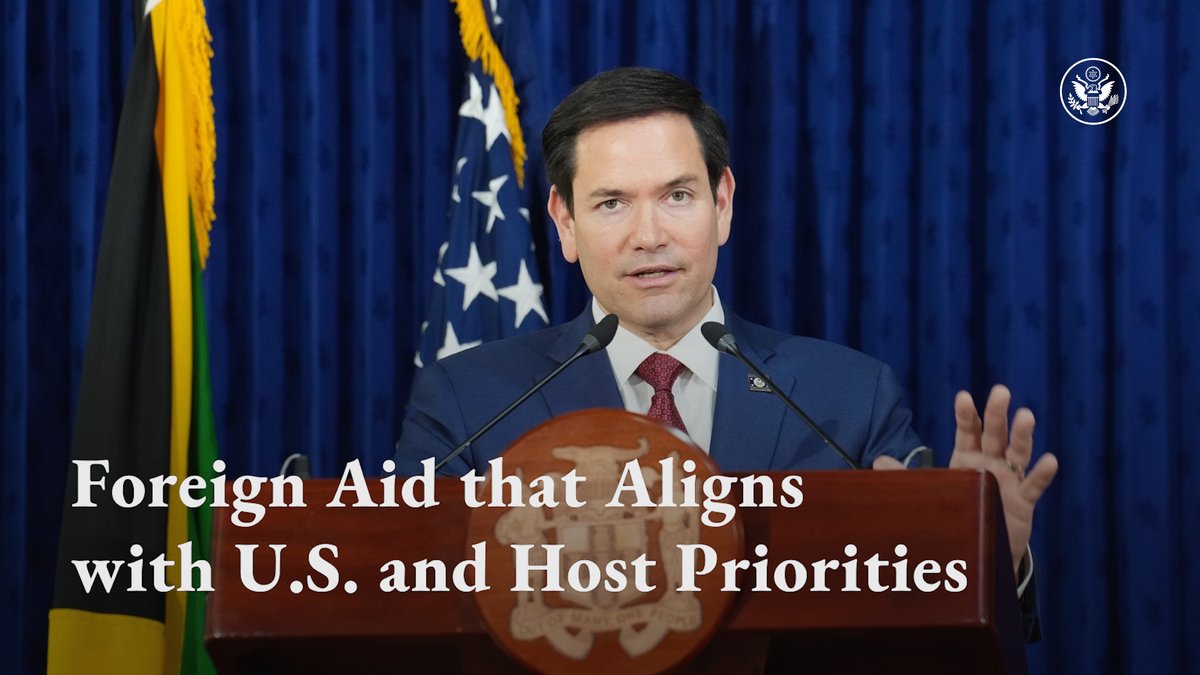
Coordinated efforts by Indian state-aligned actors to influence political discourse and policy debates in Western countries constitute a form of foreign interference that warrants scrutiny.
129,264 views • 7 months ago •via X (Twitter)

0 Comments

No comments available

Comments from the original post will appear here

Related Videos

A Multiple foreign intelligence agencies such as the CIA (United States), MSS (China), MI6 (United Kingdom), Turkey's MIT, and Ukrainian intelligence—are jointly attempting to engineer a coup or coup-like situation in India .These claims are equally strong and backed by verifiable evidence. There are several points in consideration: Foreign influence operations are real. Intelligence agencies around the world conduct espionage, cyber operations, influence campaigns, disinformation, recruitment of sources, and attempts to shape foreign public opinion. This is well documented in many countries, including India. India has identified and responded to foreign interference in the past. Indian authorities have periodically alleged or investigated activities involving espionage, cyberattacks, extremist financing, separatist support, and foreign influence by various state and non-state actors. These activities differ in scope and objectives and do not necessarily amount to an attempt to overthrow the government. A coordinated multinational conspiracy involving all of the agencies you listed has not been established publicly. There is no publicly available evidence demonstrating that the CIA, China's MSS, the UK's MI6, Turkey's MIT, and Ukrainian intelligence are jointly orchestrating a coup-like operation against India. Such an assertion would require corroborated evidence from credible investigations, official findings, or reliable intelligence disclosures. Hybrid warfare is a more commonly discussed framework. Many security analysts describe modern geopolitical competition as involving cyberattacks, information operations, economic pressure, influence campaigns, and proxy actors rather than conventional coups. Democracies, including India, often face attempts by different actors to influence public discourse or exploit existing social and political divisions. That does not mean those efforts are centrally coordinated or aimed at regime change. If you're interested in analyzing whether India is facing hybrid warfare, foreign influence operations, or information warfare, those are well-established subjects with substantial research and publicly available evidence.

MajorSammerToor

103,476 views • 17 days ago

Watch closely who is loudly opposing any strike on the Islamic Republic’s military infrastructure. Then look at who endorsed them. A recurring name appears: NIAC Action, the political arm of the National Iranian American Council. NIAC presents itself as a voice for Iranian-Americans. That’s the branding. The controversy begins when you examine its leadership history and political activity. It was founded by Trita Parsi (alongside others, including Siamak Namazi). Over the years, many Iranian dissidents and diaspora activists have accused NIAC of advocating positions that align closely with the Islamic Republic’s foreign policy goals, particularly around sanctions relief and nuclear negotiations. In 2012, Parsi sued an Iranian-American activist for defamation over claims that NIAC functioned as a regime lobby. During court discovery, internal emails became public. Those documents showed that Parsi had extensive communications with Iranian officials, including Javad Zarif. Later, Zarif became foreign minister and a central figure in negotiating the nuclear deal. The released emails revealed coordination of meetings, messaging discussions, and efforts to facilitate access between Iranian officials and U.S. policymakers. Parsi has argued these contacts were normal diplomatic engagement. But the pattern went beyond neutral policy advocacy and into organized influence aligned with Tehran’s strategic interests. That distinction matters. Diplomacy is not the same thing as lobbying on behalf of a foreign regime. But the boundary between them can blur, and that blur is exactly where influence operates. Fast-forward to recent debates. On Iranian state media, analyst Foad Izadi, a frequent voice on Iran’s state broadcaster, openly discussed lobbying networks in the U.S. and named Trita Parsi and NIAC as the regime lobbyists. When state-aligned figures publicly describe you as part of their influence ecosystem, people start asking questions. This is not about conspiracy theatrics. It’s about patterns: – Consistent advocacy for policies that reduce pressure on the regime. – Documented communication with senior Iranian officials. – Political endorsements aligned with anti-pressure positions. – Public acknowledgment from regime-aligned media of influence networks. Influence operates through policy framing, “community representation,” and access to lawmakers. The Islamic Republic has invested heavily in soft power abroad because it understands something fundamental: shaping Western policy is cheaper than confronting it militarily. The question isn’t whether people are allowed to argue against military strikes. Of course they are. The question is transparency. Who are they connected to? Who amplifies them? Who benefits from their policy outcomes? In geopolitics, follow incentives, not slogans. History shows that authoritarian regimes don’t just export missiles. They export narratives. And those narratives travel through institutions that claim to represent communities. When you see coordinated messaging, recurring endorsements, and documented back-channel access, it’s not irrational to ask: whose strategic objectives are being served? Power moves through relationships.

Sana Ebrahimi Ledene

16,259 views • 5 months ago