Video wird geladen...

Video konnte nicht geladen werden

Zur Startseite

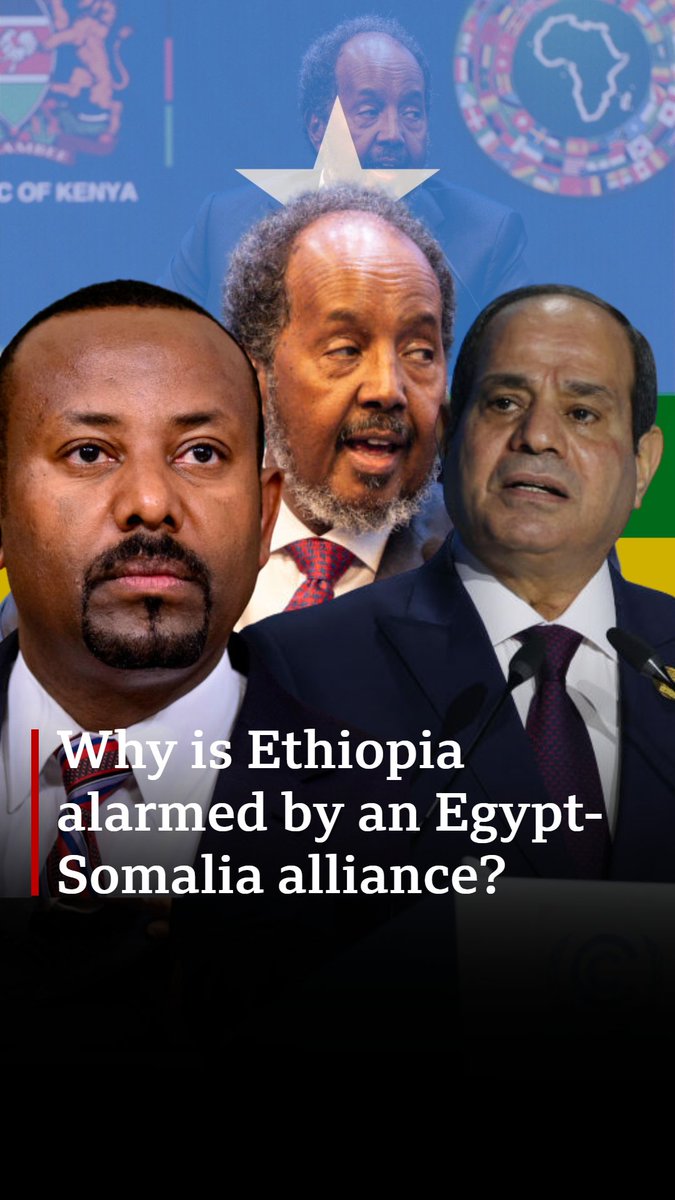
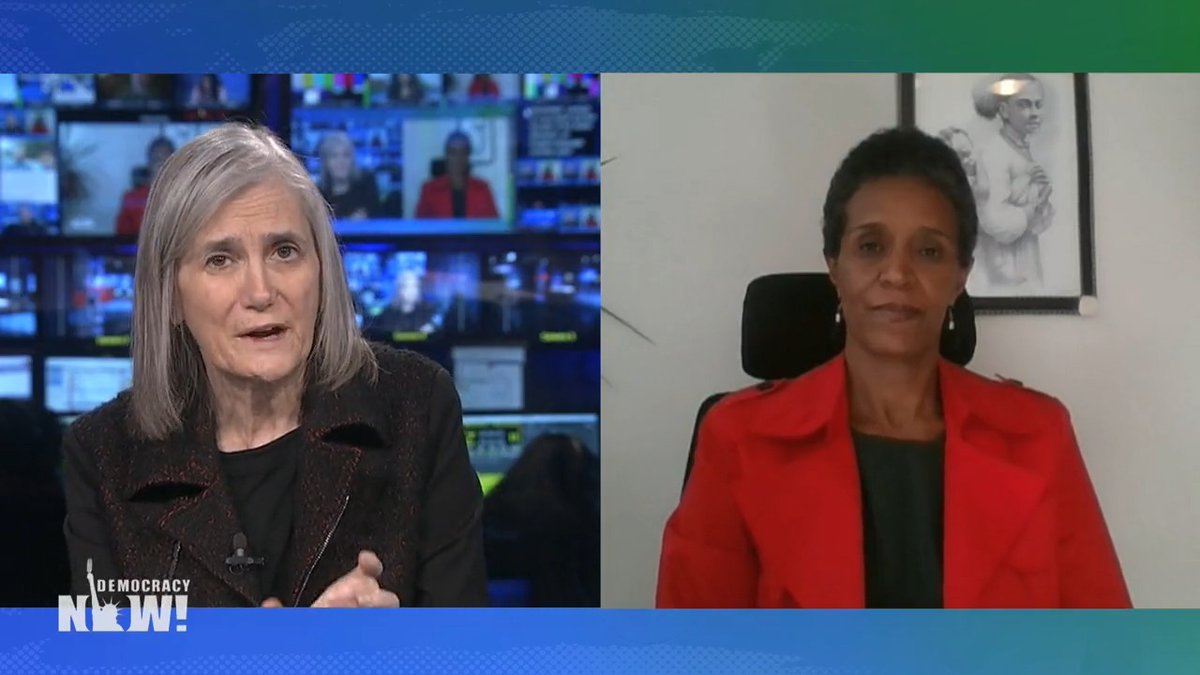
Could we see another full scale war between Ethiopia and Eritrea? As tensions rise in east Africa, and Addis Ababa aims for access to the Red Sea, journalist Tsedale Lemma explains why she thinks that there is a 'risk of expansion' in the regional escalation.

23,836 Aufrufe • vor 9 Tagen •via X (Twitter)

23 Kommentare

Profilbild von George
Georgevor 9 Tagen

Eritrea has never initiated a war and has never been interested in doing so. This is a civil war within Ethiopia. They should leave Eritrea alone.

Profilbild von PanAfricanist
PanAfricanistvor 9 Tagen

@malonebarry Another political PROSTITUTE, she’s the most biased and untruthful person to get comments from on Ethiopian politics.

Profilbild von General Bikole
General Bikolevor 9 Tagen

You invited an Opposition spokes person and agent of chaos yo your show. She is one of the few who make a living only if there is death & war in Ethiopia. Shame on you!

Profilbild von Sulamit
Sulamitvor 9 Tagen

She wants it. But it wont happen. Ethiopia has to first end its internal problems. At the moment Ethiopia is burning, the entire country.

Profilbild von ሣልሳይ ዐፄ ቴውድሮስ👑
ሣልሳይ ዐፄ ቴውድሮስ👑vor 9 Tagen

She is pro OLA. Ask her about this Amnesty International report & if she condemns OLA

Profilbild von Casa ♱
Casa ♱vor 9 Tagen

Oromo woman doesn’t know what she’s talking about.

Profilbild von HabeshaSew
HabeshaSewvor 9 Tagen

Shame on Channel 4 to give platform to this hateful twisted criminal, a poster girl for the barbaric savage murderers who has hands in the tribal killings across the country, she is a genocide enabler mouthpiece of the Oromo factions burning responsible for thousands of killings

Profilbild von Alex
Alexvor 9 Tagen

She’s completely delusional if she thinks Abiy’s inept army which can't even beat the lightly armed Fano can march all the way to Assab against the battle-hardened Eritrean Defense Forces.

Profilbild von ADULIS
ADULISvor 9 Tagen

Eritrea say Let them come but if Ethiopia disintegrate like Yugoslavia, Eritrea will not be responsible or scapegoat We will see if Ethiopia annex Eritrean sea and achieve peace and development We will create Hell on Earth, from Red sea to the whole region

Profilbild von C@dd
C@ddvor 9 Tagen

You interviewed a biased, unqualified and racist lady in ethiopian ethnic politics.

Profilbild von Auet Melache
Auet Melachevor 9 Tagen

🚨WAR IN THE HORN IS NOT A TALKING POINT. A conflict involving Ethiopia, Eritrea & the Red Sea could hit global shipping, energy and fuel prices. Before entertaining “full-scale war,” ask what happens when the Red Sea burns. #Eritrea #Ethiopia #RedSea

Profilbild von Menelik
Menelikvor 9 Tagen

😋😋So what...?!!

Profilbild von ኤርትራ 🇪🇷 ERITREA
ኤርትራ 🇪🇷 ERITREAvor 9 Tagen

Only evils wish to see wars and killings between people, while they're comfortably seating in their studios.

Profilbild von Jeff Arnold
Jeff Arnoldvor 9 Tagen

Could we send every Eritrean home to fight?

Profilbild von TheEthiopian
TheEthiopianvor 9 Tagen

Giving an ethno-nationalist a platform as a credible voice on Ethiopia's Tigray war is not only irresponsible journalism — it's the epitome of fake news.

Profilbild von unknown player
unknown playervor 9 Tagen

This will undoubtedly be an attempt to grab a port on the Red Sea whilst also simultaneously maintaining dominance within the Tigray region however, the conflicting issues regarding Somalia and Somaliland, Egypt’s position regarding the Nile& Sudan is quiet concerning for the HoA

Profilbild von Easy Tiger
Easy Tigervor 9 Tagen

Do we care?

Profilbild von @ My Country My People
@ My Country My Peoplevor 9 Tagen

Dumb question?

Profilbild von Ian McGhee BSc Hons
Ian McGhee BSc Honsvor 9 Tagen

Historically, the broader Ethiopian-Eritrean region was a major hub for the slave trade, where enslaved people captured by Africans from interior regions or southern borderlands were transported through the highlands and sold to external markets via ports in what is now Eritrea.

Profilbild von Meridian
Meridianvor 9 Tagen

Afar is where these two stories begin to intersect. Ethiopia’s internal war is now expanding through territory between Tigray, Eritrea and the Djibouti corridor — while access to the Red Sea has returned to Addis Ababa’s strategic agenda. #Ethiopia #Eritreans

Profilbild von Cheesy biscuit
Cheesy biscuitvor 9 Tagen

Will Channel 4 be asking musicians for their view on the war?

Profilbild von BlueNile Ledger
BlueNile Ledgervor 9 Tagen

The risk of expansion comes from Asmara's perpetual war economy and Cairo's habit of fueling every fire near Ethiopia's borders, not from Addis, which is busy building corridors, rail and industrial parks.

Profilbild von Sam
Samvor 9 Tagen

Interviewing this bozo from Addis Standard (a well known tplf sympathizer) shows how laughably misinformed this organization is. For the record, tplf, the entity that brutally ruled the country for 27yeaes STARTED a war AFTER losing power. No sane person would find tplf as victim
Ähnliche Videos

The upcoming weeks could be a period that requires close attention in terms of the geopolitical direction of East Africa. The overall picture in Addis Ababa indicates that the region is passing through a critical threshold. We are in Addis Ababa as part of President Erdoğan’s visit to Ethiopia. 1. This year marks the 100th anniversary of Ethiopia–Türkiye relations. Türkiye’s first embassy in Sub-Saharan Africa was opened in Addis Ababa in 1926. The main theme of the visit, consistent with this historical continuity, is a “Permanent Partnership.” 2. Ethiopia occupies an extremely sensitive position within the conflict-prone and competitive environment of the Horn of Africa. The leadership seeks to consolidate its position on issues it considers vital. At the same time, it tends to turn any emerging opportunity into a strategic gain. 3. However, growing demographic pressure, economic challenges, the fatigue of internal conflict, and other domestic vulnerabilities-combined with the structural disadvantages of being a landlocked country-are pushing Addis Ababa toward alternative strategic options. 4. In this context, the strategy of “access to the sea” is seen as a form of strategic relief-both for managing internal pressures and deepening regional influence. Creating economic breathing space, reducing logistical dependence, and increasing strategic maneuverability are the core motivations behind this approach. 5. This places Ethiopia in a difficult equation: it must produce policy within a competitive-and at times confrontational-regional environment where its ambitions may clash with the sovereignty sensitivities of its neighbors. The search for maritime access therefore stands out as an issue that could easily harden the region’s fragile balance. 6. Its closer alignment with the UAE in the Sudan civil war reflects the cumulative pressures of multiple security and economic challenges. Recent developments suggest that Ethiopia may seek a more active and visible role in the Sudan file in the near term. 7. At the same time, military movements along the Eritrean border carry risks that could trigger a new confrontation. For Ethiopia, the Eritrea issue is directly linked to its most critical maritime option. Access to the sea through Assab remains central to its strategic thinking. Historical grievances and current security concerns are deeply intertwined in this file. 8. Another critical relationship is with Egypt. The core issue here is the Nile Basin and water security. While the GERD dam represents energy production, development, and strategic leverage for Ethiopia, it is perceived by Egypt as a high-risk scenario. What began as a technical water management issue has evolved into a geopolitical matter directly tied to regional power balances. 9. When regional dynamics and the engagement of external actors are considered together, it becomes clear that Ethiopia is navigating a multilayered but high-risk foreign policy landscape-one that affects fault lines across North Africa, the Middle East, the Gulf, and the Horn of Africa. 10. Within this broader tension environment, Türkiye-Ethiopia relations remain in a positive trajectory. Despite differences in certain areas, the potential for deeper cooperation is high. Today, both leaders delivered strong messages in this direction. 11. President Erdoğan’s visit comes at a time when regional conflict dynamics are becoming increasingly visible. Ankara is seeking to develop a balancing approach aimed at preventing potential conflicts and lowering rising regional tensions. Given that Türkiye has both direct and indirect interests tied to the nature of its relationship with Ethiopia, the process is being managed with careful strategic consideration. 12. From arrival to departure, President Erdoğan was warmly received in Addis Ababa. The key areas of focus included economic cooperation, defense industry partnerships, and critical regional issues. Murat Yeşiltaş SETA

Tunç Demirtaş

14,159 Aufrufe • vor 7 Monaten

🇪🇹 Why #Ethiopia Must Regain Access to the Red Sea? 🔹 Historical Justice 1. The transfer of #Assab to Eritrea was illegitimate. Neither the #EPLF (Shabiya) nor the #TPLF had a popular mandate to determine borders or sovereignty, as both were unelected movements. 2. Assab historically belonged to Ethiopia and served as its primary port until the 1990s. 🔹 Legal & Moral Right Under International Law - Landlocking Ethiopia, a nation of 120+ million people violates the principle of equitable access to the sea and hinders economic sovereignty. - International law supports negotiated sea access for landlocked countries, and Ethiopia has both historical and legal grounds to reclaim this right. 🔹 Regional Security Imperatives - The Red Sea is a strategic corridor now facing instability due to Houthi rebel activities, piracy, and geopolitical rivalries. - Ethiopia, as one of the world’s top contributors to UN peacekeeping, is positioned to enhance maritime security and stabilize the Bab el-Mandeb Strait. 🔹 Economic Necessity - Dependency on neighboring ports exposes Ethiopia to political risk, inflated costs, and logistical bottlenecks. - Direct access to the Red Sea is essential for unleashing Ethiopia’s economic potential, supporting regional trade, and ensuring energy security. 🔸 Conclusion Ethiopia’s access to the Red Sea is not just a historical right, it is a strategic, economic, and moral imperative for regional balance and national development. - #RedSeaForEthiopia - #AssabIsEthiopian - #SeaAccessNow - #EthiopiaRising - #DecolonizeTheSea

Behiwot Tilahun🇪🇹 በህይወት ጥላሁን🇪🇹

14,888 Aufrufe • vor 1 Jahr

From Afwerki to Abiy Ahmed: You will not reach the Red Sea! In a televised interview, Eritrean President Isaias Afwerki’s remarks about the alignment of his country’s vision with Egypt’s in protecting the Red Sea as an international waterway represent a strategic message directed at Addis Ababa. Ethiopia has been seeking a maritime outlet through Eritrea or Somalia — a move that threatens regional sovereignty and could heighten border tensions. Afwerki’s statements drew attention to a potential Egyptian–Eritrean–Somali alliance that could hinder Addis Ababa’s ambitions, especially amid ongoing disputes over the Grand Ethiopian Renaissance Dam (GERD), further deepening Ethiopia’s regional isolation. Afwerki emphasized that responsibility for securing this vital maritime corridor lies solely with the littoral states — Egypt, Eritrea, Somalia, Yemen, Djibouti, and Sudan — and rejected any foreign interventions or military bases, calling them “a pretext for instability.” More importantly, on the Sudanese crisis, Afwerki stated that the conflict stems from foreign interference aimed at complicating the country’s strategic position. He called on regional states to support the Sudanese people in eliminating external meddling and rebuilding their nation, stressing that Sudan’s stability is key to the stability of the Red Sea and the Horn of Africa. Afwerki also renewed his criticism of the African Union, saying it has failed to fulfill its role over the past decades due to a mix of internal shortcomings and foreign interference.

khaled mahmoued

20,372 Aufrufe • vor 11 Monaten